
A 2026 Guide by Sellingantiques
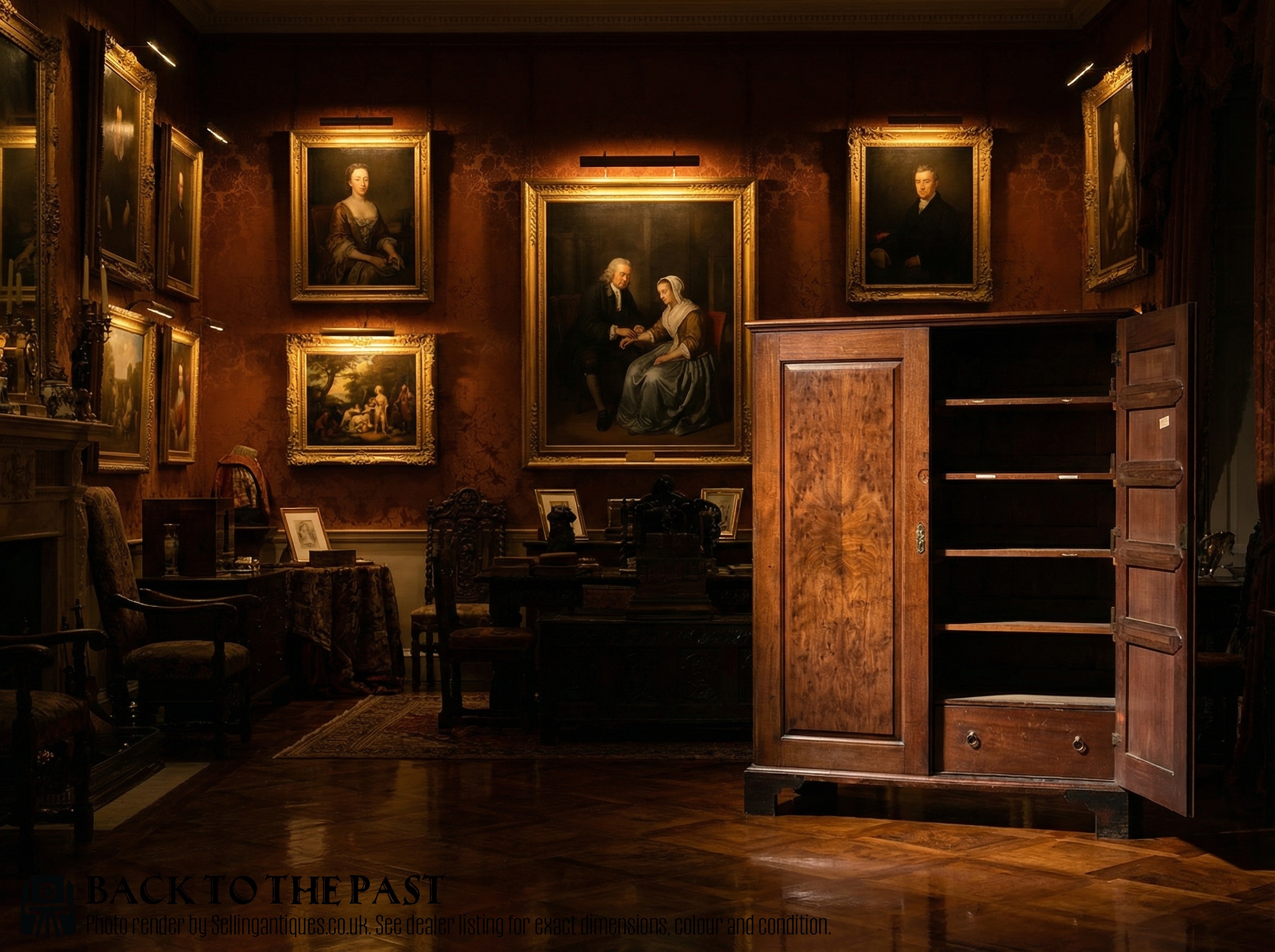
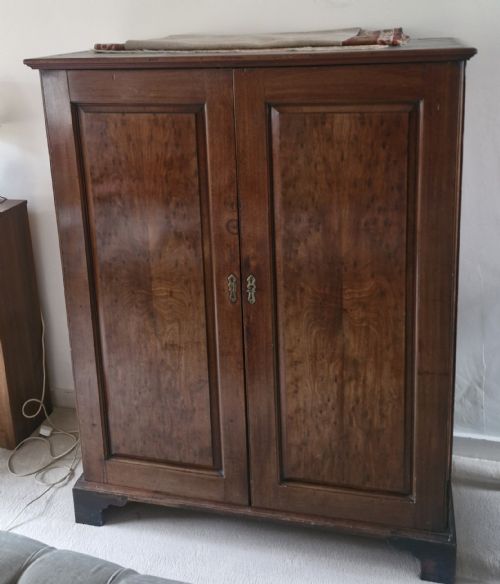
Good Mid 18th Century Mahogany Housekeepers Cupboard., 1750
Priced at £835 from Rupert Hitchcox Antiques
Built for serious storage on large country estates. An antique housekeepers cupboard grouped linens and bulk supplies into one lockable unit.
Security mattered. The senior staff held the keys, restricting access to expensive goods like tea and sugar.
Northern English pieces tend to be massive. You'll often see them spanning the entire length of a servant's hall.
Freestanding storage gave way to built-in pantries by the late nineteenth century.
Very few carry a maker's stamp. These were practical estate fixtures built by local estate carpenters rather than fashionable London cabinetmakers.
The Gillows workshop did produce some large-scale storage furniture for their northern clients. Finding a documented example is rare.
Focus on the regional style instead of hunting for a name. Lancashire and Yorkshire workshops dominated the trade in heavy oak variations.
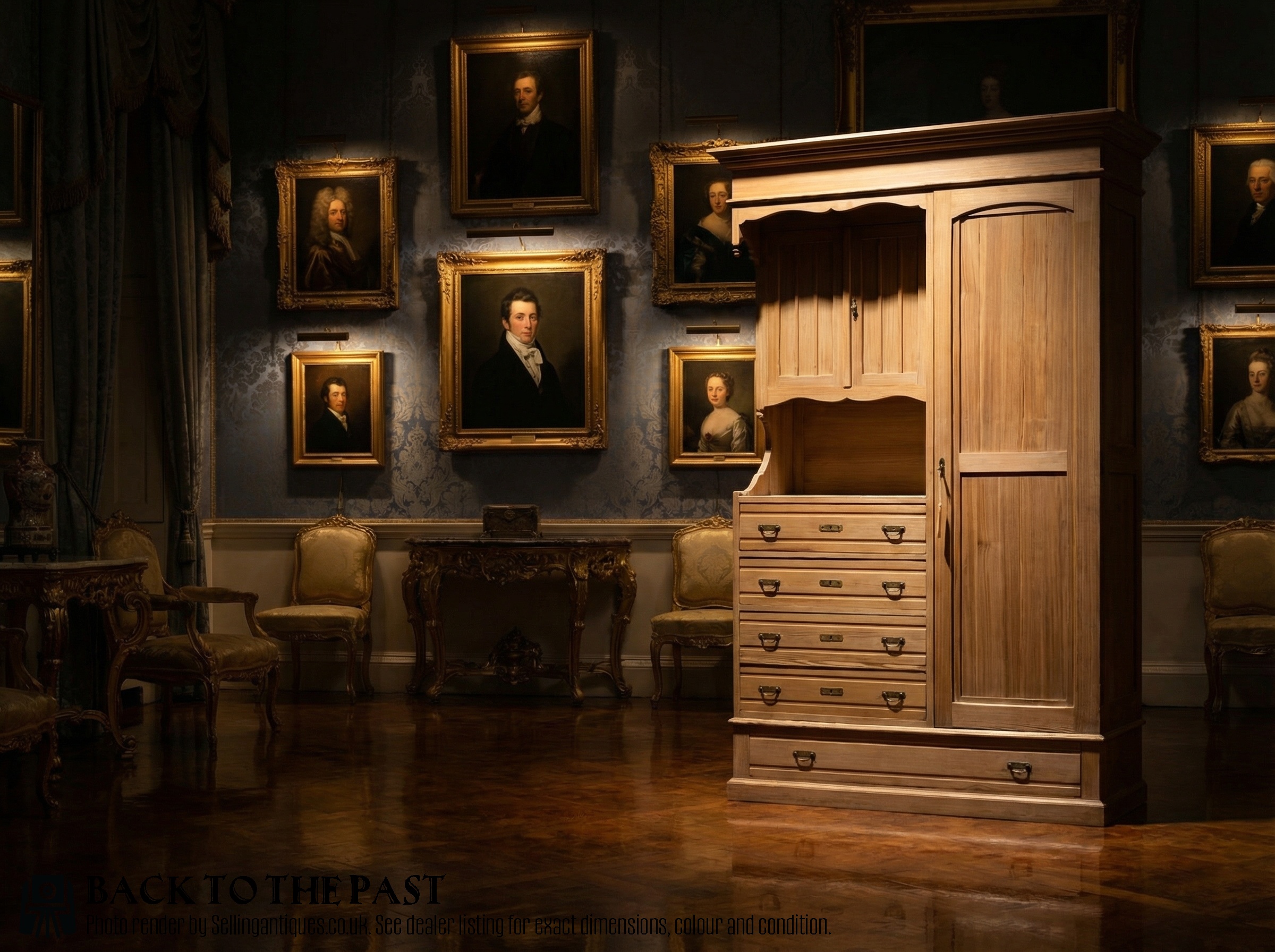
Very Quirky Antique Pine Cupboard Unit with Drawers (Partially Dismantles), 1920
Priced at £1,500 from Pinefinders
The 2026 retail price guide for Antique Housekeepers Cupboards is drawn from a proprietary archive of over 1.1 million retail prices indexed by Sellingantiques since 2003. This guide relies exclusively on their own internal data; no external sources or auction records are used.
Analysing nearly 25 years of UK antique market history alongside current retail values, the data indicates that typical UK retail prices for Antique Housekeepers Cupboards range between £1,100 and £5,000. Entry-level prices generally fall under £1,100 and premium examples upwards of £5,000.
The base section always houses a bank of drawers. A stepped-back upper stage sits on top, enclosed by solid panelled doors.
Removable cornices are standard. Taking the top moulding off helped servants shift these huge units through narrow service corridors.
Count the escutcheons. Almost every door and drawer on an antique housekeepers cupboard originally required its own key.
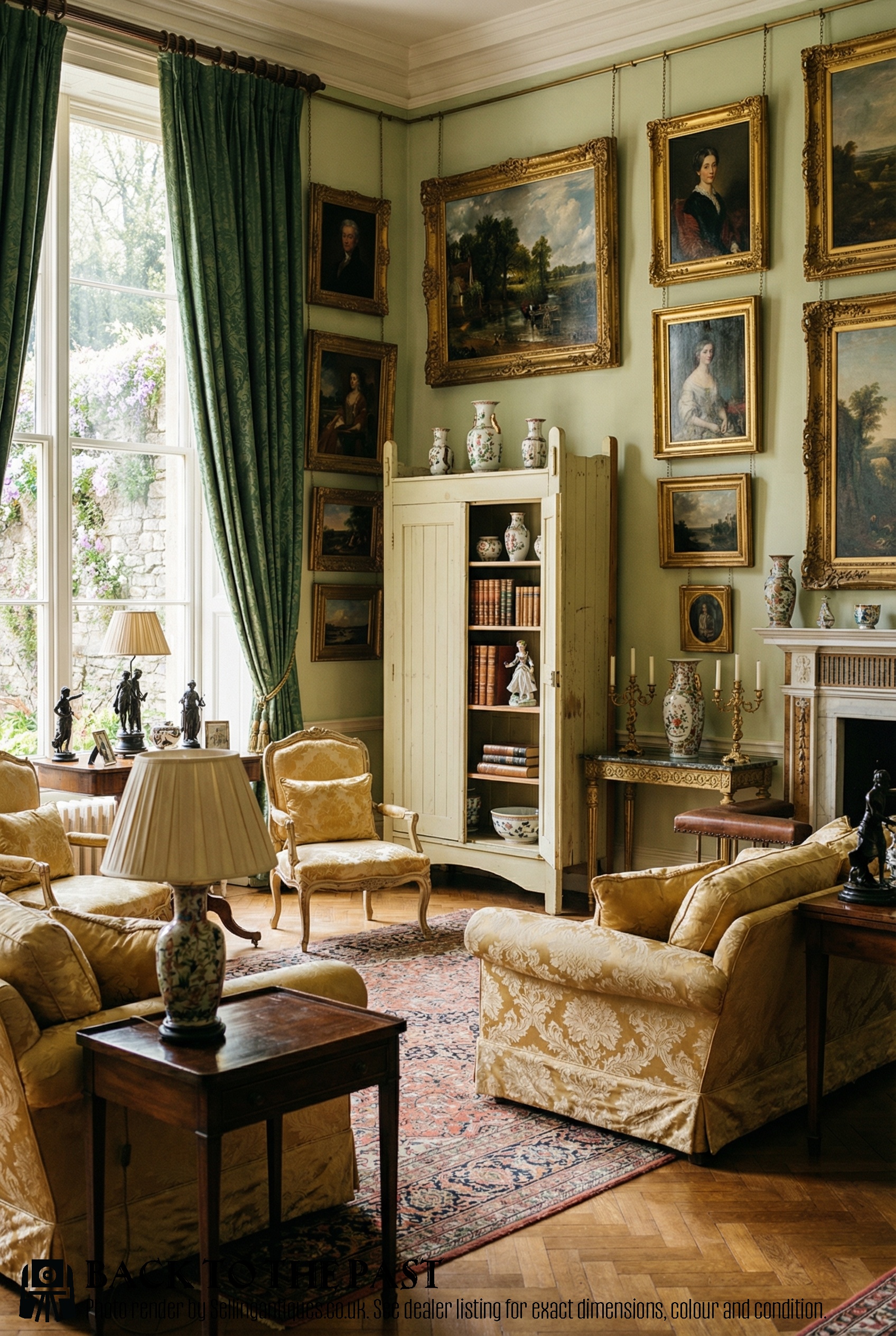
Useful Painted 2 Door Housekeepers Cupboard., Edwardian
Priced at £365 from Rupert Hitchcox Antiques
Hand-cut dovetails hold the drawer boxes together. You'll spot wide, irregular pins on Georgian pieces.
Frame and panel backboards prevent warping. Good country carpenters built the backs just as solidly as the fronts.
Inspect the door joints. Wooden pegs secure the mortise and tenons, often sitting slightly proud of the timber surface today.
"The upper shelves often feature spoon racks. Staff slotted wooden spoons into these cut-outs to drip dry over a grooved channel."
"They break down into sections. A massive ten-foot cupboard can disassemble into five or six manageable pieces for transport."
"Some base sections hide a secret drawer. A dummy drawer front might pull away to reveal a shallow tray for ledgers."
Based on almost 25 years of Sellingantiques UK antique market data, Antique Housekeepers Cupboards appeared 1091 times (out of 1,100,000 antiques) which gives it a rarity score of 80/100.
This score measures scarcity within the Sellingantiques archive only and is not a survey of the entire antiques market, so these statistics may not be indicative of the general availability of Antique Housekeepers Cupboards elsewhere.
Most antique housekeepers cupboards separate into manageable pieces. The cornice lifts off, the upper glazed or panelled sections detach, and the base often splits in two.
Look for vertical seam lines in the base unit. If you see a split down the middle of the drawer bank, the base will separate into two halves for transport.
Moving them still requires heavy lifting. Always take the drawers out before trying to lift the base.
You can remove the cornice, but it leaves the top looking unfinished. The cornice provides the visual weight that balances the heavy bank of drawers below.
A better option is finding a piece scaled for smaller rooms. While many estate examples are massive, regional carpenters also built modest versions for farmhouse kitchens.
Don't lose the cornice if you take it off. The cupboard loses historical integrity if those original mouldings go missing.
The upper shelves held household dry goods and expensive groceries. Tea, spices and sugar cones were locked away up here to prevent staff pilfering.
Some cupboards acted as dedicated linen presses. If you spot sliding oak trays instead of fixed shelves, the housekeeper used it to store folded sheets and table damask.
Stripping original paint destroys the historical surface. A dry, flaky patina took over a century to form, and buyers actively look for that untouched texture.
You can stabilise flaking paint rather than removing it. A conservator will often use specialised binders to secure the loose flakes to the timber without altering the colour.
If it wears a thick coat of modern gloss, the situation changes. Removing modern paint to reveal the bare pine carcase is accepted practice.
Please note: This Antique Housekeepers Cupboards guide and its associated pricing data are provided for general informational purposes only. It does not constitute formal financial, investment, or appraisal advice and should not be relied upon as the sole basis for any commercial activity, purchasing, or sales decisions. Sellingantiques.co.uk accepts no liability for any actions taken in reliance on this information. Always consult with a qualified professional or independent appraiser.
