
A 2026 Guide by Sellingantiques
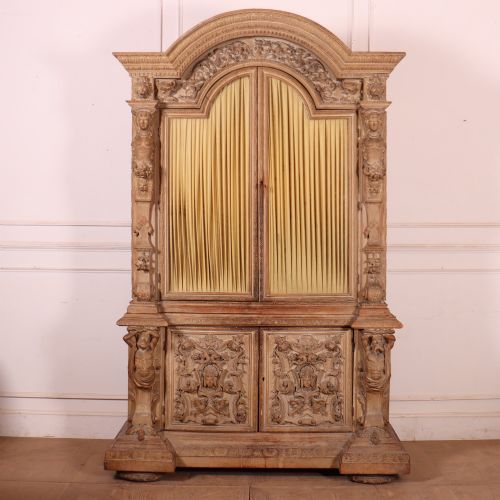
North European Oak Cupboard, 18th Century
Priced at £985 from Ropeworks Antiques
They evolved from solid-door storage in the eighteenth century. People wanted to display imported ceramics safely.
Earlier versions often functioned as grand architectural bookcases before the form shrunk to fit domestic dining rooms.
A shift to middle-class dining rooms by the Victorian period.
Look at regional variations across the country. Country pieces stayed simpler in form and held practical kitchenwares behind plain glass rather than locking away imported porcelain.
Cheaper glazing during the nineteenth century. This changed the proportions of the doors and allowed larger single panes.
Thomas Chippendale published designs for glazed bookcase cupboards. His firm supplied them to aristocratic patrons.
Gillows of Lancaster. They produced high-quality mahogany examples throughout the late eighteenth and nineteenth centuries.
Don't expect a maker's name. The provincial trade built thousands of antique glazed cupboards following standard pattern books of the era.
The 2026 retail price guide for Antique Glazed Cupboards is drawn from a proprietary archive of over 1.1 million retail prices indexed by Sellingantiques since 2003. This guide relies exclusively on their own internal data; no external sources or auction records are used.
Analysing nearly 25 years of UK antique market history alongside current retail values, the data indicates that typical UK retail prices for Antique Glazed Cupboards range between £400 and £3,300. Entry-level prices generally fall under £400 and premium examples upwards of £3,300.
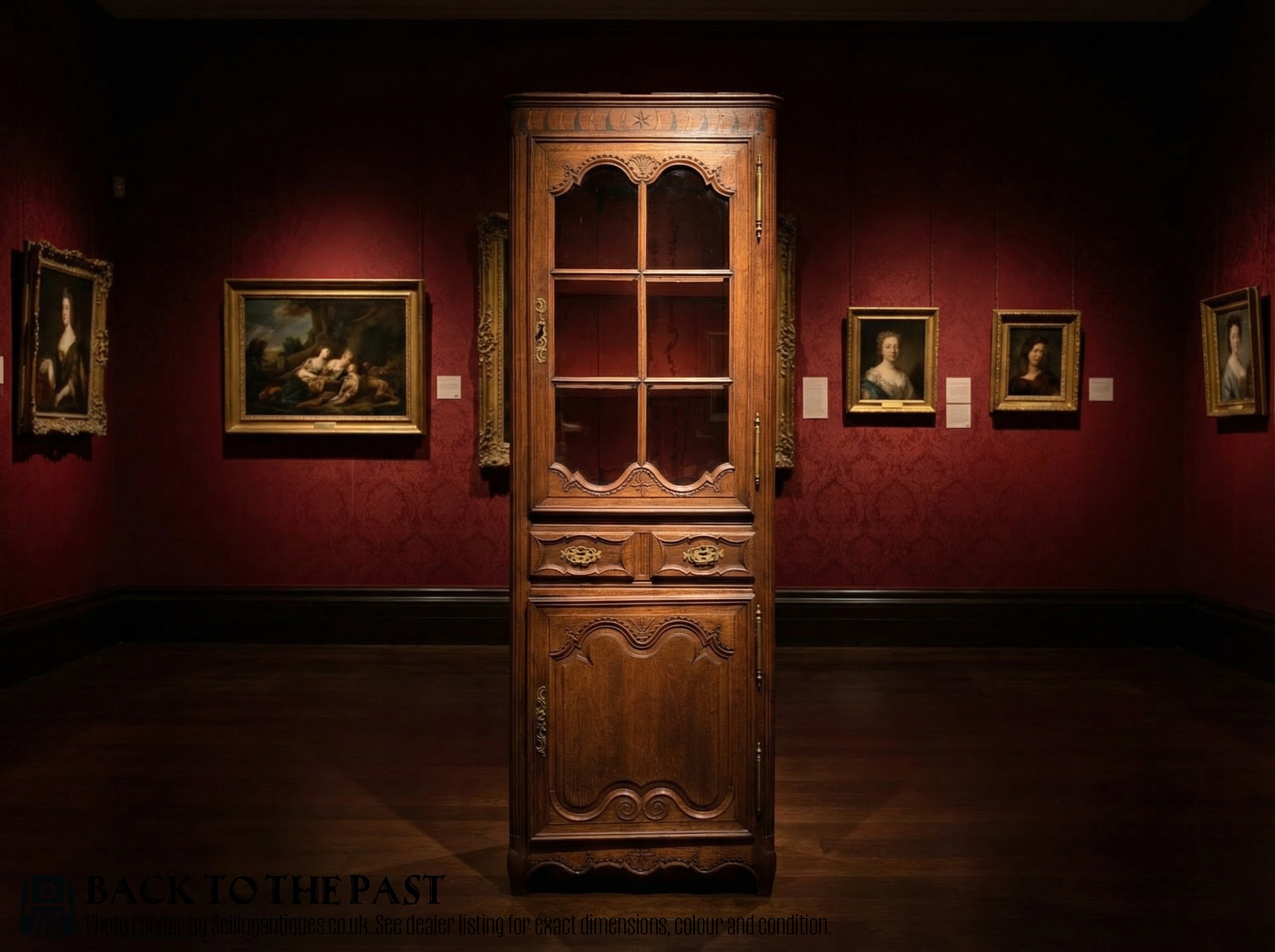
Delicate astragal glazing bars holding the individual panes in place to form complex geometric patterns.
Check the cornice. A dentil mould or simple stepped profile usually caps the upper section.
Adjustable wooden shelving sits on resting pegs drilled into the carcase sides. Some have leather dust skirts tacked to the front edges.
Cabinet makers used hand-cut dovetails to join the main carcase corners securely.
Notice the glazing bars. Craftsmen coped and joined these complex intersecting profiles by hand. It requires precise cutting to hold the glass firmly while keeping the wooden frame rigid.
Veneer work often covers a secondary pine base on the lower doors of formal city examples.
"The glazing bars cast geometric shadows across the backboards when sunlight hits them."
"Traces of original painted finishes. Pine examples often retain these inside the upper display section."
"Turn out the lower cupboards. They sometimes contain secret shallow drawers hidden behind the cornice of the base."
Based on almost 25 years of Sellingantiques UK antique market data, Antique Glazed Cupboards appeared 11952 times (out of 1,100,000 antiques) which gives it a rarity score of 9/100.
This score measures scarcity within the Sellingantiques archive only and is not a survey of the entire antiques market, so these statistics may not be indicative of the general availability of Antique Glazed Cupboards elsewhere.
Most sit on top of each other without fixings. A wooden mould attached to the base of the upper carcase drops over the lower section.
Sometimes you find wooden pegs holding them aligned.
The weight of the glazed top keeps it stable.
The piece comes apart into two halves. The glazed top lifts off the solid base.
Always remove the shelves before moving it. Take the glass doors off their hinges if the pins allow it.
This makes the upper carcase much lighter to carry up stairs.
It depends on the shelf thickness. A wide antique glazed cupboard might suffer from sagging if loaded with heavy volumes.
Check the supports first.
Floorboards in older houses are rarely level. If the piece leans slightly forward, gravity pulls the doors open.
Slip a small wedge under the front plinth. This tilts the carcase backward and keeps the doors shut.
Please note: This Antique Glazed Cupboards guide and its associated pricing data are provided for general informational purposes only. It does not constitute formal financial, investment, or appraisal advice and should not be relied upon as the sole basis for any commercial activity, purchasing, or sales decisions. Sellingantiques.co.uk accepts no liability for any actions taken in reliance on this information. Always consult with a qualified professional or independent appraiser.
