

A 2026 Guide by Sellingantiques
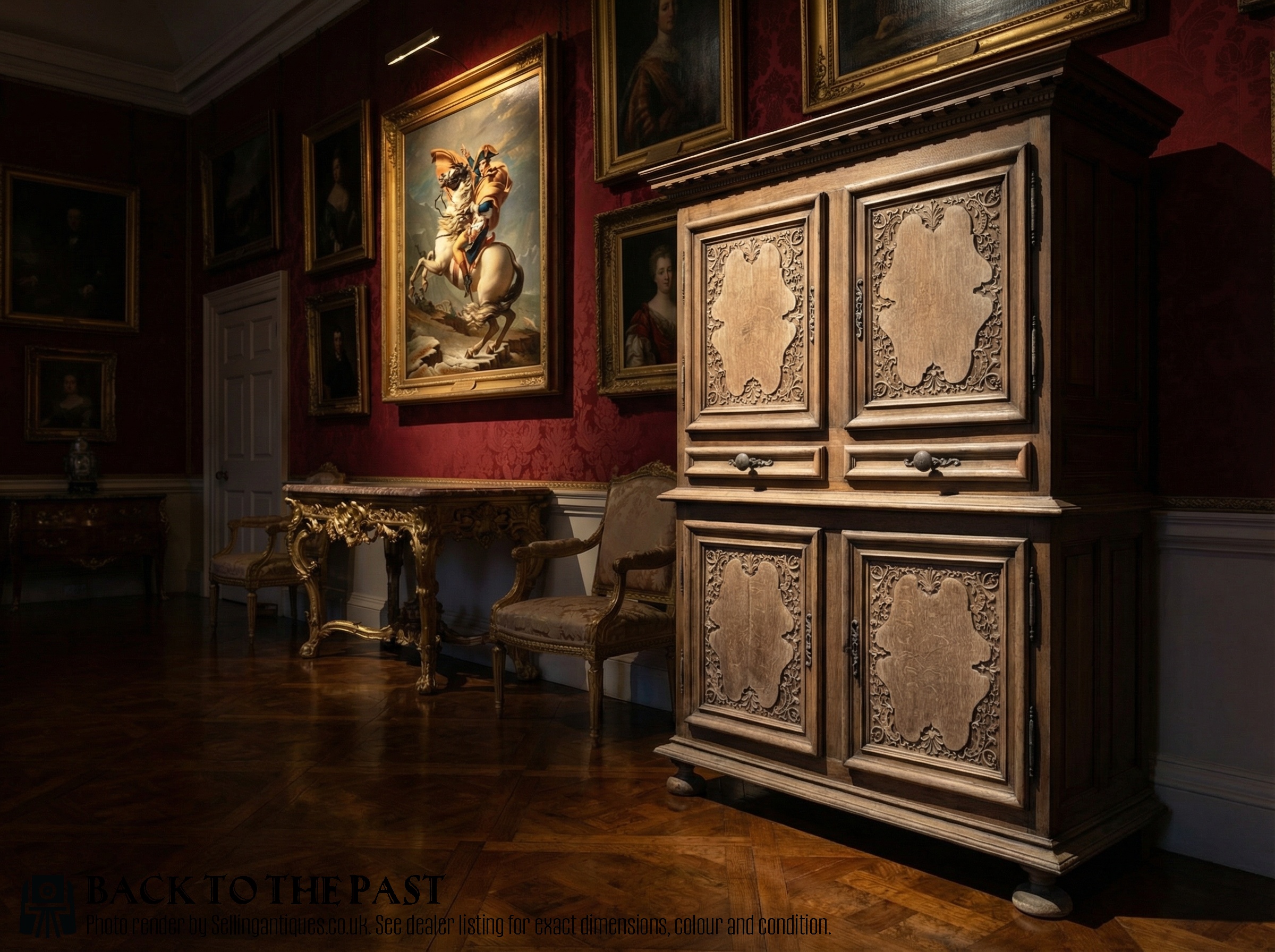
18th Century French Normandie Larder Cupboard, 18th Century
Priced at £1,950 from Sussex Antiques and Interiors
Early domestic storage relied heavily on chests before the upright form became common. Bringing the storage off the floor made daily access much easier.
Antique carved cupboards served as major status symbols in seventeenth-century homes. The depth and complexity of the decoration signalled the wealth of the household.
Regional variations developed across Europe and Britain. Wealthy merchants commissioned specific motifs to reflect their trade or local standing.
Look for dates or initials integrated into the frieze. Families often commissioned these pieces to mark a marriage or the building of a new house.
Individual craftsmen rarely signed early furniture. The trade worked in local workshops relying on regional patterns passed down through apprentices.
Guild records from major cities detail the strict rules joiners and carvers followed. Only master craftsmen produced the complex panel work.
Trace the carving style to identify the origin. Distinctive motifs point to specific valleys or towns rather than named individual cabinetmakers.
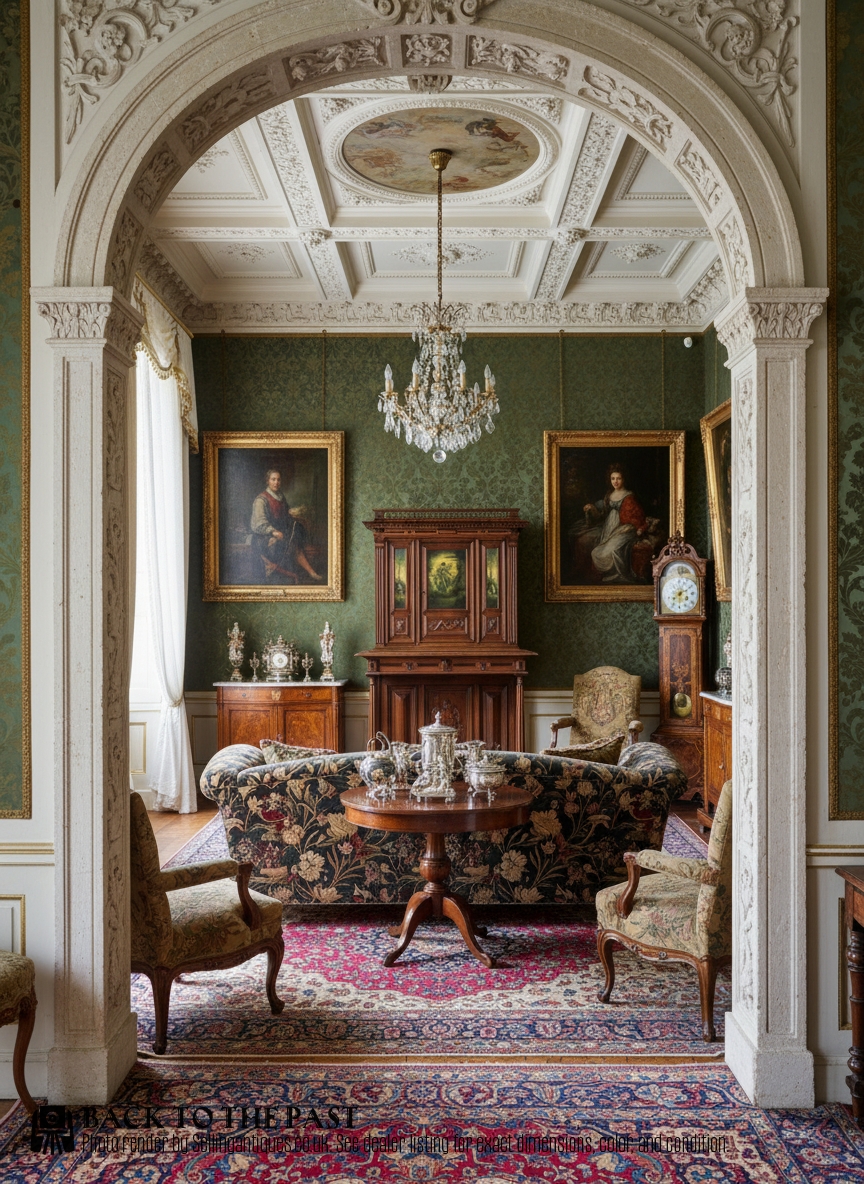
Walnut Carved Cabinet on Stand, 19th Century
Priced at £2,495 from Shackladys Antiques
The 2026 retail price guide for Antique Carved Cupboards is drawn from a proprietary archive of over 1.1 million retail prices indexed by Sellingantiques since 2003. This guide relies exclusively on their own internal data; no external sources or auction records are used.
Analysing nearly 25 years of UK antique market history alongside current retail values, the data indicates that typical UK retail prices for Antique Carved Cupboards range between £500 and £3,300. Entry-level prices generally fall under £500 and premium examples upwards of £3,300.
Deep relief work across the front facade defines the category. The panels often feature floral motifs, geometric roundels, or stylized figures.
Heavy projecting cornices sit at the top of most antique carved cupboards. They give the piece a strong architectural presence in a room.
Internal arrangements vary from open spaces to banks of small drawers. Pegs for hanging sometimes survive in the upper sections of taller models.
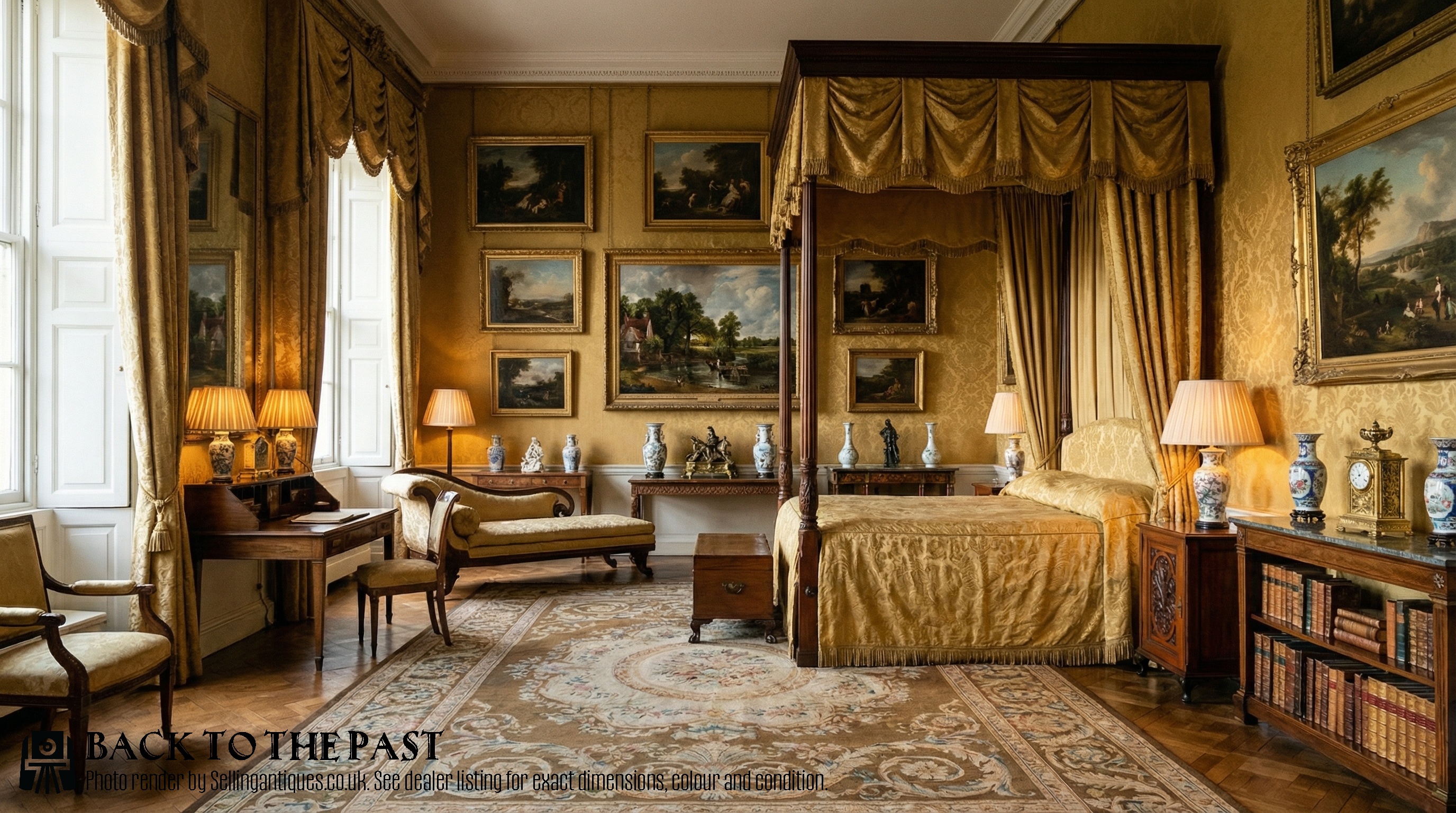
Pair of Antique Carved Walnut Bedside Cupboard Tables – Quality Vintage, 1900
Priced at £1,396 from Prior and Willis
Joiners built the framework first before handing the panels over to the specialist carver. The completed boards were then slotted into the frame.
Riven timber appears on the earliest forms. Craftsmen split the oak along the grain rather than sawing it to ensure maximum strength.
Notice the tool marks on the hidden back boards. Early pit saws left distinct angled grooves that differ from later circular saw marks.
"Many pieces were originally brightly painted rather than left as bare wood. Traces of this early pigment sometimes survive deep in the carved recesses."
"Secret compartments frequently sit behind the carved frieze panels. Joiners built small hidden drawers to store household coins or important documents."
"The layout of the carving usually tells a specific story or conveys a moral message meant to be read by the family daily."
Based on almost 25 years of Sellingantiques UK antique market data, Antique Carved Cupboards appeared 64265 times (out of 1,100,000 antiques) which gives it a rarity score of 1/100.
This score measures scarcity within the Sellingantiques archive only and is not a survey of the entire antiques market, so these statistics may not be indicative of the general availability of Antique Carved Cupboards elsewhere.
You can safely apply a good quality beeswax to most early oak surfaces. Use a soft bristle brush to work the wax gently into the deep relief carving.
Leave it to harden for half an hour before buffing it back with a clean cotton cloth. Avoid spraying modern silicone polishes, as they leave a stubborn film that traps dust in the recesses.
Timber warps when one side dries faster than the other. This often happens if the piece stood near a radiator or in direct sunlight for years.
A skilled cabinetmaker can sometimes ease the frame or adjust the hinges to help the doors close neatly. However, trying to force the wood flat again usually causes the old panels to split.
Minor warping is accepted as part of the character of early furniture. It is often best left alone if the piece remains usable.
Solid oak furniture carries substantial weight. A large seventeenth-century example requires at least two strong people to move safely.
The heavy timber framing and thick internal boards add up quickly. Always check the route and floor strength before attempting to install a large piece upstairs.
Flight holes indicate where the adult beetle chewed its way out of the timber. In early furniture, these holes are usually historical and the lifecycle finished decades ago.
Tap the wood sharply. If fine pale dust falls out, the infestation might be active.
You can treat the affected areas with a standard fluid to be safe. Most dealers will have already treated any suspect timber before putting the piece up for sale.
Please note: This Antique Carved Cupboards guide and its associated pricing data are provided for general informational purposes only. It does not constitute formal financial, investment, or appraisal advice and should not be relied upon as the sole basis for any commercial activity, purchasing, or sales decisions. Sellingantiques.co.uk accepts no liability for any actions taken in reliance on this information. Always consult with a qualified professional or independent appraiser.
