


A 2026 Guide by Sellingantiques
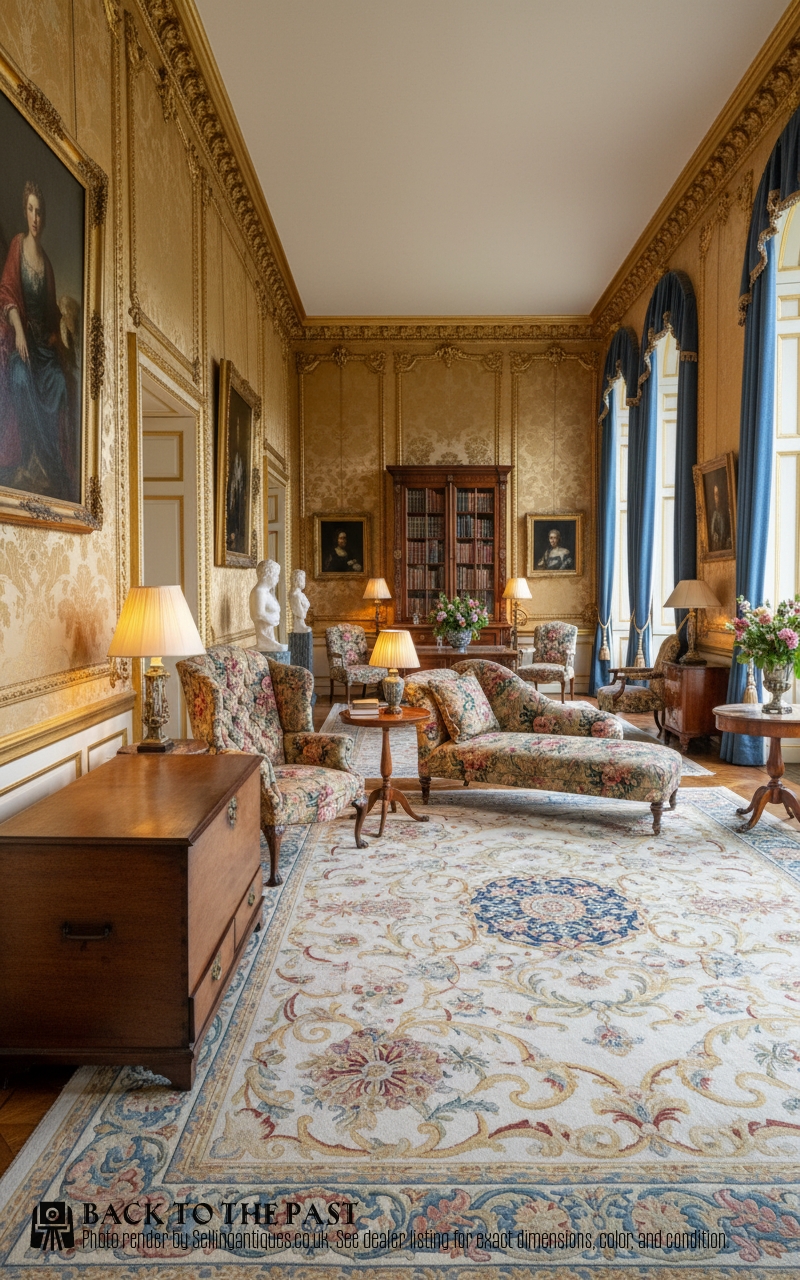
A Fine Mahogany George Iii, Silver or Hall Trunk., Georgian
Priced at £425 from Antiquus
Antique mahogany chests became the standard for bedroom storage in Britain during the mid-eighteenth century.
Imports of the timber from the West Indies grew rapidly after trade duties dropped in 1733.
Before this shift, walnut and oak dominated the furniture trade.
Look at the sheer volume of surviving pieces today to see how common they became in middle-class homes.
Thomas Chippendale supplied several documented mahogany chests of drawers to aristocratic clients like Dumfries House.
You'll find Gillows of Lancaster stamped many late eighteenth and nineteenth-century pieces on the top drawer edge.
Regional craftsmen without famous names built the vast majority of these everyday storage pieces.
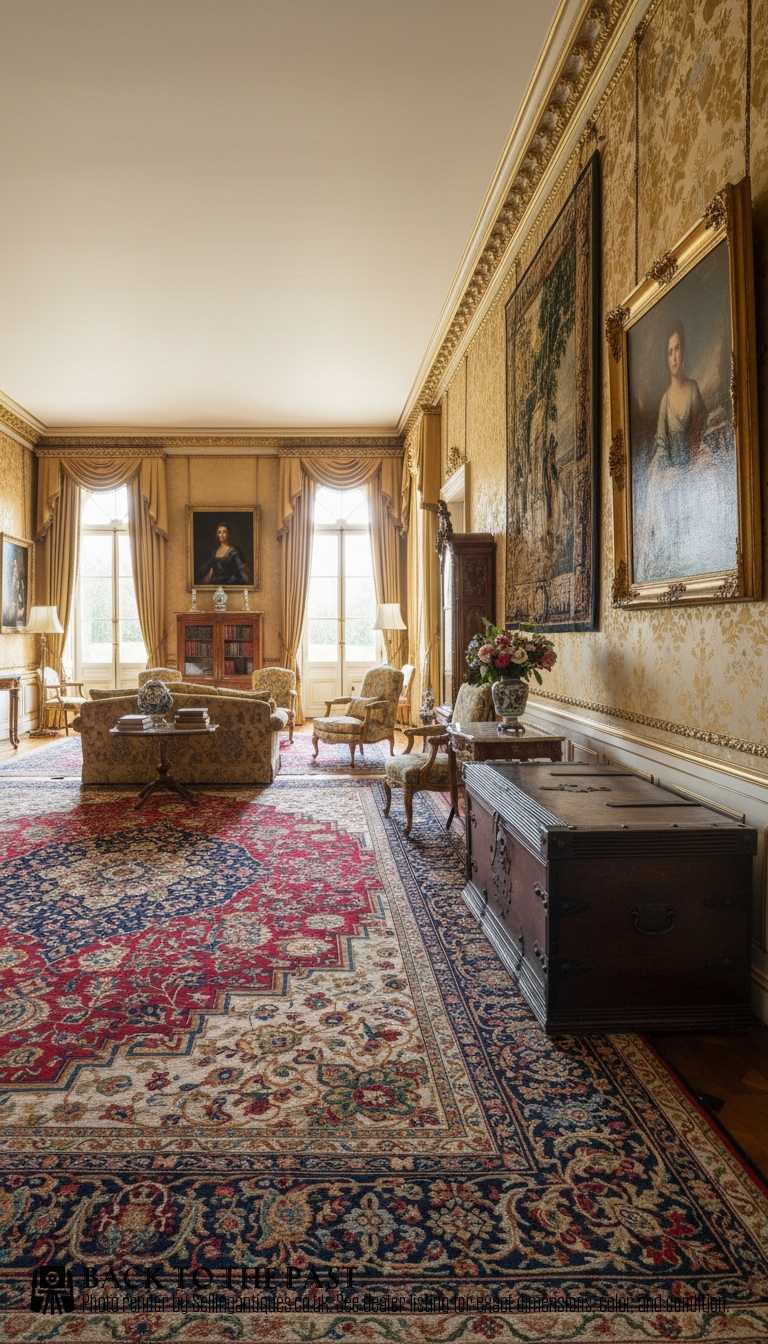
Nice Iron Bound Mahogany Chest, 1910
Priced at £495 from Fernyhough Antiques Ltd
The 2026 retail price guide for Antique Mahogany Chests is drawn from a proprietary archive of over 1.1 million retail prices indexed by Sellingantiques since 2003. This guide relies exclusively on their own internal data; no external sources or auction records are used.
Analysing nearly 25 years of UK antique market history alongside current retail values, the data indicates that typical UK retail prices for Antique Mahogany Chests range between £600 and £2,600. Entry-level prices generally fall under £600 and premium examples upwards of £2,600.
Most standard configurations feature two short drawers over three long ones, graduating in depth from top to bottom.
Bracket feet or turned bun feet support the main carcase.
Check the brassware for swan-neck handles and simple lock escutcheons, which are standard eighteenth-century fittings.
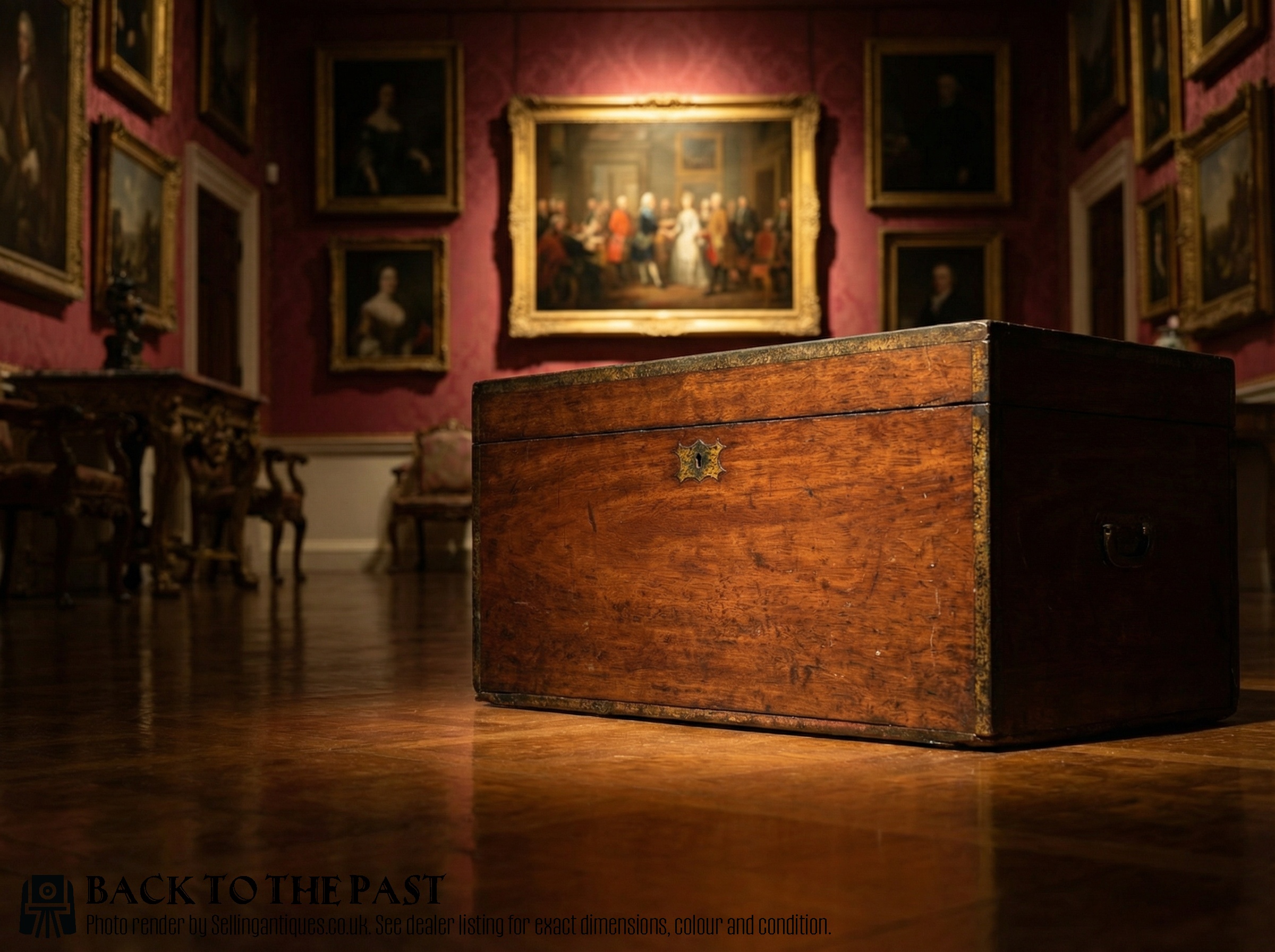
Military Campaign Chest, 1850
Priced at £265 from David Robinson Antiques
Early eighteenth-century cabinet-makers laid thick veneers over oak carcases to display bold grain patterns.
Solid timber construction became much more common later in the Georgian period when wider boards arrived.
Turn the piece around to see the backboards, where craftsmen often left rough-hewn surfaces and visible tool marks.
"Some cabinet-makers incorporated secret compartments into the frieze above the top drawers for storing private papers."
"The dense grain naturally resists woodworm and rot, keeping the primary surfaces sound over centuries."
"A few designs include a built-in brushing slide just under the top for laying out clothes."
Based on almost 25 years of Sellingantiques UK antique market data, Antique Mahogany Chests appeared 21629 times (out of 1,100,000 antiques) which gives it a rarity score of 1/100.
This score measures scarcity within the Sellingantiques archive only and is not a survey of the entire antiques market, so these statistics may not be indicative of the general availability of Antique Mahogany Chests elsewhere.
Take the drawer out and check the wooden runners underneath. Often they just need a quick rub with a plain wax candle.
If the wood has swollen from damp, let the piece sit in a dry room for a few weeks. The timber shrinks back as it dries, easing the fit.
Direct sunlight will bleach the timber over time. Mahogany turns a lighter, honey-brown shade when exposed to UV rays for extended periods. The finish can also dry out and crack if the spot gets too warm.
Some buyers prefer this faded colour. If you want to keep the dark reddish tones, put the chest in a shaded spot or draw the curtains during the afternoon.
It means the front of the chest curves outward in a gentle convex shape.
Cabinet-makers started building these later in the Georgian period.
You can slip a small wooden wedge or a folded piece of thick card under the feet that lift off the floor. This stops the carcase twisting out of shape.
A twisting carcase puts stress on the joints and makes the drawers stick. Once the chest is level, gravity keeps it stable on the floorboards.
Please note: This Antique Mahogany Chests guide and its associated pricing data are provided for general informational purposes only. It does not constitute formal financial, investment, or appraisal advice and should not be relied upon as the sole basis for any commercial activity, purchasing, or sales decisions. Sellingantiques.co.uk accepts no liability for any actions taken in reliance on this information. Always consult with a qualified professional or independent appraiser.
