


A 2026 Guide by Sellingantiques
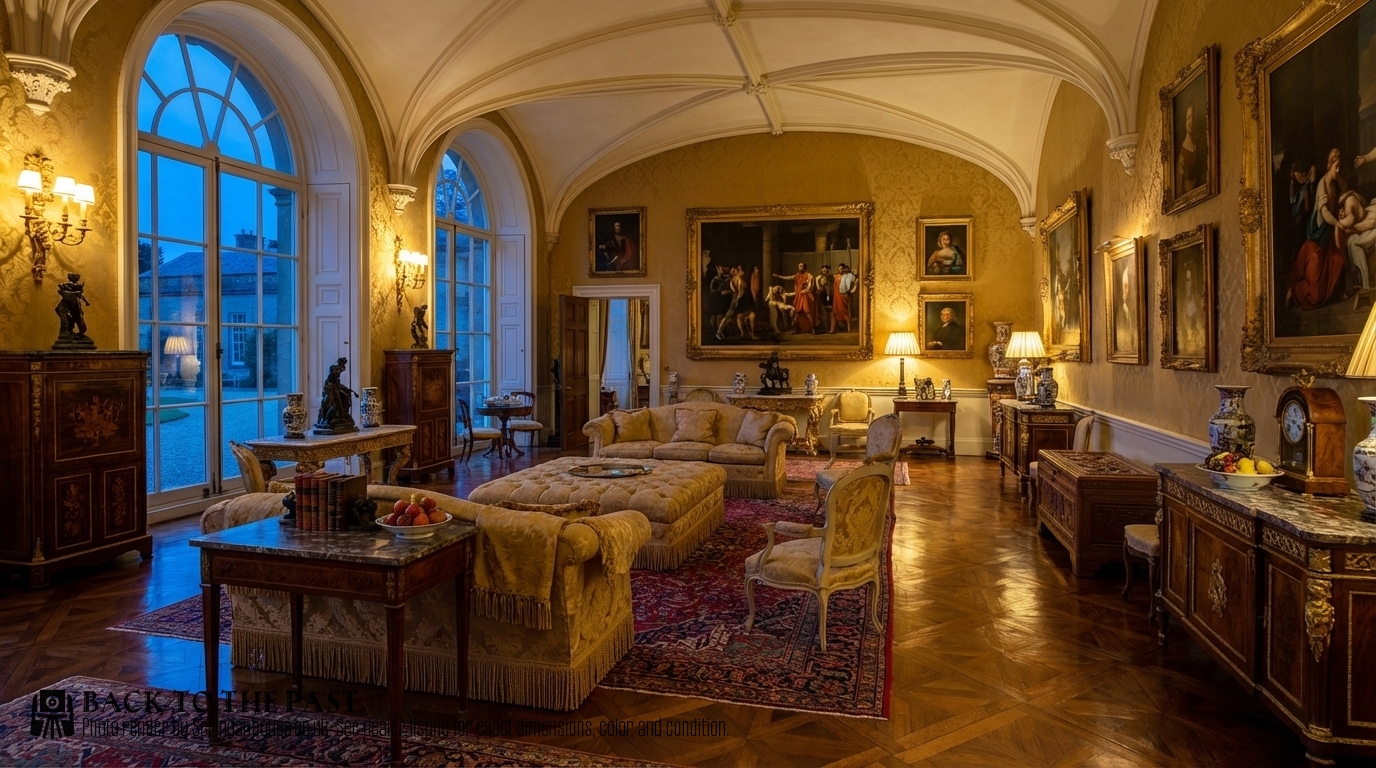
Oriental Carved Camphor Wood Chest, 1930
Priced at £474 from Elmgarden
Trade routes drove the early production of antique camphor chests. Export hubs in Canton and Calcutta supplied officers returning to Britain.
Look for flush handles. Ship carpenters needed flat surfaces so these trunks could stack easily in tight cargo holds.
Nineteenth-century military campaigns increased demand across the British Empire. Officers required tough luggage for extended postings in tropical climates.
Naval regulations often dictated the exact dimensions of a captain's baggage.
They're mostly unmarked. Most antique camphor chests emerged from busy export workshops in nineteenth-century Canton or Hong Kong.
British colonial makers in India also produced them. The Calcutta trade turned out thousands for returning civil servants.
Forget looking for famous cabinetmakers. Anonymous local craftsmen dominated this functional maritime market.
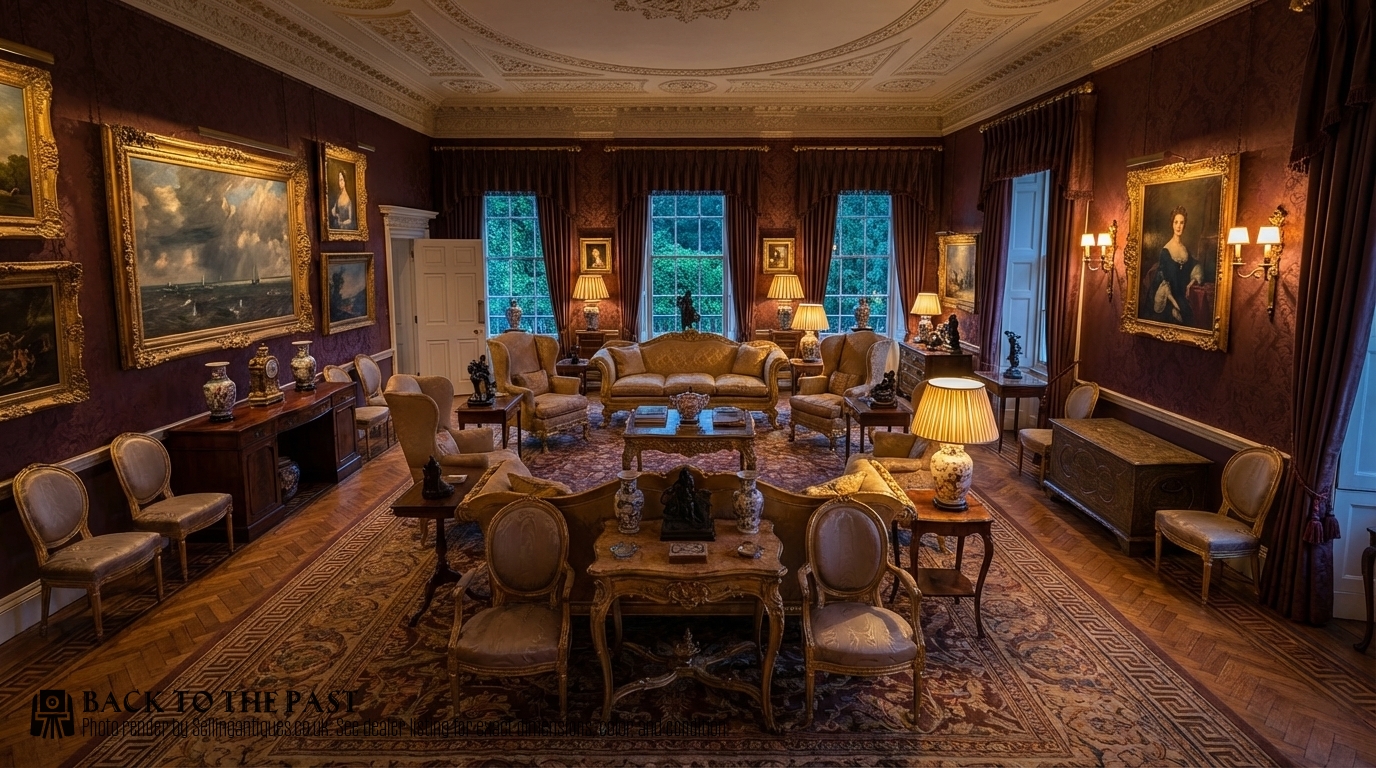
Antique Fine Quality Chinoiserie Brass Covered Camphor Wood Chest Coffer, 19th Century
Priced at £1,186 from Prior and Willis
The 2026 retail price guide for Antique Camphor Chests is drawn from a proprietary archive of over 1.1 million retail prices indexed by Sellingantiques since 2003. This guide relies exclusively on their own internal data; no external sources or auction records are used.
Analysing nearly 25 years of UK antique market history alongside current retail values, the data indicates that typical UK retail prices for Antique Camphor Chests range between £600 and £1,900. Entry-level prices generally fall under £600 and premium examples upwards of £1,900.
The unmistakable scent hits you as soon as the lid opens. This natural resin deters moths.
Blank brass nameplates usually sit in the centre of the lid. Some bear engraved initials of former naval owners.
Notice the lack of overhanging mouldings. Flush surfaces prevent catching or splintering when moving the box.
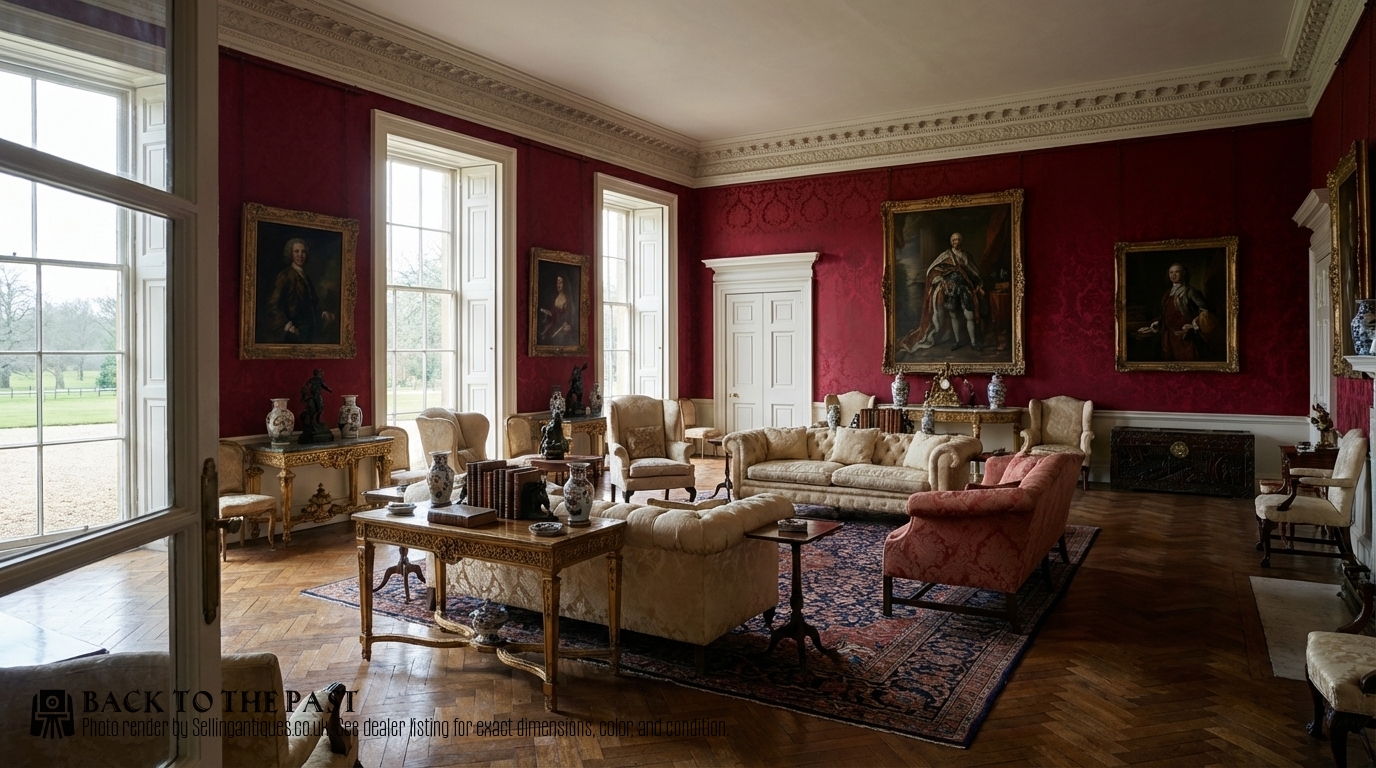
Large Oriental Carved Camphor Wood Chest, 1920
Priced at £650 from Elmgarden
Thick boards form the main structure. Craftsmen used simple butt or rebate joints reinforced by the heavy metal mounts.
You don't see fine dovetailing on the early export pieces. The strength relies almost entirely on external brass strapping.
Later nineteenth-century versions sometimes feature deeper carving. Canton workshops began adding relief scenes as the chests became domestic rather than maritime items.
"The strong scent revives easily. Sanding the bare wood inside with fine paper releases the original aroma trapped below the surface."
"Blank brass cartouches were deliberately left empty by the makers. Purchasers had their own names engraved only once they bought the chest."
"Some examples feature secret compartments hidden beneath the internal till. They provide a clever space for storing sovereign coins."
Based on almost 25 years of Sellingantiques UK antique market data, Antique Camphor Chests appeared 1261 times (out of 1,100,000 antiques) which gives it a rarity score of 78/100.
This score measures scarcity within the Sellingantiques archive only and is not a survey of the entire antiques market, so these statistics may not be indicative of the general availability of Antique Camphor Chests elsewhere.
The brass tarnishes naturally over time through exposure to oxygen and moisture. Marine environments speed up this process.
Many collectors prefer to leave this dull patina intact. It shows the age of the piece and requires far less maintenance than regular polishing.
Leather lifting beckets often replace metal handles on certain maritime examples. Sailors crafted these thick rope and leather loops on board ship to prevent metal hardware from damaging adjacent cargo.
They serve the same function as flush brass handles. The leather simply provided a softer grip and reduced the risk of sparks.
You can safely store most textiles inside. The natural wood oils still deter clothes moths.
Just place a plain sheet at the bottom first. This stops raw timber touching delicate fabrics directly.
That aroma comes entirely from the wood itself. Camphor trees naturally produce this resin, and cabinetmakers selected the timber specifically for this lasting scent.
Previous owners rarely needed to add chemicals. The thick boards retain their natural oils for decades, especially inside a closed box.
Leaving the lid open for a few days softens the smell. It returns once closed again.
Please note: This Antique Camphor Chests guide and its associated pricing data are provided for general informational purposes only. It does not constitute formal financial, investment, or appraisal advice and should not be relied upon as the sole basis for any commercial activity, purchasing, or sales decisions. Sellingantiques.co.uk accepts no liability for any actions taken in reliance on this information. Always consult with a qualified professional or independent appraiser.
