

A 2026 Guide by Sellingantiques
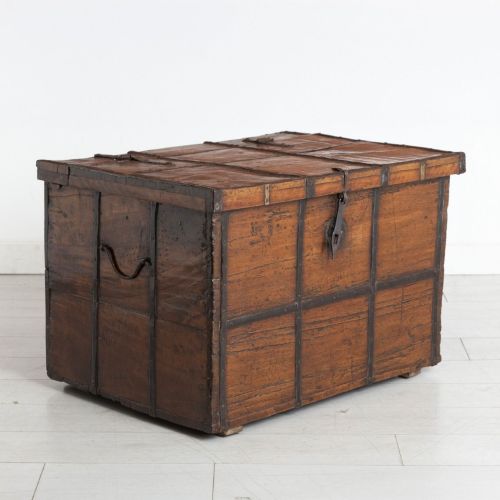
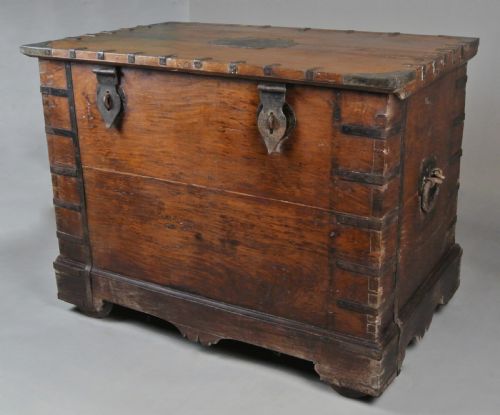
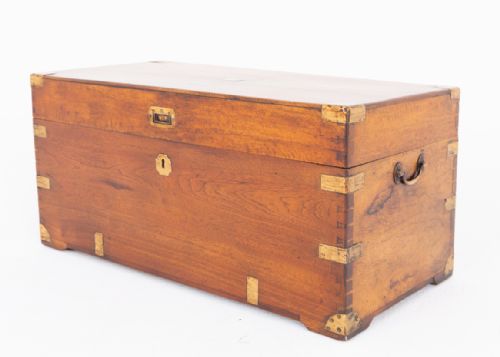
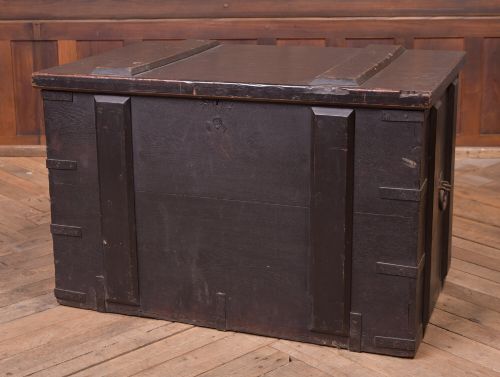
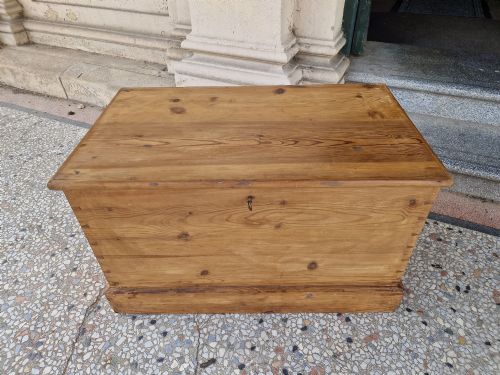
Fabulous and Rare Continental Blanket Chest., 18th Century
Priced at £625 from Stalham Antique Gallery
Sixteenth-century households relied on these boxes to lock away valuable textiles. Boarded construction was the standard long before joined panelling took over.
Look at the transition in the seventeenth century. Regional joiners started building them with frames and panels to stop the wide boards from splitting as humidity changed.
Most antique blanket chests doubled as seating in busy cottages. The flat lids provided an extra bench near the hearth where space was tight.
Coffer is the older term you will often hear. That specifically meant a travelling trunk covered in leather, but the word drifted onto domestic chests over time.
Signed examples are practically unheard of in early British chests. Rural joiners worked without makers' marks, passing traditional patterns down through local family workshops.
Different counties developed distinct carving habits. Westmorland craftsmen often carved dates and initials across the top rail, marking a marriage or moving into a new house.
Trace the migration of styles. Immigrant craftsmen arriving in East Anglia brought low-relief carving patterns from the continent, which local carpenters soon copied.

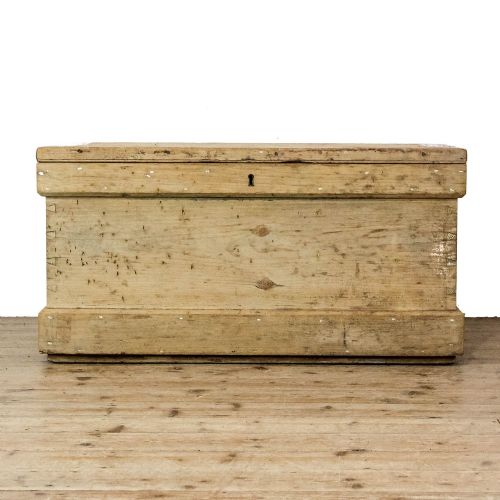
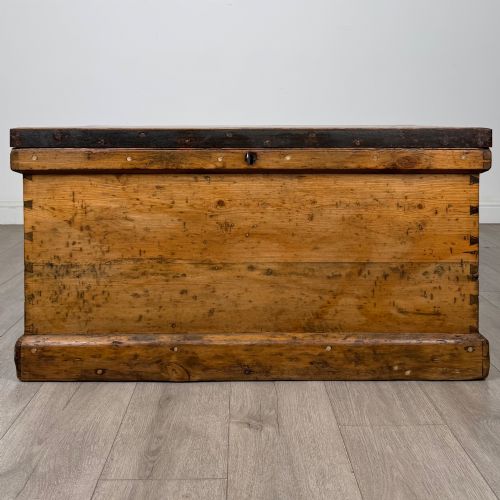
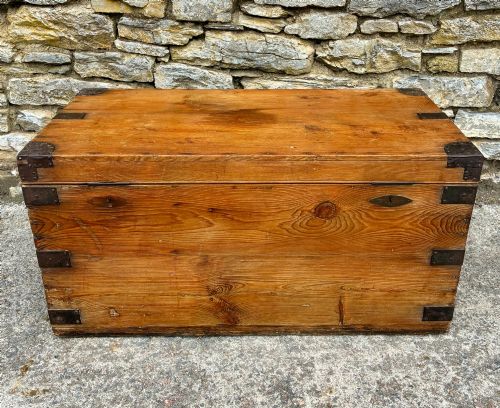
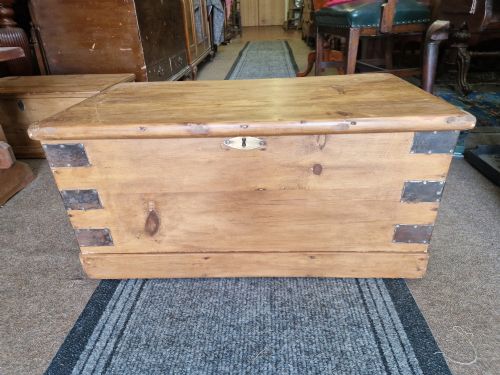
Large Scale 19th Century French Pine Blanket Box, 19th Century
Priced at £1,250 from Michael Youll Antiques
The 2026 retail price guide for Antique Blanket Chests is drawn from a proprietary archive of over 1.1 million retail prices indexed by Sellingantiques since 2003. This guide relies exclusively on their own internal data; no external sources or auction records are used.
Analysing nearly 25 years of UK antique market history alongside current retail values, the data indicates that typical UK retail prices for Antique Blanket Chests range between £300 and £1,500. Entry-level prices generally fall under £300 and premium examples upwards of £1,500.
A till is a small box fitted high up inside the main compartment. This keeps sweet-smelling herbs or small valuables separate from the heavy textiles below.
Stile feet lift the base off cold flagstone floors. These are simply the corner posts extending downwards to keep the bottom boards away from pooling water.
Look for original iron lock plates on the front fascia. Even if the internal mechanism is missing, the surface plate usually stays pegged in place.
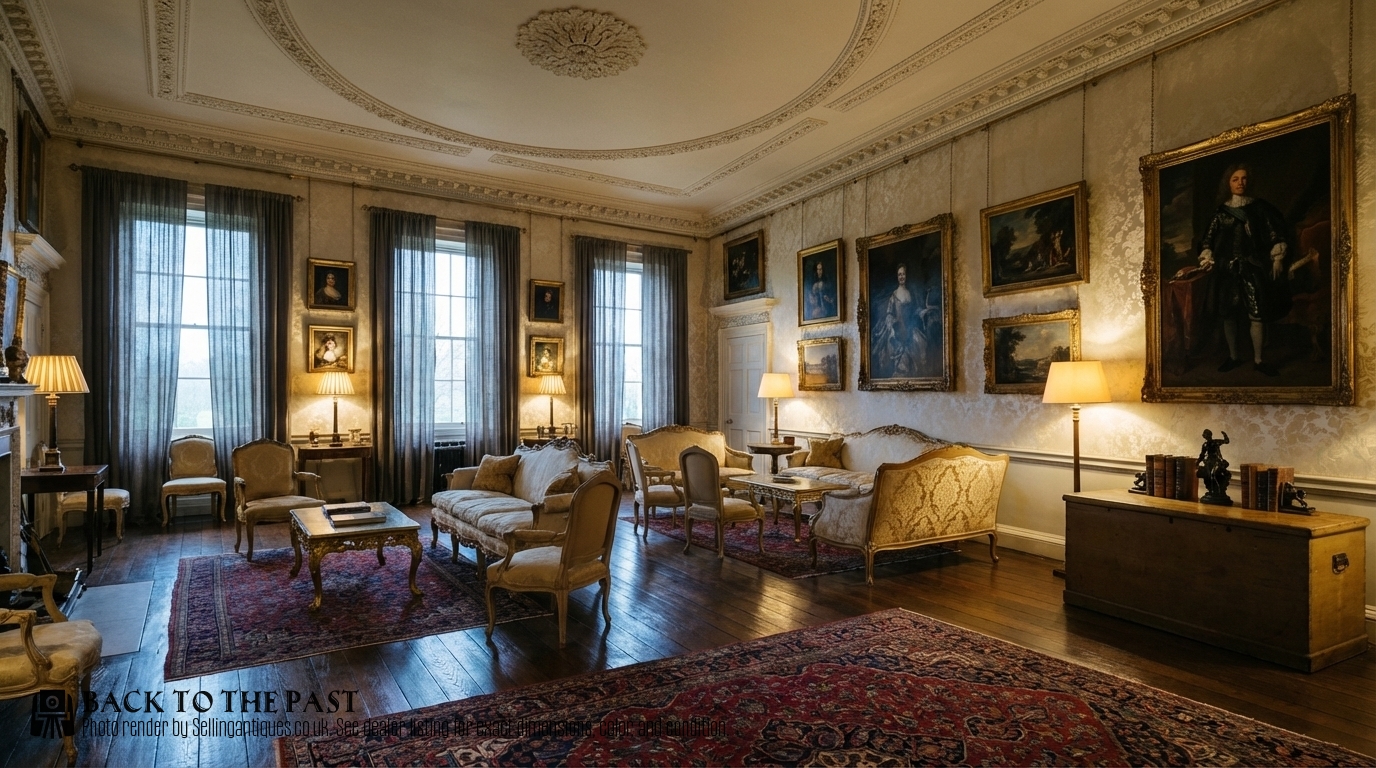
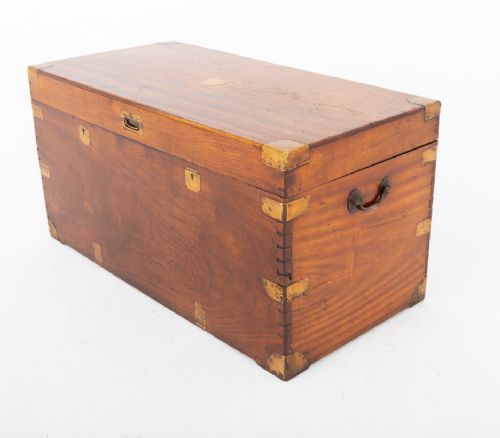
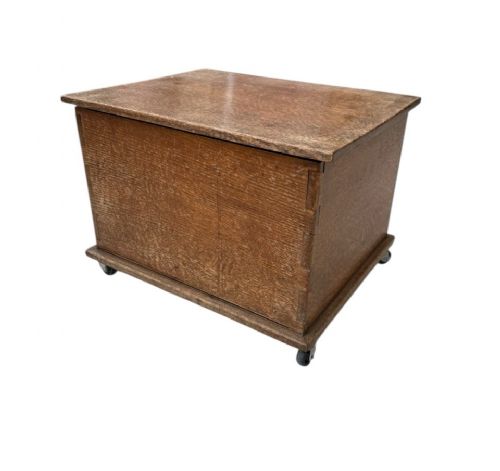
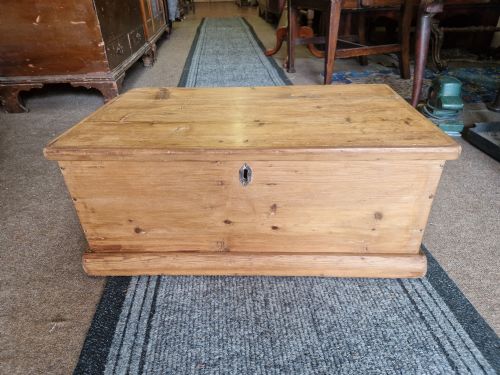
Enormous Large Victorian Polished Pine Blanket Box, 19th Century
Priced at £1,500 from Elmgarden
Pegged joints define the best joined chests. Joiners drilled through the assembled mortise and tenon, driving in a tapered wooden dowel to lock the frame tight.
Notice the carved panels on the front fascia. Craftsmen used simple gouges and V-tools to cut geometric patterns directly into the oak before assembling the frame.
Riven timber appears on the back and base boards. Splitting the oak along the grain rather than sawing it gave a rougher finish but provided better strength.
"The distinct smell inside comes from the timber itself. Centuries of stored linens press natural oils into the wood, leaving a faint, sweet scent that lasts."
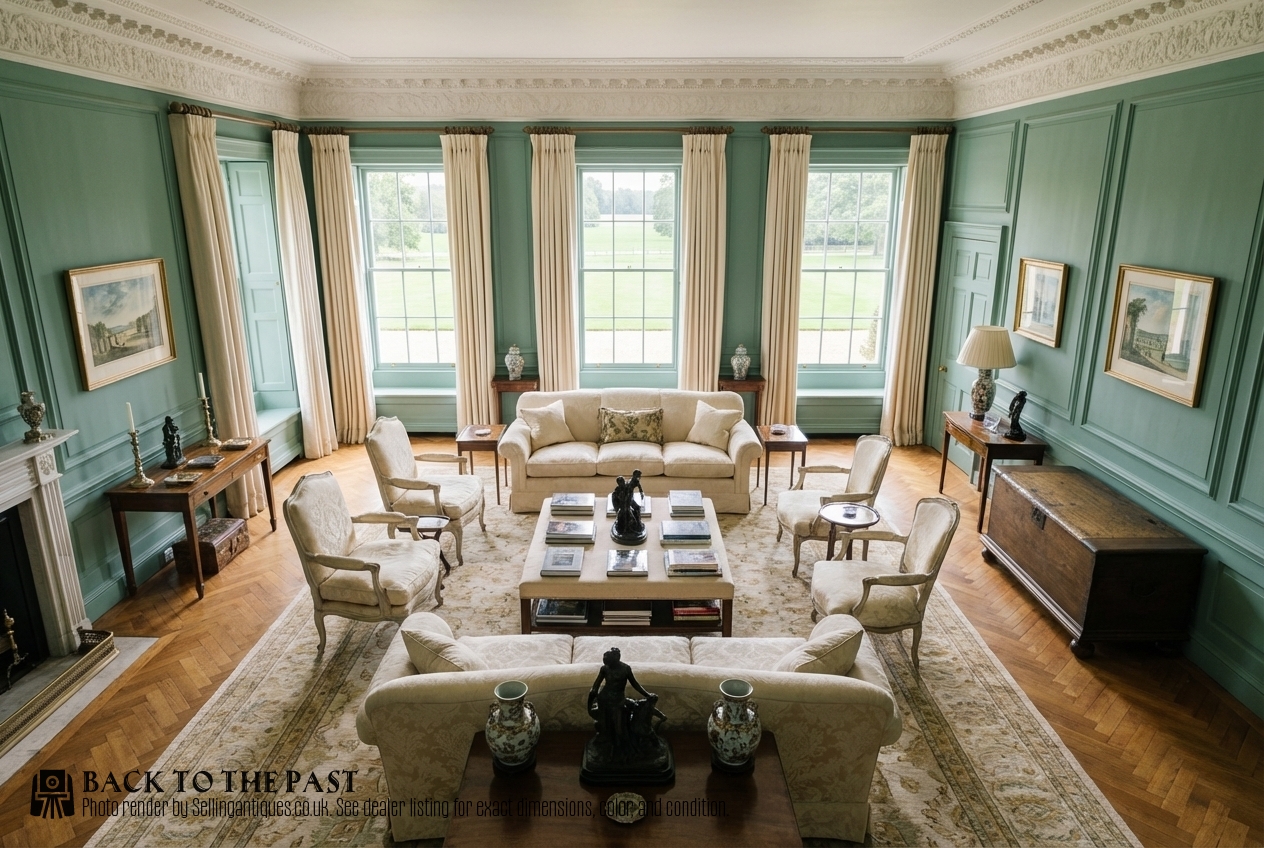
"You can use them as excellent coffee tables. A flat-topped chest sits at exactly the right height for a modern sofa while hiding away extra cushions."
"Many panels were carved to catch the light. Deeply cut patterns threw strong shadows across the room when lit only by a low hearth fire."
Based on almost 25 years of Sellingantiques UK antique market data, Antique Blanket Chests appeared 3398 times (out of 1,100,000 antiques) which gives it a rarity score of 51/100.
This score measures scarcity within the Sellingantiques archive only and is not a survey of the entire antiques market, so these statistics may not be indicative of the general availability of Antique Blanket Chests elsewhere.
Most take two people to lift safely. The thick oak boards and forged iron fittings add up.
Take the lid off if the hinges allow it. Moving the carcase empty makes stairs easier.
Leave the lid open on a dry, breezy day. Fresh air handles stale odours better than chemical sprays, which can stain the raw timber inside the carcase.
Try putting a bowl of bicarbonate of soda inside and closing the lid for a week. It draws moisture and trapped smells out of the porous wood without causing any damage.
Yes, but think carefully before covering early oak. A layer of modern gloss paint ruins the historic surface and traps moisture inside the joints.
Pine examples from the Victorian period take paint much better. They were often painted originally to look like more expensive woods, so a fresh coat of porous milk paint fits their history.
Empty holes near the hinges are standard. Iron straps snap under the weight of heavy lids, and local carpenters simply moved the replacements along the rail to find solid wood.
Leave them exactly as they are. Those old fixing points show the chest has a long working history and tell the story of its repairs. Filling them with modern putty just draws the eye.
Please note: This Antique Blanket Chests guide and its associated pricing data are provided for general informational purposes only. It does not constitute formal financial, investment, or appraisal advice and should not be relied upon as the sole basis for any commercial activity, purchasing, or sales decisions. Sellingantiques.co.uk accepts no liability for any actions taken in reliance on this information. Always consult with a qualified professional or independent appraiser.
