
A 2026 Guide by Sellingantiques
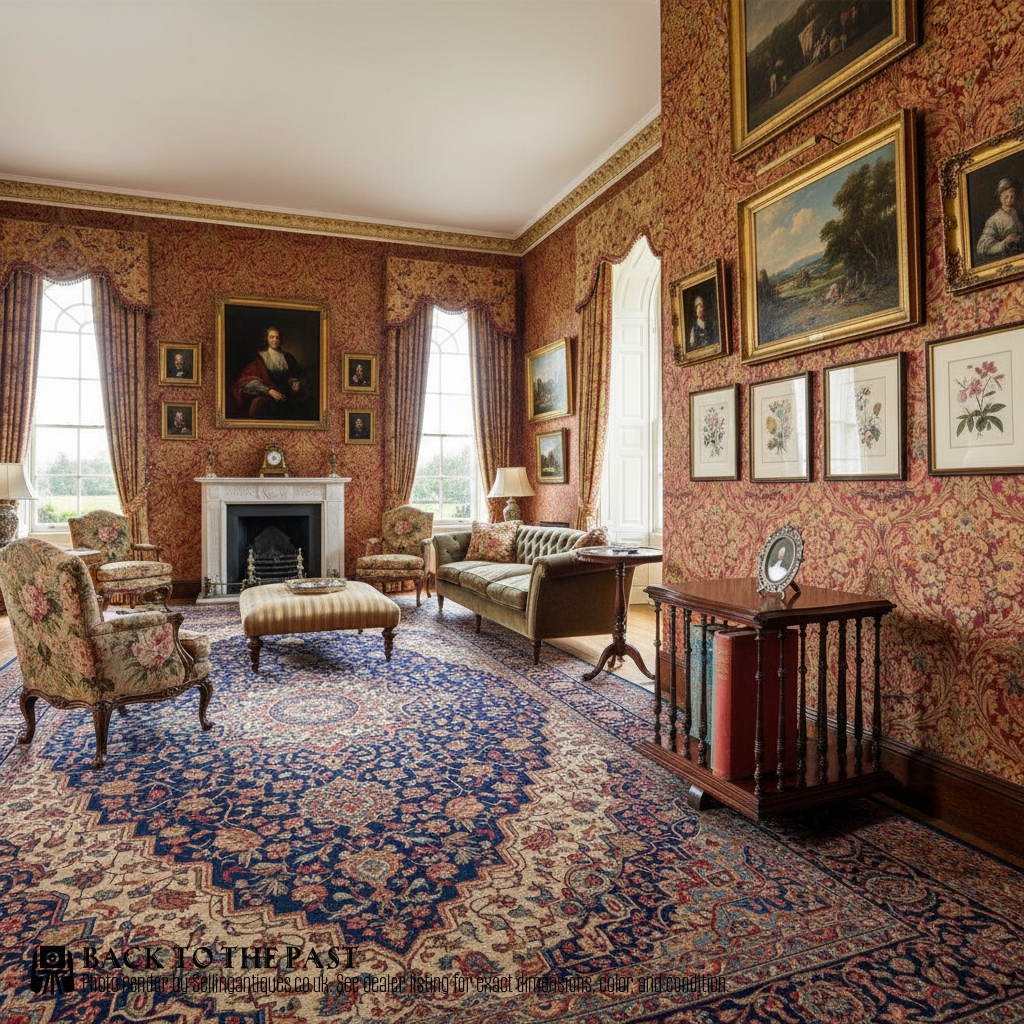
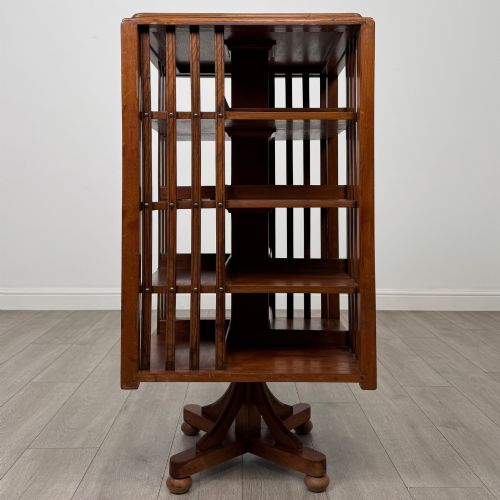
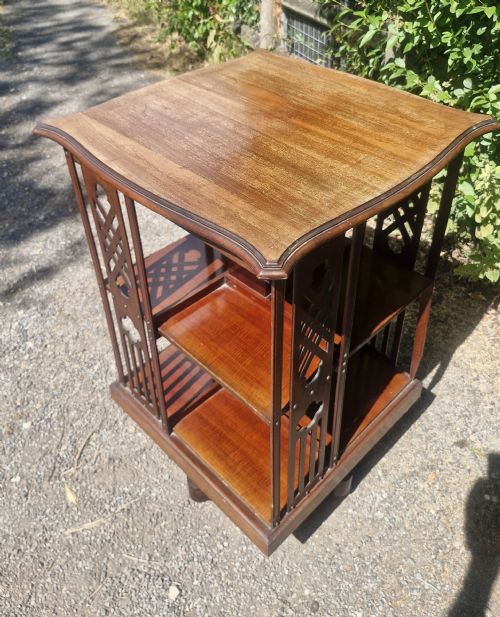
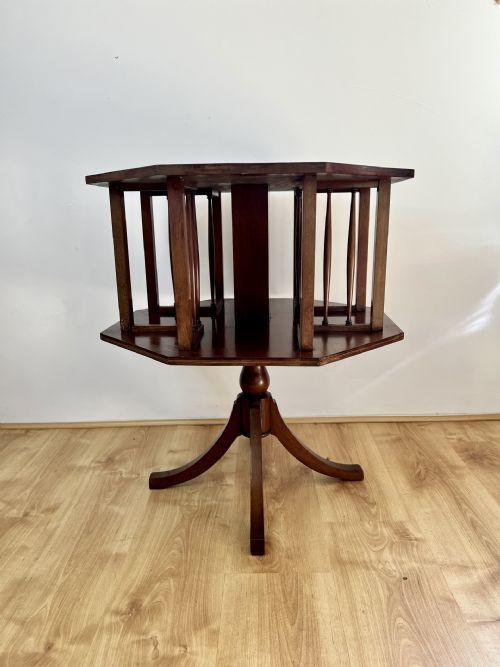
Antique Book Companion, English, Walnut, Rotary Bookstand, Edwardian, Circa 1910, Edwardian
Priced at £975 from London Fine Antiques
Literacy rates grew during the eighteenth century, driving demand for dedicated reading furniture in wealthy households.
Heavy bound folios needed serious support. Antique bookstands took the weight off the reader's lap and freed up their hands.
Monastic scriptoriums used early versions. Later domestic types shrank to fit drawing rooms and personal libraries.
Look at nineteenth-century variations. They often incorporated brass candle branches to help people read after dark.
Gillows of Lancaster produced hundreds of reading stands. Their firm's stamp sometimes appears on the edge of the book rest or the base.
Morgan and Sanders specialised in patent metamorphic furniture in Regency London. They advertised dual-purpose stands that converted into writing tables.
Regional cabinetmakers built most of them. Without a maker's mark or original bill of sale, firm attributions remain tricky.
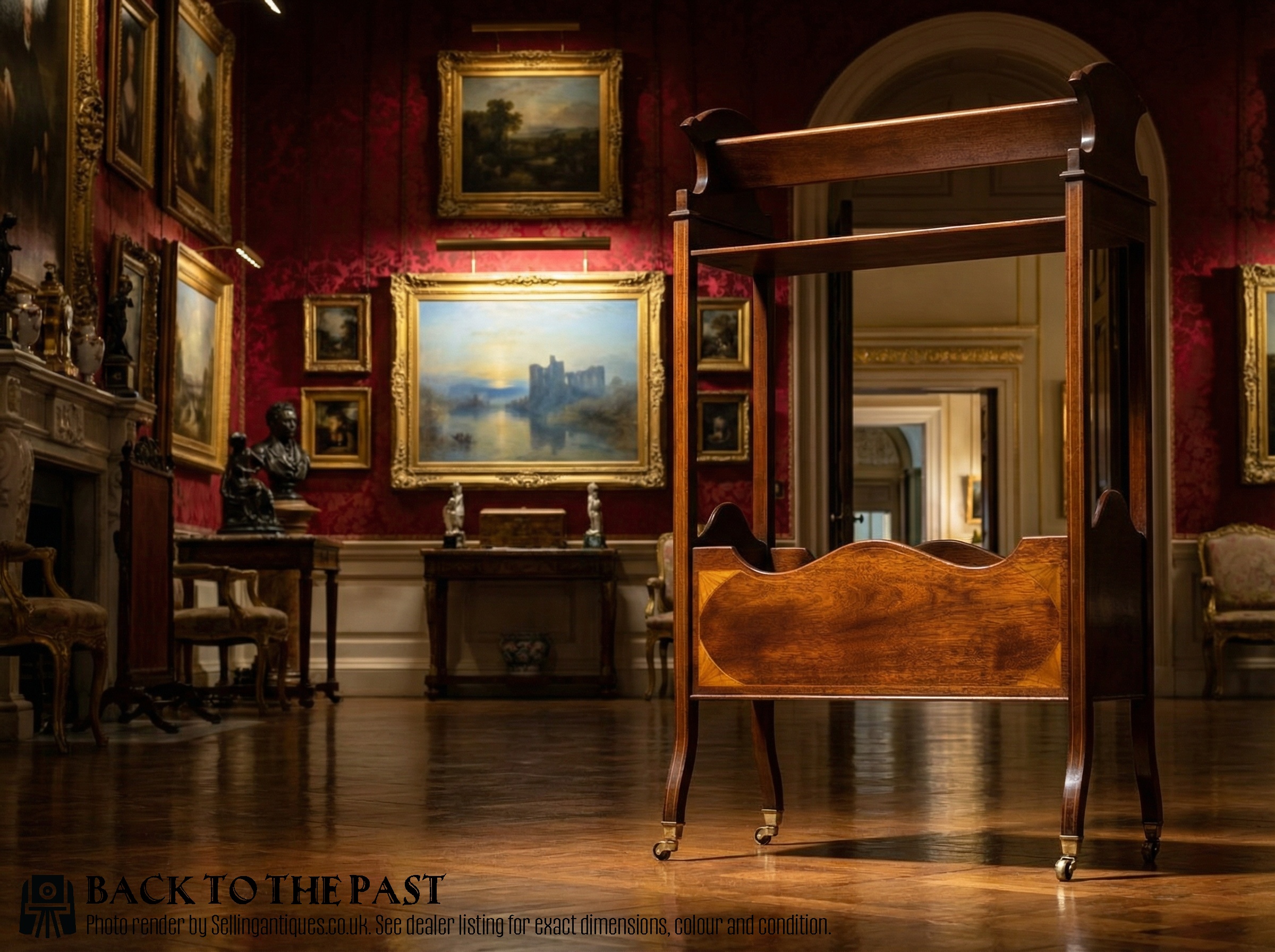
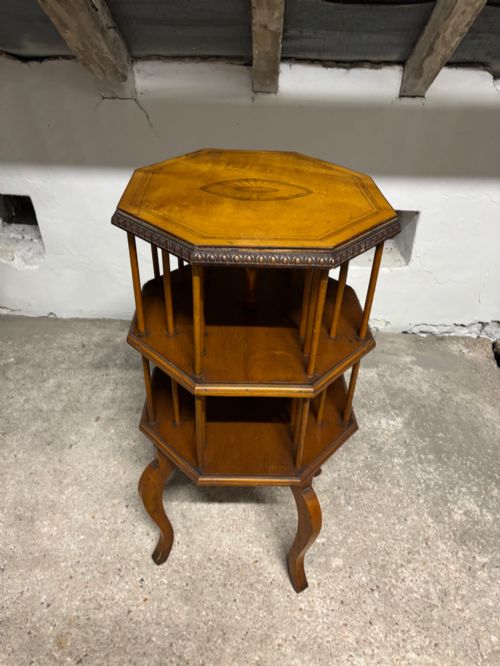
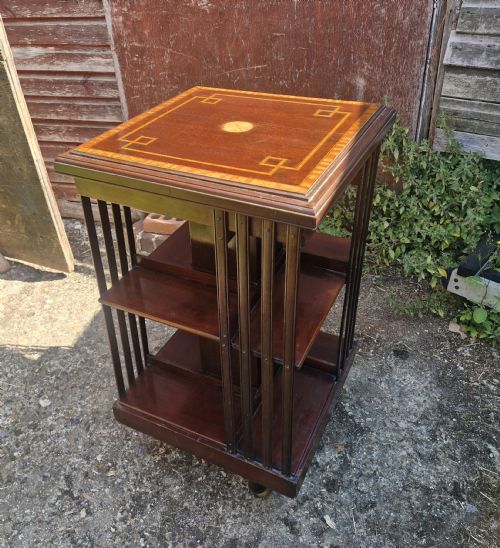
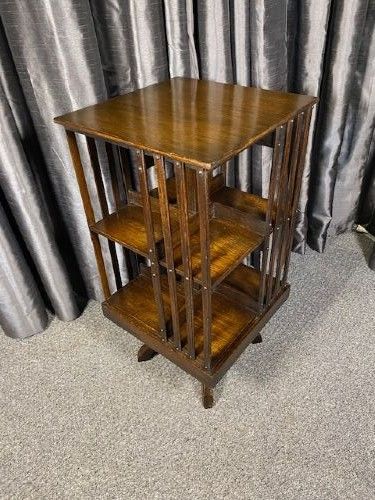
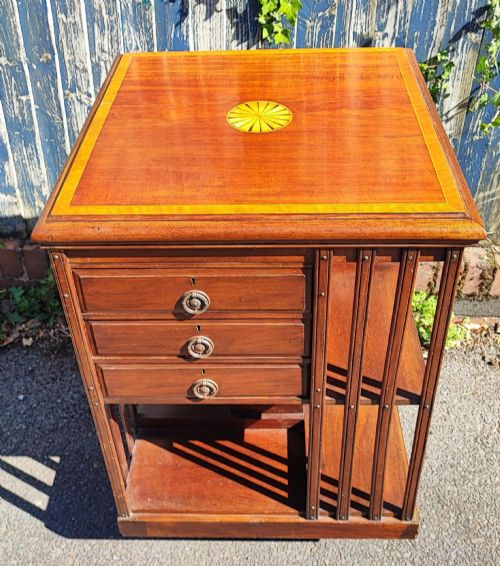
Antique Edwardian Inlaid Mahogany Bookstand Circa 1900, 1900
Priced at £950 from Regent Antiques
The 2026 retail price guide for Antique Bookstands is drawn from a proprietary archive of over 1.1 million retail prices indexed by Sellingantiques since 2003. This guide relies exclusively on their own internal data; no external sources or auction records are used.
Analysing nearly 25 years of UK antique market history alongside current retail values, the data indicates that typical UK retail prices for Antique Bookstands range between £400 and £1,500. Entry-level prices generally fall under £400 and premium examples upwards of £1,500.
Adjustable book rests are standard. Most use a simple ratchet mechanism to alter the reading angle from flat to vertical.
Look for page retainers at the bottom edge. These small folding brackets stop stiff leaves from flipping shut on their own.
Telescopic columns let the reader sit or stand. A wooden peg or brass screw locks the sliding inner shaft in place.
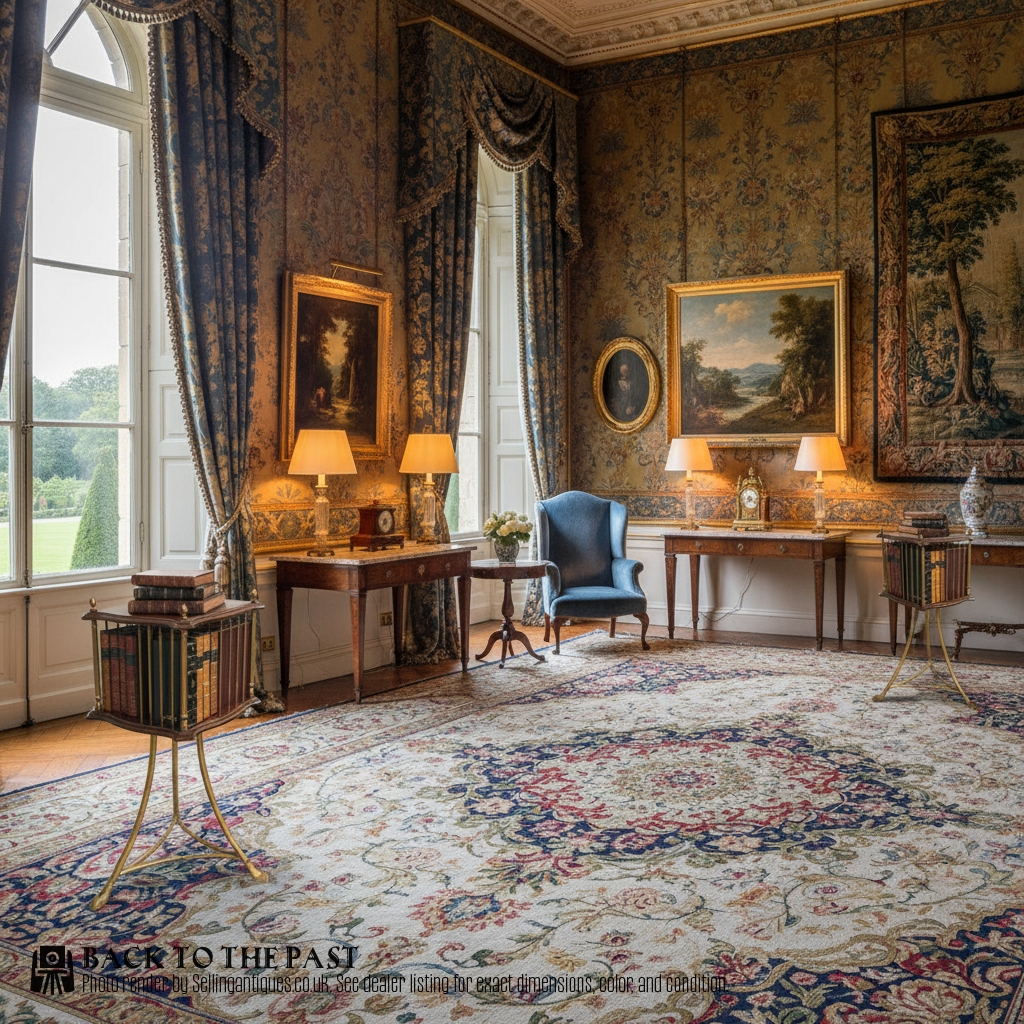
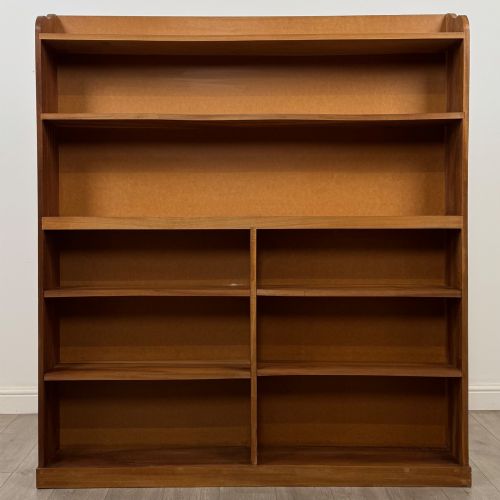
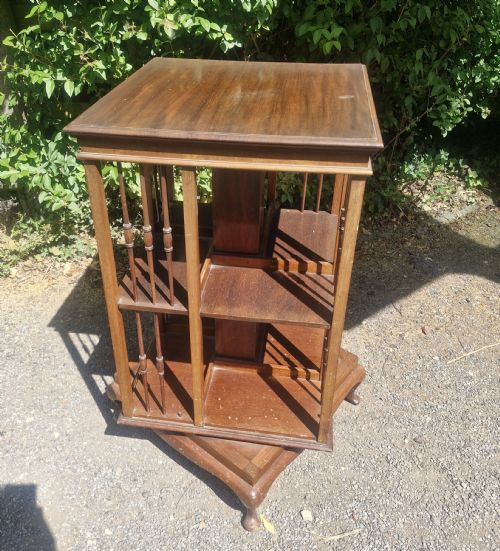
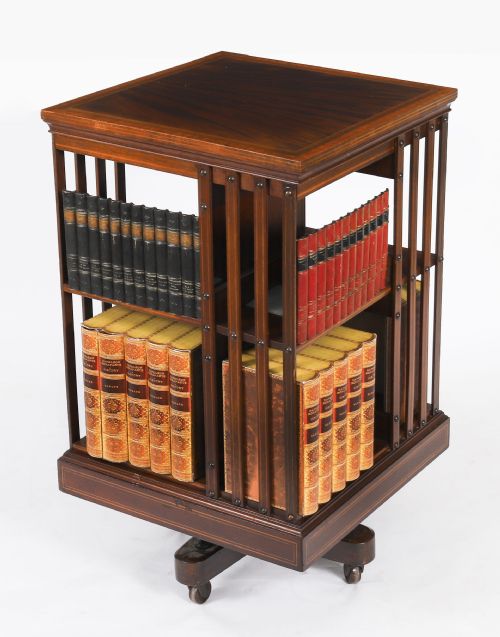
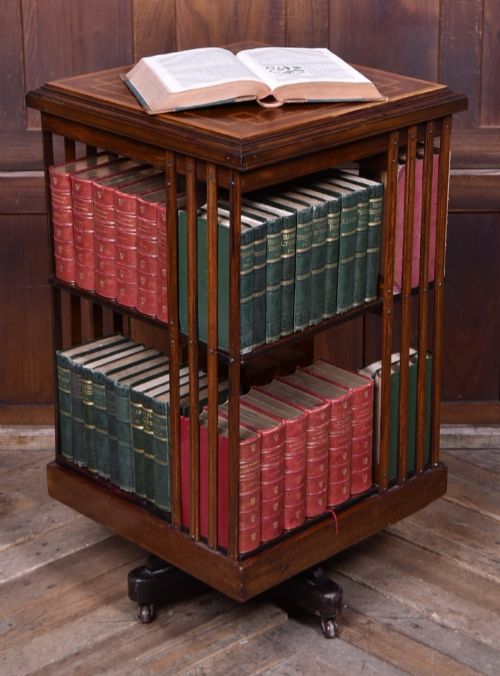
Good Revolving Bookcase, Victorian
Priced at £795 from Fernyhough Antiques Ltd
Hand-cut dovetails join the base sections on earlier pieces. Victorian makers shifted to heavy turned bases assembled with thick wooden dowels.
Notice the edge treatments. Eighteenth-century rests often have a delicate moulded border, while later ones feature heavy carved borders.
Wooden threads demonstrate high craftsmanship. Turning a tight, working screw from solid mahogany required specialist lathe tools and patience.
"Many antique bookstands feature opposing slopes. Two people could sit opposite each other and read different texts simultaneously."
"Some table-top versions fold flat for storage. Travelling scholars packed them into trunks alongside their portable libraries."
"Hidden compartments sit beneath the reading surface on certain models. These shallow spaces kept paper and ink ready for taking notes."
Based on almost 25 years of Sellingantiques UK antique market data, Antique Bookstands appeared 282 times (out of 1,100,000 antiques) which gives it a rarity score of 95/100.
This score measures scarcity within the Sellingantiques archive only and is not a survey of the entire antiques market, so these statistics may not be indicative of the general availability of Antique Bookstands elsewhere.
Most table-top antique bookstands handle laptops easily. The wooden lip at the base stops the device from sliding, just as it did with heavy folio books.
Freestanding stands work well too, provided the ratchet mechanism remains solid. The adjustable height lets people use them as standing desks in home offices.
Wood swells and shrinks with seasonal humidity changes. If the hinge joints are entirely wooden, they will naturally tighten during damp winter months.
Rubbing a simple block of paraffin wax along the moving wooden parts helps lubricate the friction points. Do not use liquid oils, as these soak into the old timber and can damage the historical finish.
Those rings originally held candle sconces. Reading after dark required direct light, and fixing candles to the stand meant the light moved alongside the book.
The metal arms slotted into the sockets. Many of these detachable sconces became separated from their stands over the centuries and are now lost.
The locking mechanism likely needs attention. Most central columns rely on a threaded wooden peg or a brass thumbscrew passing through the outer collar to press against the inner shaft.
Over decades of use, the tip of this wooden screw wears flat. It loses the friction required to grip the inner column under load. A cabinetmaker can easily fit a small matching timber extension to the peg to restore its grip.
Please note: This Antique Bookstands guide and its associated pricing data are provided for general informational purposes only. It does not constitute formal financial, investment, or appraisal advice and should not be relied upon as the sole basis for any commercial activity, purchasing, or sales decisions. Sellingantiques.co.uk accepts no liability for any actions taken in reliance on this information. Always consult with a qualified professional or independent appraiser.
