
A 2026 Guide by Sellingantiques
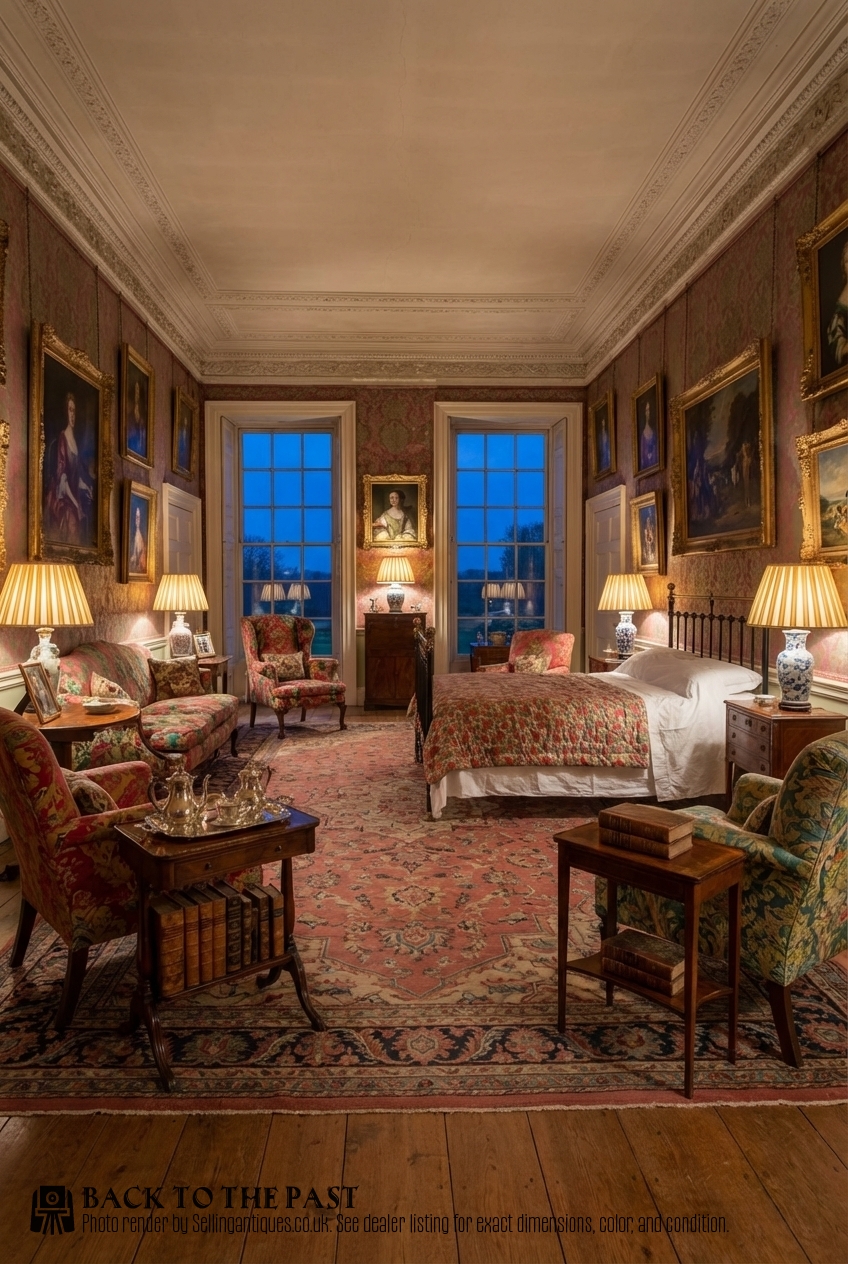
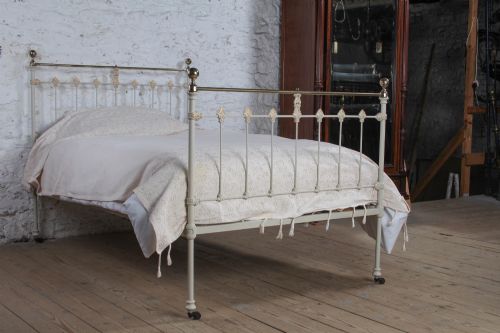
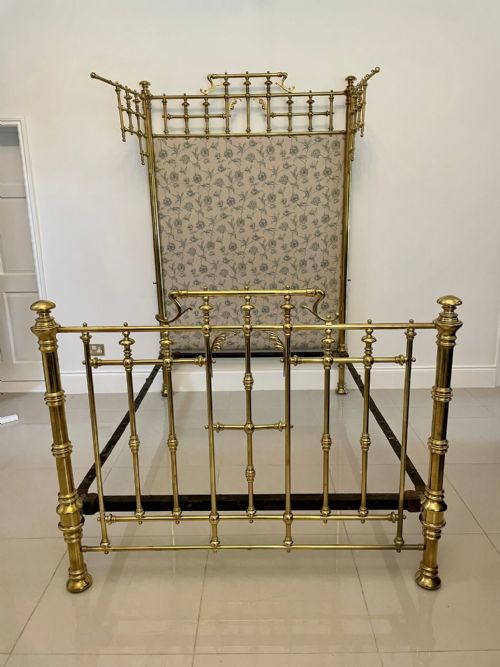
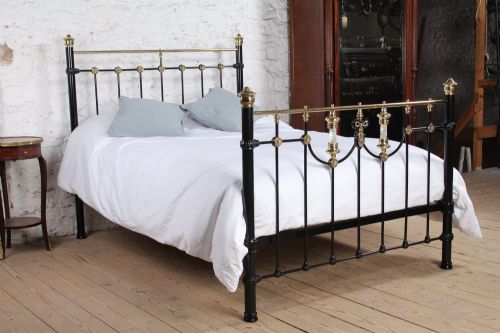
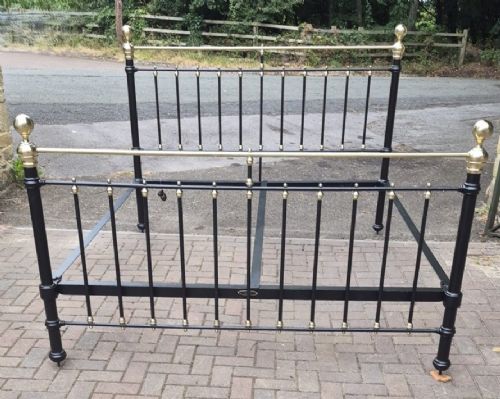
Attractive All Original Black and Brass Double Victorian Bed, 1890
Priced at £1,320 from Bedsteads
Sleeping arrangements used to be communal before dedicated private bedrooms became the norm.
Look at sixteenth-century antique bedsteads. Wealthy households draped them heavily in heavy textiles to keep warmth in and pests out.
Brass and iron versions arrived in force during the Victorian period.
Mass production methods allowed foundries to cast elaborate joints for metal frames quickly.
Wooden frames often got dismantled and stored when owners travelled between different estates.
Most antique bedsteads carry no maker mark. Regional joiners handled the timber frames for local clients.
Look for stamps from Hoskins & Sewell on late nineteenth-century brass and iron beds. They supplied massive numbers of standard frames.
Heal & Son operated in London and produced well-constructed wooden beds through the late nineteenth and early twentieth centuries.

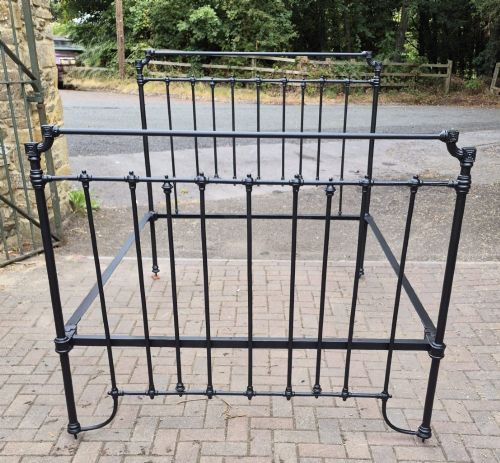
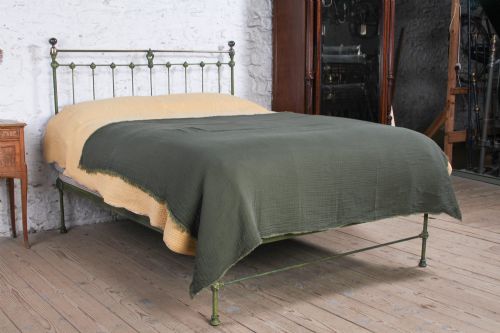
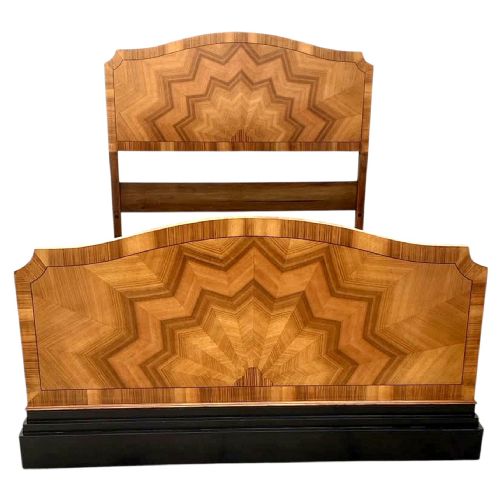
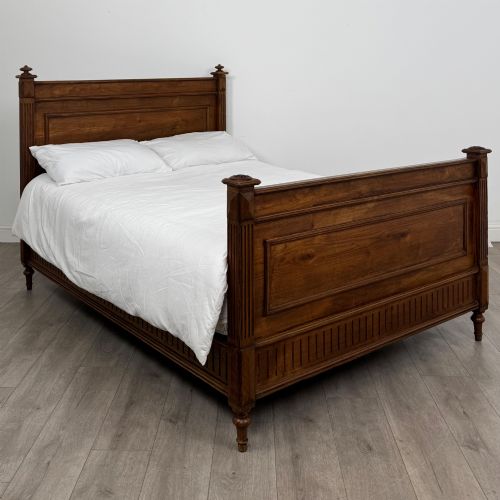
English King Size Bed, 1910
Priced at £995 from Youlls Antiques
The 2026 retail price guide for Antique Bedsteads is drawn from a proprietary archive of over 1.1 million retail prices indexed by Sellingantiques since 2003. This guide relies exclusively on their own internal data; no external sources or auction records are used.
Analysing nearly 25 years of UK antique market history alongside current retail values, the data indicates that typical UK retail prices for Antique Bedsteads range between £1,100 and £3,300. Entry-level prices generally fall under £1,100 and premium examples upwards of £3,300.
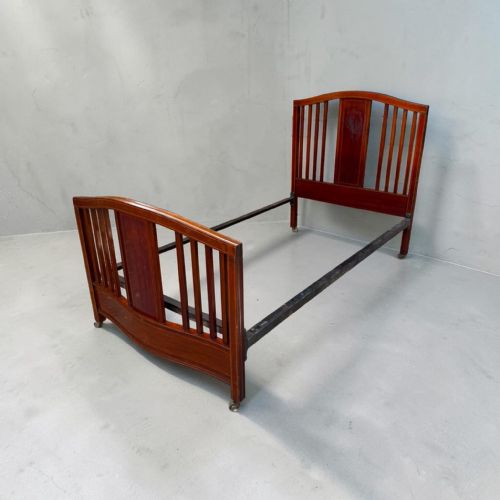
Four tall posts often anchor the corners on earlier wooden beds.
Headboards provide a solid barrier against the wall. Sometimes they feature intricate panels or deep buttoned upholstery.
Side rails hold the whole structure together. Traditional timber frames use heavy wooden dowels or iron bed bolts here.
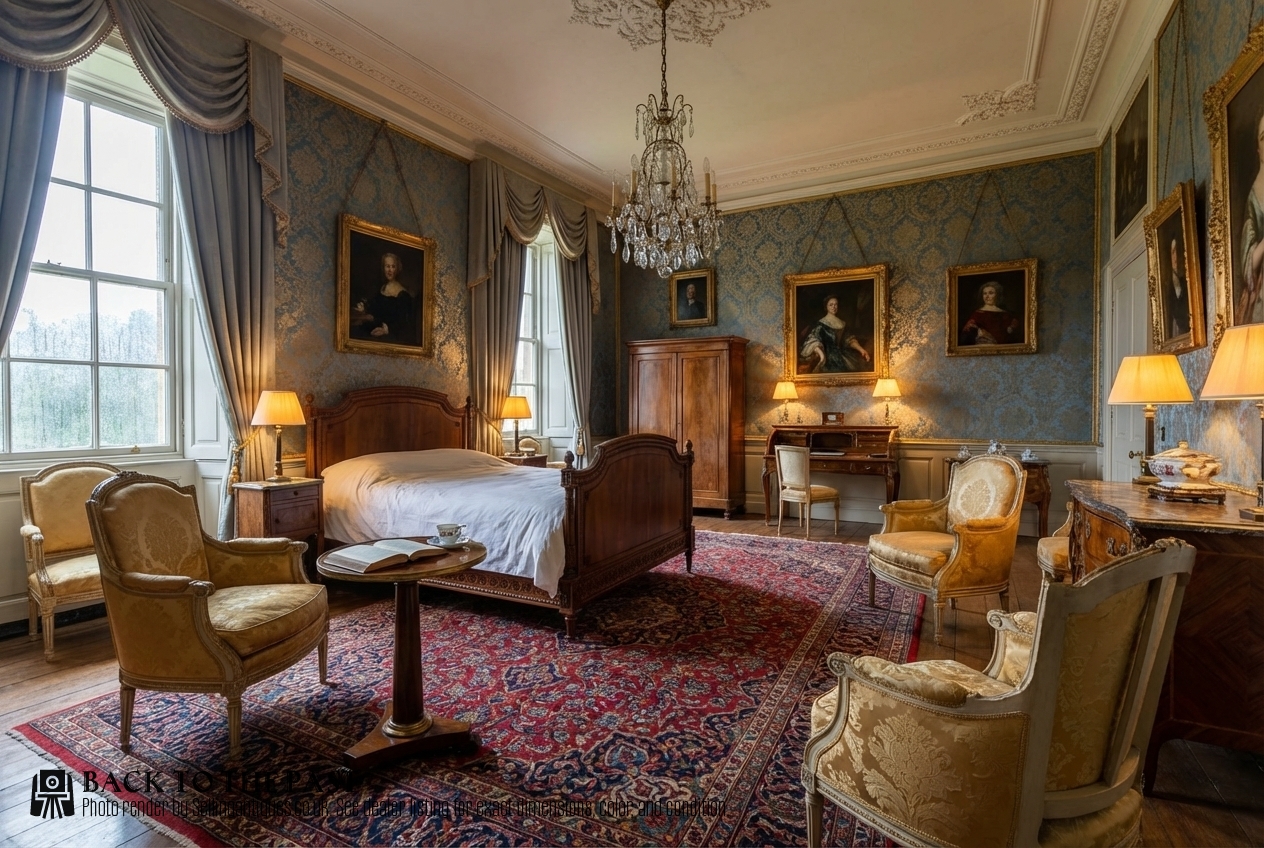
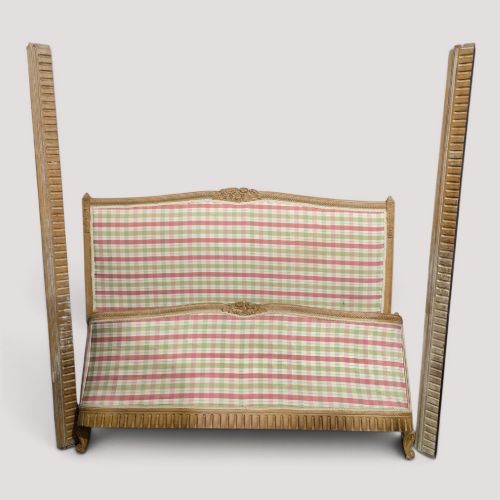
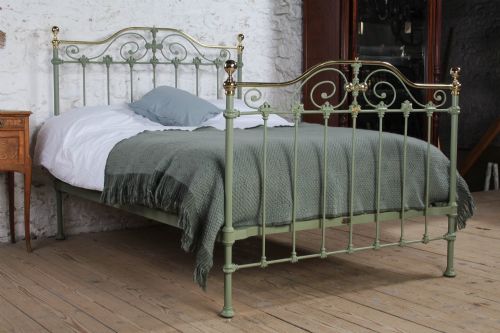
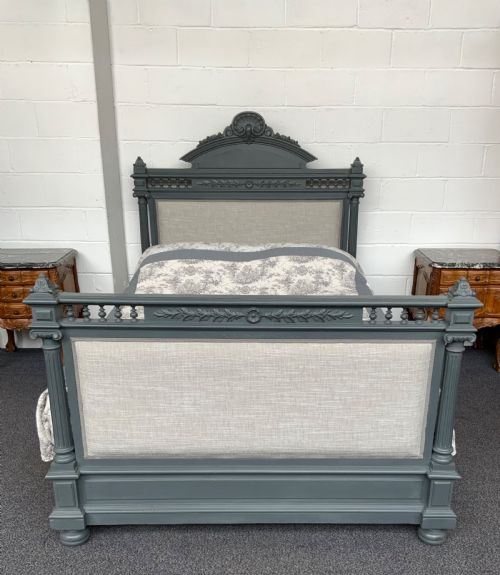
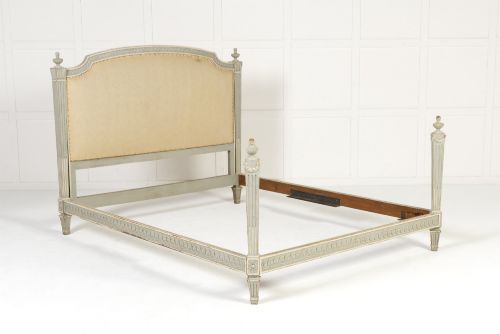
Attractive King Size Walnut Louis Xvi Style Bed, 1890
Priced at £2,200 from Bedsteads
Early wooden bedsteads relied on mortise and tenon joints pegged with wooden dowels.
Victorian metal foundries poured molten iron directly into moulds around the junction of brass tubes. This locked the rails permanently in place.
Later wooden frames adopted threaded iron bed bolts. You tighten them with a specialist wrench to pull the joints rigid.
"Many tester beds break down into dozens of individual pieces for easy transport up narrow winding staircases."
"Those little ceramic casters on heavy iron beds still roll smoothly across wooden floors today."
"Some headboards feature hidden compartments originally designed for storing pocket watches or reading spectacles overnight."
Based on almost 25 years of Sellingantiques UK antique market data, Antique Bedsteads appeared 1604 times (out of 1,100,000 antiques) which gives it a rarity score of 73/100.
This score measures scarcity within the Sellingantiques archive only and is not a survey of the entire antiques market, so these statistics may not be indicative of the general availability of Antique Bedsteads elsewhere.
You can have a custom mattress made to fit any antique frame. Many specialist companies manufacture pocket sprung mattresses to exact dimensions.
Alternatively, some wooden side rails can be extended. A restorer can lengthen the timber to accommodate a modern standard mattress.
Most standard nineteenth-century beds are shorter than modern equivalents. People often slept slightly propped up on pillows.
Metal frames are fixed in length. If you need more legroom, look for frames without a high footboard. A low footboard lets your feet hang over the edge.
Wooden frames offer more flexibility. Many dealers routinely lengthen the side rails on standard double beds before selling them.
They usually rely on a simple taper joint. The side rails have a wedge-shaped cast iron end that drops into a matching bracket on the headboard and footboard.
Gravity holds the frame rigid. You just tap the joints together with a rubber mallet.
You need a bed wrench. These have a square hole that fits over the square head of a traditional bed bolt.
Replacements are easy to find online. Measure the width of the square bolt head first. Most bolts from the nineteenth century take a half-inch or five-eighths wrench.
A standard adjustable spanner will work in an emergency.
Please note: This Antique Bedsteads guide and its associated pricing data are provided for general informational purposes only. It does not constitute formal financial, investment, or appraisal advice and should not be relied upon as the sole basis for any commercial activity, purchasing, or sales decisions. Sellingantiques.co.uk accepts no liability for any actions taken in reliance on this information. Always consult with a qualified professional or independent appraiser.
