

A 2026 Guide by Sellingantiques
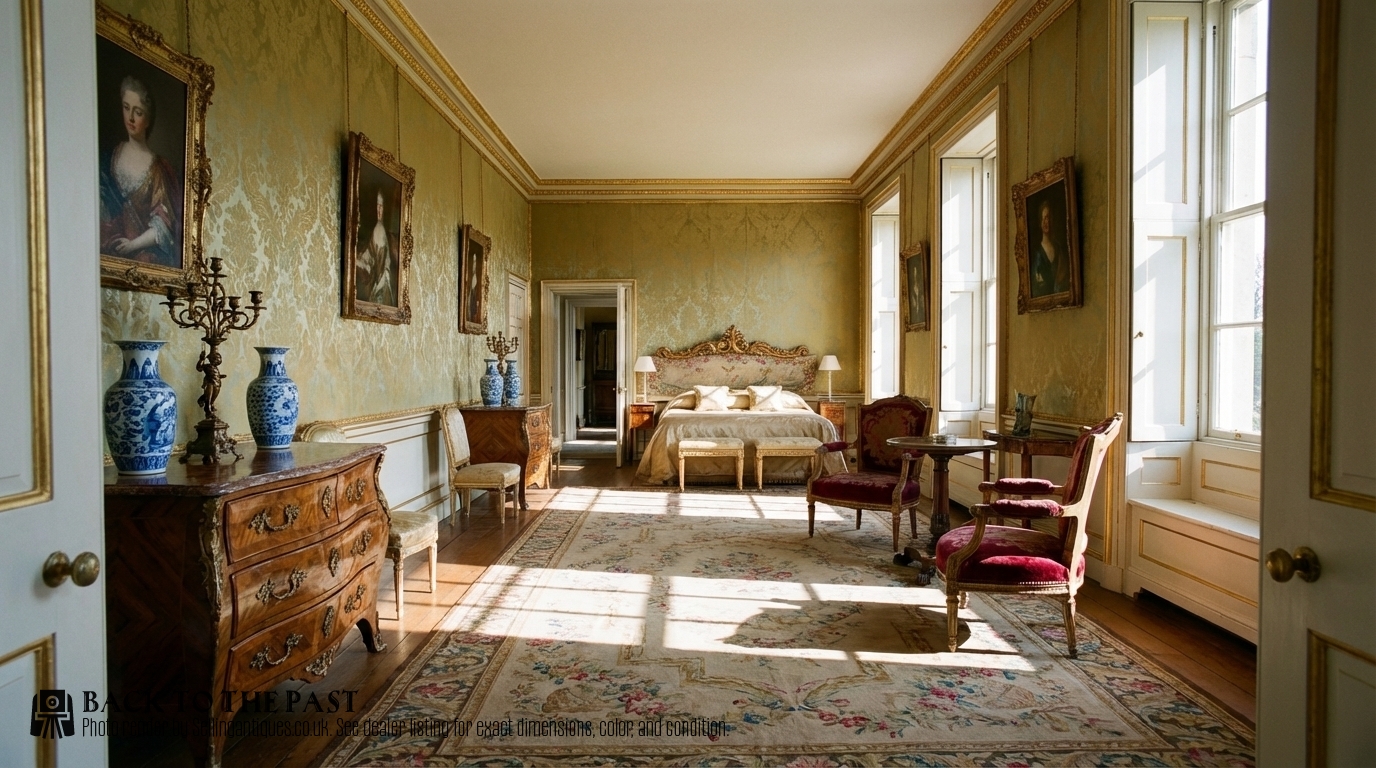
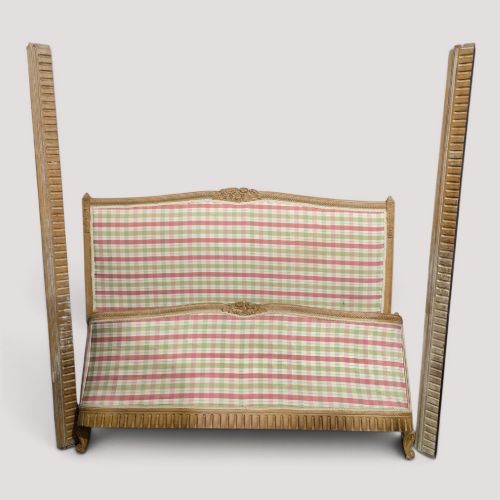
Very Large Venetian Headboard in Tapestry and Gilt, 1920
Priced at £1,550 from Youlls Antiques
Look at early examples to see how they evolved from simple wall panelling.
Many early sleepers just rested against the cold stone walls of the house.
Wealthy households started installing tall wooden boards to block winter draughts from hitting the back of the neck.
Upholstered versions became popular during the seventeenth century as comfort slowly replaced sheer utility.
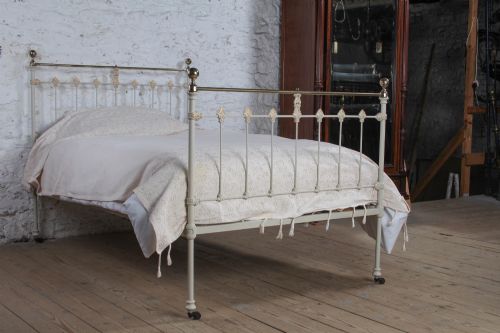
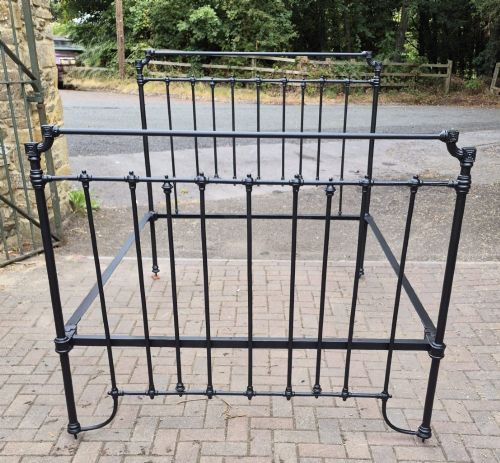
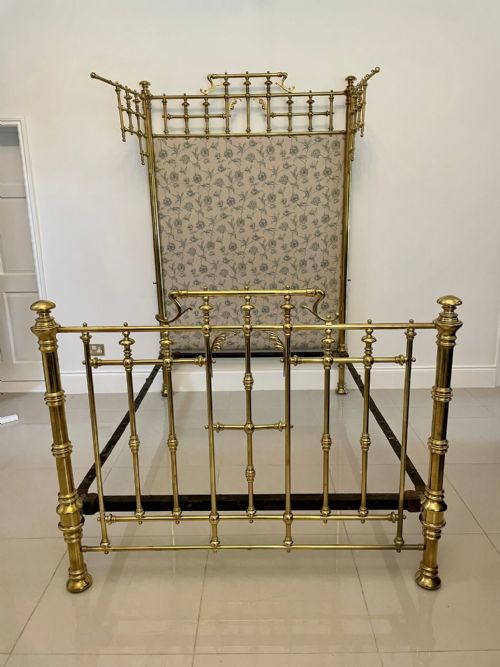
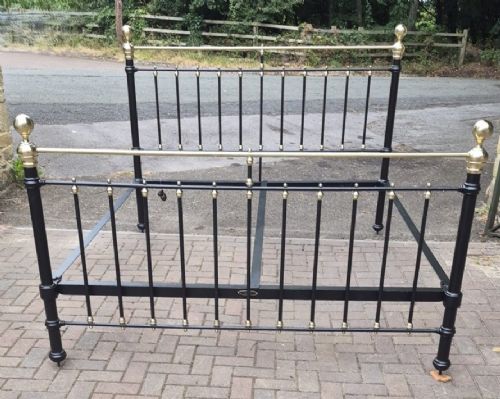
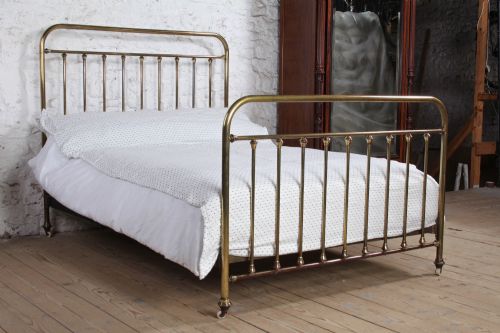
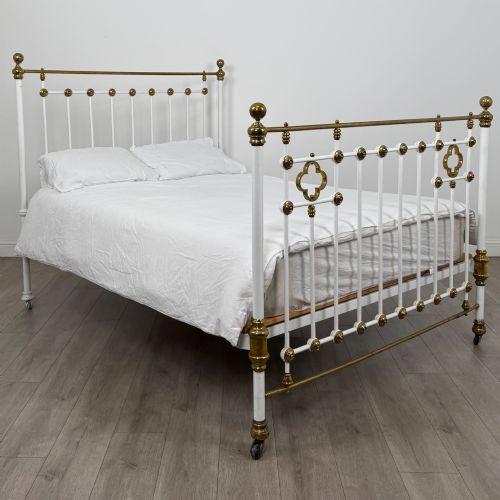
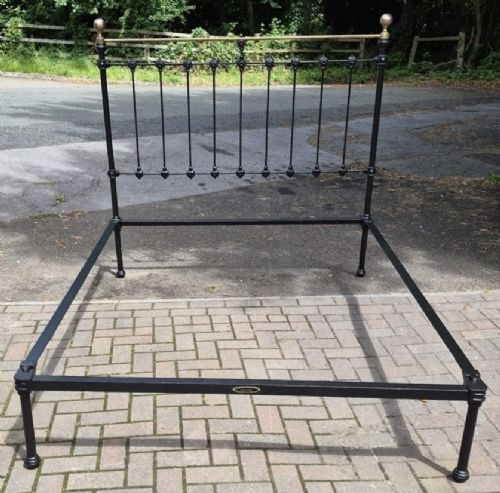
By the Victorian era, the antique headboards we see today were mass-produced in iron and brass for sanitary reasons.
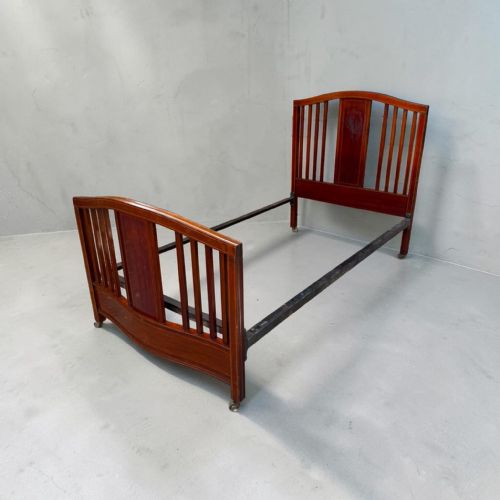
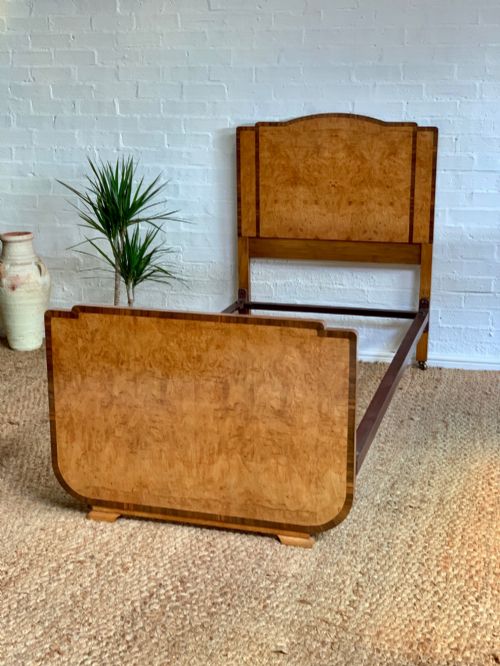
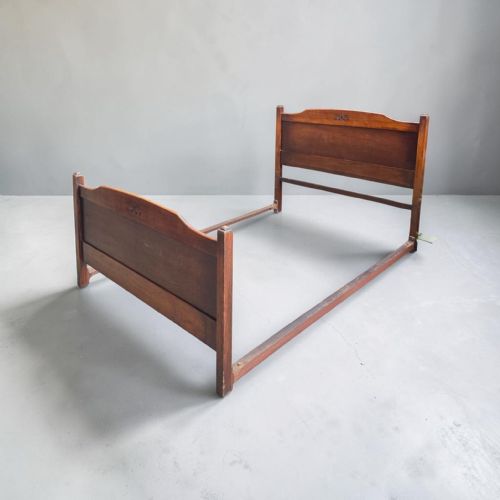
Heals of London produced simple oak and ash headboards during the late nineteenth and early twentieth centuries.
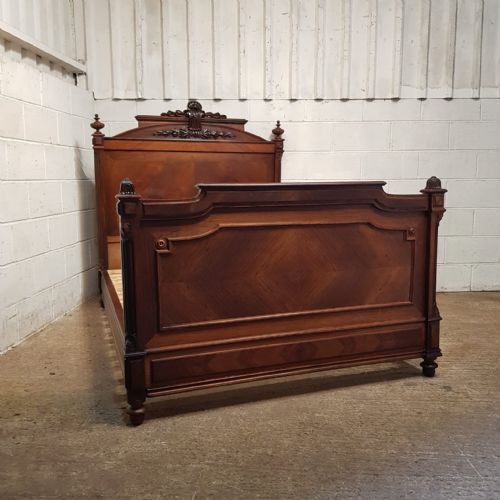
Maple and Co operated widely in the late Victorian period, turning out massive carved mahogany suites.
Regional foundries cast most of the metal frames, often leaving them unmarked.
The 2026 retail price guide for Antique Headboards is drawn from a proprietary archive of over 1.1 million retail prices indexed by Sellingantiques since 2003. This guide relies exclusively on their own internal data; no external sources or auction records are used.
Analysing nearly 25 years of UK antique market history alongside current retail values, the data indicates that typical UK retail prices for Antique Headboards range between £900 and £3,800. Entry-level prices generally fall under £900 and premium examples upwards of £3,800.
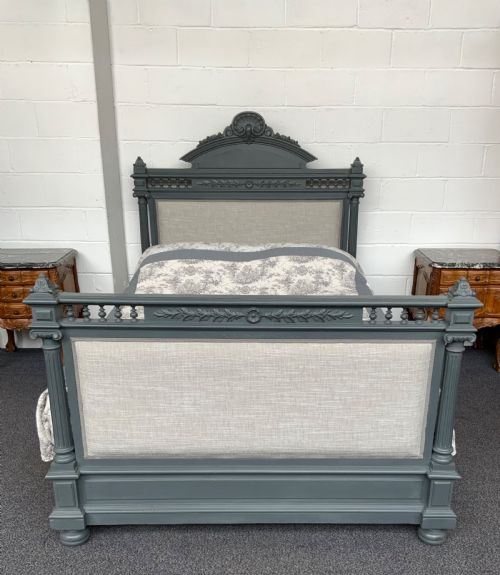
Carved crestings frequently sit at the very top of wooden examples.
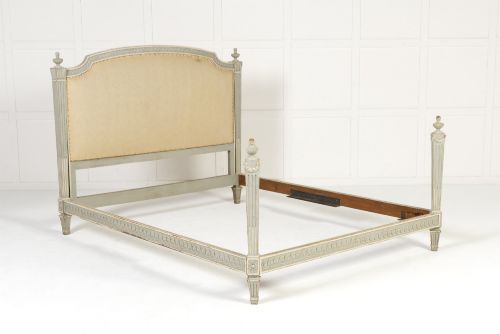
Notice the slots or brackets cut into the lower legs to accept the side rails of the bed frame.
Deep buttoning features on padded styles to keep the horsehair stuffing from shifting downwards over time.
Early panelled oak versions rely on pegged mortise and tenon joints to allow the wood to shrink without splitting.
Turn the frame around to see how later upholstered boards use cheap pine frames nailed together out of sight.
Steam bending allowed makers to form curved wooden top rails from a single solid piece of ash or beech.
"They adapt easily to modern bed bases with just a few simple metal brackets."
"Many solid timber frames dismantle into flat components using basic iron bed bolts."
"A freestanding antique headboard can act as an effective room divider in a large open space."
Based on almost 25 years of Sellingantiques UK antique market data, Antique Headboards appeared 746 times (out of 1,100,000 antiques) which gives it a rarity score of 86/100.
This score measures scarcity within the Sellingantiques archive only and is not a survey of the entire antiques market, so these statistics may not be indicative of the general availability of Antique Headboards elsewhere.
Most single and double antique boards have vertical legs extending down to the floor. You just stand them against the wall and push the modern bed base up against them.
If the frame feels loose, you can screw simple wooden battens or metal plates to the uprights and bolt them directly to your modern divan.
It is best to proceed with caution on older painted metal. Much of the original paint used on Victorian ironwork contains lead.
Dry sanding throws this toxic dust into the air. If you want to strip it back to bare metal, use a chemical paint stripper and work outside.
Many buyers prefer to just seal the flaky surface with a clear wax to retain the aged look.
Standard sizes have changed over the last century. An old double is often slightly narrower than a modern equivalent.
You can usually pair a period headboard with a smaller modern mattress without any issues.
This usually happens because the lower legs have shrunk or the original brackets are gone.
You can easily fix this by attaching a thick piece of felt to the top back edge of the cresting rail. This cushions the impact against your plasterwork.
Alternatively, securing the legs firmly to the wall with small brass mirror plates will stop the movement altogether.
Please note: This Antique Headboards guide and its associated pricing data are provided for general informational purposes only. It does not constitute formal financial, investment, or appraisal advice and should not be relied upon as the sole basis for any commercial activity, purchasing, or sales decisions. Sellingantiques.co.uk accepts no liability for any actions taken in reliance on this information. Always consult with a qualified professional or independent appraiser.
