
Antique Headboards
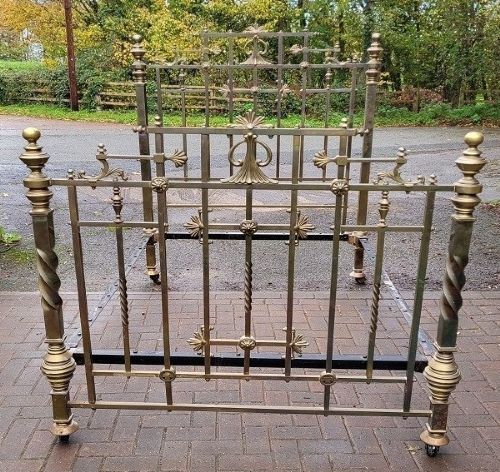
A headboard is the head-end of a bed, made tall and decorative because it is the part seen from the room and the part a sitter leans against.
Antique Headboards
Two things sit under this heading, and one dominates. Complete or near-complete bedsteads sold with the head as their selling point make up the bulk: "bed" appears in 203 of 331 titles, "bedstead" in 52. Heads sold on their own are the smaller group, wall-mounted or fixed to a divan base.
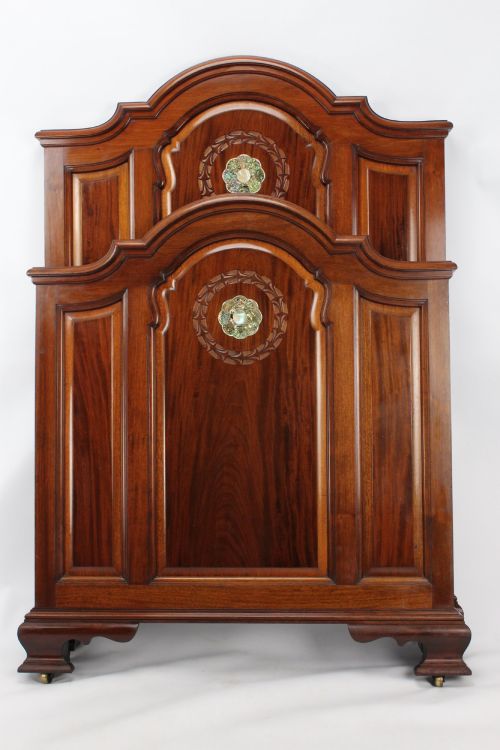
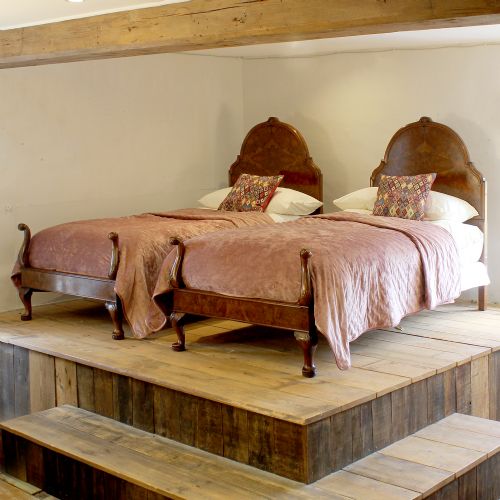
Standalone heads are largely a later habit. Modern mattress and divan sizes made whole antique frames harder to use, while the head-end stayed wanted. In the sampled titles those heads cluster at the lower end of the range: pairs of single bed headboards, Art Deco walnut doubles, French upholstered heads.
Size is stated more often than style. "Size" appears in 109 titles, "king" in 99 and "king size" in 85, "double" in 88 and "single" in 52, against 58 for Victorian and 52 for Art Deco. What that figure means against a modern mattress is not something the titles settle.
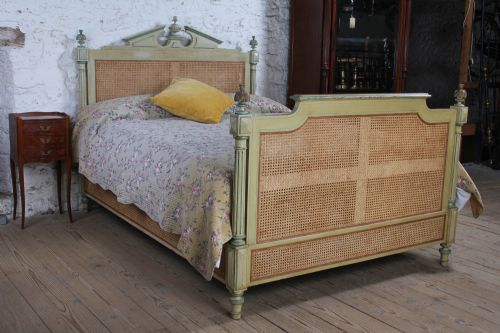
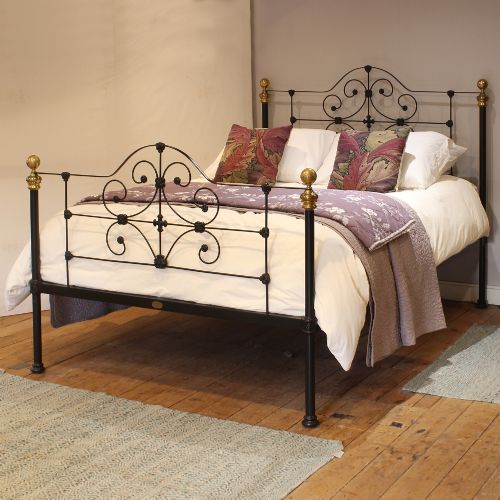
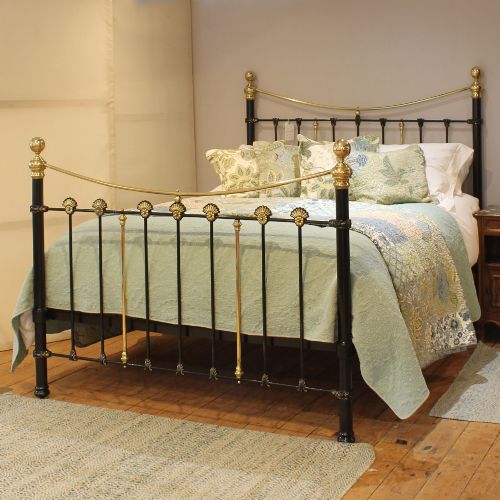
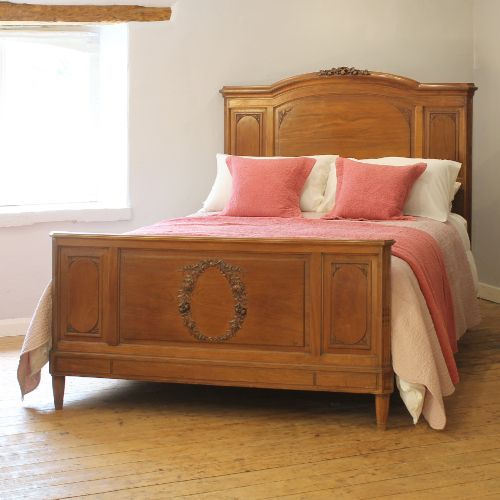
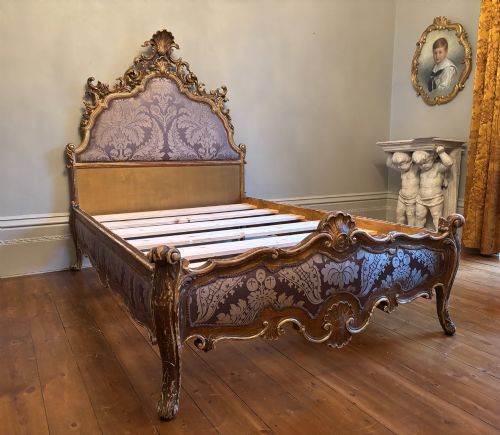
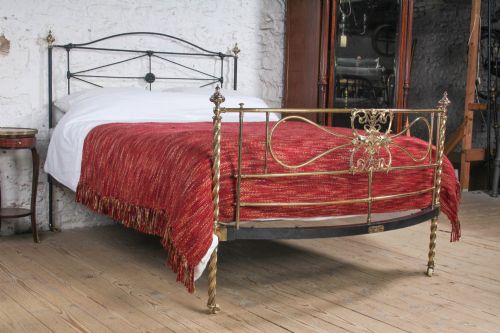
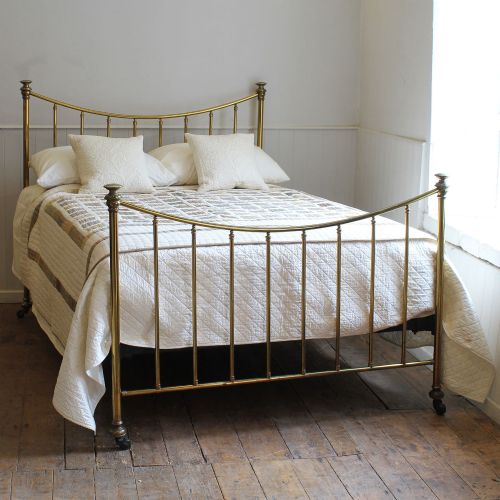
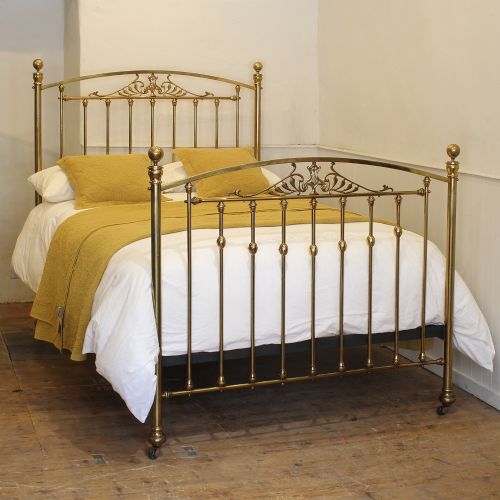
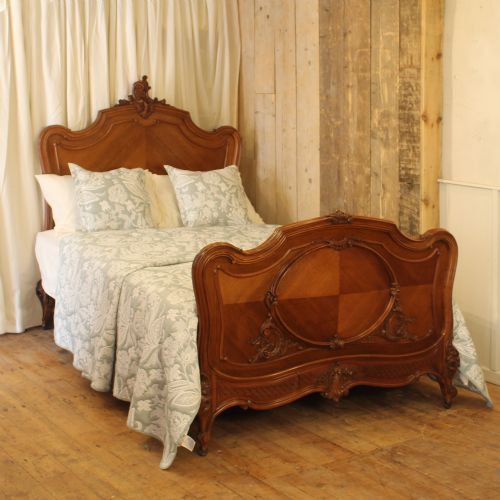
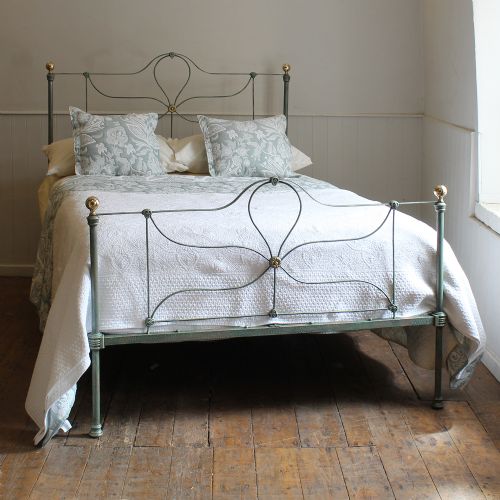
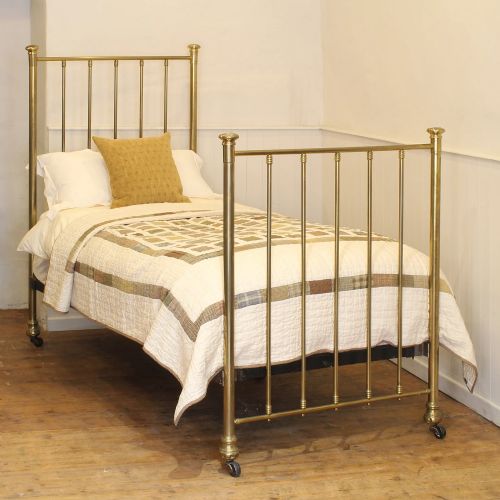
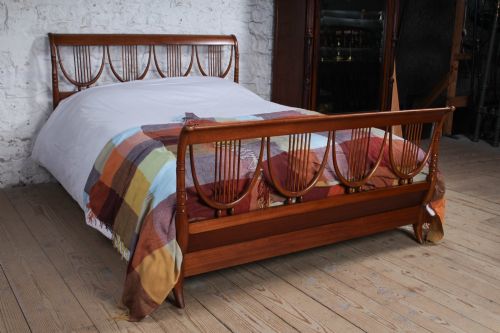
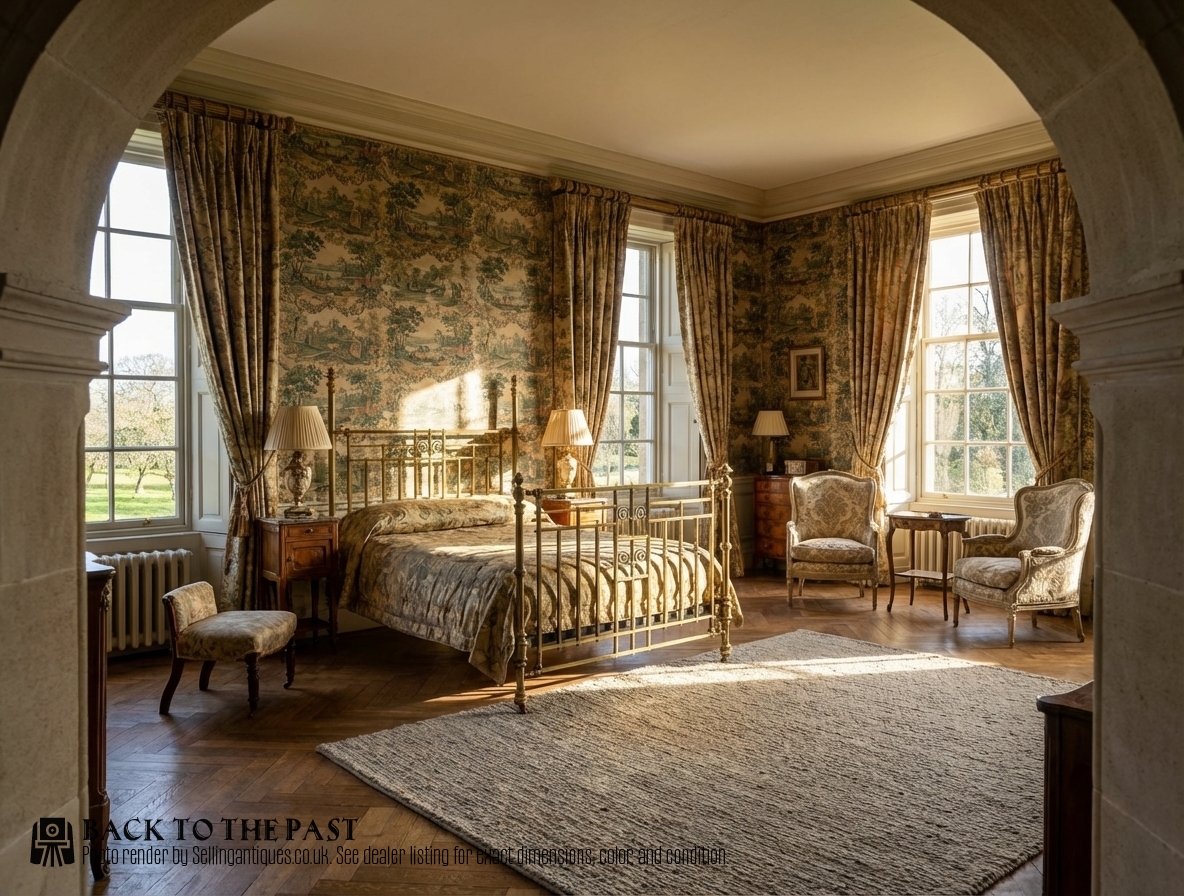
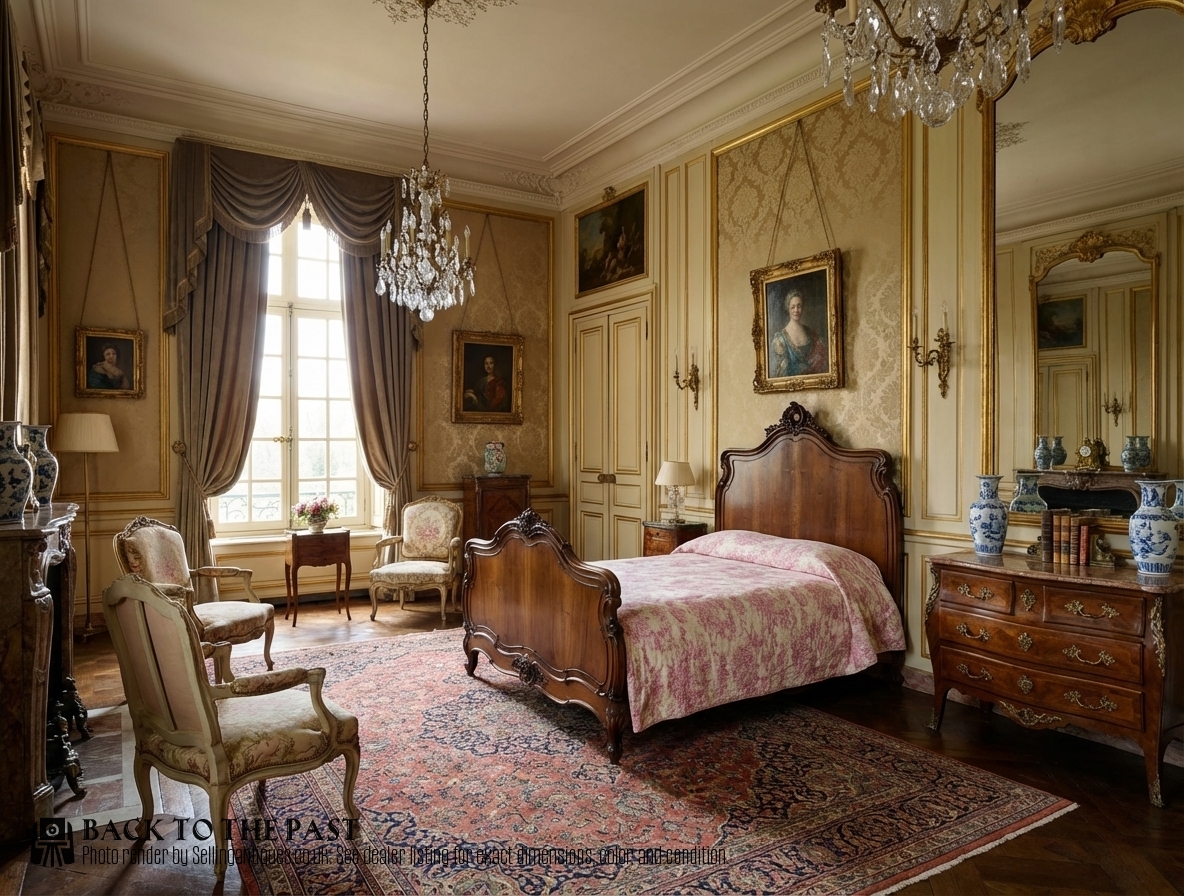
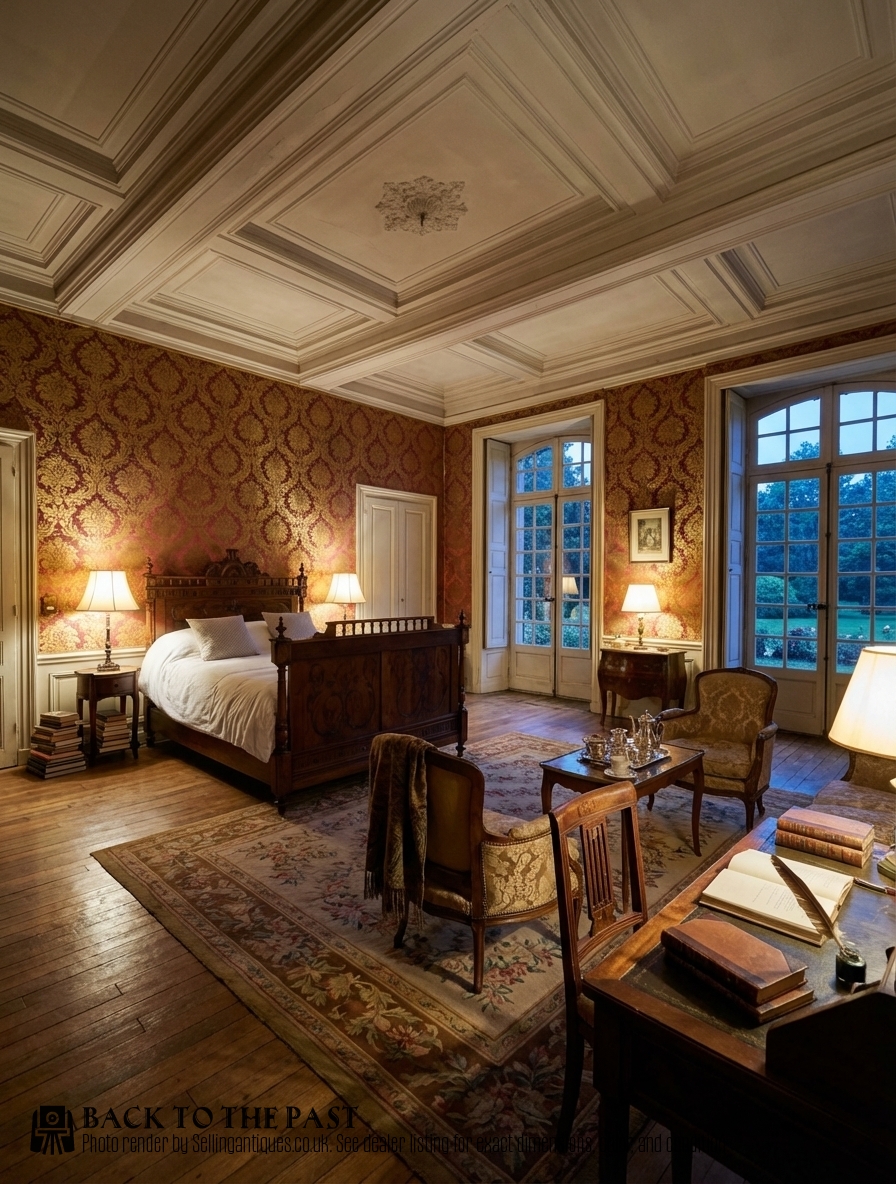
Five branches carry the category. French frames, painted, parcel-gilt or upholstered, run to 75 titles. Brass and brass-and-iron bedsteads take about a fifth. Art Deco walnut and blonde-wood heads, some with cabinets built into them, take about a sixth. Pairs of joinable singles are an eighth. Panelled and carved mahogany and oak, Victorian to Edwardian, make up a sizeable minority. The dated field runs 1800 to 1940 and leans to the twentieth century, with the 1930s the fullest decade.
Where The Range Splits
Completeness does most of the work. Full bedsteads and four-posters sit at the top of the sampled range, while heads on their own sit low. A matched group climbs too: heads with attached or ensuite bedside cabinets, marble-top nightstands, or a pair of singles stated as joinable into one wide bed.
Then size. King, super king, emperor, 7ft and 11ft wide pieces cluster high; singles and 3ft frames sit at the bottom. Surface does the rest. Carving, paint, gilding and figured veneer all lift a piece, and parquetry, ormolu mounts, tole ware and tapestry all turn up in the upper reaches.
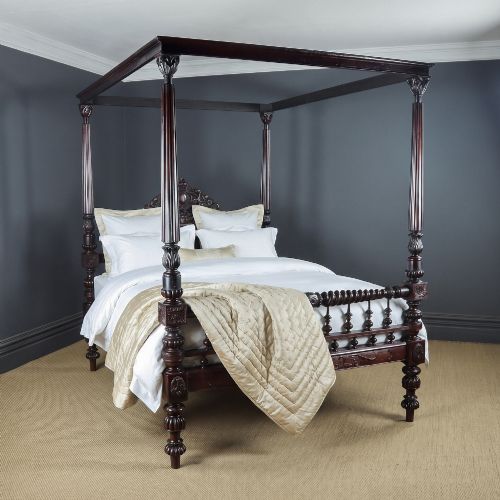
At the very top are the early oak canopy forms. Five listings are filed as 17th Century, with English oak four-poster and tester beds cited between c1600 and c1696, and they are the highest-placed pieces in the archive. There are only five, so this is the exception rather than a branch of the category.
Antique Headboards Retail Price Guide 2026
Typical UK retail prices for headboards, calculated from the Sellingantiques database of over a million retail prices indexed since 2003. This retail price guide relies exclusively on Sellingantiques data; no external sources or auction records are used, so the figures do not describe the wider market.
French is the origin named most often in headboard titles on Sellingantiques, with English behind it and everything else a long tail.
The Antique Headboards Glossary
- Bedstead
- The complete frame, head, foot and side rails, as against a head alone. Fifty-two titles use the word.
- Headboard, or bedhead
- The head-end on its own, wall-mounted or fixed to a divan base. The plural appears in ten titles.
- No end
- A bed with a head but no foot-end, a recurring note in the brass and iron listings.
- Half tester
- A canopy projecting over the head only, rather than the full four-post frame. "Four poster" itself appears in nine titles.
- Odeon
- Trade shorthand in these listings for the stepped, cinema-front Art Deco profile. Sunburst, cloud and fan name other Deco head shapes.
- Parcel gilt
- Gilding applied to part of a painted surface only, which recurs through the French painted group.
Antique Headboards: Frequently Asked Questions
Are most listings whole beds or just the head?
Whole beds, mostly. "Bed" appears in 203 of the 331 titles and "bedstead" in 52, so the category is dominated by complete or near-complete frames described by size and timber.
Heads sold on their own are the minority form. Where they appear, they tend to be pairs of singles, Art Deco walnut doubles or French upholstered panels.
What sizes turn up?
King and king size lead, at 99 and 85 titles. Double appears in 88, single in 52, and super king in 11. The largest widths recorded include an 11ft satinwood bed head, a 7ft brass bed and several emperor frames.
The titles give a figure and nothing more. Whether a stated king size or 5ft matches a modern mattress isn't something the listings establish.
Which periods are represented?
The dated field runs 1800 to 1940, with 190 listings carrying a clean year. The weight is twentieth century: 52 pieces from the 1930s, 39 from the 1920s, 38 from the 1900s.
Older entries are often broad rather than precise. Victorian, 19th Century and Edwardian together account for 74 listings and pin nothing closer than a reign. Five listings are filed as 17th Century.
Why do pairs of singles come up so often?
Forty-four titles say "pair" and 20 say "single beds", so pairs are a real habit of the category. Several state the two can be joined into one wide bed.
Matching is mentioned in ten titles. Pairs also show up as heads alone, without their frames.
Are French beds common in this category?
They are one of the two largest identifiable groups. "French" appears in 75 titles, roughly a fifth to a quarter of the category, with painted in 23, upholstered in 26 and Louis XIV, XV or XVI named in 17.
Brass and brass-and-iron bedsteads make up a similar share, at 68 and 29 titles. Beyond French and English, origins named once or twice include Hungarian ash, Portuguese, Italian bombé, Venetian tapestry, Biedermeier and Anglo-Indian colonial.
How many antique headboards come up for sale?
Around 35 pieces a year across 61 dealers on Sellingantiques. That makes it a category you meet steadily rather than in bulk.
The archive holds 331 listings in total, so the branches described above each rest on a decent run of examples.