
Victorian Beds
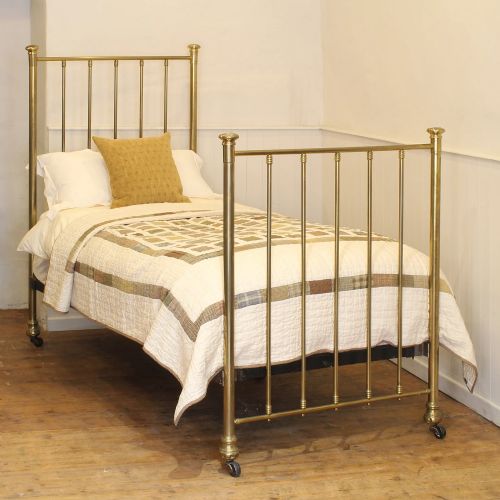
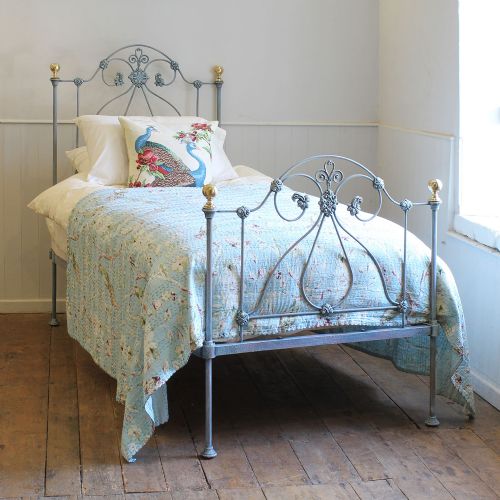
A Victorian bed is most often a metal bedstead in brass, iron or both, sold as a complete frame in a modern mattress size, ready to take a base and mattress.
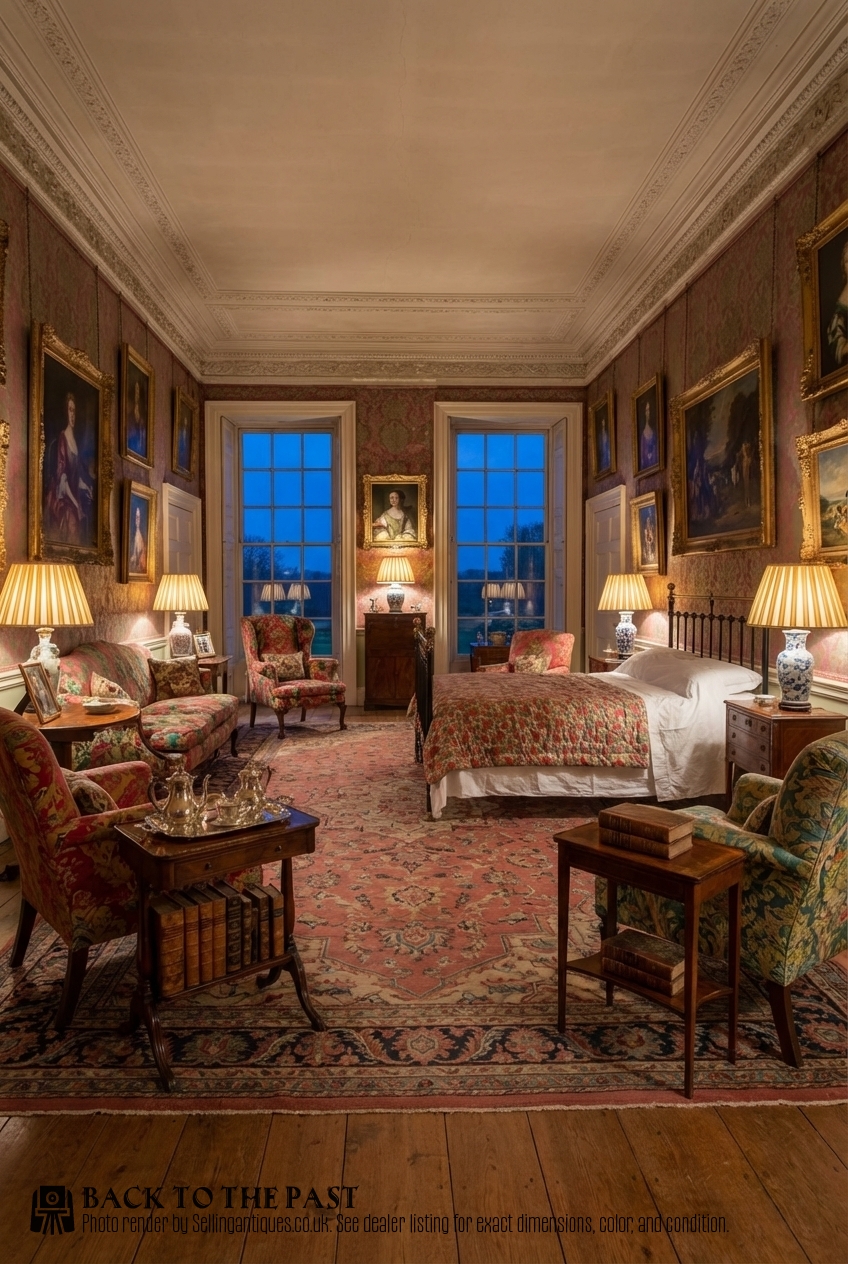
Victorian Beds
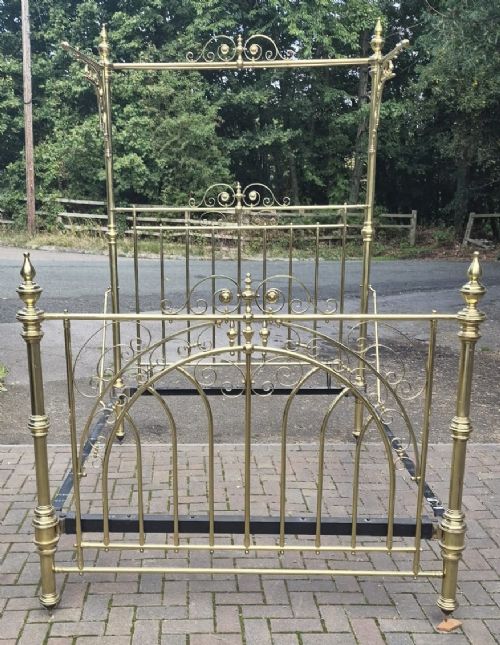
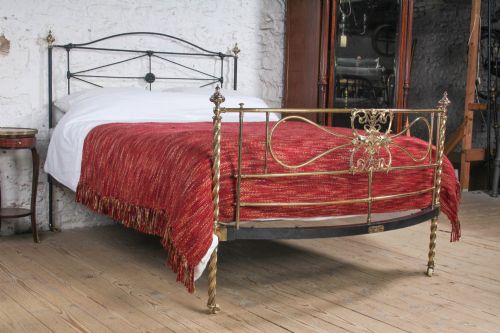
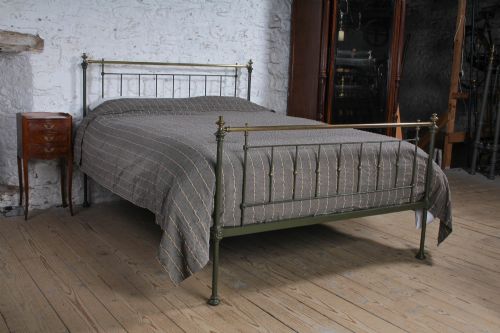
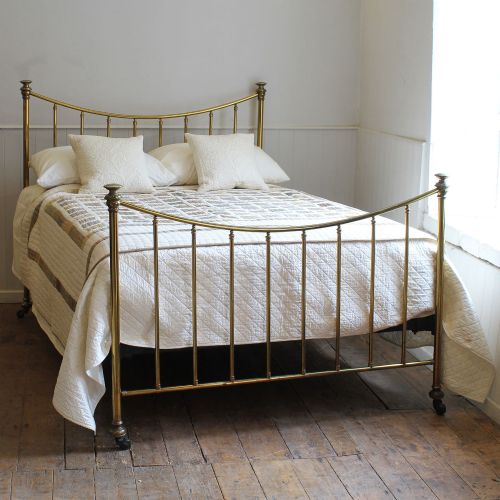
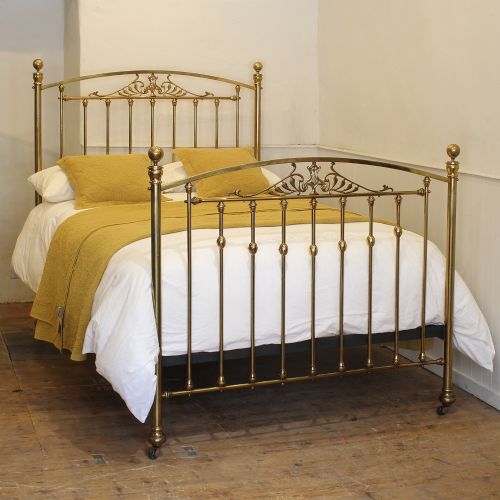
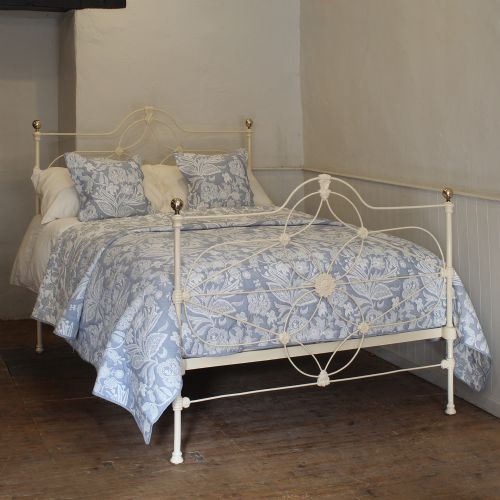
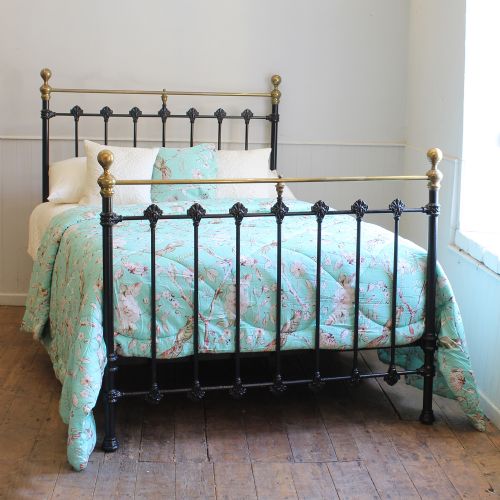
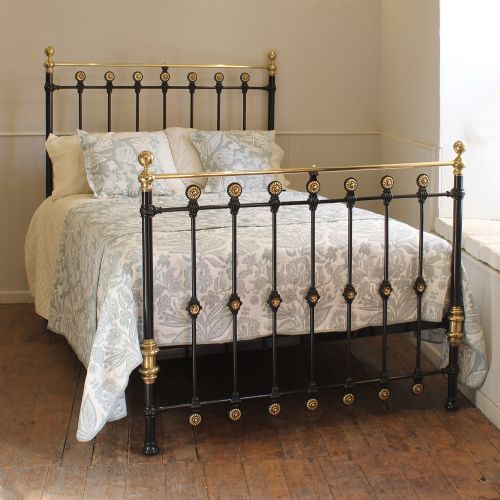
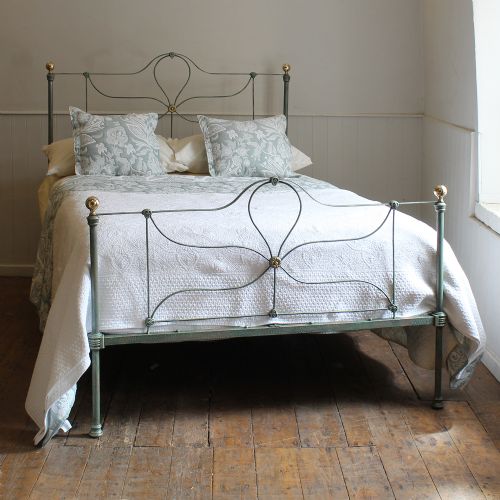
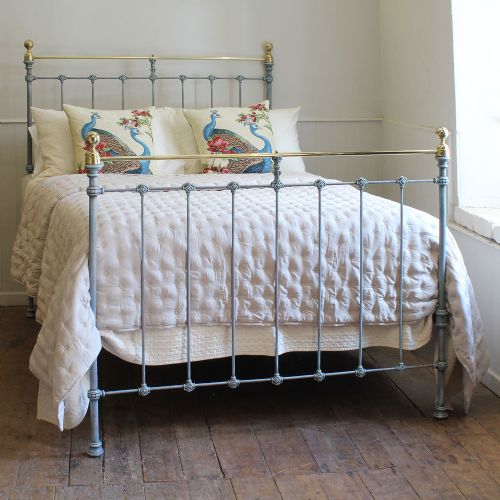
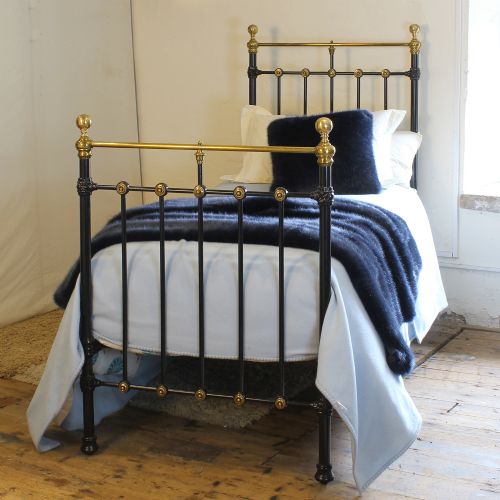
Metal dominates. Brass turns up in over half the 810 titles on Sellingantiques and iron in around a third, often together in the same frame: cast or wrought iron ends with brass rails, knobs and collars. These were made in quantity from the middle of the century, sold as cleaner and less hospitable to vermin than curtained timber beds, and made cheap by industrial tube and casting.
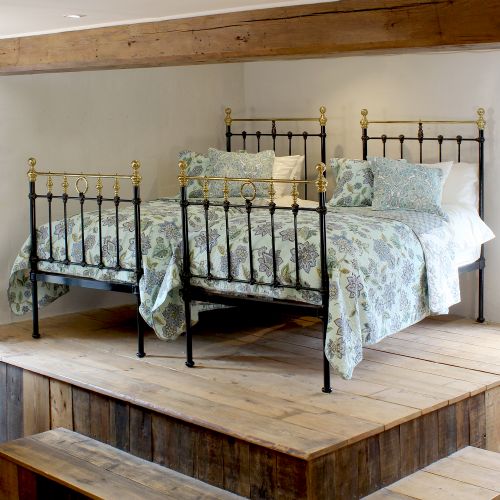
Sizes are given in modern bedding terms. Two in five titles state a size, and king size is the commonest by a clear margin, with double next, then single and super king. So you meet the frame as a 5ft or 6ft bed rather than in Victorian measures. Pairs of singles are a recurring form, and dealers frequently note that they can be joined into one wider bed.
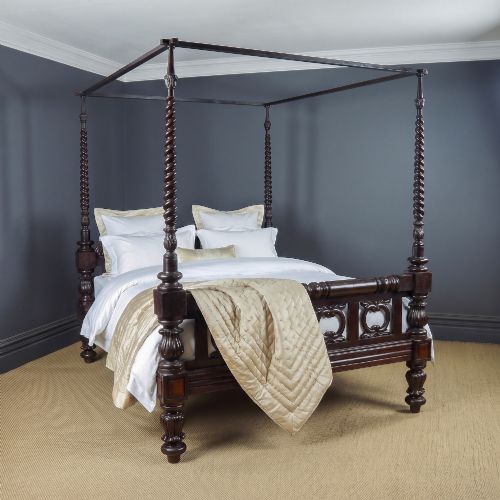
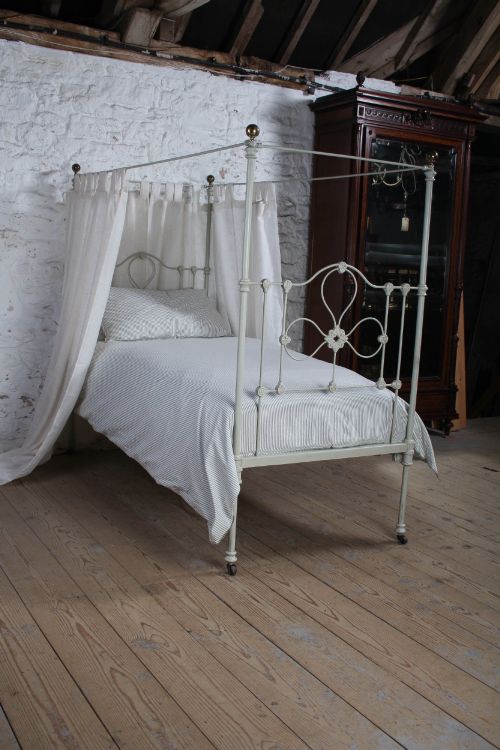
The metal beds divide again by profile. Titles read no end, low end, dip rail, straight rail and upstand, describing how high the foot rises and whether the top rail dips in the centre or runs level. Roughly one listing in eight is timber instead: mahogany, walnut and oak half testers, four posters and headboards, with a smaller run of upholstered day beds, ottoman day beds and campaign beds alongside.
Dating leans late. More than half the dated listings carry only a period name, and among those with a clean year the 1900s are the largest decade, ahead of the 1890s and 1880s, with a handful running to 1910, 1920 and 1930. Read Victorian here as a style bracket that shades into Edwardian.

Where The Range Splits
Material and width do most of the work. All-brass frames sit toward the top of the sampled range, while brass-and-iron and cast-and-brass combinations fill the middle. Width pushes the same way: singles and small doubles sit low, king size mid to upper, and super king or 6ft frames higher again.
A canopy changes the picture completely. Half testers and four posters appear disproportionately in the upper part of the range and occupy the very highest entries, because they carry the older canopied tradition rather than the industrial tube bedstead, and they need a room to suit.
Then decoration and provenance. Mother of pearl, porcelain and ceramic detail, mirrored motifs, marquetry and gilding all cluster in the upper half, as do named attributions and phrases like all original or original naturally aged brass. The bottom of the range is timber headboards on their own and plain double bedsteads.
Victorian Beds Retail Price Guide 2026
Typical UK retail prices for victorian beds, calculated from the Sellingantiques database of over a million retail prices indexed since 2003. This retail price guide relies exclusively on Sellingantiques data; no external sources or auction records are used, so the figures do not describe the wider market.
The most expensive Victorian bed ever sold on Sellingantiques was an exhibition quality gilded solid brass half tester double, in March 2025.
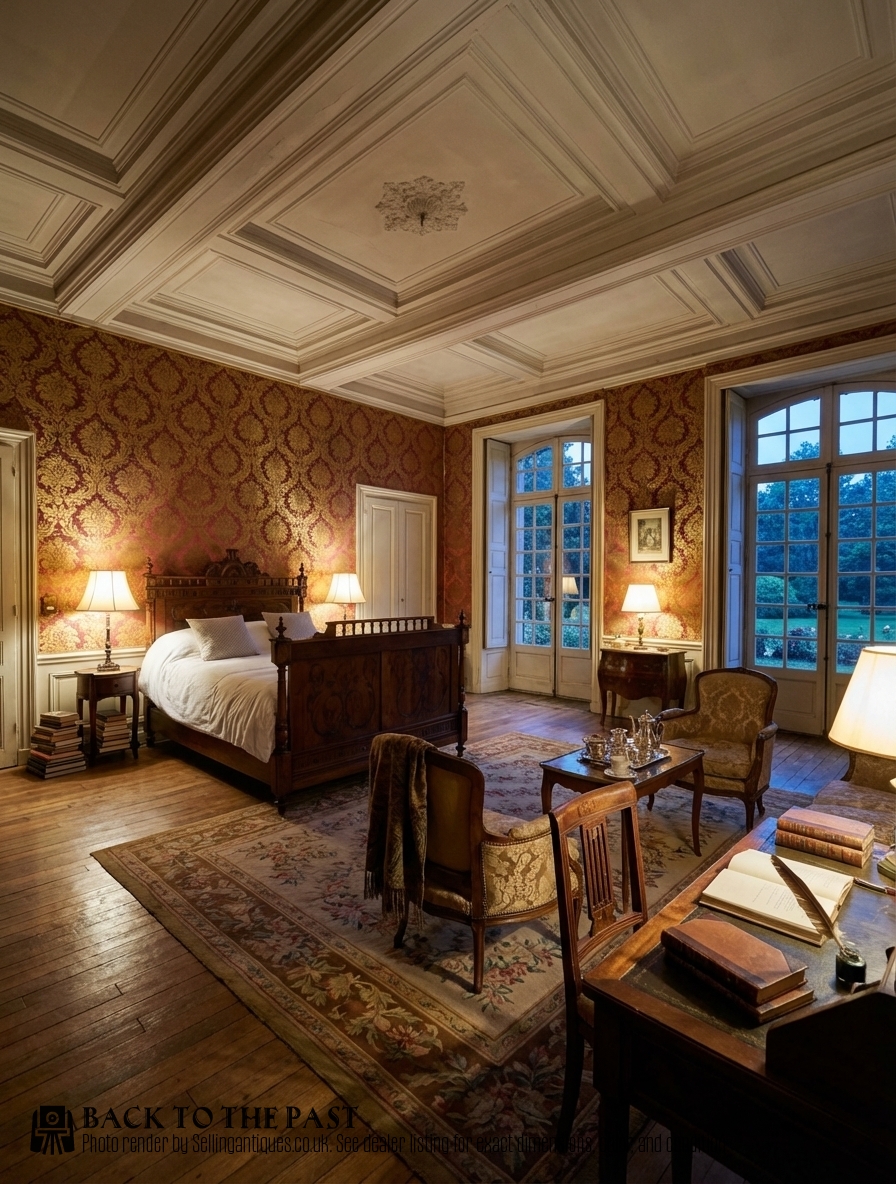
R W Winfield·Shoolbred
The Victorian Beds Glossary
- Bedstead
- The frame alone: head end, foot end and side rails, without mattress or base. It's the standard word in current stock and appears in 64 titles.
- Irons
- The side rails linking the head and foot ends. Titles offer beds with irons or and irons, meaning the frame is complete and can be stood up.
- No end / low end
- A bed with an absent or low foot end, so the frame doesn't rise much beyond the mattress. End appears in 87 titles.
- Dip rail / straight rail
- The profile of the top rail across the head or foot. A dip rail curves down in the centre; a straight rail runs level.
- Half tester
- A canopy projecting over the head end only, rather than the full four-post frame. Named in 44 titles, and mostly a timber form.
- Aged brass
- Brass left with its darkened natural surface instead of brightened. Aged runs to 34 titles, aged brass to 28.
Victorian Beds: Frequently Asked Questions
Will a Victorian bed take a modern mattress?
Sizes are stated in modern terms. King size is the commonest by a wide margin, then double, single and super king, with 5ft and 6ft widths quoted directly in many titles.
The listings describe frames, not beds with bases. Bedstead means the head end, foot end and side rails on their own.
What does upstand mean on a brass bed?
It's the raised section of rail sitting above the main frame line, usually at the head. Dealers name it in titles as a feature worth pointing out.
It sits alongside the other profile words used for these frames: dip rail, straight rail, low end and no end.
Are pairs of single beds common?
They're a recurring form. Pair appears in 52 titles and joined in 18, and the phrase can be joined turns up throughout the sampled titles.
The idea is that two singles push together to make one wider bed, then separate again when needed.
Which are the most expensive Victorian beds?
The top of the range is occupied almost entirely by half testers, four posters, and gilded or exhibition-quality all-brass frames.
Width follows the same pattern, with super king and 6ft frames above king size. Timber headboards on their own and plain double bedsteads sit at the bottom.
How much timber furniture is in this category?
Roughly one listing in eight. Mahogany leads, with walnut, oak, burr walnut, satin birch, rosewood, pitch pine and ash all appearing in the sample.
Those timber pieces are mainly half testers, four posters and headboards, plus upholstered day beds and campaign beds.
Do these beds ever come from outside Britain?
Occasionally rather than routinely. French appears in 21 titles, and the sample carries single instances of Irish, Scottish, Dutch, American, continental, Hungarian ash and Anglo-Indian Colonial Raj frames.
Odd one-offs turn up too: a wrought iron cot, a doctor's bed, a faux bamboo bed and a bobbin day bed each appear once.