

A 2026 Guide by Sellingantiques
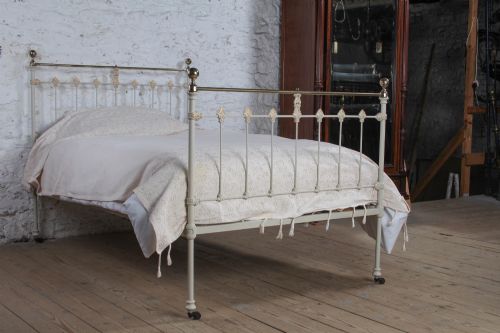
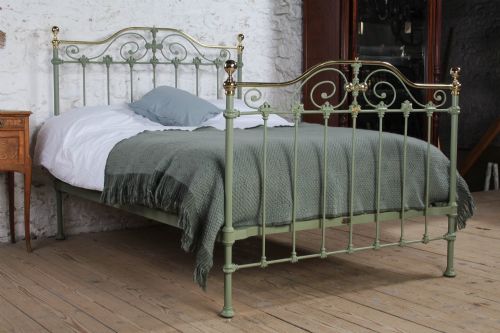
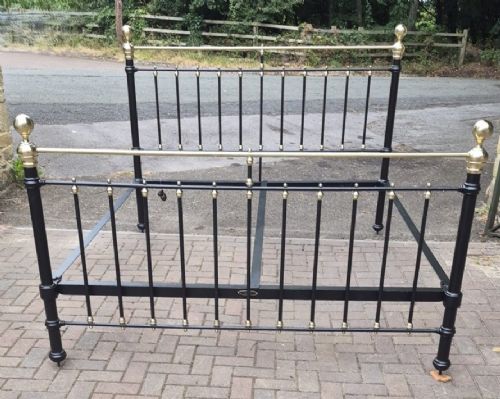
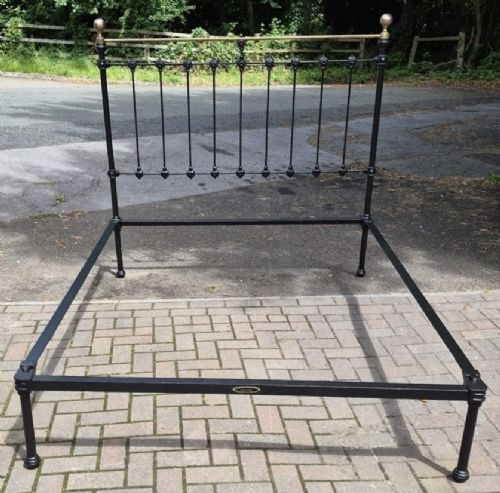
Distinctive and Delightful Forged Iron Portuguese King Size Bed, 1900
Priced at £1,240 from Bedsteads
Brass and iron bedsteads replaced earlier wooden frames as concerns about hygiene grew in Victorian towns. Bugs found metal much harder to climb.
Production peaked in the late nineteenth century. Foundries across the Midlands churned out thousands of antique iron beds for hospitals and domestic homes alike.
Check the joints. Early examples often rely on wrought iron, hammered into shape by a blacksmith rather than poured into a mould.
Standardisation eventually took over. The industry shifted toward cast iron components joined by chilled iron to speed up the workshop.
Changes in taste pushed them out of fashion by the interwar years. Wooden bed frames crept back into the bedroom.
Hoskins & Sewell operated in Birmingham from the mid-nineteenth century. They supplied iron bedsteads to institutions and ocean liners.
Peyton & Peyton often stamped their corner joints. They patented a specific type of dovetail joint for iron beds during the Victorian period.
Regional foundries handled the bulk of domestic demand. Many sturdy pieces carry no maker marks at all.
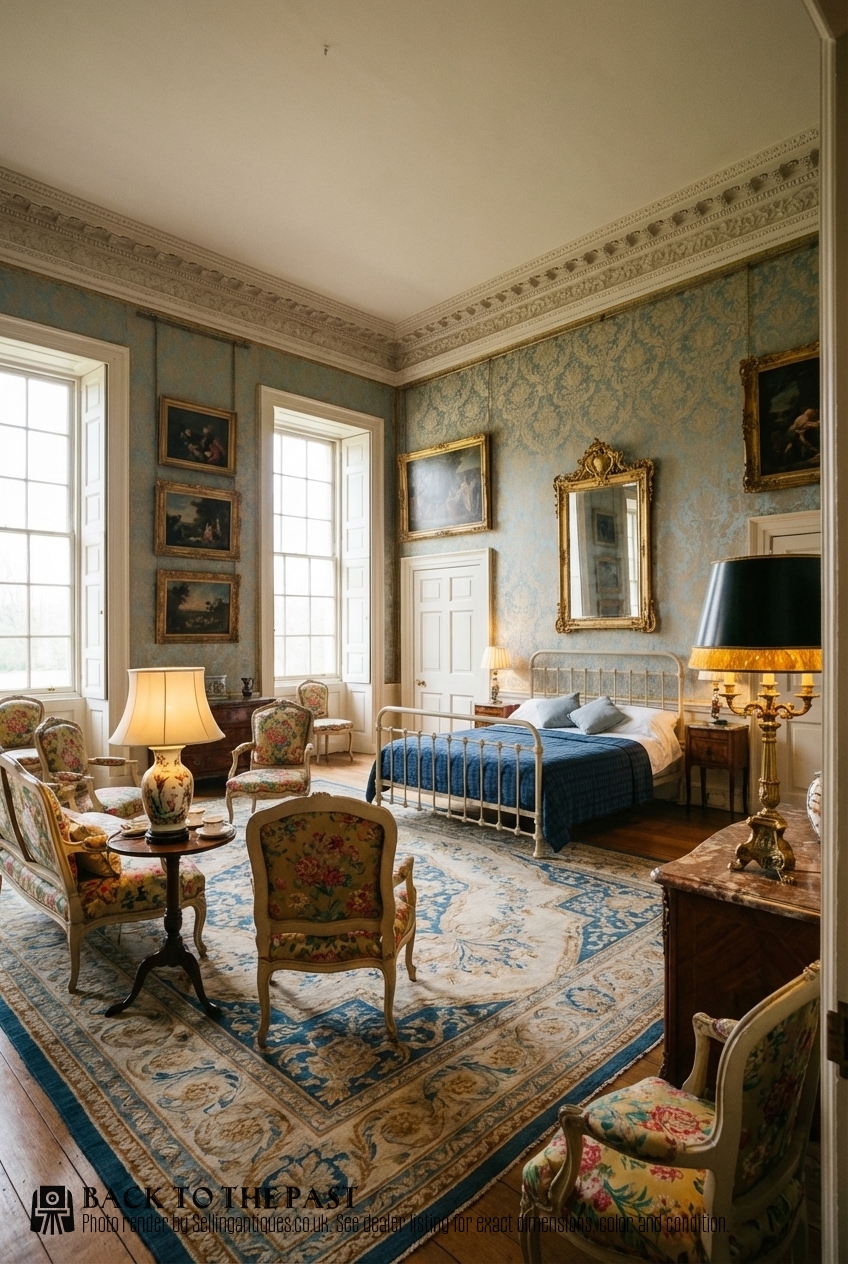
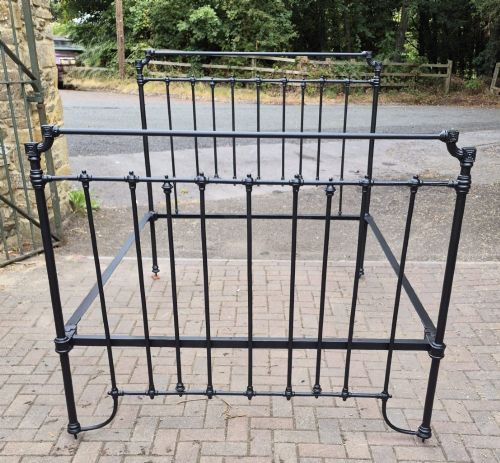
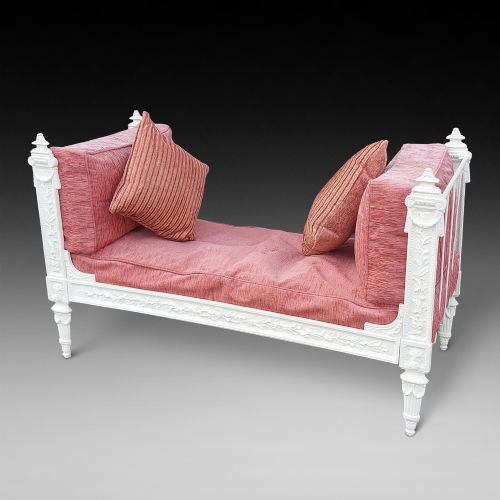
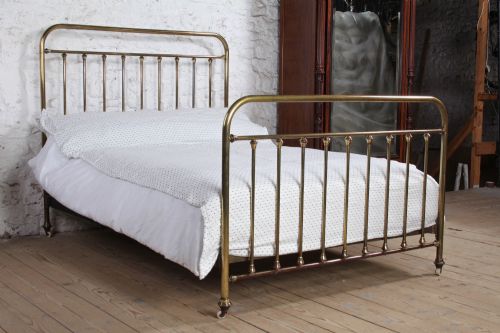
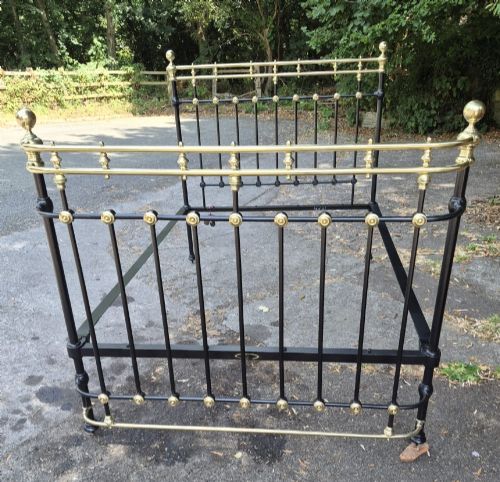
Superb Yet Simple French Super King Size Bed, 1900
Priced at £2,600 from Bedsteads
The 2026 retail price guide for Antique Iron Beds is drawn from a proprietary archive of over 1.1 million retail prices indexed by Sellingantiques since 2003. This guide relies exclusively on their own internal data; no external sources or auction records are used.
Analysing nearly 25 years of UK antique market history alongside current retail values, the data indicates that typical UK retail prices for Antique Iron Beds range between £1,000 and £2,200. Entry-level prices generally fall under £1,000 and premium examples upwards of £2,200.
Cast iron corner blocks usually hold these together. They lock the side rails into the head and foot boards using a tapered dovetail joint.
Ceramic castors sit on the bottom of the legs. They help move heavy antique iron beds across wooden floorboards without causing damage.
Spindles fill the empty space in the headboard. Often spaced closely together, they feature decorative poured knuckles where they intersect.

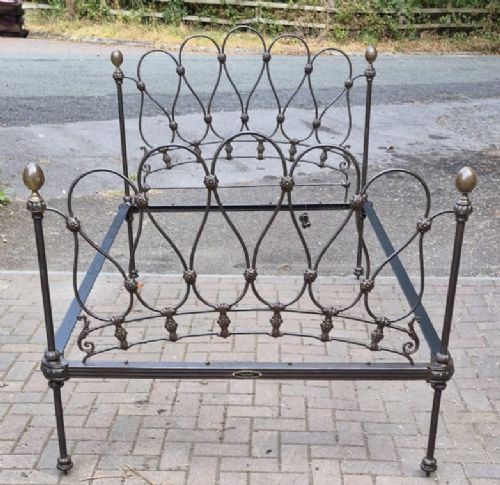
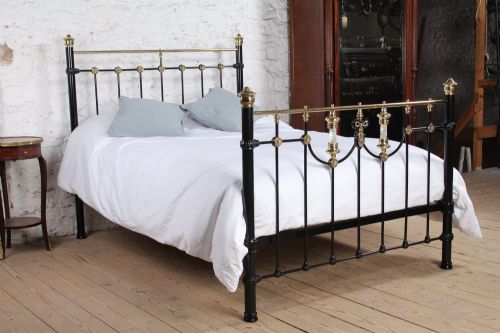
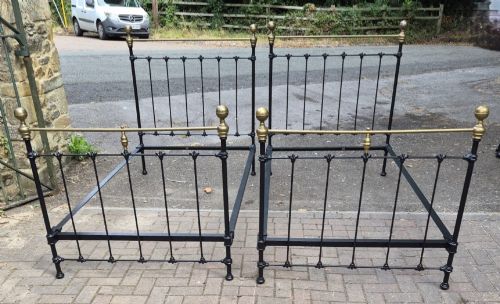
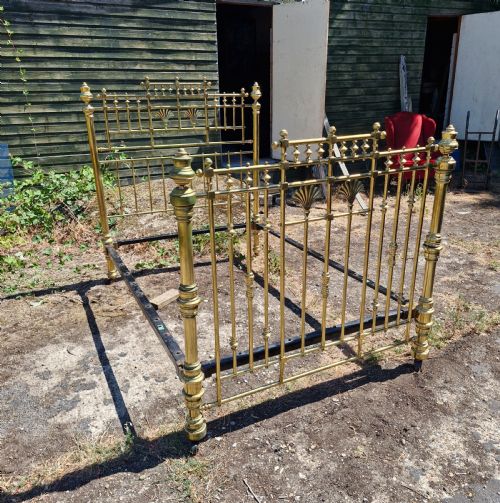
Matching Pair of Black Cast Iron Antique Beds, Victorian
Priced at £2,466 from Seventh Heaven
Blacksmiths forged early pieces by hand. They heated and hammered wrought iron into simple, rigid frames with pinned joints.
The introduction of the chilled casting process changed everything. Molten iron poured into sand moulds around cold iron tubes created a solid, seamless bond.
Examine the brass work. Makers spun sheet brass over wooden cores to create lightweight, hollow decorative elements for the upper rails.
"Many frames pack down flat. The wedge joints allow the structure to dismantle into four easily transportable pieces."
"Some late Victorian designs incorporate folding mechanisms. They fold up to look like a simple iron chair during the day."
"The woven wire bases often possess a tensioning system. A square-headed bolt at one end lets you tighten the mesh to stop it sagging."
Based on almost 25 years of Sellingantiques UK antique market data, Antique Iron Beds appeared 1919 times (out of 1,100,000 antiques) which gives it a rarity score of 68/100.
This score measures scarcity within the Sellingantiques archive only and is not a survey of the entire antiques market, so these statistics may not be indicative of the general availability of Antique Iron Beds elsewhere.
Most modern mattresses drop straight onto these frames. You'll need a slatted wooden base or a firm divan to sit across the side irons first.
Early frames sometimes measure slightly wider or narrower than standard modern sizing. It always pays to check the internal dimensions between the side rails before ordering.
Wobbly frames usually suffer from worn dovetail joints. Over time, the cast iron tapers rub together and lose their tight friction fit. It isn't a difficult problem to solve.
Wrap a small shim of thin sheet metal around the male part of the joint before dropping it into the corner block. This fills the gap and tightens the structure.
Tapping the side rail down firmly with a rubber mallet locks it back into place. They're heavy pieces, so keeping the joints secure matters.
Standard liquid metal polish works well on solid brass finials. Apply it with a soft cloth and rub until the tarnish lifts off.
Take care if the brass feels loose or dented. Spun brass is thin and rough handling can crush the hollow caps.
Finding exact replacement side rails proves difficult. Foundries cast their own proprietary corner joints, meaning rails from one bed rarely fit the brackets of another. You won't easily find a matching set.
Some specialist metalworkers modify modern angle iron to fit old corner blocks. They grind the ends to match the original tapered dovetails. You can also source generic bolt-on side rails, though this requires drilling through the original joints.
Please note: This Antique Iron Beds guide and its associated pricing data are provided for general informational purposes only. It does not constitute formal financial, investment, or appraisal advice and should not be relied upon as the sole basis for any commercial activity, purchasing, or sales decisions. Sellingantiques.co.uk accepts no liability for any actions taken in reliance on this information. Always consult with a qualified professional or independent appraiser.
