






A 2026 Guide by Sellingantiques
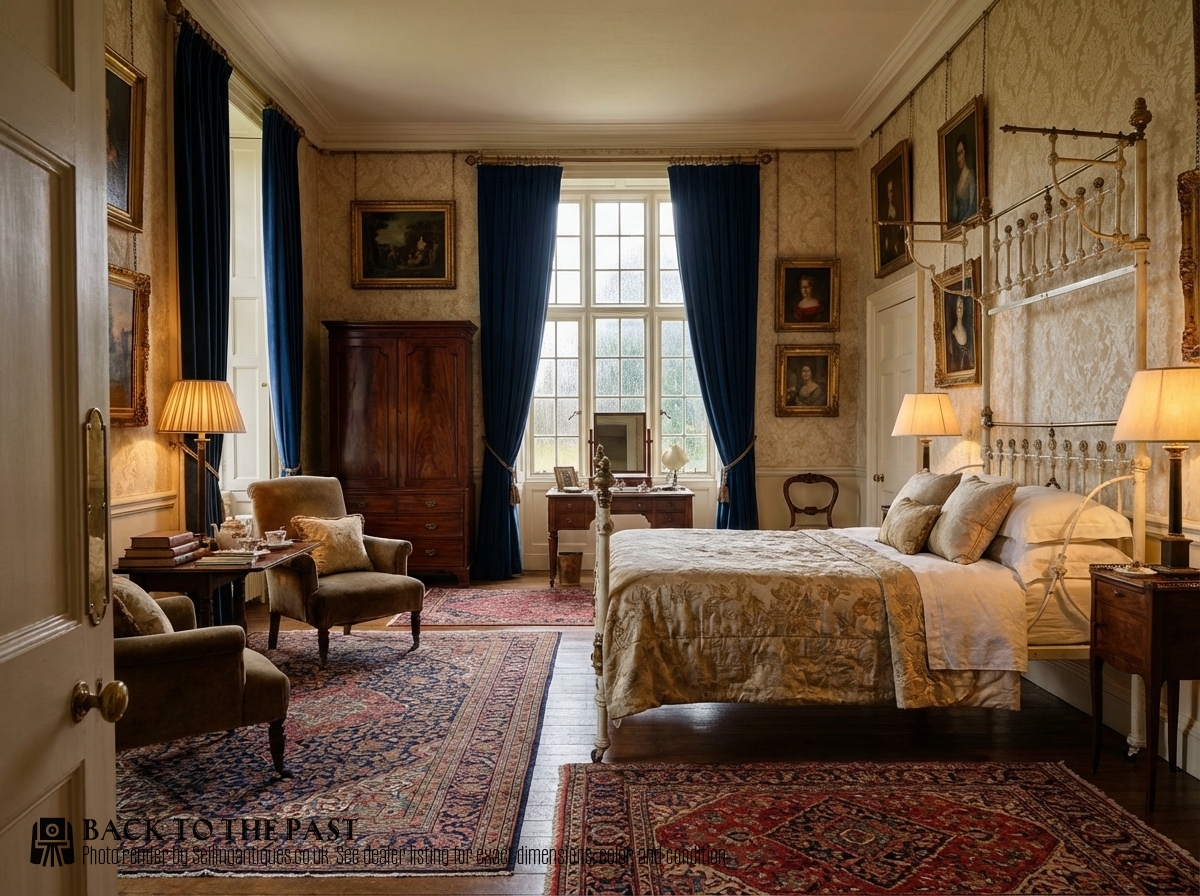
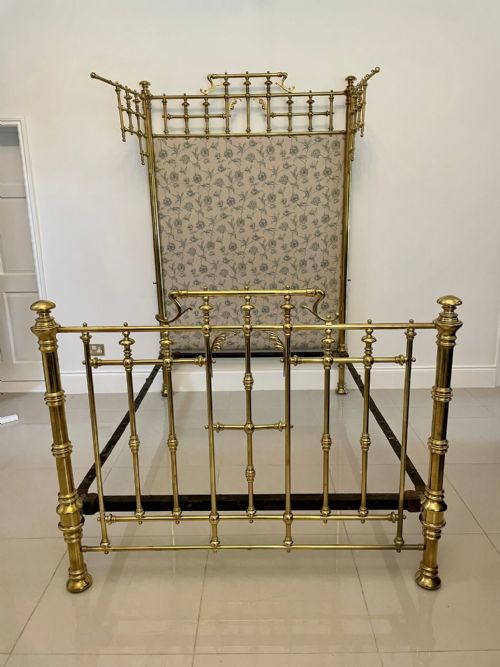
Victorian Cast Iron & Brass Half Tester Double Bed, Victorian
Priced at £1,150 from Hand of Glory
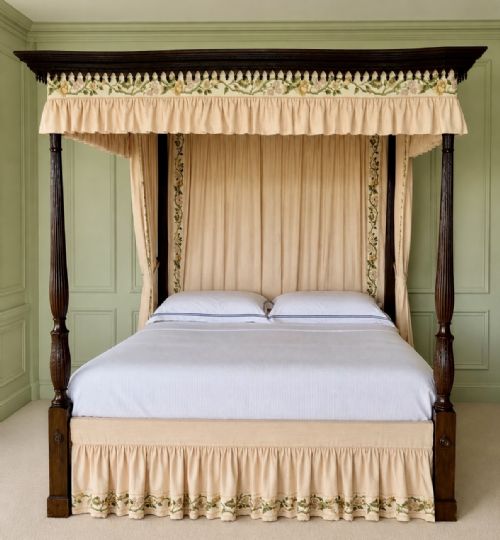
Early examples often stood entirely separate from the walls. Heavy hangings turned the bed into a small room of its own.
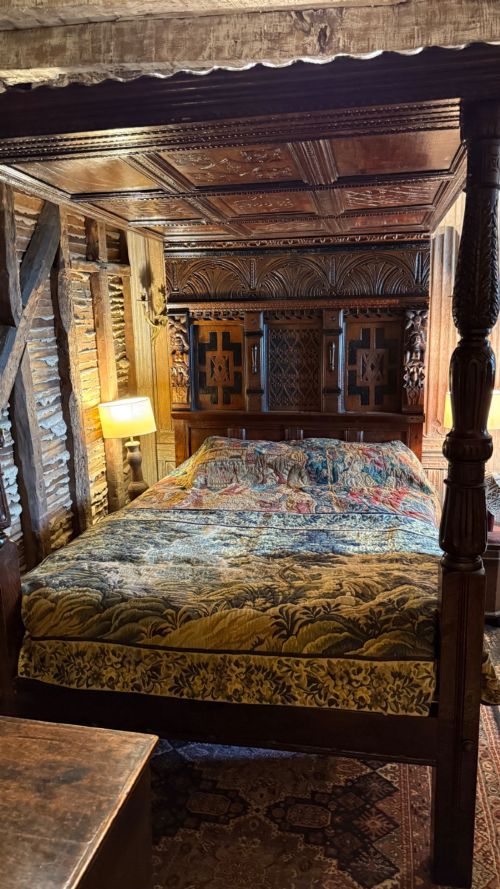
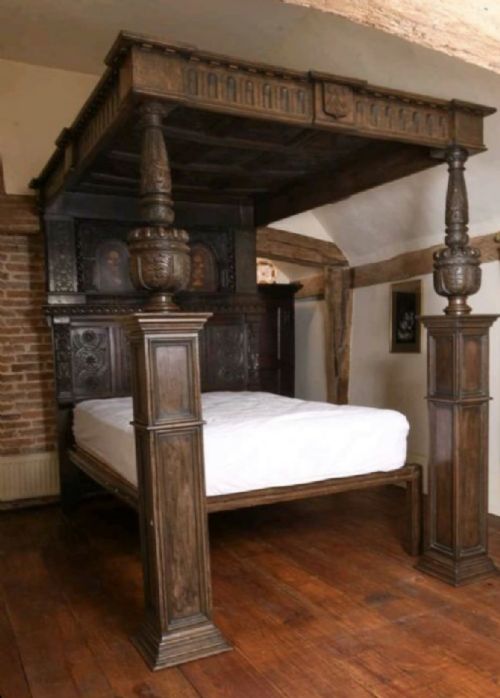
By the sixteenth century, the heavy oak headboard joined directly to the tester above.
Look at the transition in the eighteenth century. Lighter frames replaced solid timber roofs, reflecting better domestic heating.
Victorian antique tester beds saw a revival of massive proportions, particularly in the mid-nineteenth century.
Thomas Chippendale produced complex tester frames during the mid-eighteenth century. His firm supplied fully draped beds to grand country houses.
Gillows of Lancaster made hundreds of mahogany examples in the late eighteenth and early nineteenth centuries. You'll often find their stamp on the foot posts.
Many standard oak beds remain anonymous. Regional joiners turned them out across the country using traditional local patterns.
The 2026 retail price guide for Antique Tester Beds is drawn from a proprietary archive of over 1.1 million retail prices indexed by Sellingantiques since 2003. This guide relies exclusively on their own internal data; no external sources or auction records are used.
Analysing nearly 25 years of UK antique market history alongside current retail values, the data indicates that typical UK retail prices for Antique Tester Beds range between £1,800 and £12,500. Entry-level prices generally fall under £1,800 and premium examples upwards of £12,500.
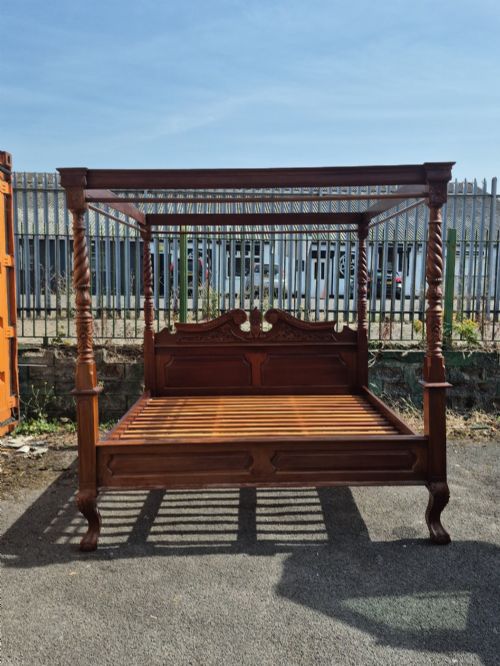
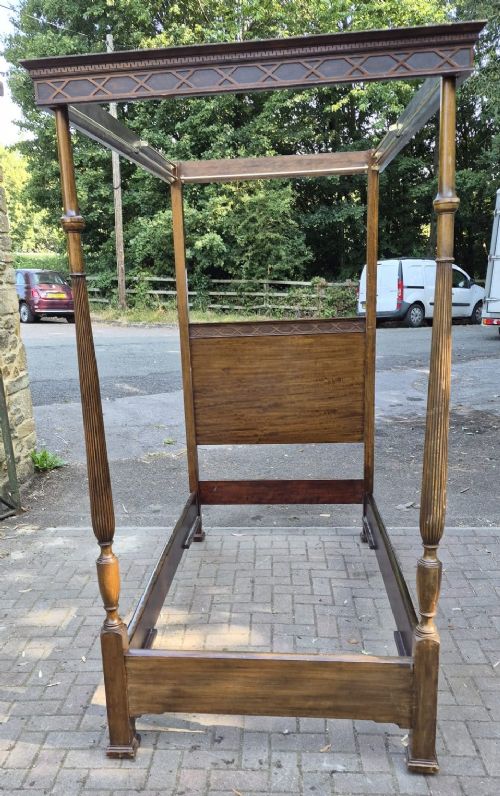
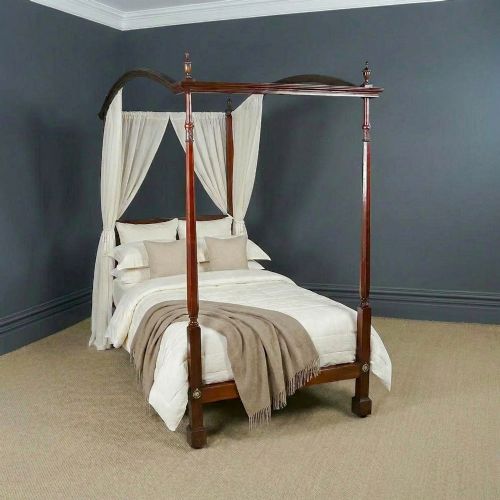
Tall foot posts are the defining feature. They support the front corners of the canopy and carry the most detailed carving.
Check the headboard structure. Earlier antique tester beds feature heavily panelled headboards, while later ones might just have a simple frame meant to be covered by drapery.
The tester itself is the roof. Sometimes a solid wooden ceiling, sometimes just a slatted frame designed to stretch fabric across.
Early frames rely on massive mortise and tenon joints held by wooden pegs. They break down into flat sections for moving.
Notice the later use of iron bed bolts. Georgian makers hid these heavy threaded bolts behind brass cover plates on the foot posts.
Turning became much more refined by the nineteenth century. Massive lathes allowed workshops to shape thick mahogany logs into tapering columns.
"The elaborate fabric hangings often cost far more than the wooden bed frame itself. Textiles were a major status symbol."
"Some early examples have secret compartments carved into the solid oak headboards to keep small items safe overnight."
"They were frequently the most valuable item in a household. Wills often listed them first before any other piece of furniture."
Based on almost 25 years of Sellingantiques UK antique market data, Antique Tester Beds appeared 307 times (out of 1,100,000 antiques) which gives it a rarity score of 94/100.
This score measures scarcity within the Sellingantiques archive only and is not a survey of the entire antiques market, so these statistics may not be indicative of the general availability of Antique Tester Beds elsewhere.
Most of the time, they don't match exactly. Standard modern mattress sizes are a twentieth-century invention, whereas antique tester beds were built to custom dimensions.
You usually need a bespoke mattress made to fit the specific interior space of the side rails. Some restorers adapt the wooden side rails to hold a standard size, but that alters the original structure.
Height varies wildly depending on the period and the original house. Georgian mahogany frames often stretch over eight feet tall, intended for grand country house bedrooms with high ceilings.
Earlier oak beds from the seventeenth century are sometimes a bit lower, built for vernacular timber-framed houses. You need to measure the total height including the cornice, and always leave a few inches of clearance for assembly.
Yes, they break down into components. The posts, rails, headboard, and tester all separate.
They have to. These beds are far too large to move through doors or up staircases in one piece.
That is entirely normal for the period. The head posts stood against the wall and were completely hidden by the heavy fabric curtains enclosing the back of the bed.
Makers concentrated their effort and the expensive timbers on the front foot posts. Those were the parts visible to anyone entering the room. There was no point carving a surface that nobody would ever see.
Please note: This Antique Tester Beds guide and its associated pricing data are provided for general informational purposes only. It does not constitute formal financial, investment, or appraisal advice and should not be relied upon as the sole basis for any commercial activity, purchasing, or sales decisions. Sellingantiques.co.uk accepts no liability for any actions taken in reliance on this information. Always consult with a qualified professional or independent appraiser.
