It was listed by Regent Antiques. Sold pieces stay on Sellingantiques as a record of what has passed through, and the next one is rarely far away.
Regent Antiques has dated this piece to the 19th Century.
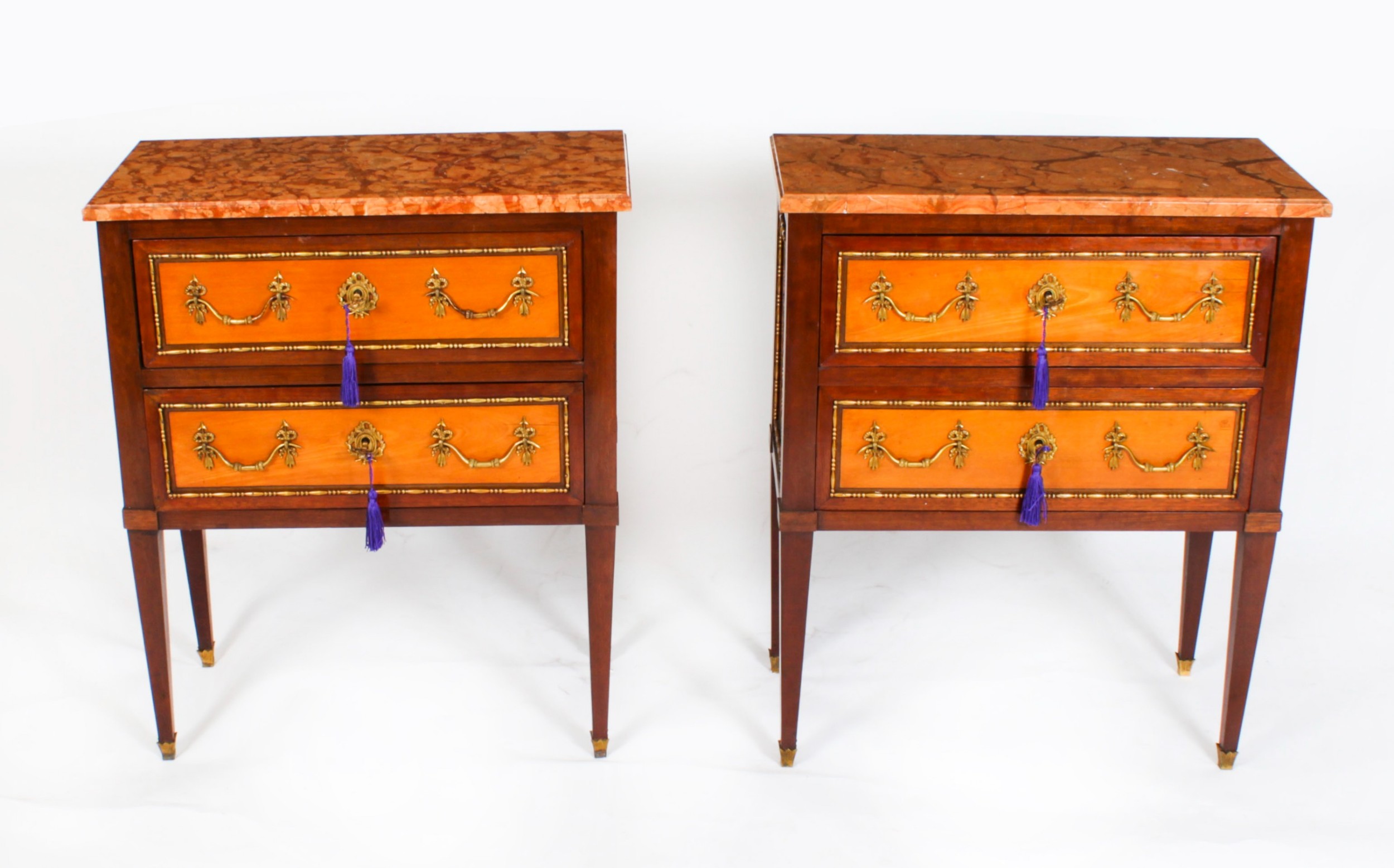
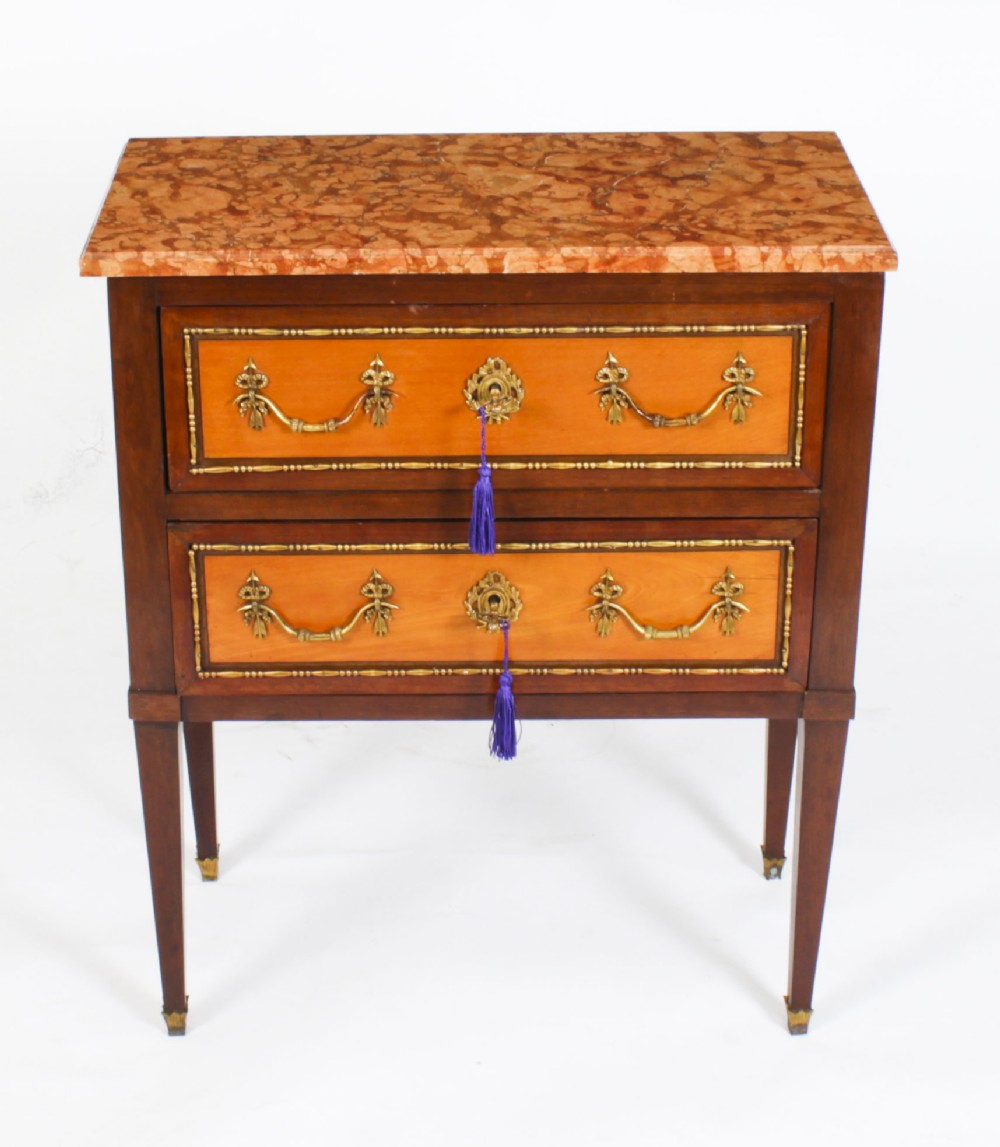
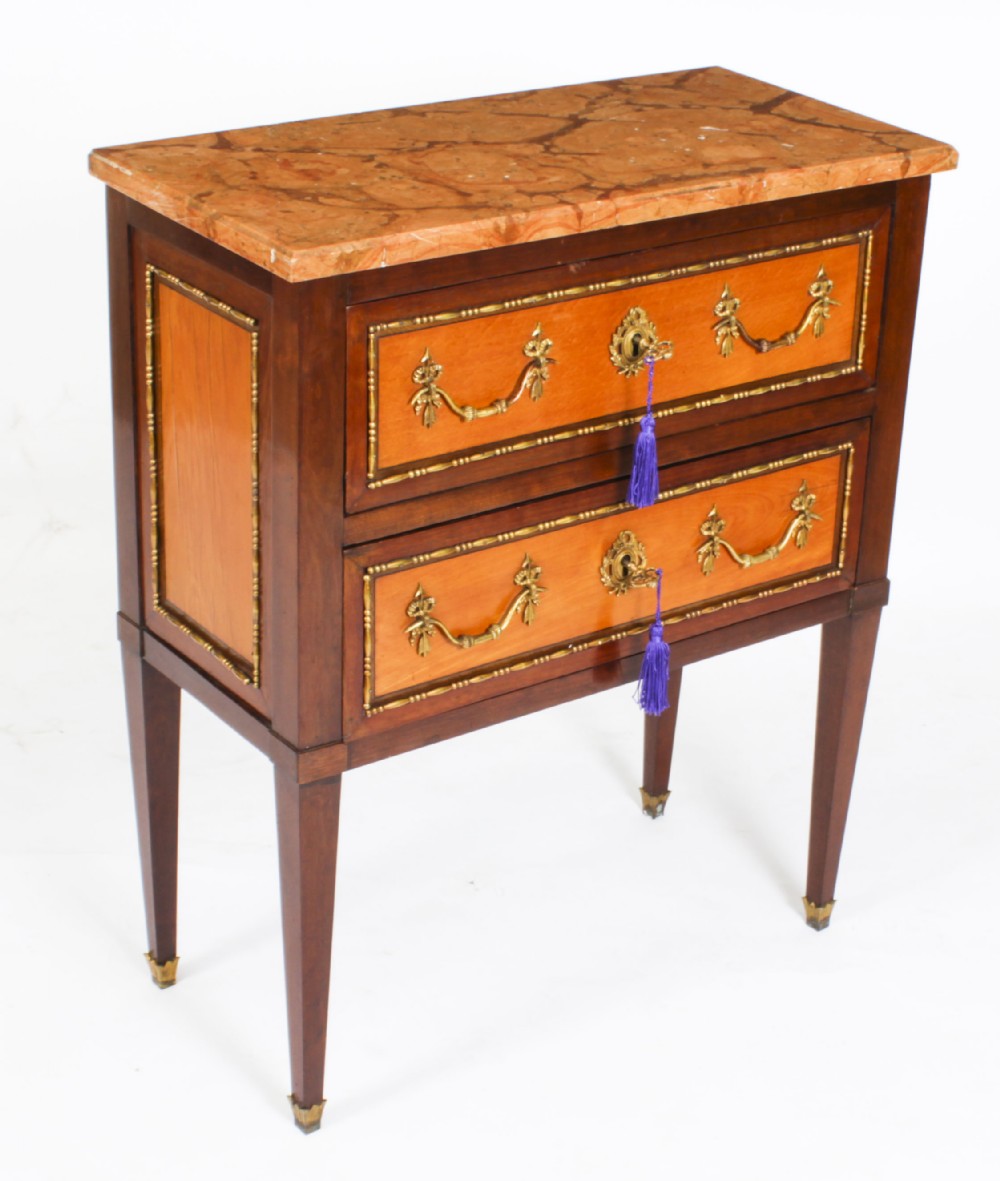
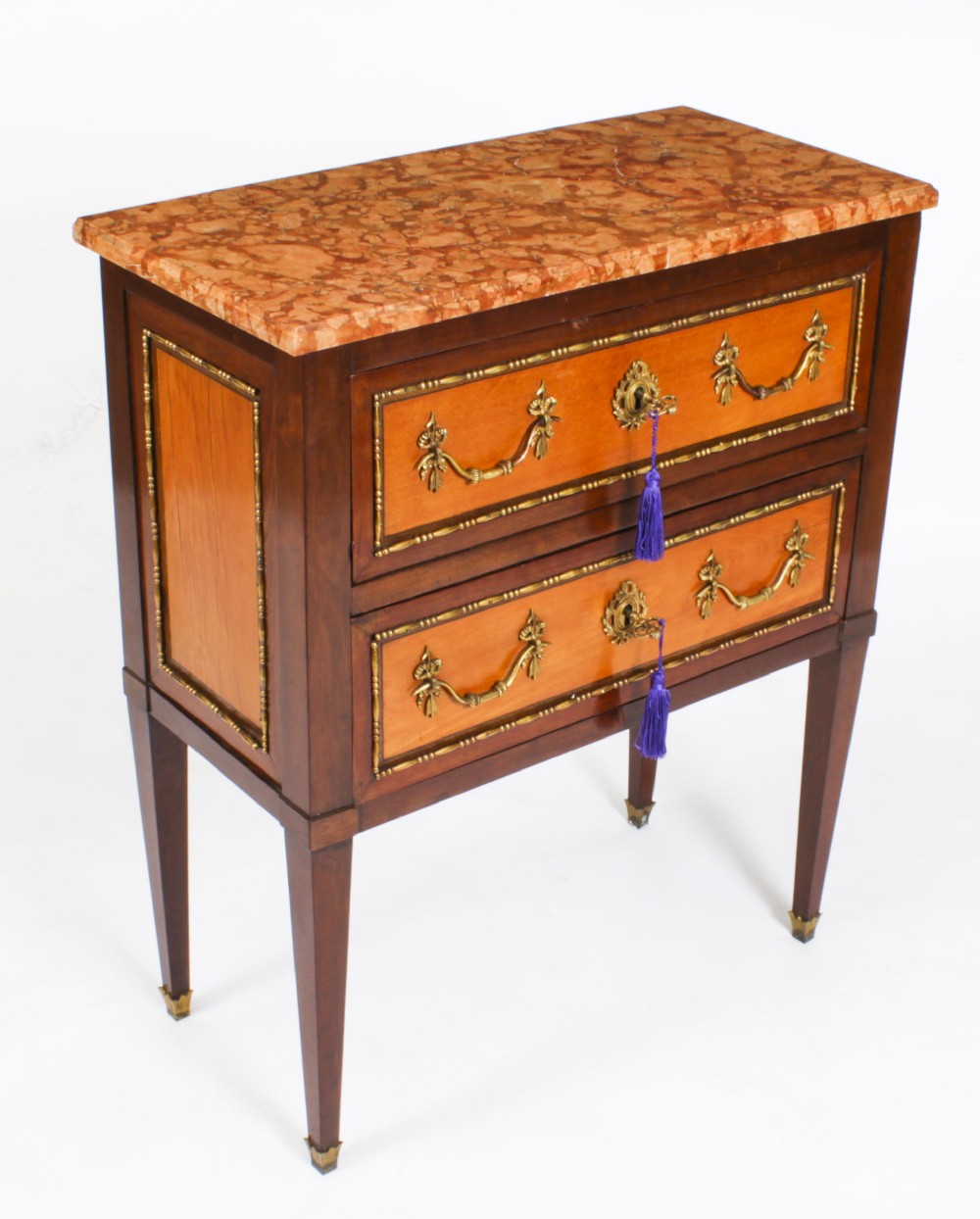
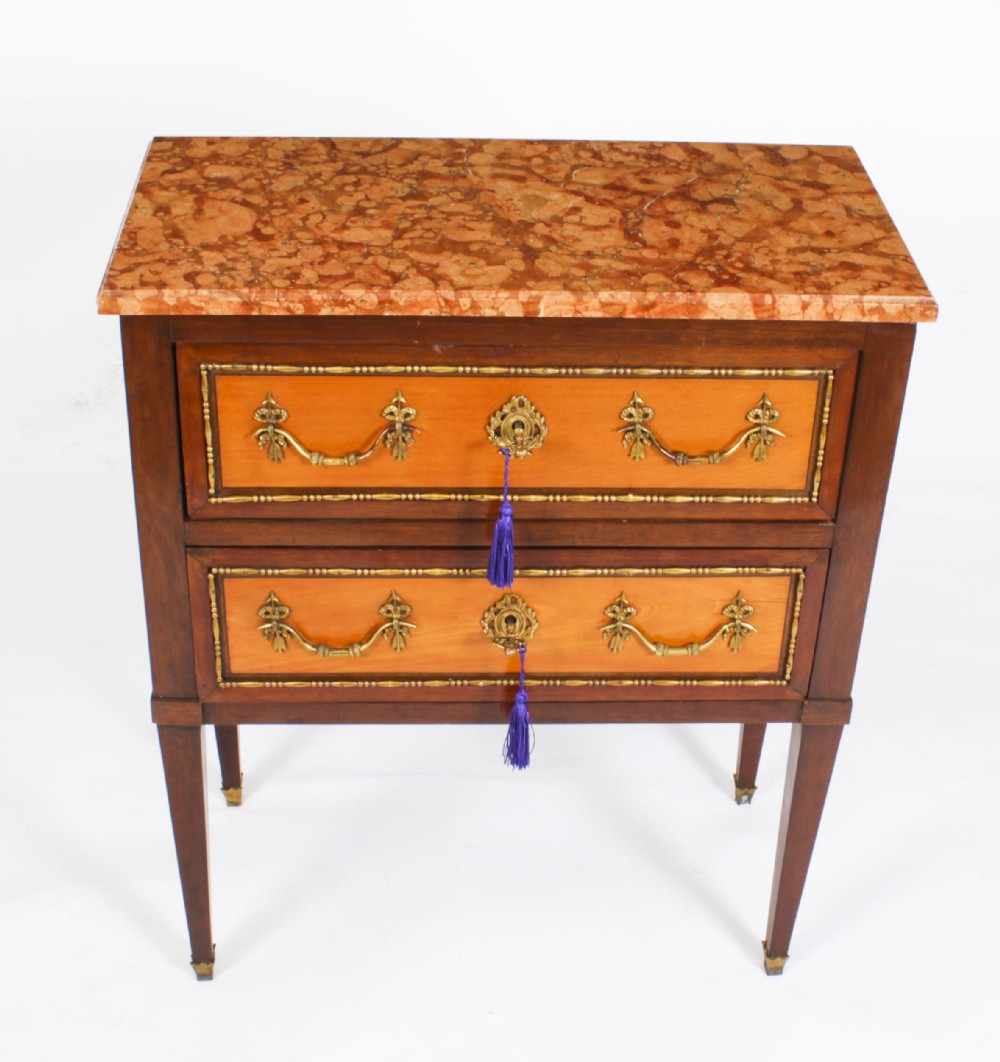
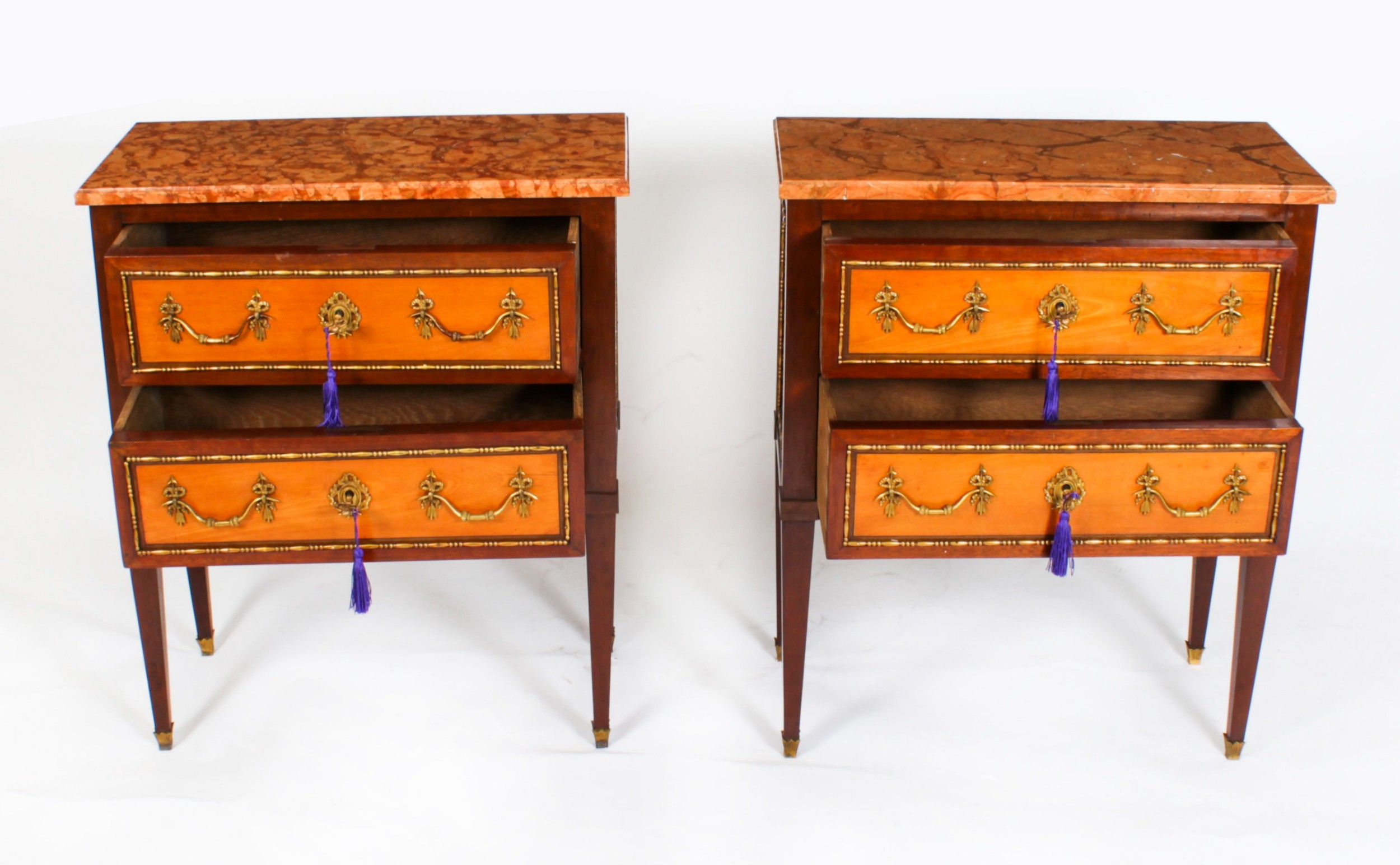
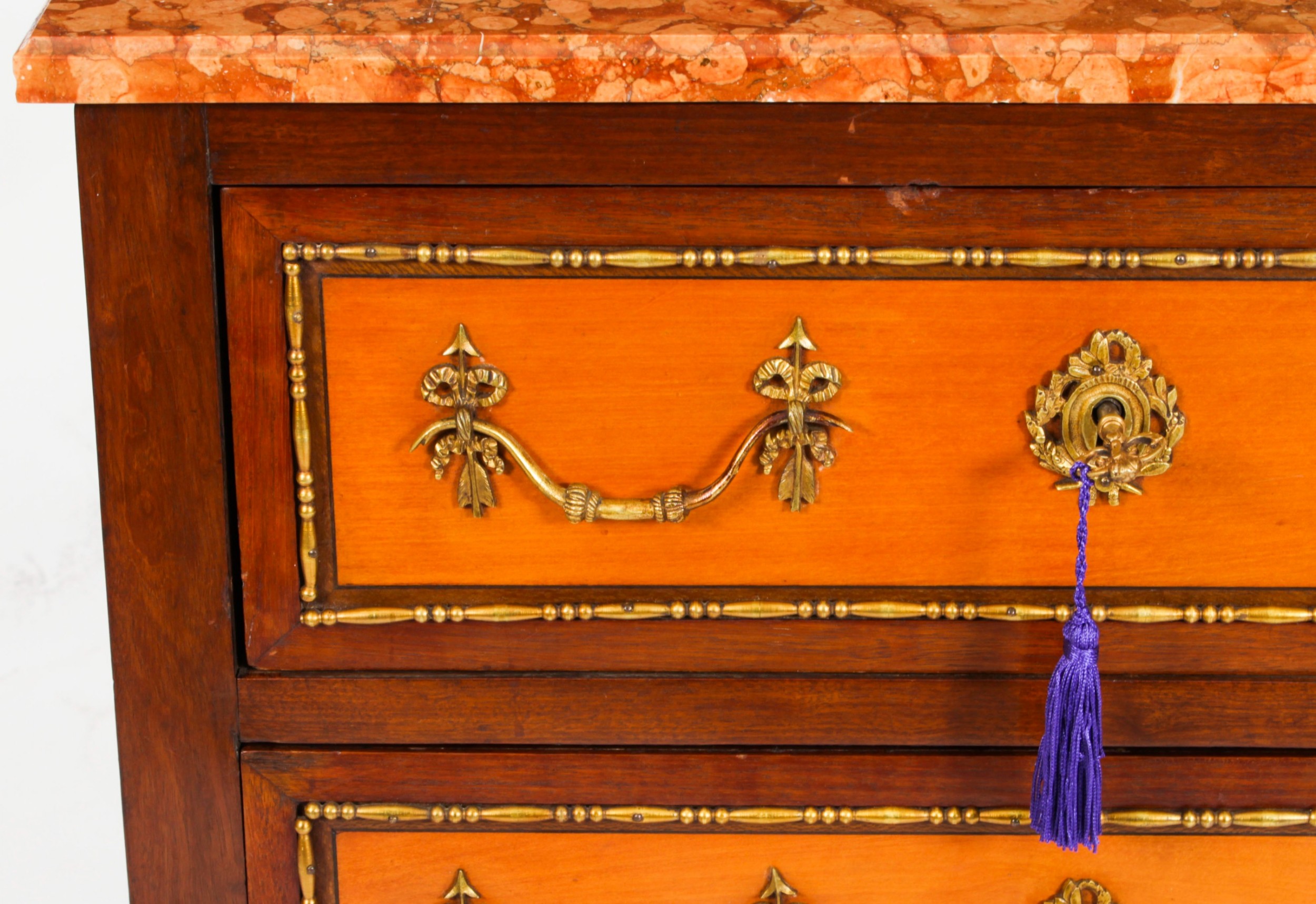
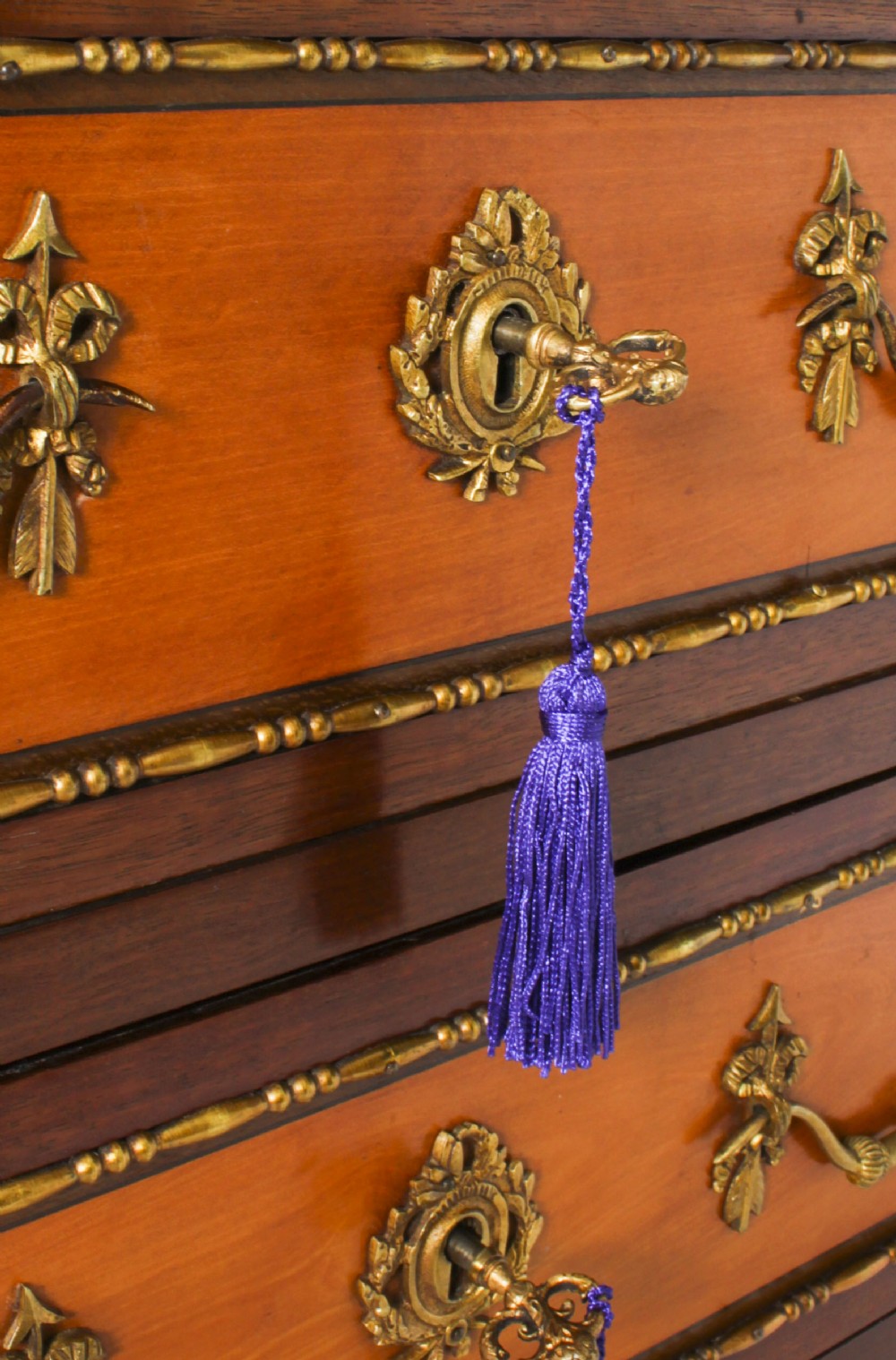
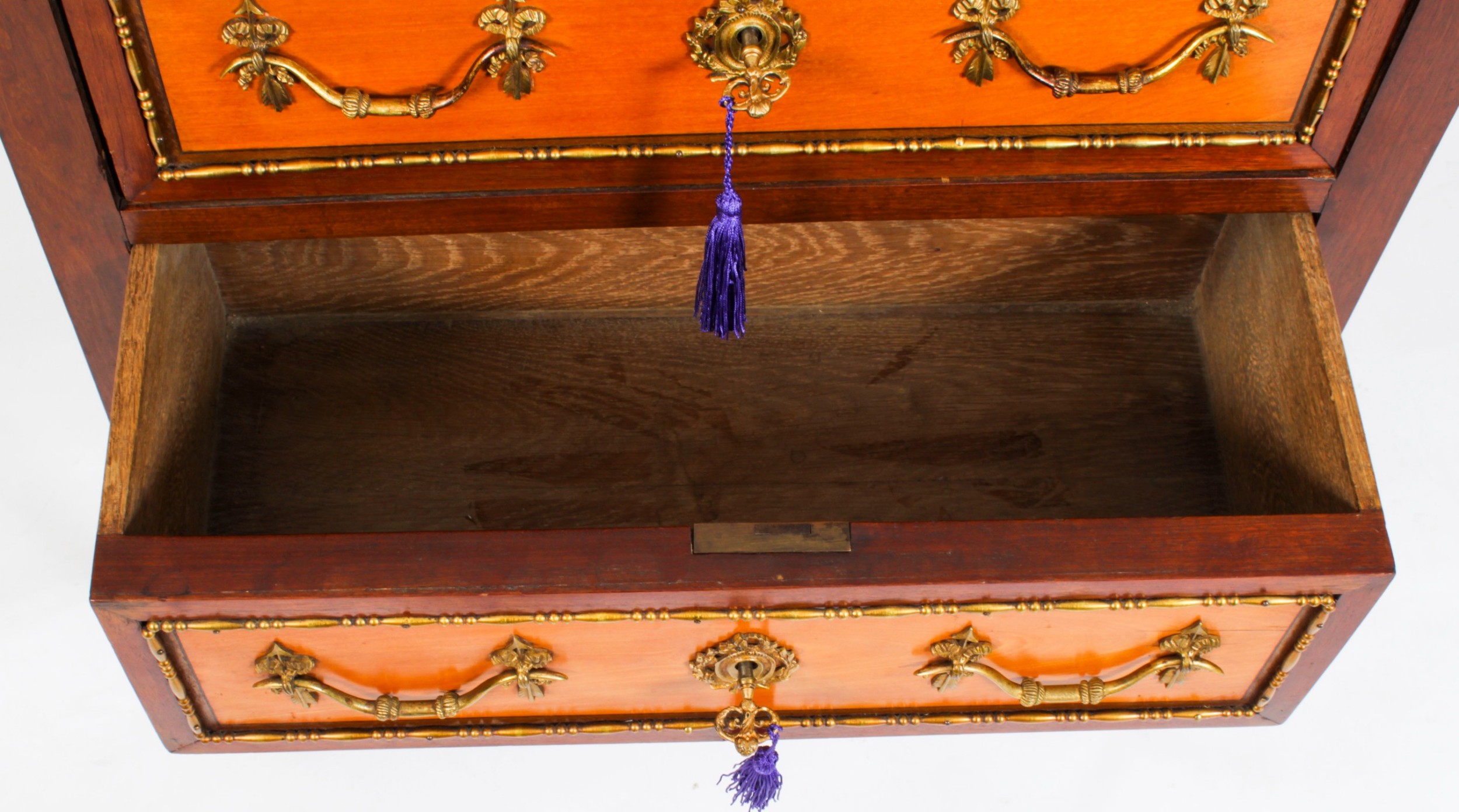
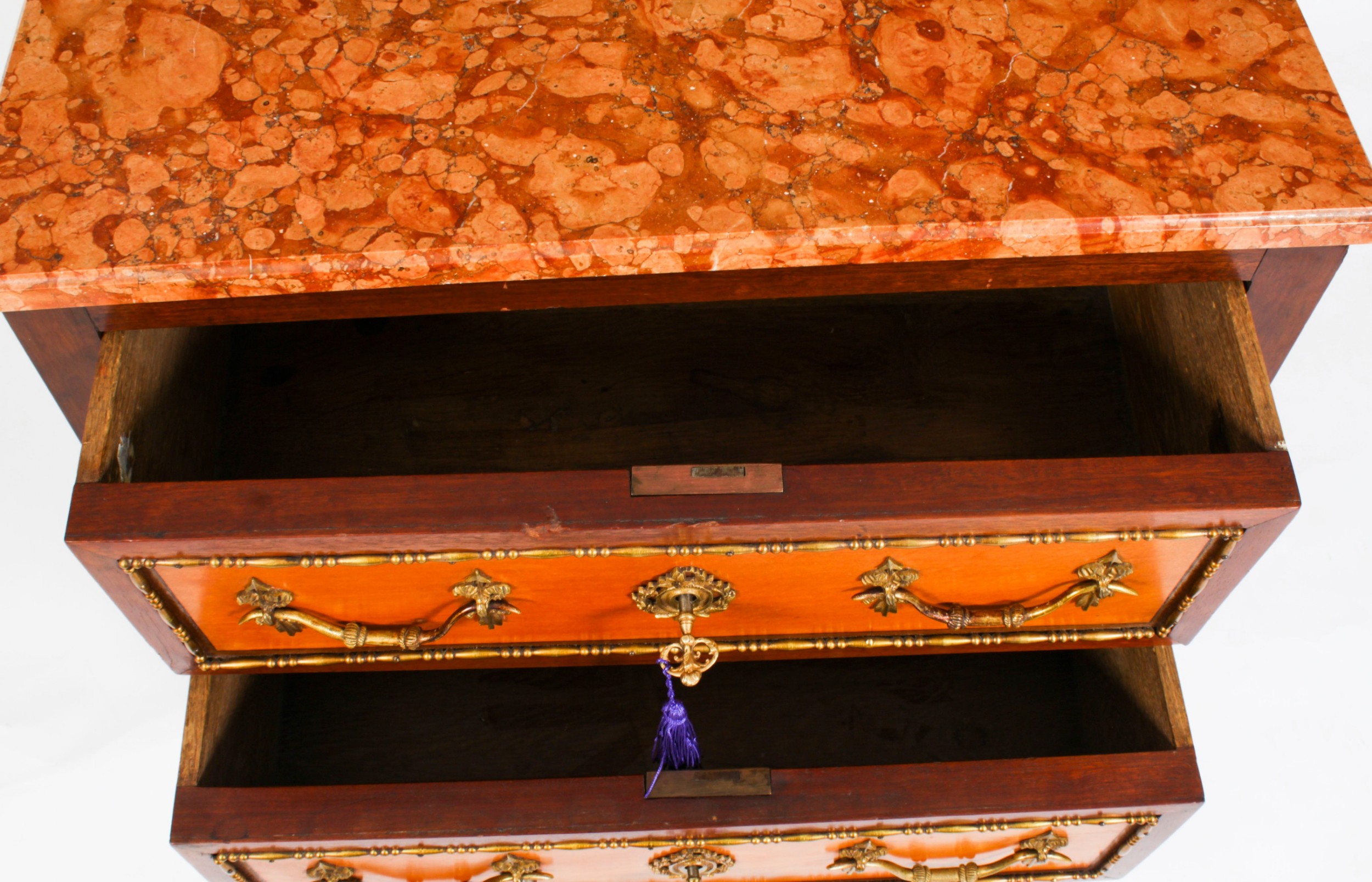
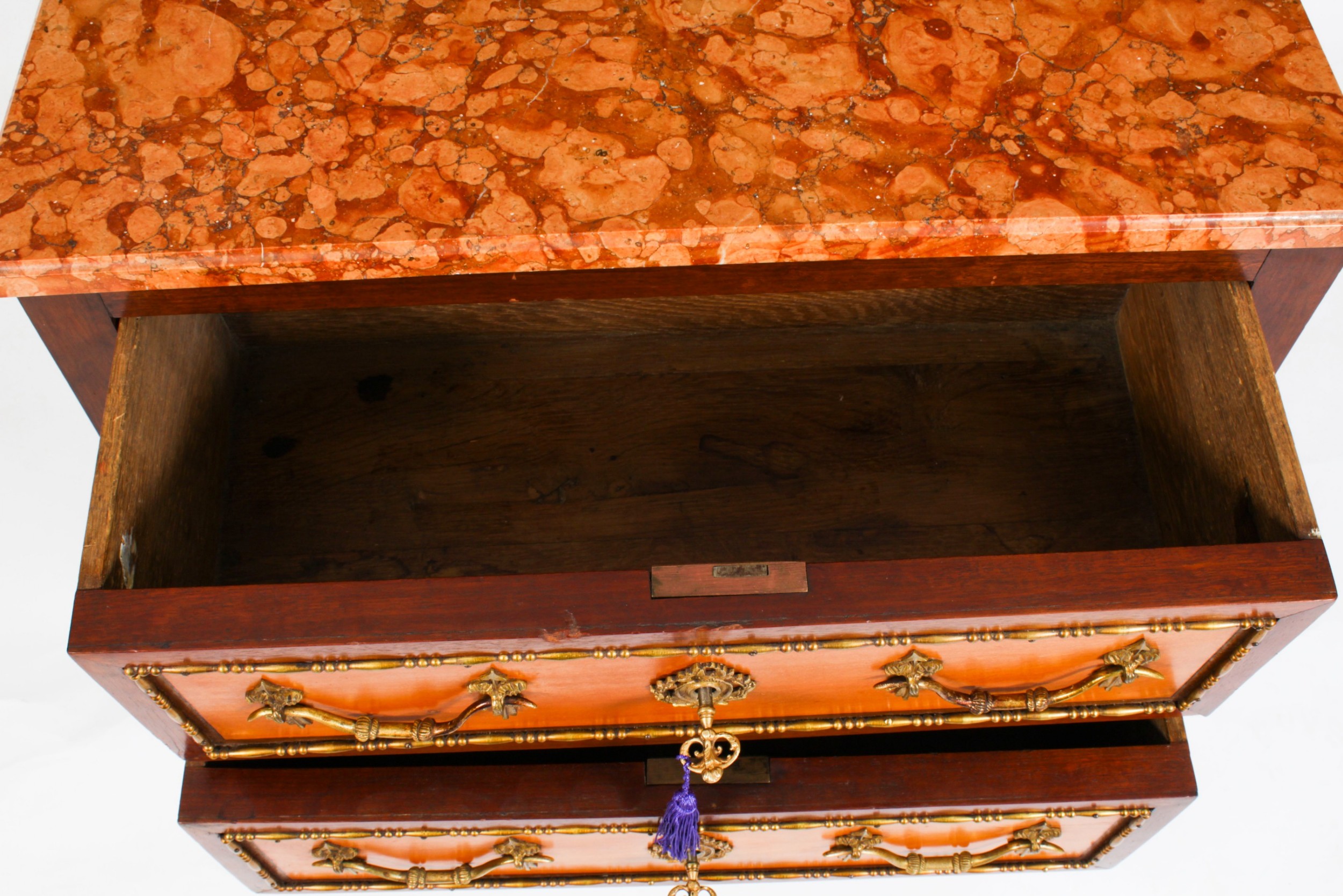
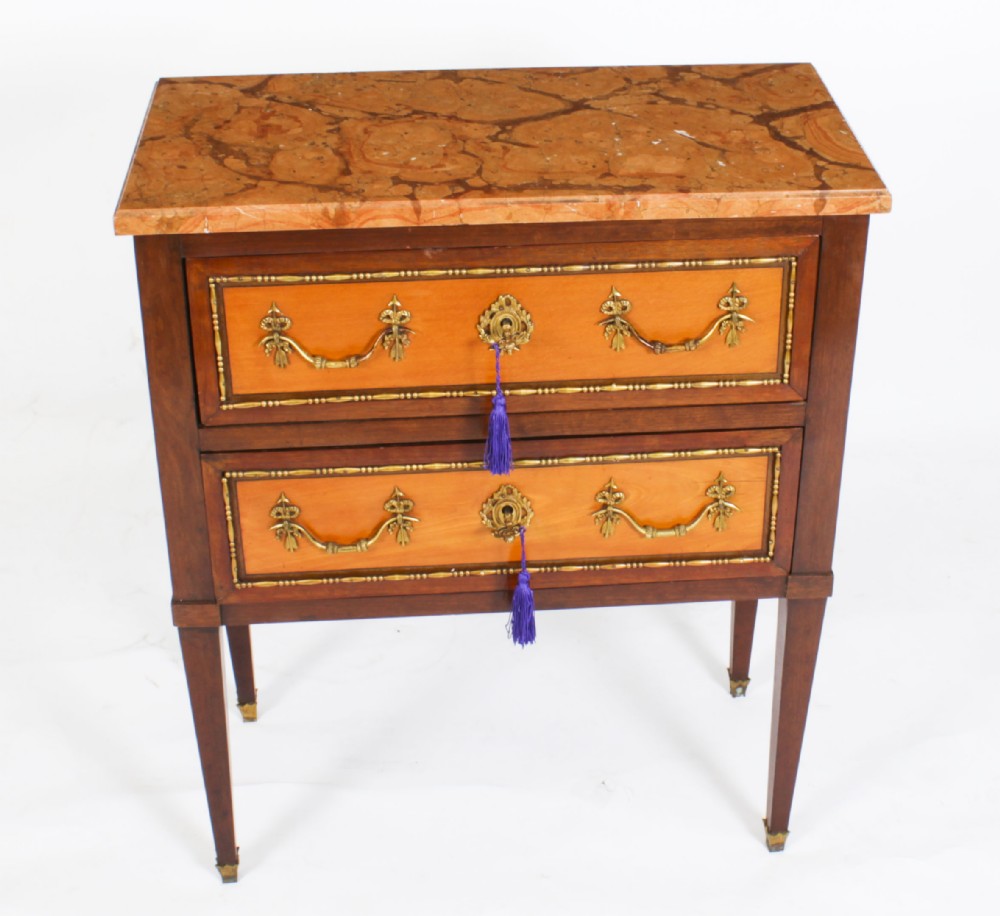
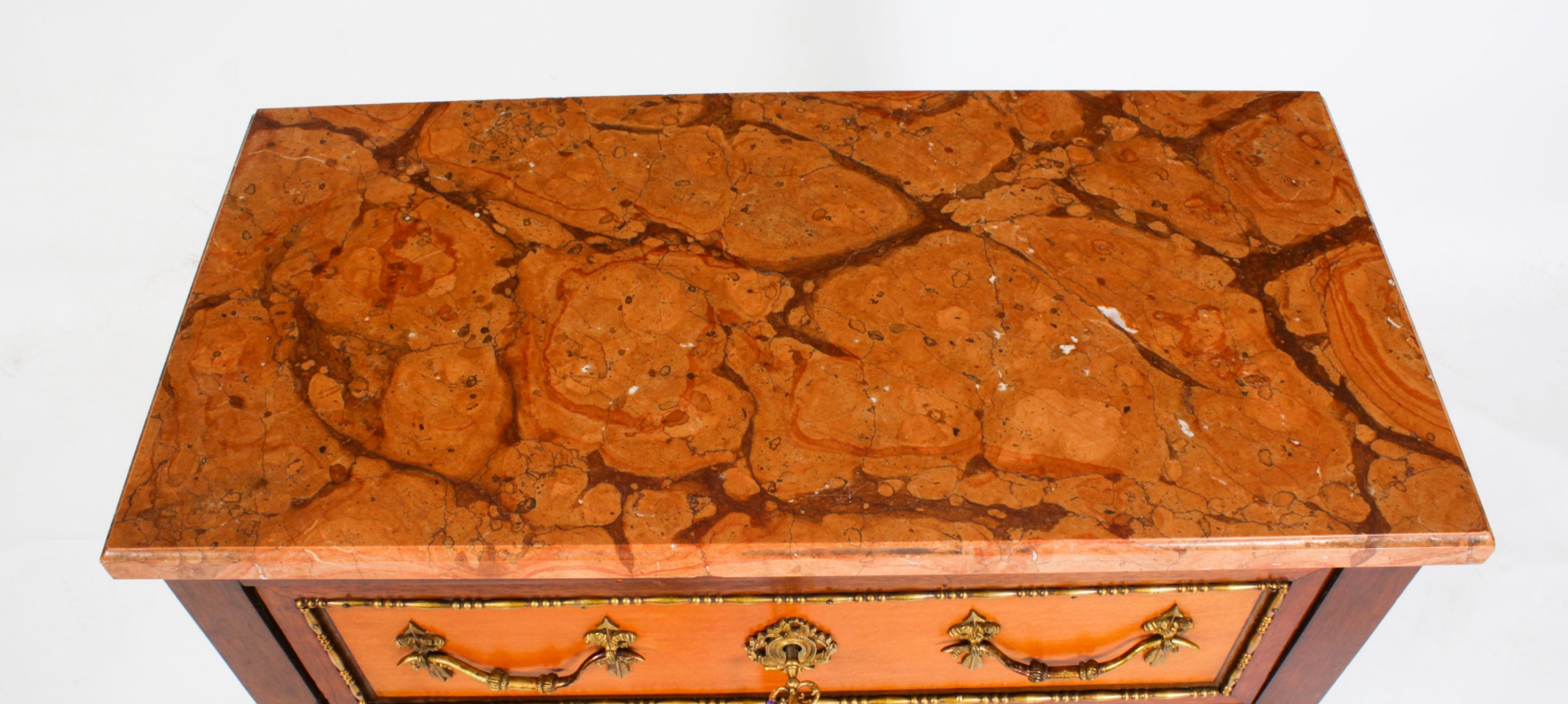
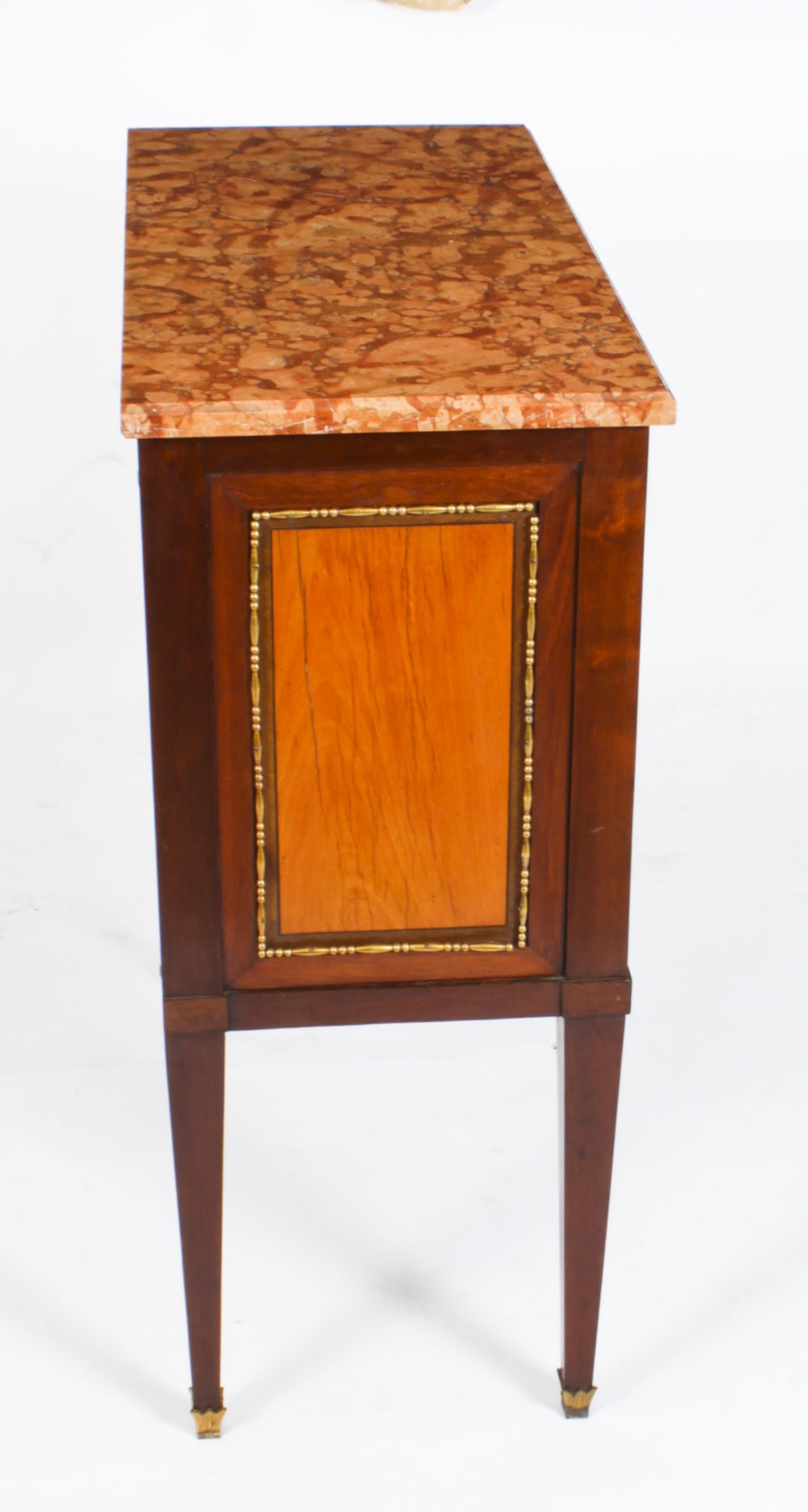
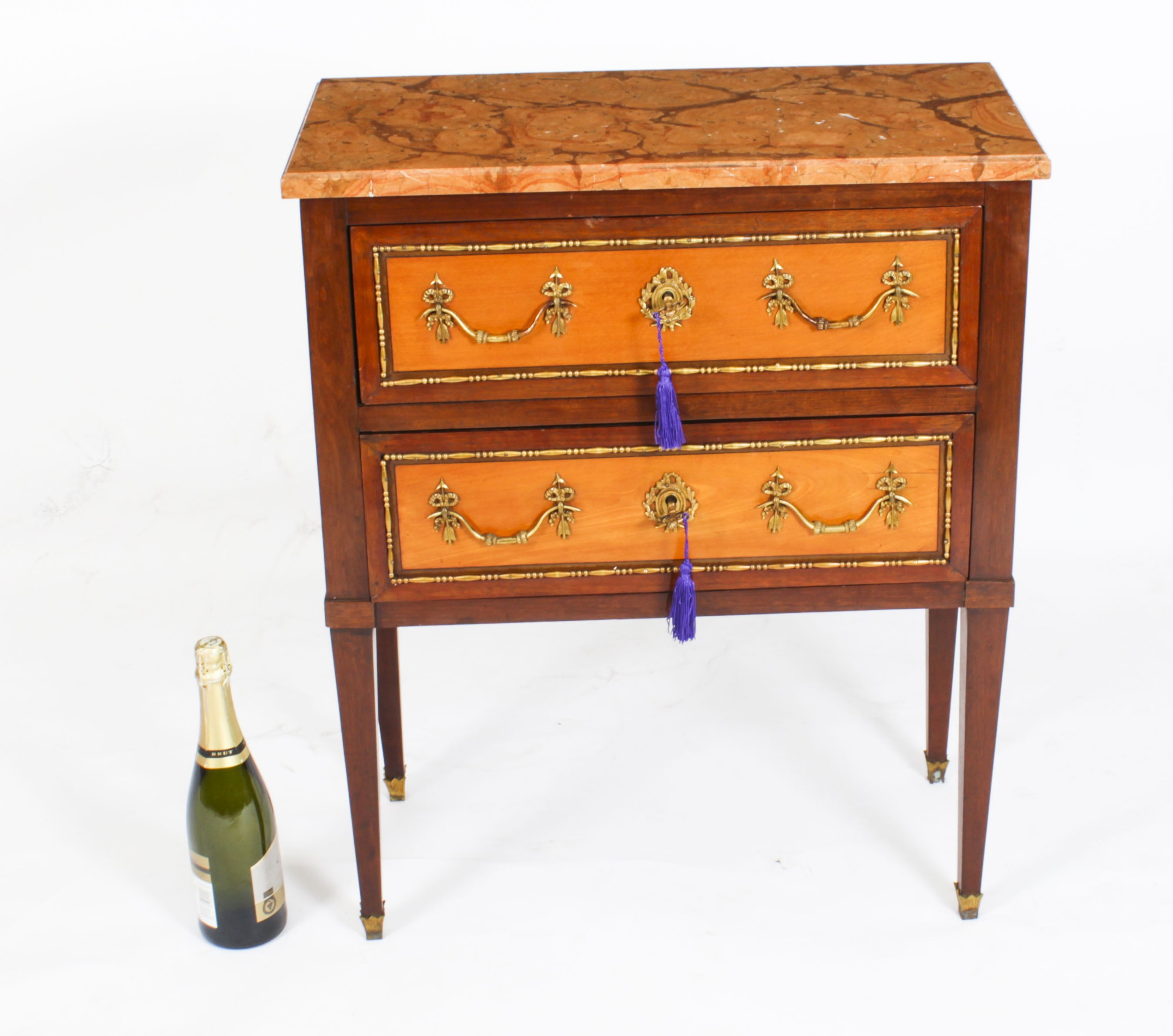
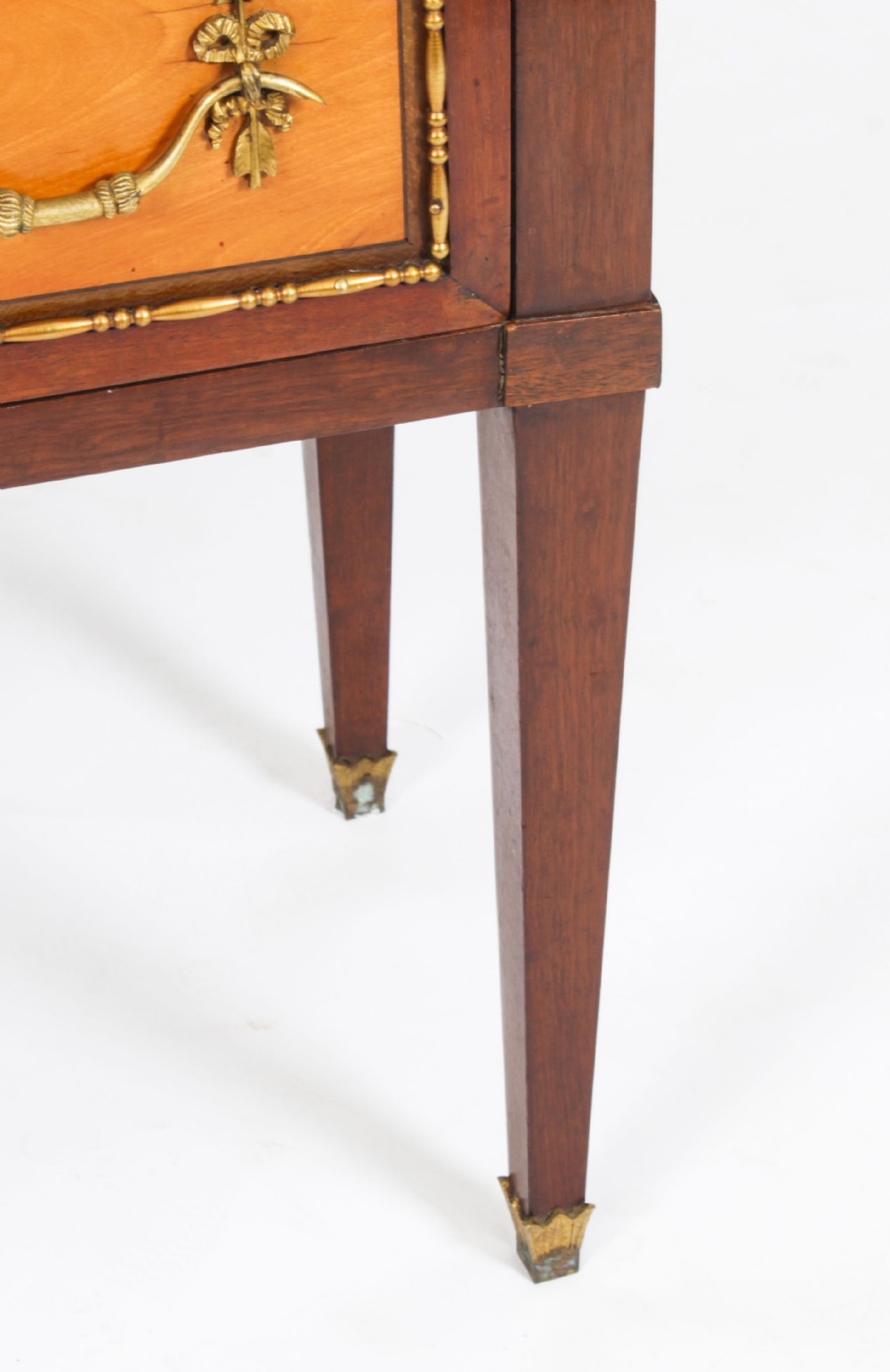
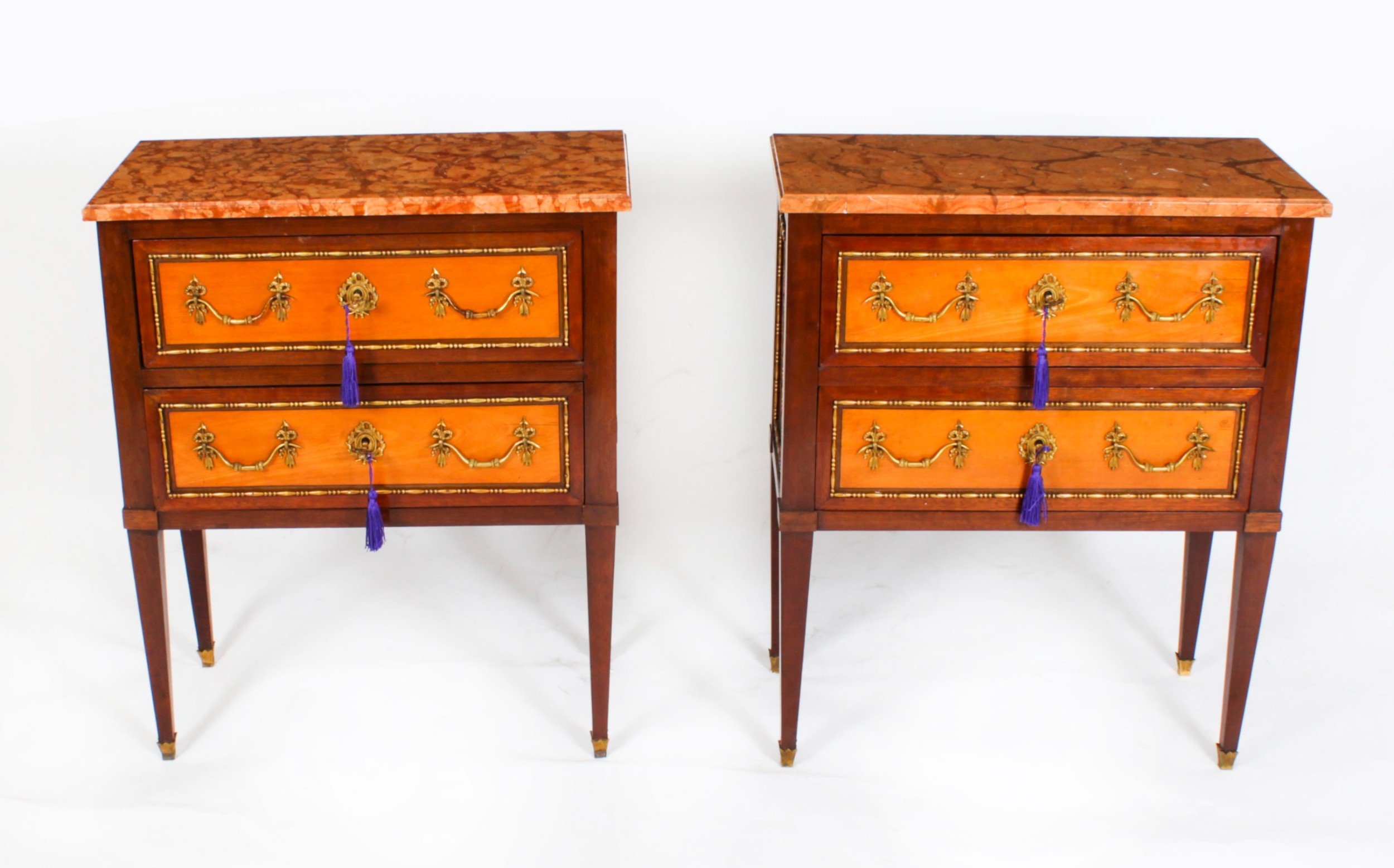
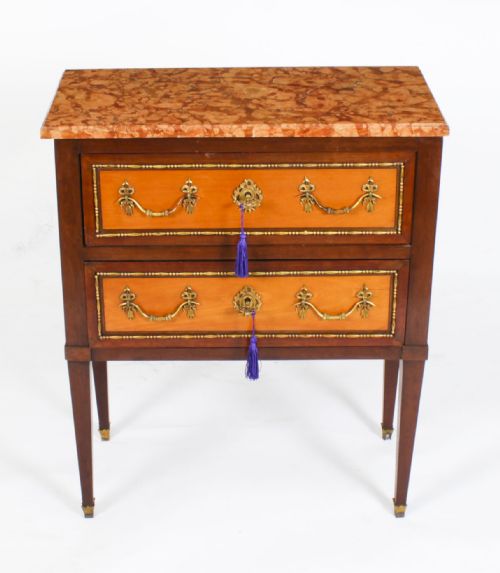
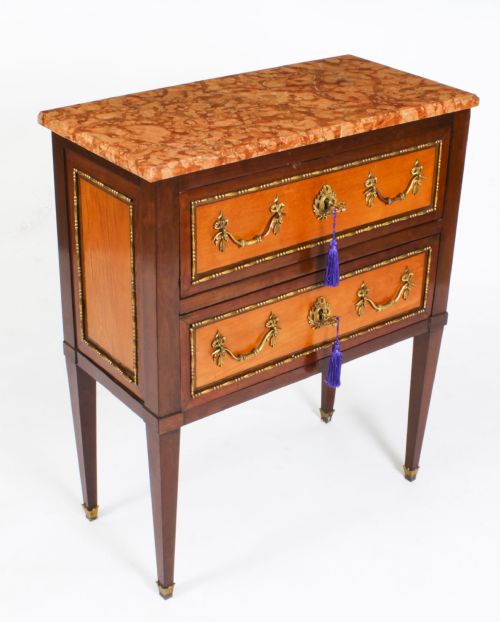
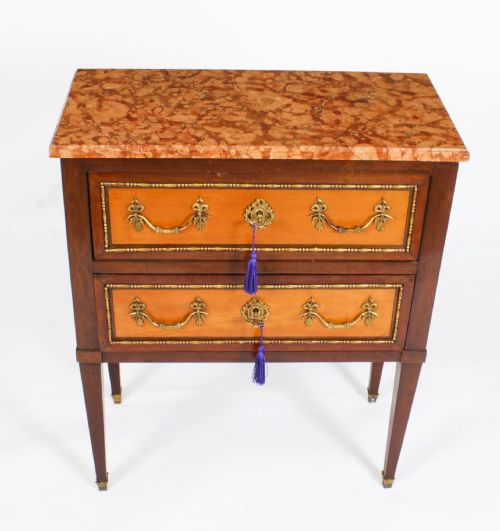
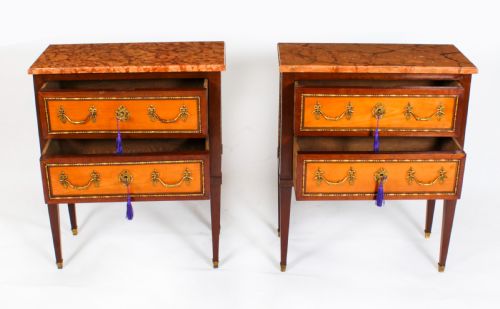
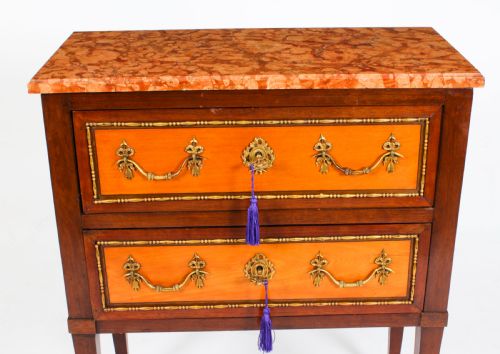
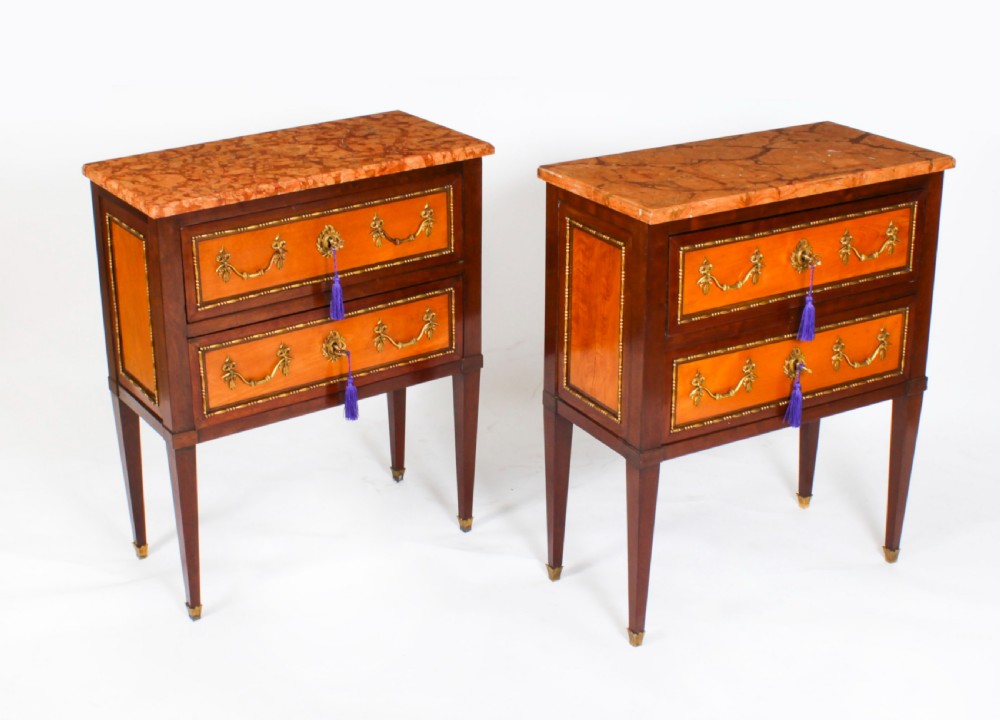
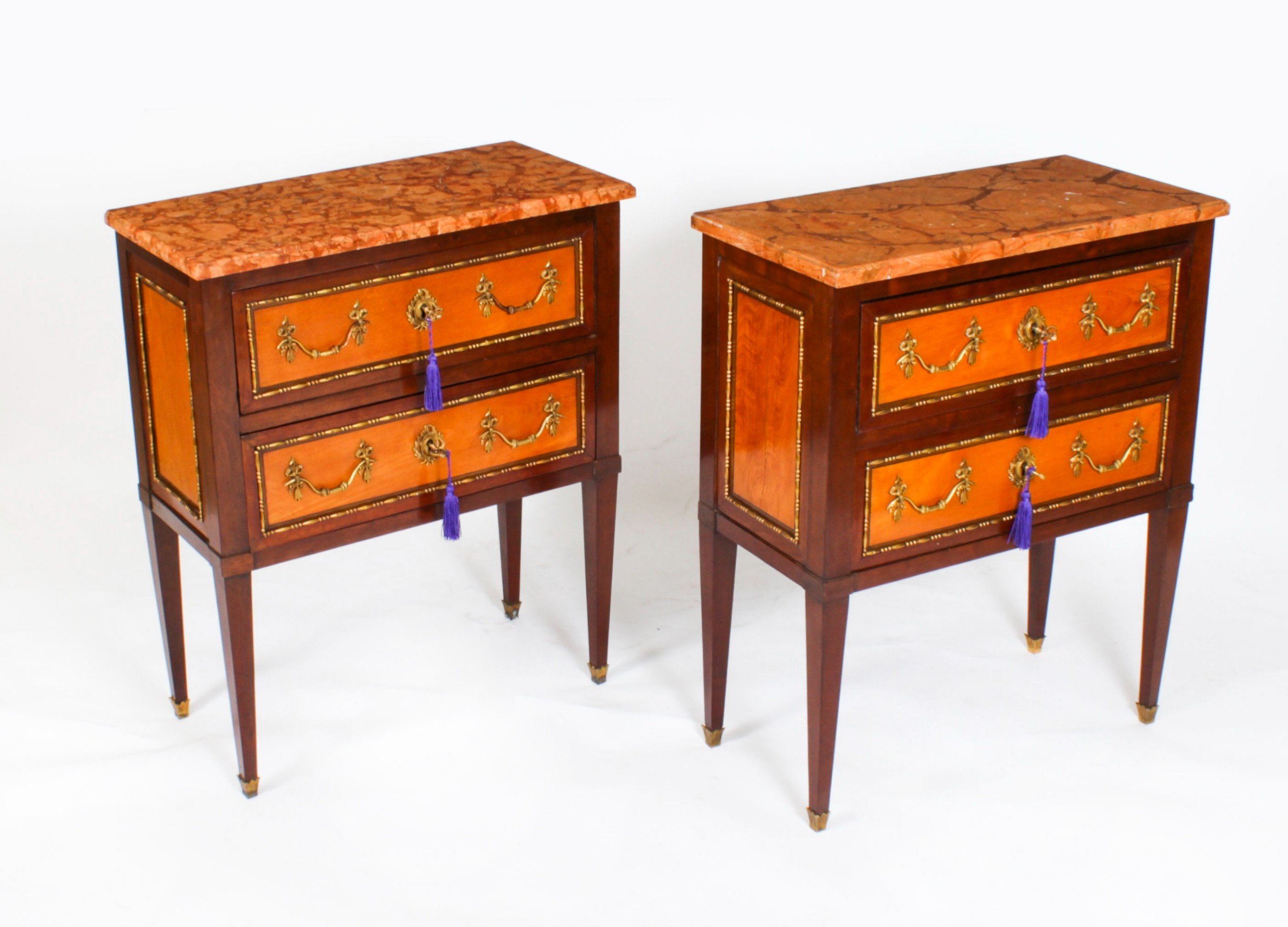
To add extra opulence to this wonderful pair, each has luxurious gilded ormolu mounts and handles.
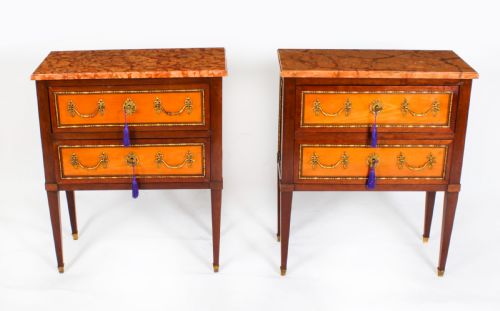
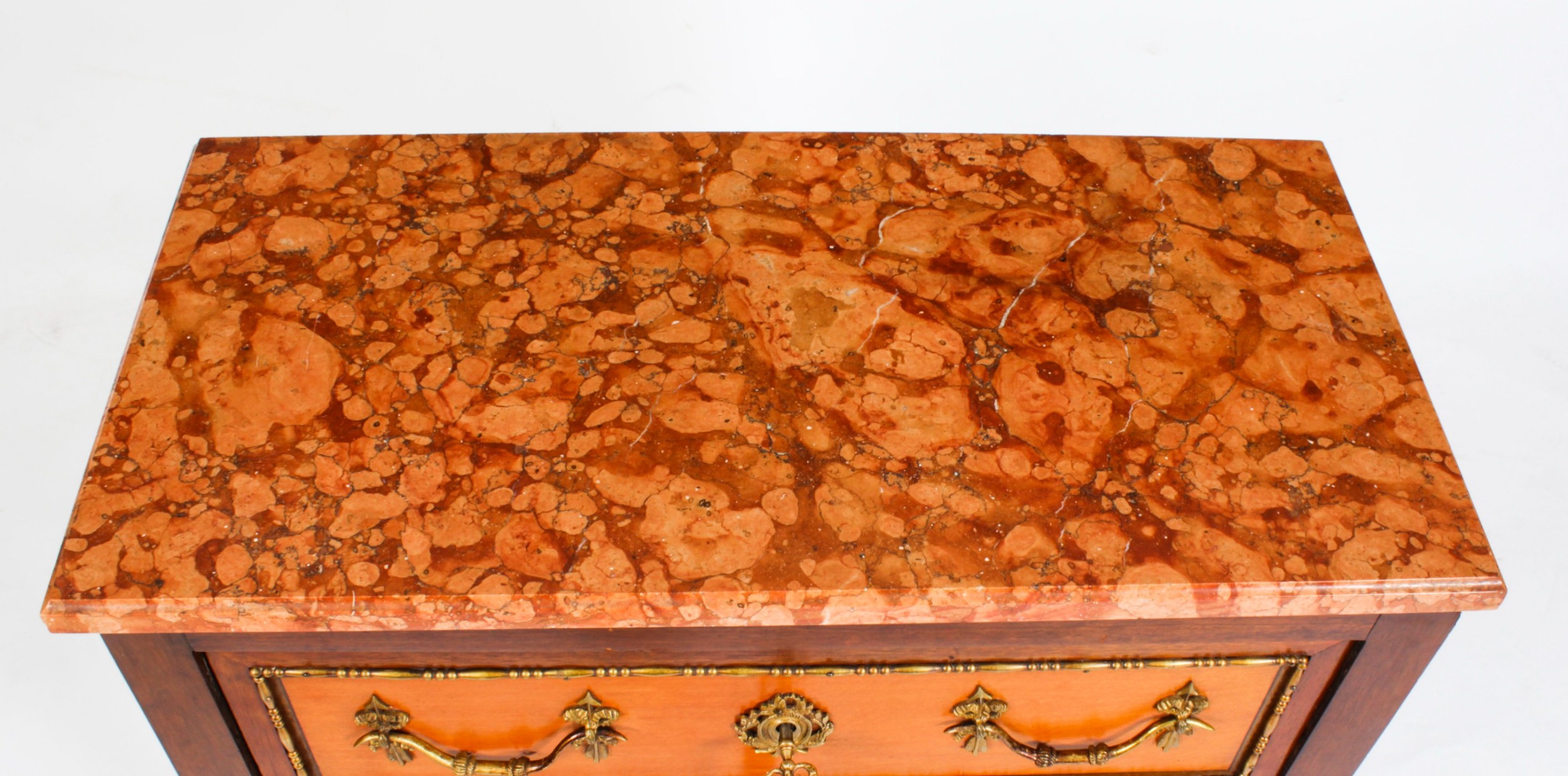
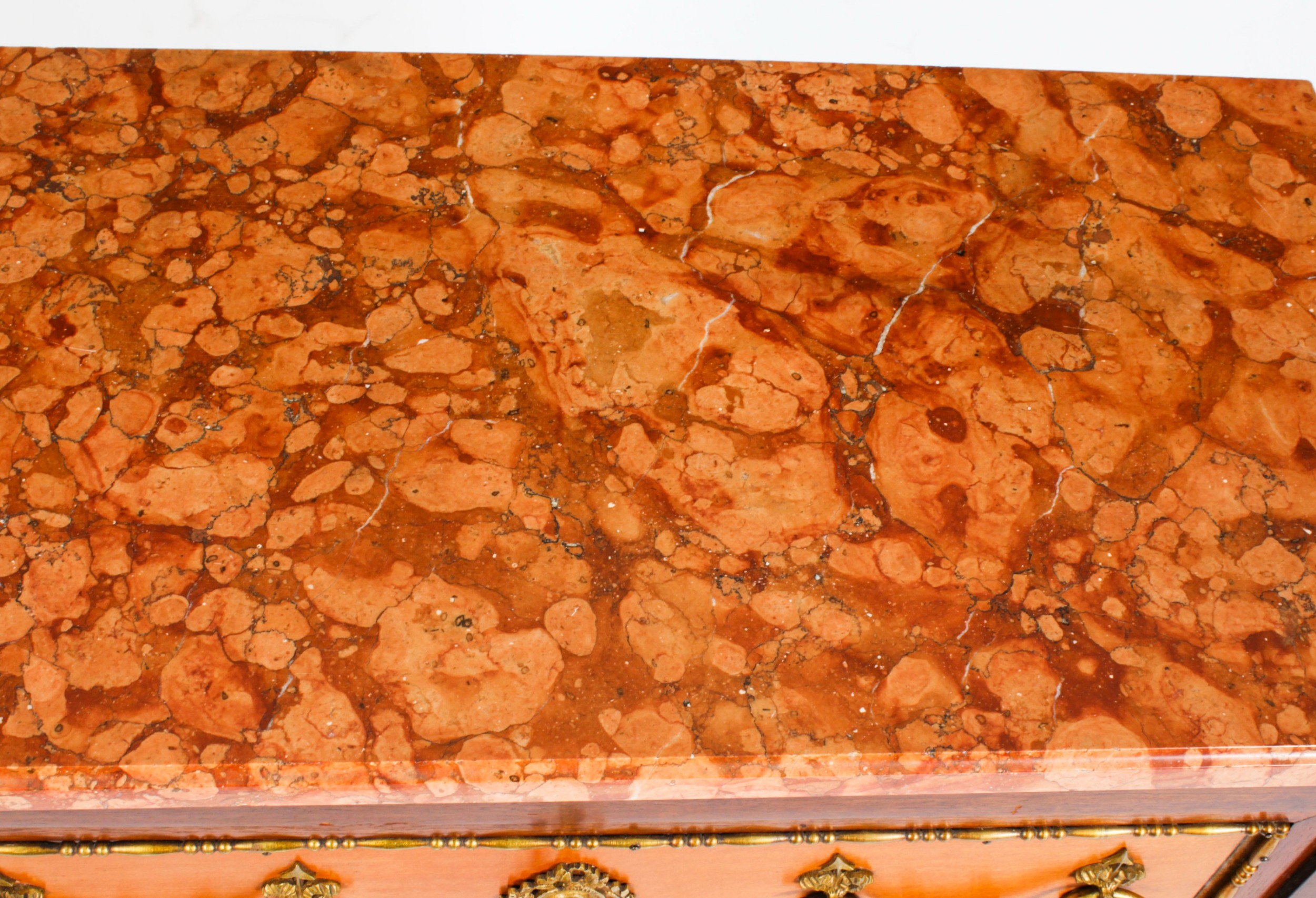
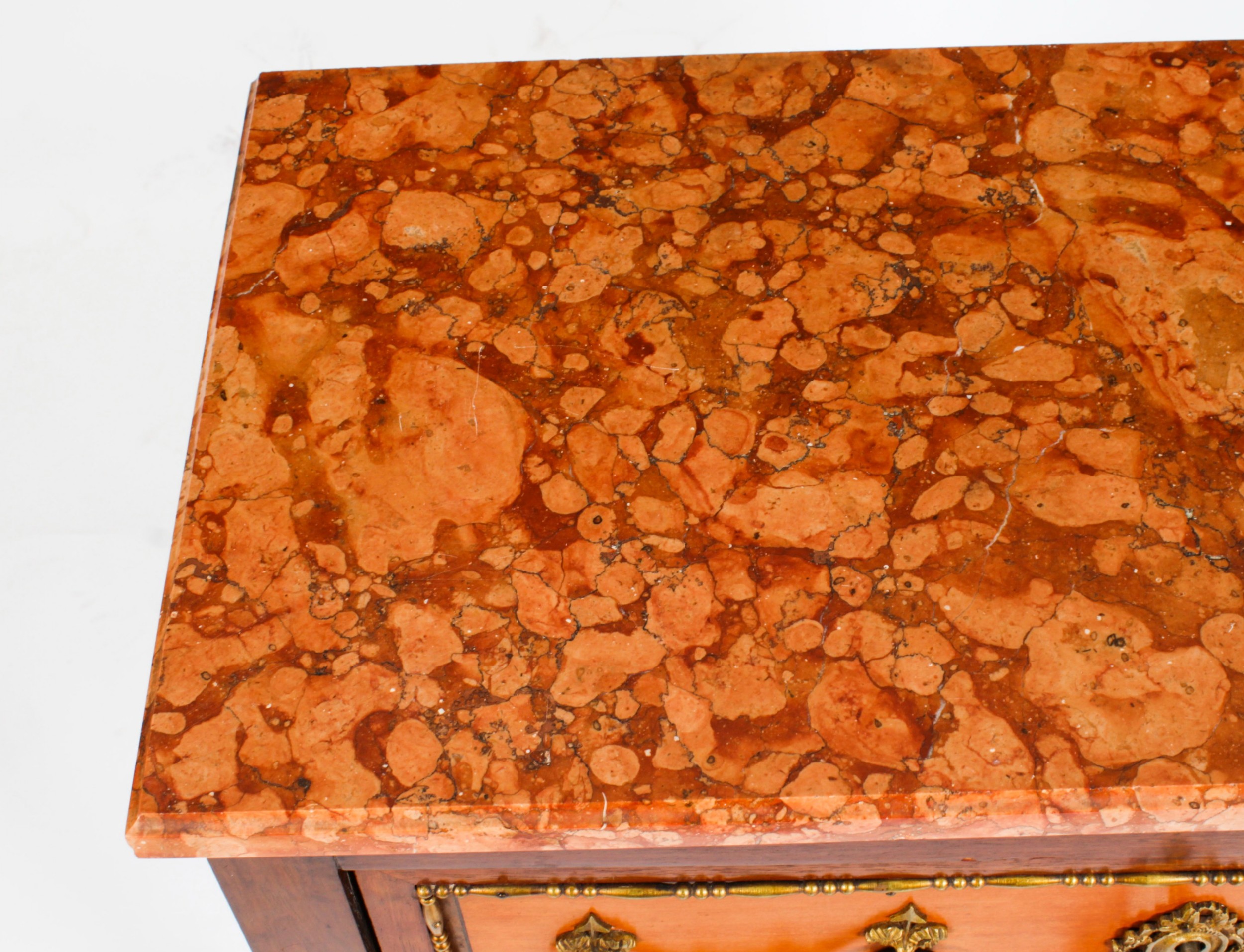
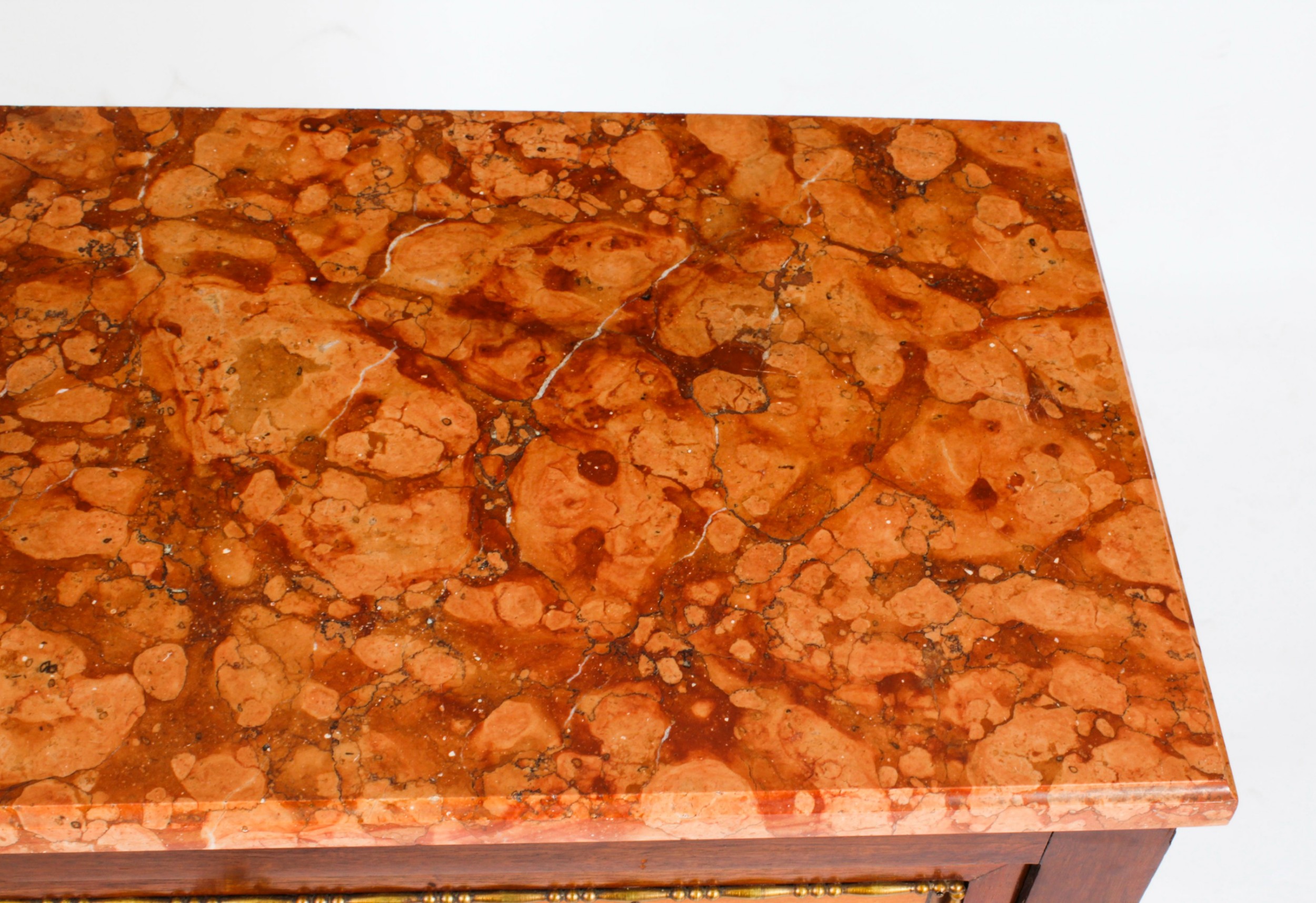
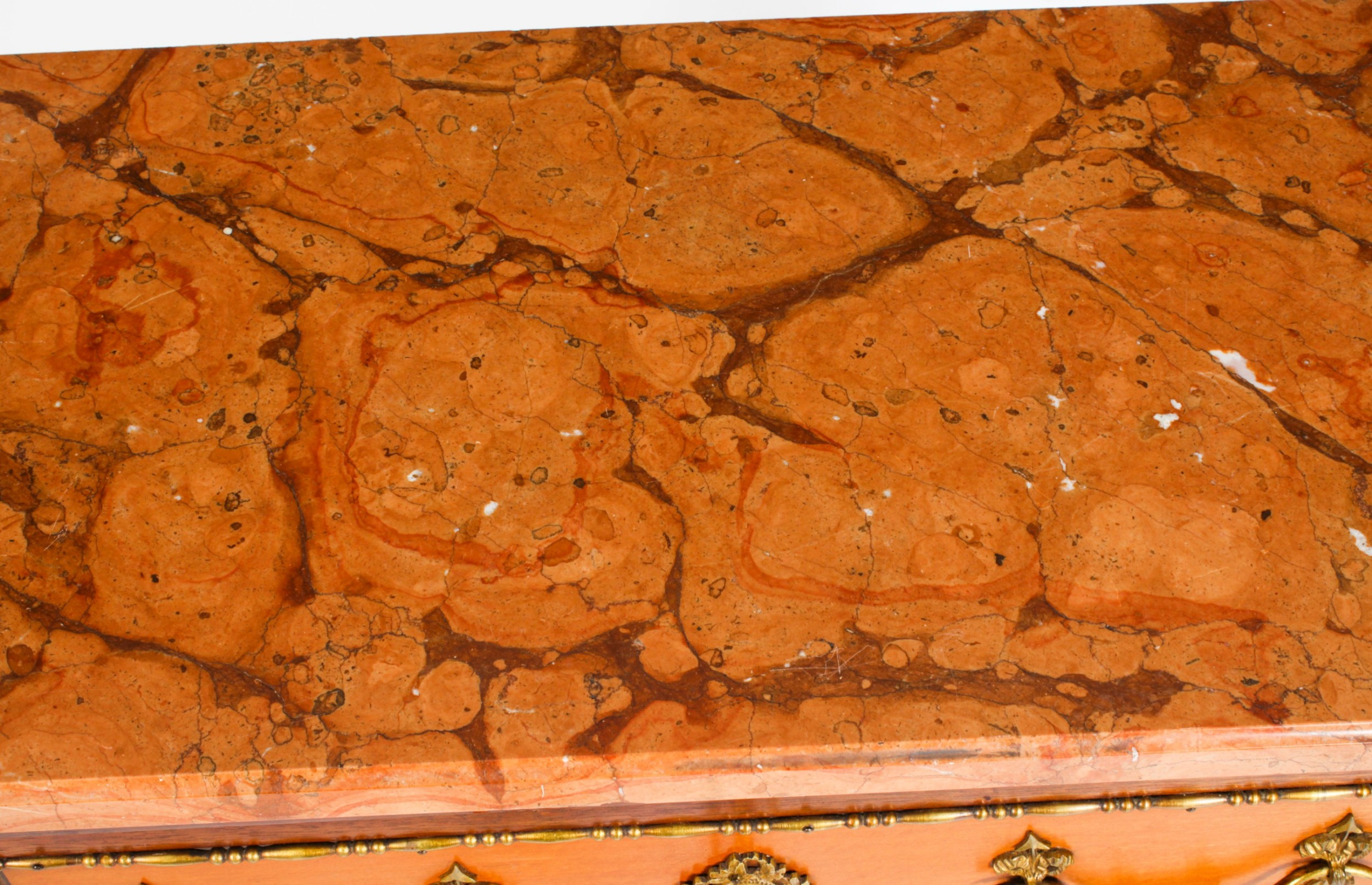
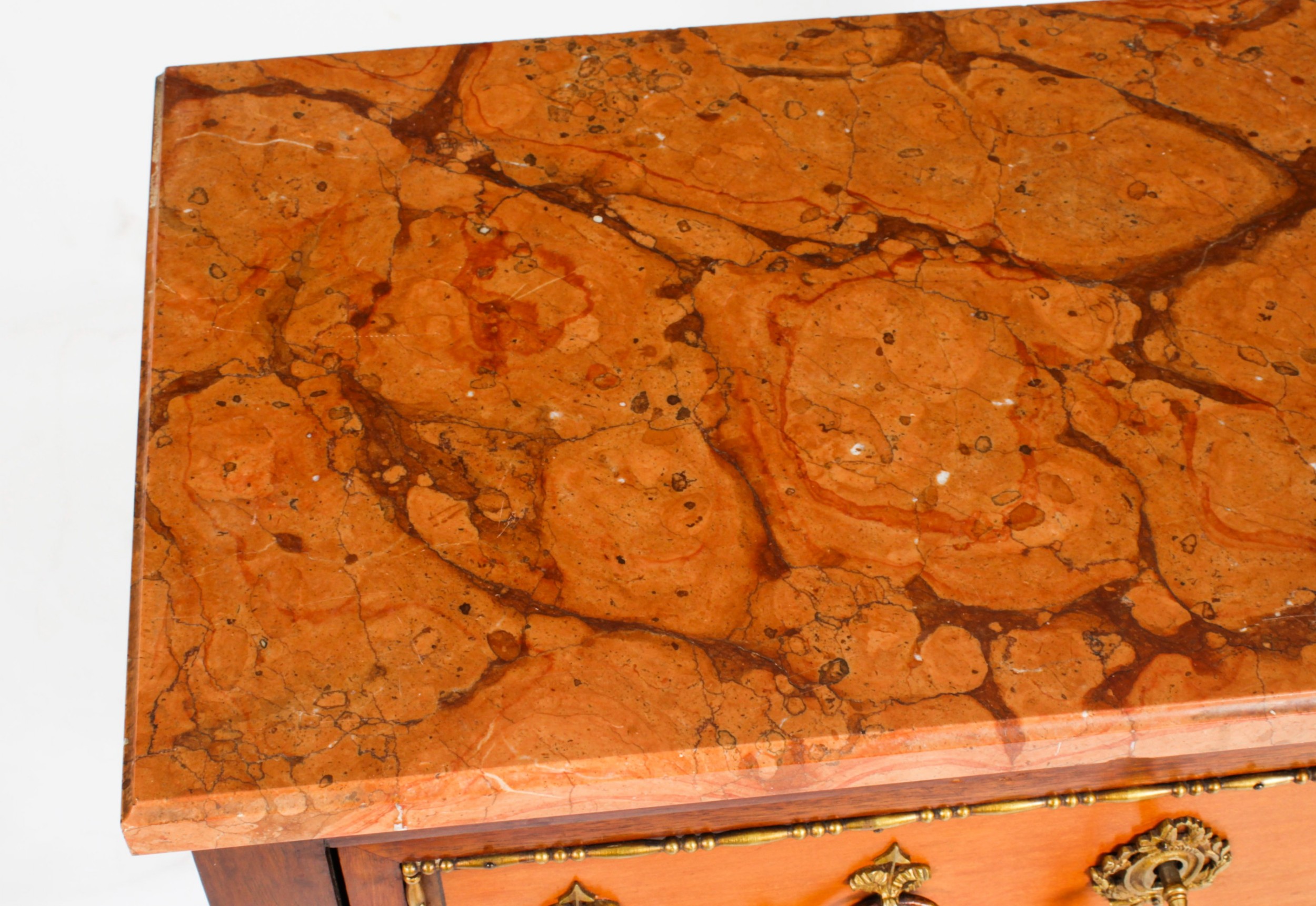
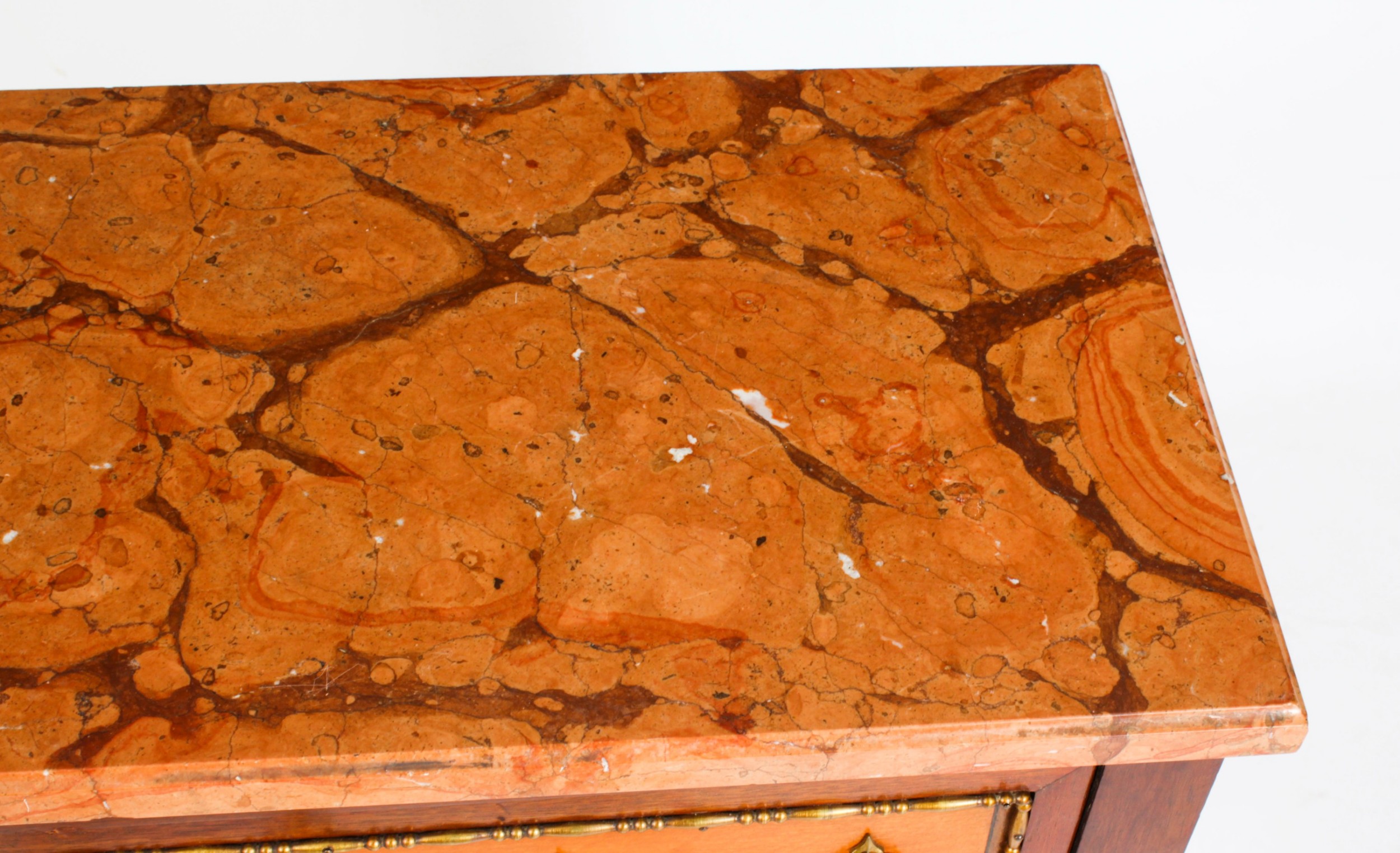
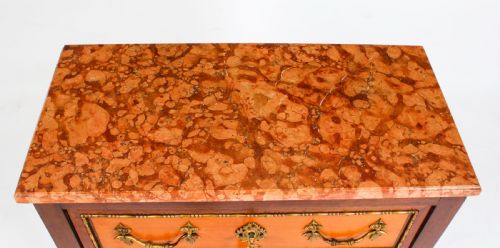
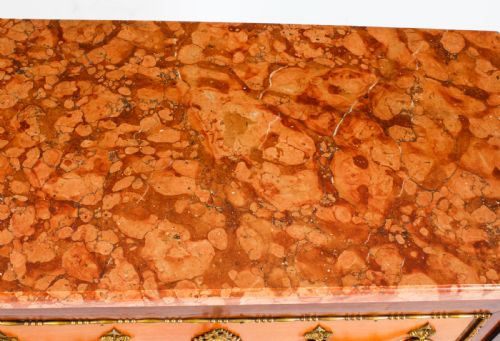
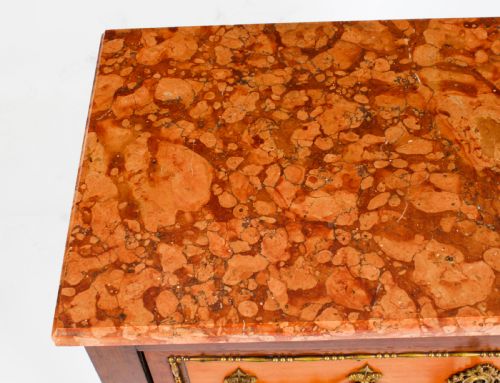
They are surmounted with distinctive Rosso Carpazi marble tops and are raised upon square tapered legs with ormolu sabots.
Complete with the original working locks and keys.
Add a touch of elegance to a special room in your home with this superb pair of antique commodes.
Provenance:
Purchased from Asprey, mid 1960.
Condition:
In excellent condition having been beautifully cleaned and waxed in our workshops. As antique items, the commodes show minor signs of use commensurate with age, these minor condition issues are mentioned for accuracy and, as seen in the accompanying photographs, they display beautifully.
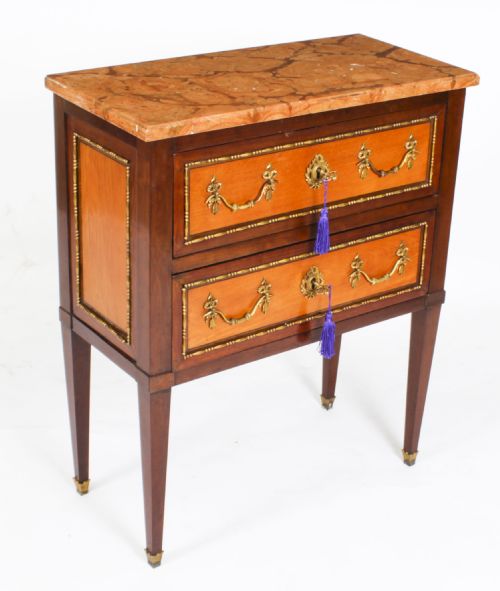
Please see photos for confirmation
Dimensions in cm:
Height 79 x Width 66 x Depth 32
Dimensions in inches:
Height 2 foot, 7 inches x Width 2 foot, 2 inches x Depth 1 foot, 1 inch
Rosso Carpazi Marble is a material born out of the mountains of Albania. The brown-red ground mass of this beautiful marble is partially brecciated and quite rich. This natural stone exudes an element of passion and elegance and is ideal as a special piece on fine furnishings.
Ormolu - Gilt Bronze (from French 'or moulu', signifying ground or pounded gold) is an 18th-century English term for applying finely ground, high-carat gold in a mercury amalgam to an object of bronze.The mercury is driven off in a kiln leaving behind a gold-coloured veneer known as 'gilt bronze'.
The manufacture of true ormolu employs a process known as mercury-gilding or fire-gilding, in which a solution of nitrate of mercury is applied to a piece of copper, brass, or bronze, followed by the application of an amalgam of gold and mercury. The item was then exposed to extreme heat until the mercury burned off and the gold remained, adhered to the metal object.
Satinwood
is a hard and durable wood with a satinlike sheen, much used in cabinetmaking, especially in marquetry. It comes from two tropical trees of the family Rutaceae (rue family). East Indian or Ceylon satinwood is the yellowish or dark-brown heartwood of Chloroxylon swietenia.
The lustrous, fine-grained, usually figured wood is used for furniture, cabinetwork, veneers, and backs of brushes. West Indian satinwood, sometimes called yellow wood, is considered superior. It is the golden yellow, lustrous, even-grained wood found in the Florida Keys and the West Indies.
It has long been valued for furniture. It is also used for musical instruments, veneers, and other purposes. Satinwood is classified in the division Magnoliophyta, class Magnoliopsida, order Sapindales, family Rutaceae.
Asprey was established in England in 1781 and founded as a silk printing business by William Asprey, it soon became a luxury emporium. In 1841, William Asprey's elder son Charles went into partnership with a stationer located on London's Bond Street. In 1847 the family broke with this partner and moved into 167 New Bond Street, the premises Asprey occupies today.
From its central London location Asprey advertised 'articles of exclusive design and high quality, whether for personal adornment or personal accompaniment and to endow with richness and beauty the table and homes of people of refinement and discernment.' An early speciality was dressing cases. Asprey crafted traditional cases and designs, mostly in leather, suitable for the new style of travel ushered in by railways. The main competitors at the time were H.J. Cave & Sons. Asprey was recognised for its expertise when it won a gold medal for its dressing cases at
Regent Antiques has dated this piece to the 19th Century.
We specialise in english and continental furniture, silver, porcelain and decorative items.
You can view the stock and full dealer information on the Regent Antiques Profile Page
Regent Antiques is a registered member of LAPADA CINOA
Antique Pair Satinwood Bedside Commodes Cabinets Chests 19th C