28,339  PAGES BROWSED TODAY PAGES TODAY • 105 ANTIQUES UPLOADED TODAYNEW ARRIVALS
GIFTS
105 ITEMS ADDED TODAY
Sort Order
Items Per Page
Antiques dealer?
Join as a Seller
Browse Categories
Sort order
Items per page
sold SA765339
Sorry, but this item has been sold.
Regent Antiques

Regent Antiques

Sellingantiques Verified Since Sep 2016
Browse dealers 639 items
  • About Us
    We specialise in english and continental furniture, silver, porcelain and decorative items.
  • Trade Associations
    Regent Antiques is a registered member of LAPADA  CINOA
Id #SA765339
SHARE
SAVE

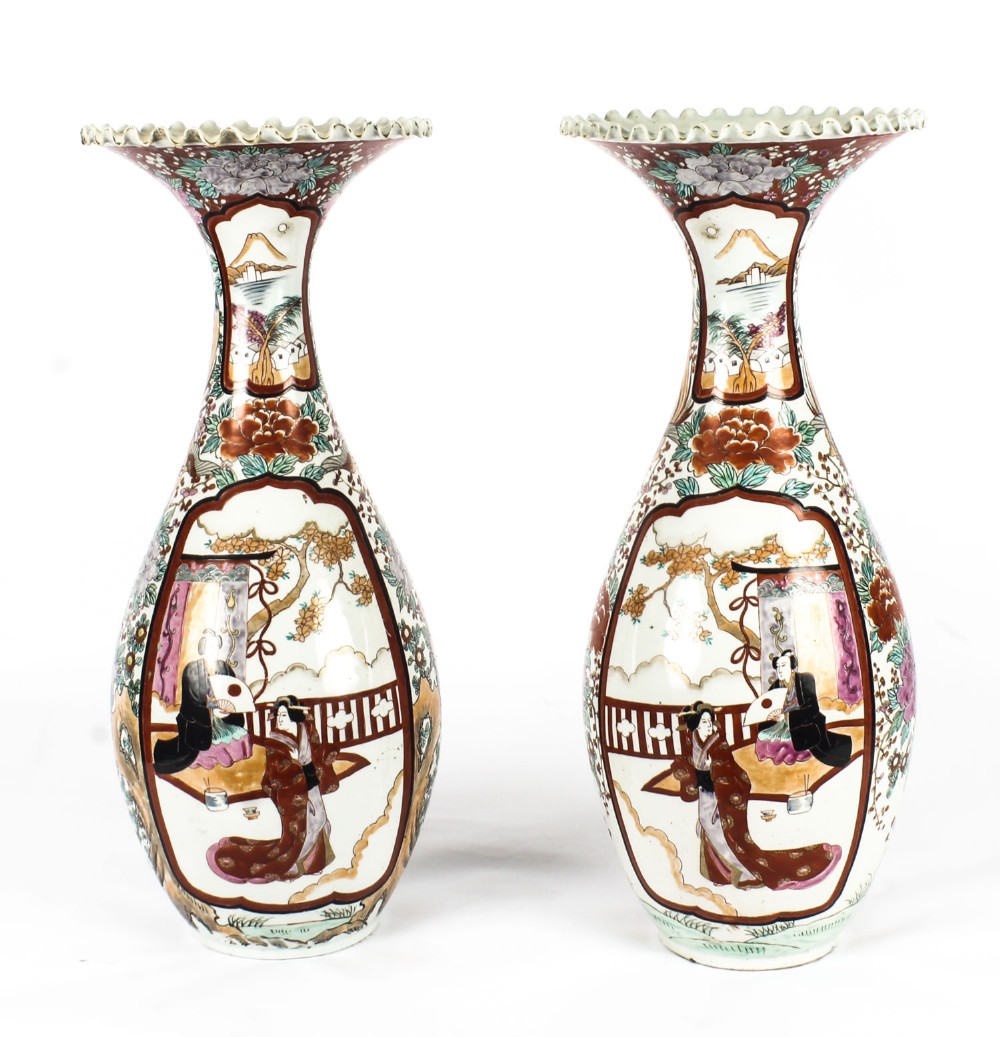
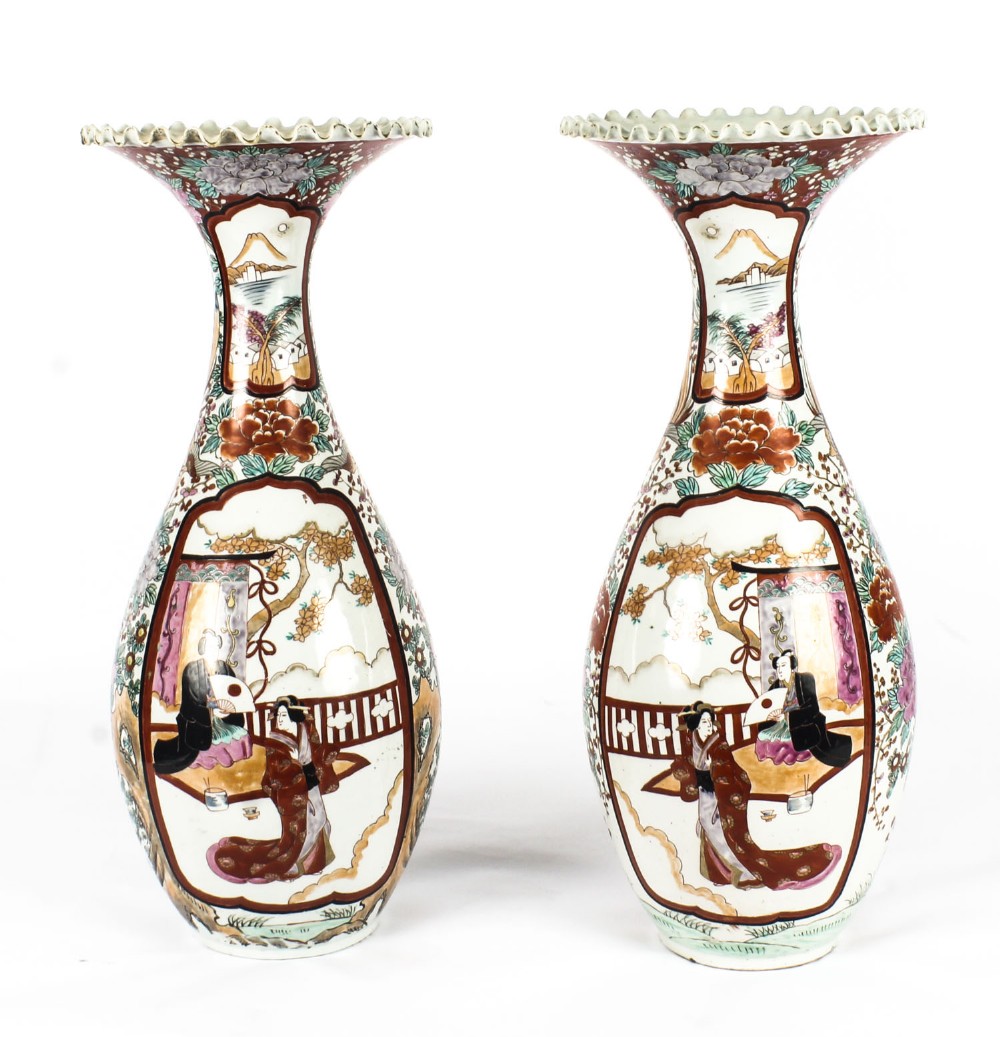
Antique Pair Japanese Meiiji Imari Porcelain Vases C1880

19th century
Sold 22 August 2023 · Regent Antiques
This “Antique Pair Japanese Meiiji Imari Porcelain Vases C1880 ” found a buyer.

It was listed by Regent Antiques. Sold pieces stay on Sellingantiques as a record of what has passed through, and the next one is rarely far away.

Description

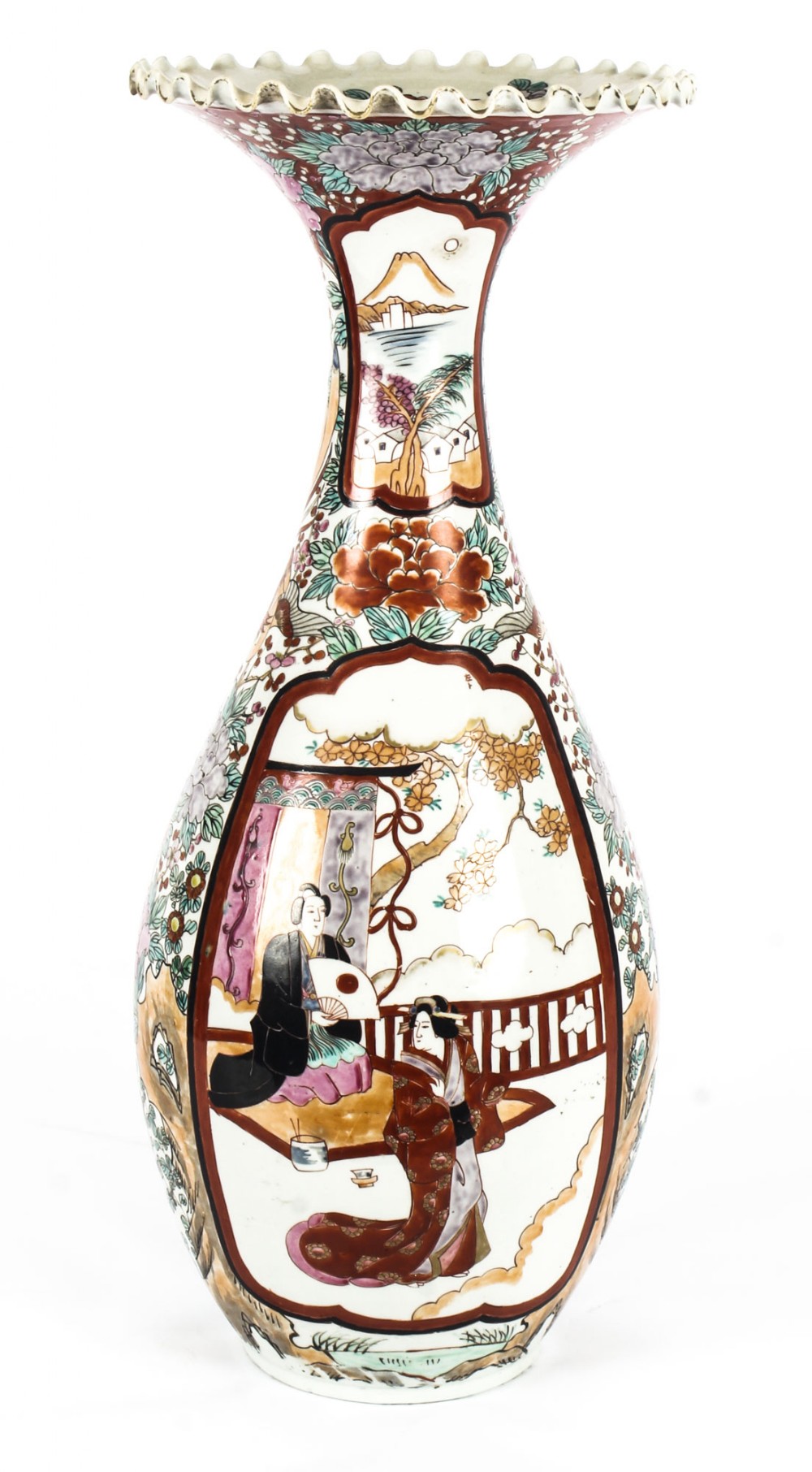
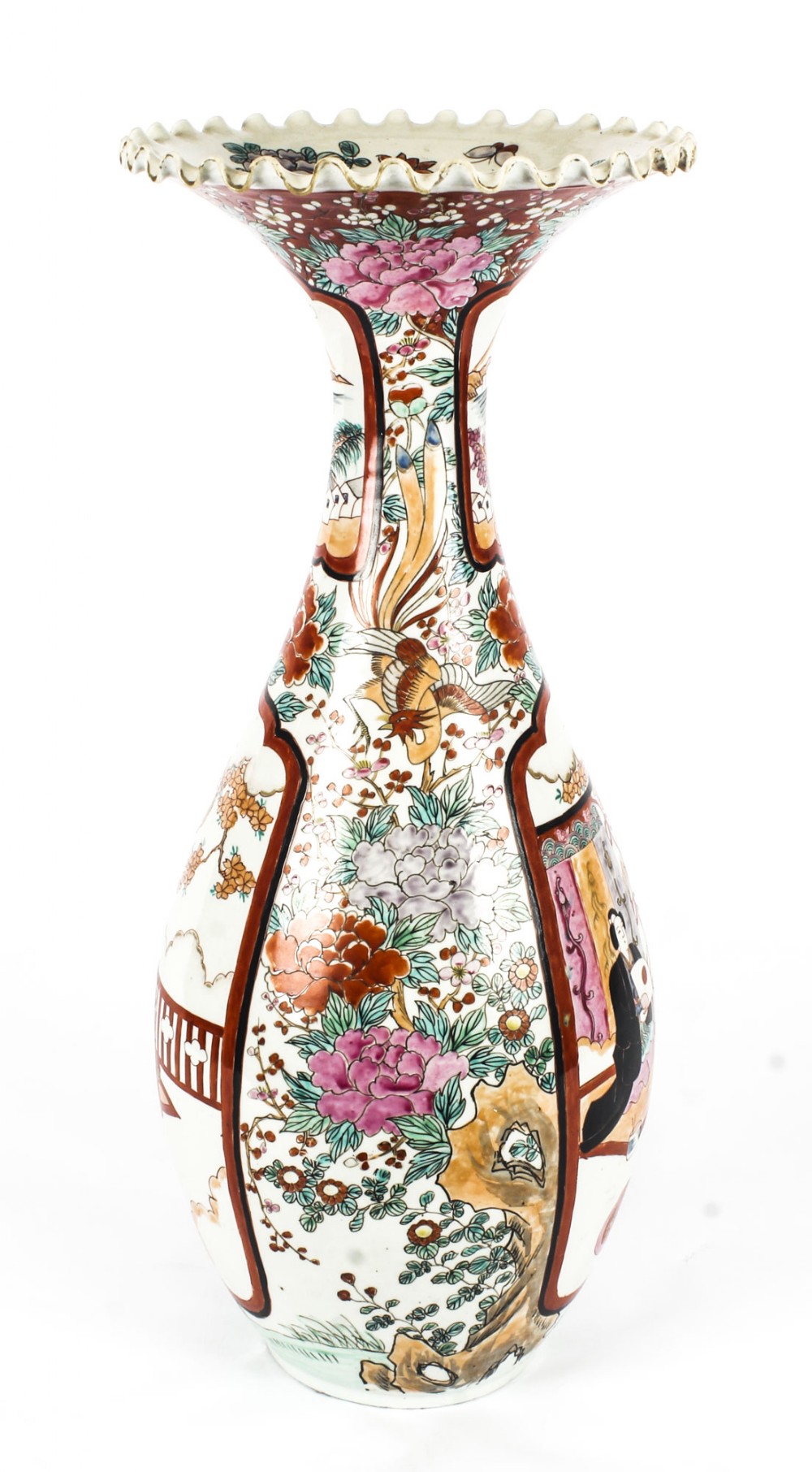
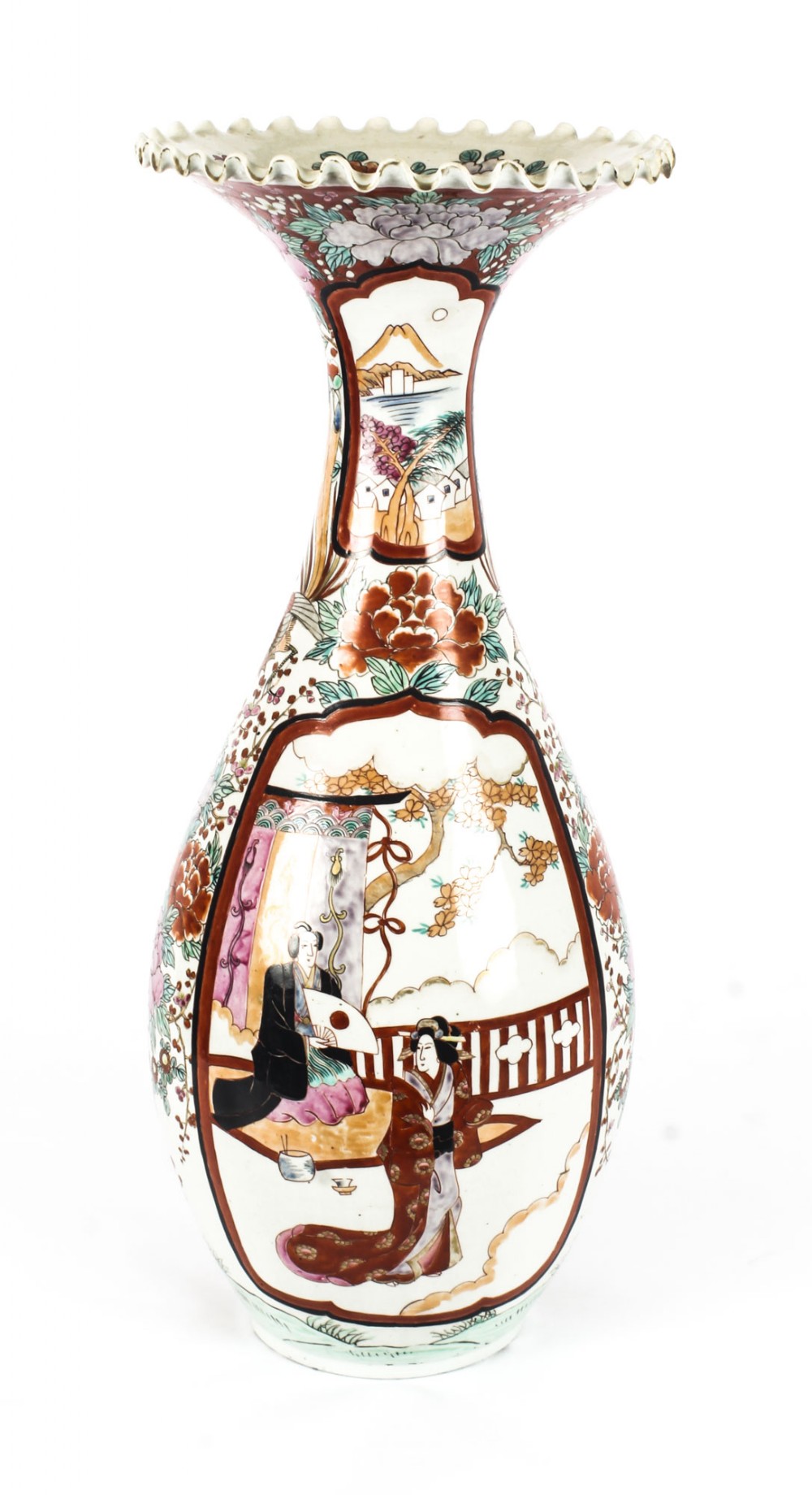
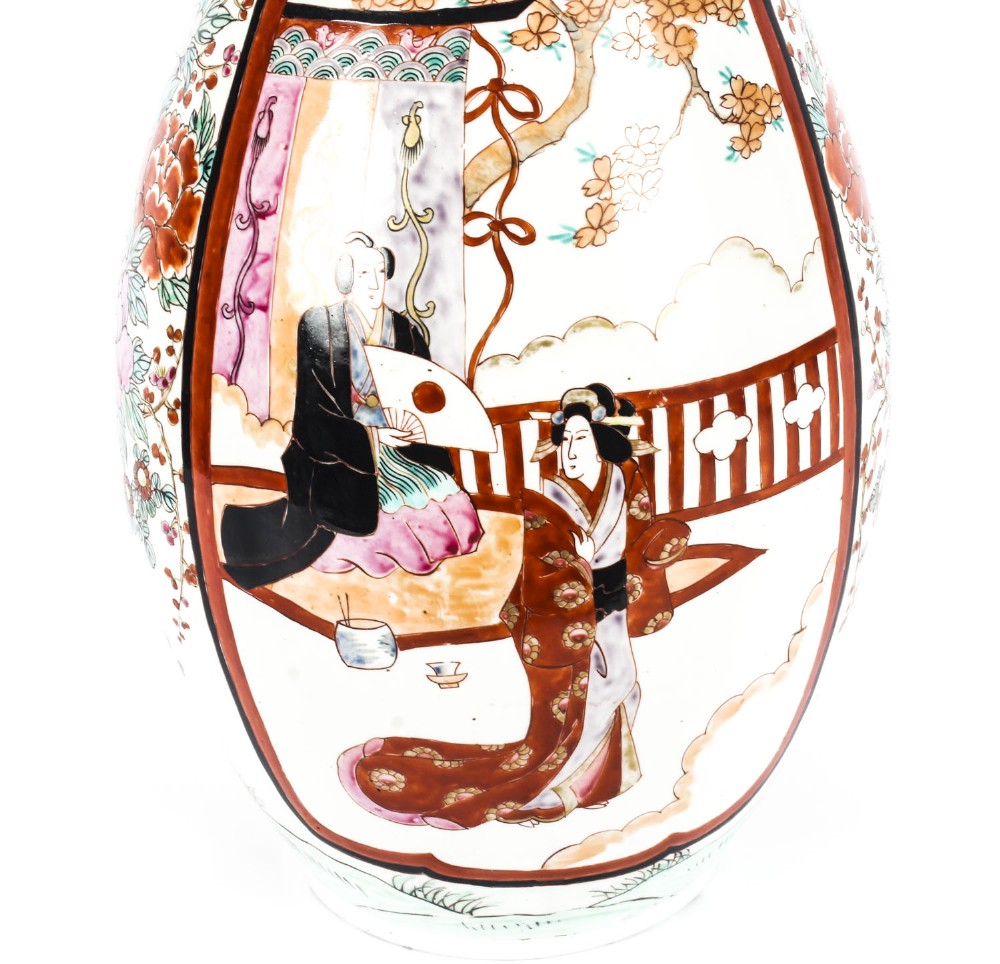
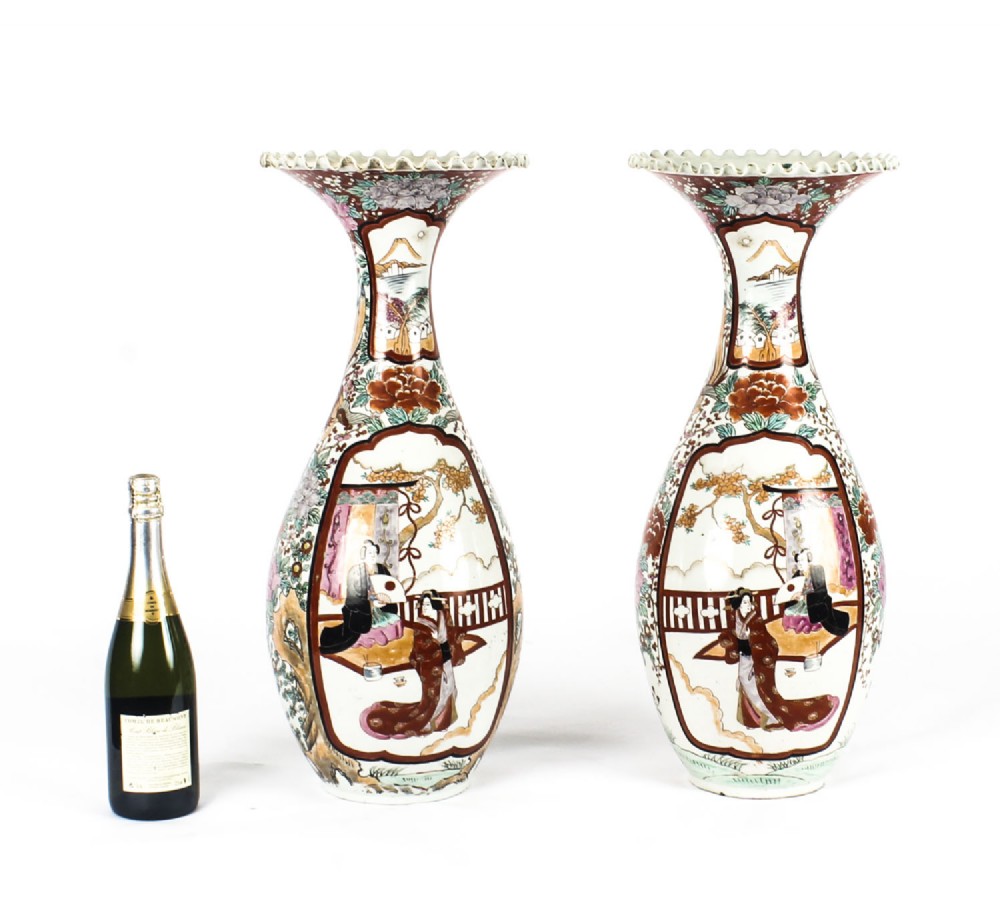
A monumental pair of Japanese Meiji period Imari porcelain vases, dating from the late 19th Century.

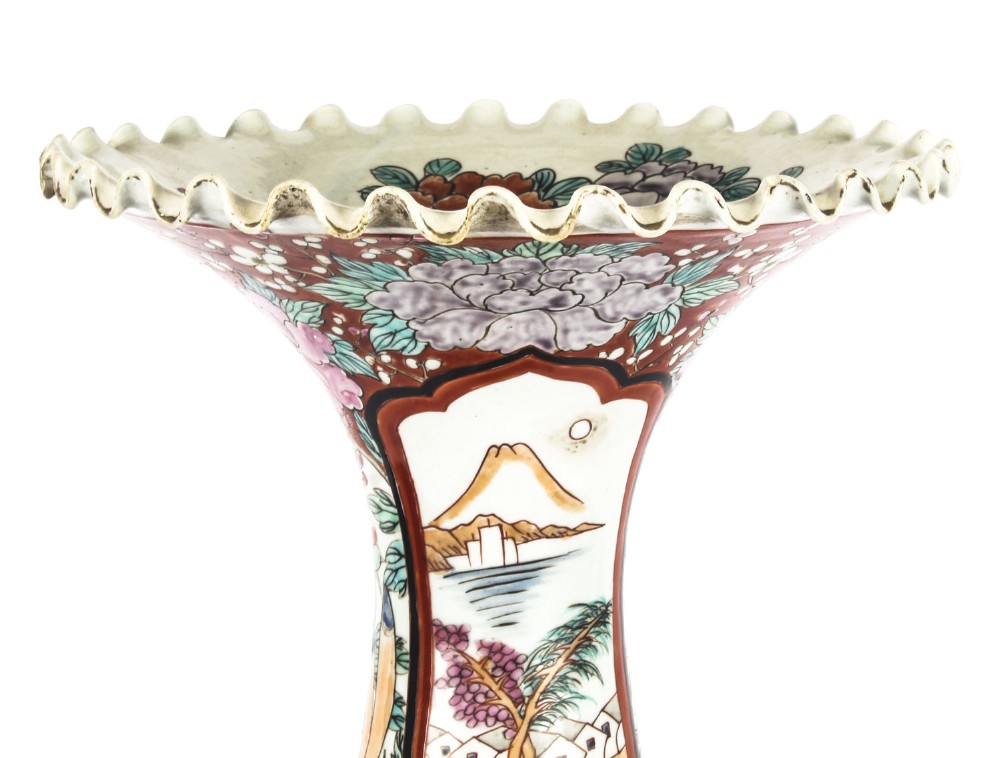
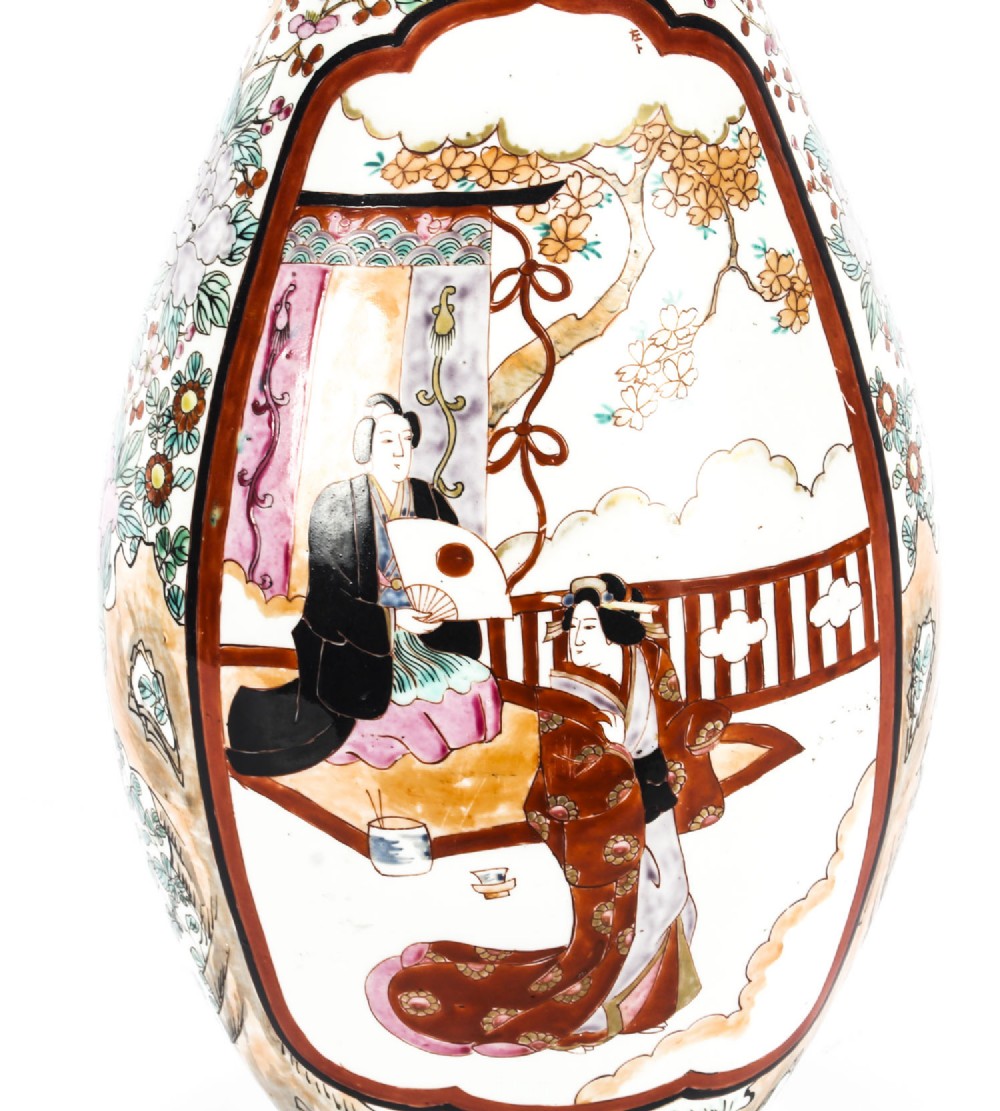
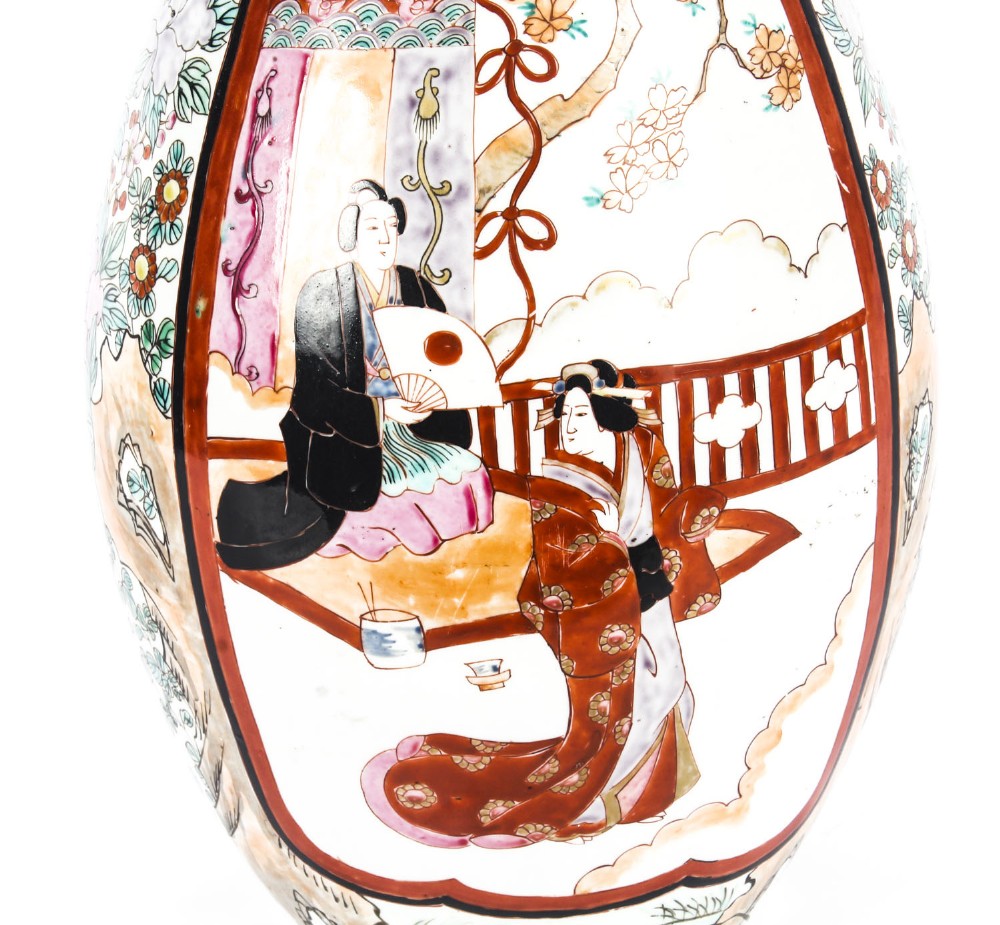
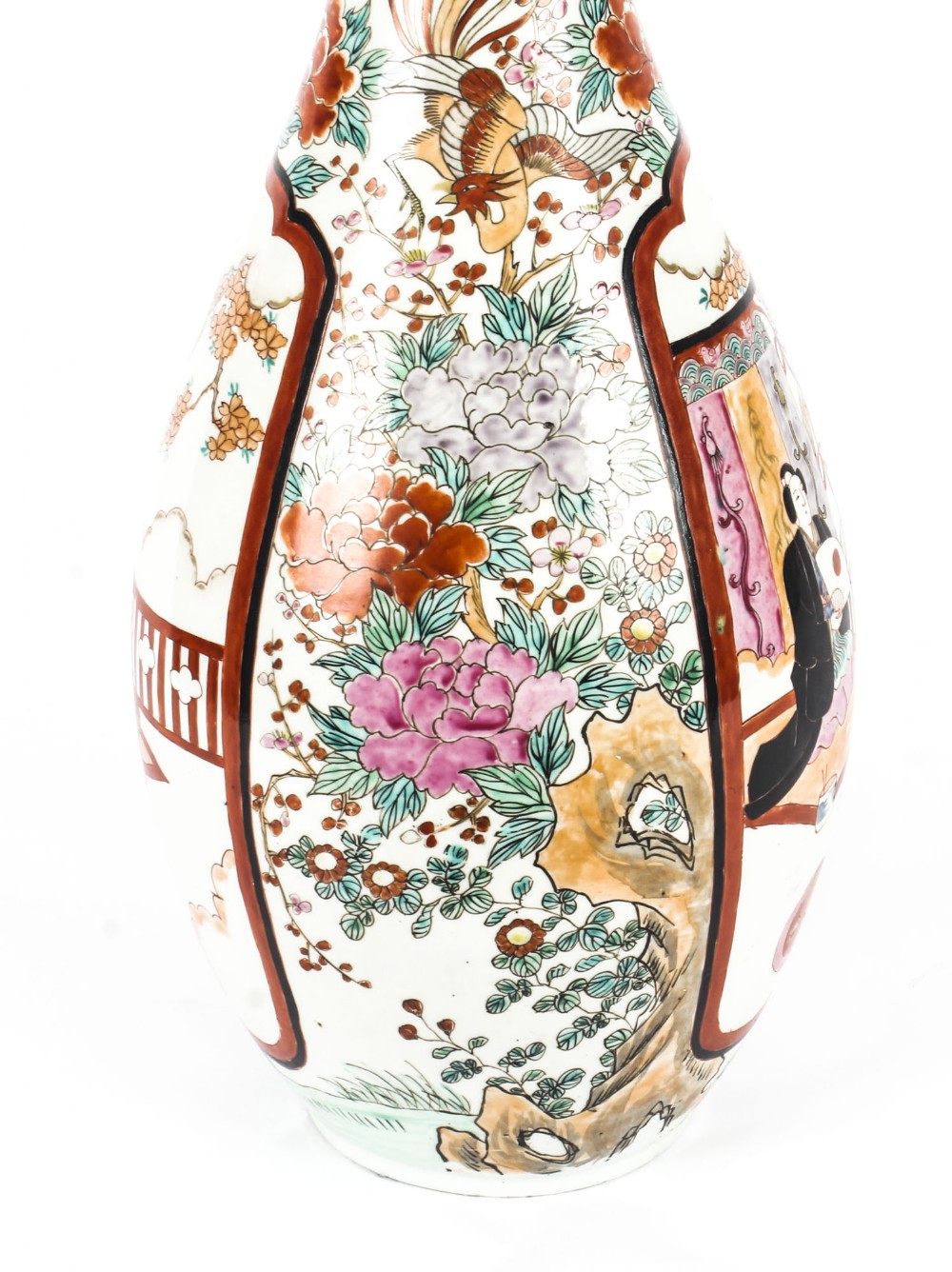
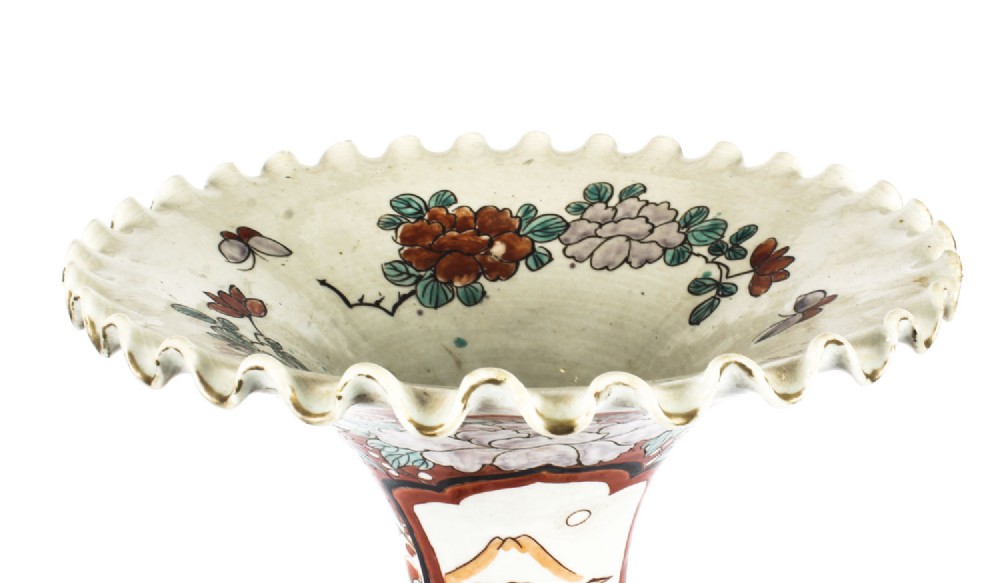
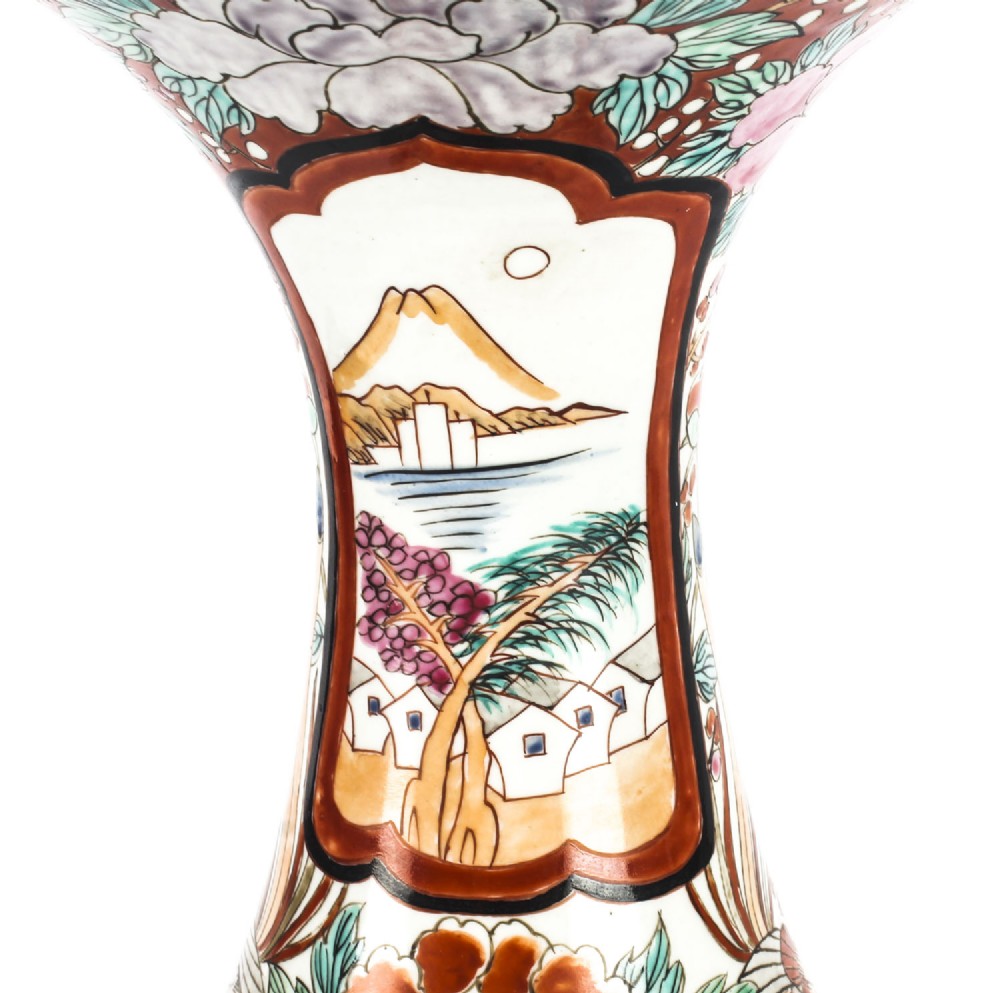
Each vase features a bulbous shape with the traditional scalloped rim, over the body decorated with reserve panels depicting court garden scenes and smaller shaped panels with views of Mount Fuji on chrysanthemums and peonies background adorned with phoenixes.

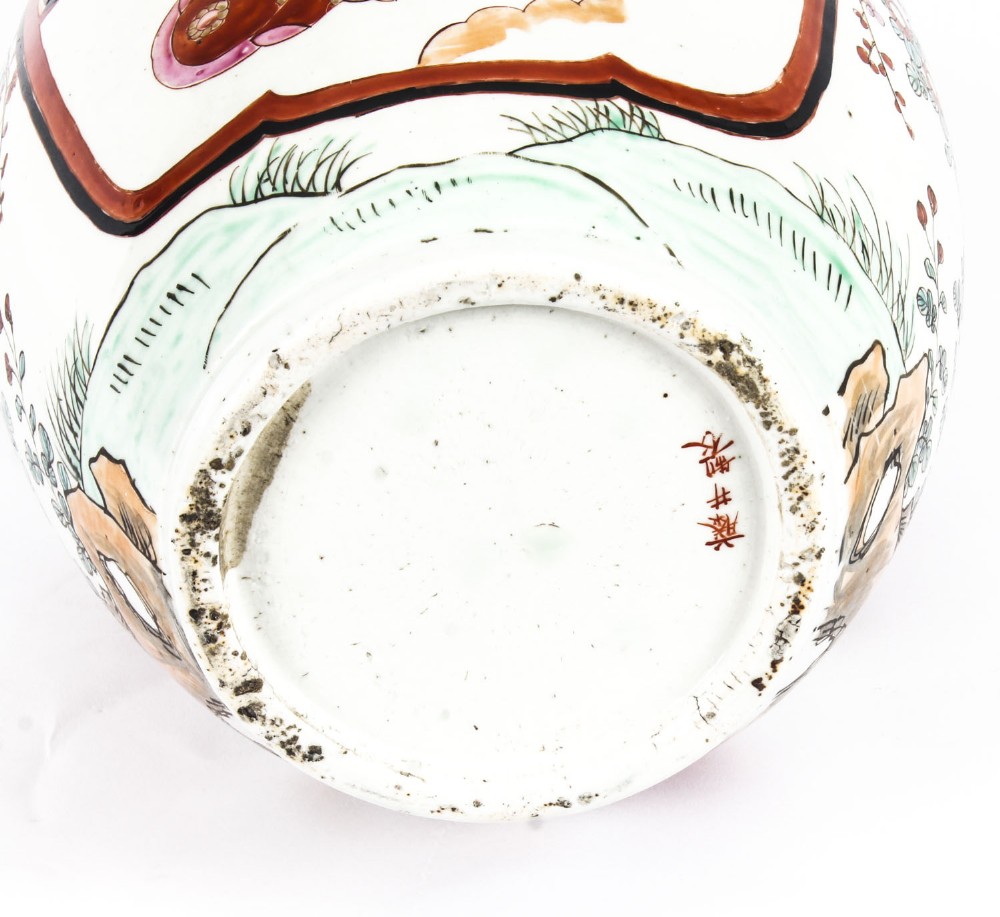
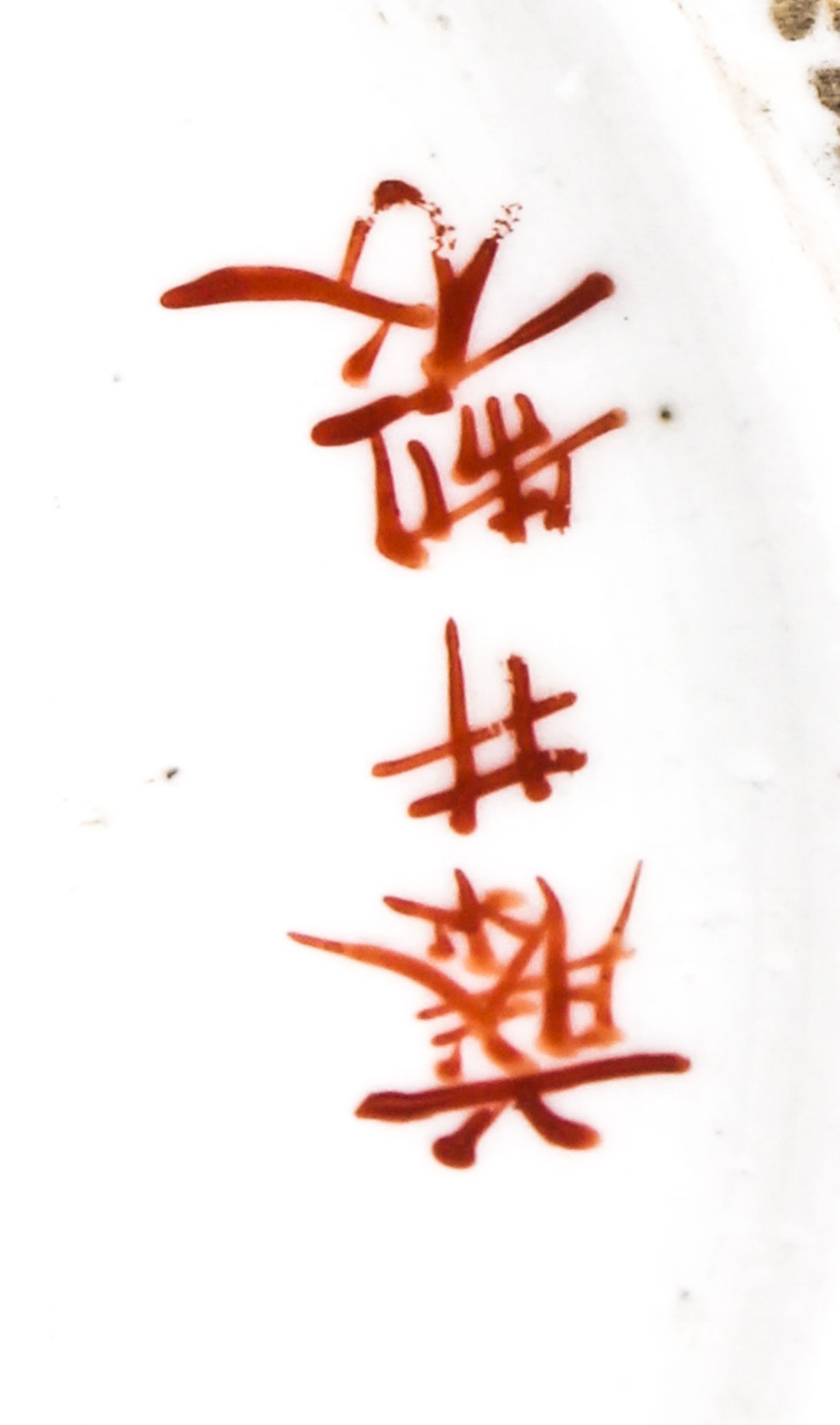
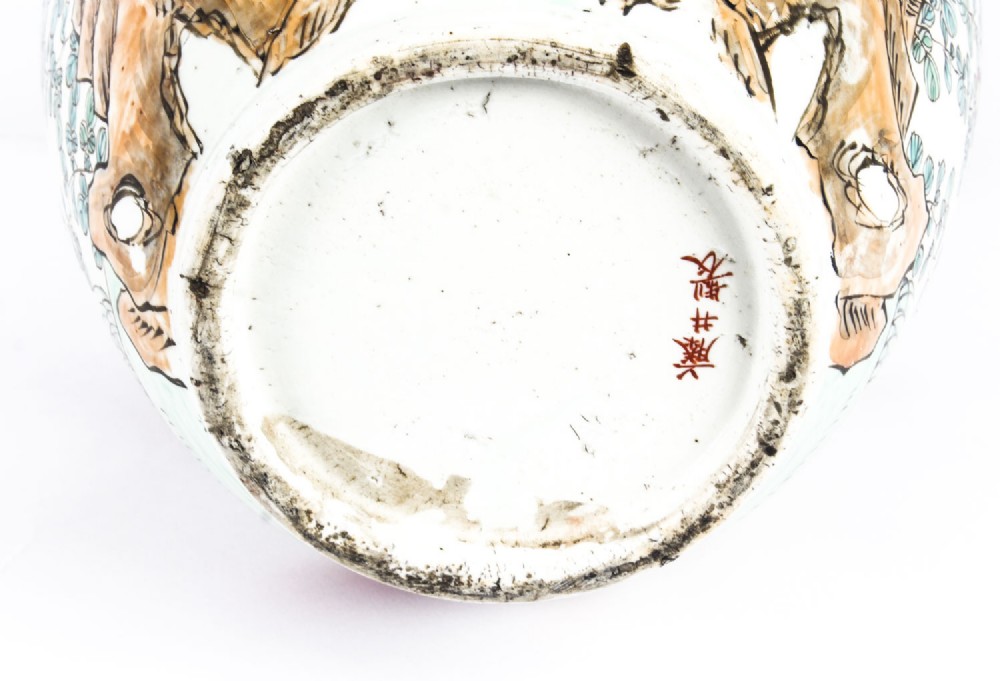
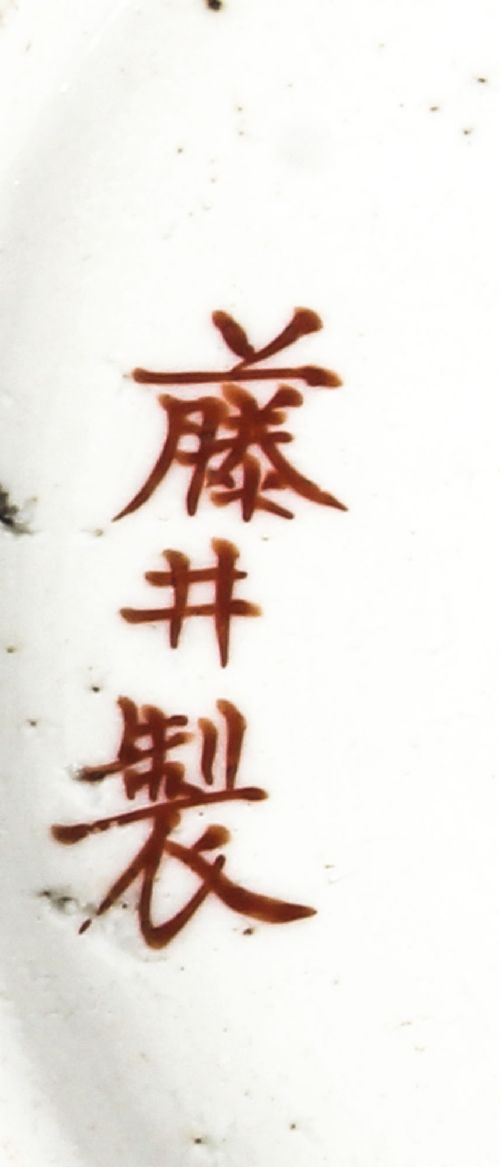
Each signed to the base with a three-character mark and on the top of each large panel with a two-character mark.

Instill a certain elegance to a special place in your home with these fabulous vases.

Condition:

In excellent condition, with no chips, cracks or damage, please see photos for confirmation.

Dimensions in cm:

Height 61 x Width 26 x Depth 26

Dimensions in inches:

Height 24.0 x Width 10.2 x Depth 10.2

Imari ware

Imari ware is a Western term for a brightly-coloured style of Arita ware Japanese export porcelain made in the area of Arita, in the former Hizen Province, northwestern Kyushu. They were exported to Europe in large quantities, especially between the second half of the 17th century and the first half of the 18th century.

Typically Imari ware is decorated in underglaze blue, with red, gold, black for outlines, and sometimes other colours, added in overglaze. In the most characteristic floral designs, most of the surface is coloured. The style was so successful that Chinese and European producers began to copy it. Sometimes the different overglaze styles of Kakiemon and Kutani ware are also grouped under Imari ware.

The name derives from the port of Imari, Saga from which they were shipped to Nagasaki, where the Dutch East India Company and the Chinese had trading outposts. In the West the multi-coloured or "enamelled" wares became known as "Imari ware", and a different group kakiemon, while blue and white wares were called "Arita ware", in fact, the two types were often produced at the same kilns. Today, the use of "Imari" as a descriptor has declined, and they are often called Arita wares (or Hizen wares, after the old province). Imari ware was copied in both China and Europe and has been continuously produced to the present day.

Early Imari (shoki imari) is a traditional and somewhat confusing term used for very different wares that were made around Arita before about 1650. The porcelains are generally small and sparsely painted in underglaze blue for the domestic market, but there are also some large green celadon dishes, apparently made for the southeast Asian market, in a porcellaneous stoneware.

Arita's kilns were set up in the 17th century after kaolin was discovered in 1616. A popular legend attributes the discovery to an immigrant Korean potter, Yi Sam-pyeong (1579–1655), although most historians consider this doubtful. After the discovery, some kilns began to produce revised Korean-style blue and white porcelains, known as Early Imari, or "Shoki-Imari".

In the mid-17th century, there were also many Chinese refugees in northern Kyushu due to the turmoil in China, and it is said that one of them brought the overglaze enamel colouring technique to Arita. Thus Shoki-Imari developed into Ko-Kutani, Imari, and later Kakiemon, which are sometimes taken as a wider group of Imari wares. Ko-Kutani was produced around 1650 for both export and domestic market. Kutani ware is characterized by vivid green, blue, purple, yellow and red colours in bold designs of landscapes and nature. Blue and white porcelain pieces continued to be produced and they are called Ai-Kutani. Ko-Kutani Imari for the export market usually adopted Chinese design structure such as Kraak style, whereas Ai-Kutani for the domestic market were highly unique in design and are accordingly valued very much among collectors.

Ko-Kutani style evolved into Kakiemon-style Imari, which was produced for about 50 years around 1700. Kakiemo

Date of Manufacture

Regent Antiques has dated this piece to the 19th Century.

Physical Dimensions
Height
61cm (24.02")
Width
26cm (10.24")
Depth
26cm (10.24")
Reference Numbers
Sellingantiques Reference
SA765339
Dealers Internal Reference
09131
Antique Pair Japanese Meiiji Imari Porcelain Vases C1880
Detail view 1Detail view 2Detail view 3Detail view 4Detail view 5Detail view 6Detail view 7Detail view 8Detail view 9Detail view 10Detail view 11Detail view 12Detail view 13Detail view 14Detail view 15Detail view 16
SOLD6+ MONTHS AGO
1 / 17
19th Century · SA765339
Antique Pair Japanese Meiiji Imari Porcelain Vases C1880
Sorry, but this item has been sold.
Description
A monumental pair of Japanese Meiji period Imari porcelain vases, dating from the late 19th Century.

Each vase features a bulbous shape with the traditional scalloped rim, over the body decorated with reserve panels depicting court garden scenes and smaller shaped panels with views of Mount Fuji on chrysanthemums and peonies background adorned with phoenixes.

Each signed to the base with a three-character mark and on the top of each large panel with a two-character mark.

Instill a certain elegance to a special place in your home with these fabulous vases.

Condition:

In excellent condition, with no chips, cracks or damage, please see photos for confirmation.

Dimensions in cm:

Height 61 x Width 26 x Depth 26

Dimensions in inches:

Height 24.0 x Width 10.2 x Depth 10.2

Imari ware

Imari ware is a Western term for a brightly-coloured style of Arita ware Japanese export porcelain made in the area of Arita, in the former Hizen Province, northwestern Kyushu. They were exported to Europe in large quantities, especially between the second half of the 17th century and the first half of the 18th century.

Typically Imari ware is decorated in underglaze blue, with red, gold, black for outlines, and sometimes other colours, added in overglaze. In the most characteristic floral designs, most of the surface is coloured. The style was so successful that Chinese and European producers began to copy it. Sometimes the different overglaze styles of Kakiemon and Kutani ware are also grouped under Imari ware.

The name derives from the port of Imari, Saga from which they were shipped to Nagasaki, where the Dutch East India Company and the Chinese had trading outposts. In the West the multi-coloured or "enamelled" wares became known as "Imari ware", and a different group kakiemon, while blue and white wares were called "Arita ware", in fact, the two types were often produced at the same kilns. Today, the use of "Imari" as a descriptor has declined, and they are often called Arita wares (or Hizen wares, after the old province). Imari ware was copied in both China and Europe and has been continuously produced to the present day.

Early Imari (shoki imari) is a traditional and somewhat confusing term used for very different wares that were made around Arita before about 1650. The porcelains are generally small and sparsely painted in underglaze blue for the domestic market, but there are also some large green celadon dishes, apparently made for the southeast Asian market, in a porcellaneous stoneware.

Arita's kilns were set up in the 17th century after kaolin was discovered in 1616. A popular legend attributes the discovery to an immigrant Korean potter, Yi Sam-pyeong (1579–1655), although most historians consider this doubtful. After the discovery, some kilns began to produce revised Korean-style blue and white porcelains, known as Early Imari, or "Shoki-Imari".

In the mid-17th century, there were also many Chinese refugees in northern Kyushu due to the turmoil in China, and it is said that one of them brought the overglaze enamel colouring technique to Arita. Thus Shoki-Imari developed into Ko-Kutani, Imari, and later Kakiemon, which are sometimes taken as a wider group of Imari wares. Ko-Kutani was produced around 1650 for both export and domestic market. Kutani ware is characterized by vivid green, blue, purple, yellow and red colours in bold designs of landscapes and nature. Blue and white porcelain pieces continued to be produced and they are called Ai-Kutani. Ko-Kutani Imari for the export market usually adopted Chinese design structure such as Kraak style, whereas Ai-Kutani for the domestic market were highly unique in design and are accordingly valued very much among collectors.

Ko-Kutani style evolved into Kakiemon-style Imari, which was produced for about 50 years around 1700. Kakiemo
Date19th Century
Height61cm (24.02")
Width26cm (10.24")
Depth26cm (10.24")
ReferenceSA765339
Dealer's reference09131
Regent Antiques
Regent AntiquesSellingantiques verified since Sep 2016

We specialise in english and continental furniture, silver, porcelain and decorative items.

Member of LAPADA CINOA

SHARE
SAVE
Archive I Antique Pair Japanese Meiiji Imari Porcelain Vases C1880
SOLD6+ MONTHS AGO

Antique Pair Japanese Meiiji Imari Porcelain Vases C1880

Archive II Antique Pair Japanese Meiiji Imari Porcelain Vases C1880
 View II
Archive III Antique Pair Japanese Meiiji Imari Porcelain Vases C1880
 View III
Archive IV Antique Pair Japanese Meiiji Imari Porcelain Vases C1880
 View IV
Archive V Antique Pair Japanese Meiiji Imari Porcelain Vases C1880
 View V
Archive VI Antique Pair Japanese Meiiji Imari Porcelain Vases C1880
 View VI
Archive VII Antique Pair Japanese Meiiji Imari Porcelain Vases C1880
 View VII
Archive VIII Antique Pair Japanese Meiiji Imari Porcelain Vases C1880
 View VIII
Archive IX Antique Pair Japanese Meiiji Imari Porcelain Vases C1880
 View IX
Archive X Antique Pair Japanese Meiiji Imari Porcelain Vases C1880
 View X
Archive XI Antique Pair Japanese Meiiji Imari Porcelain Vases C1880
 View XI
Archive XII Antique Pair Japanese Meiiji Imari Porcelain Vases C1880
 View XII
Archive XIII Antique Pair Japanese Meiiji Imari Porcelain Vases C1880
 View XIII
Archive XIV Antique Pair Japanese Meiiji Imari Porcelain Vases C1880
 View XIV
Archive XV Antique Pair Japanese Meiiji Imari Porcelain Vases C1880
 View XV
Archive XVI Antique Pair Japanese Meiiji Imari Porcelain Vases C1880
 View XVI
Archive XVII Antique Pair Japanese Meiiji Imari Porcelain Vases C1880
 View XVII
Enlarged Archival View
Location
Manor Warehouse
318 Green Lanes
London
N4 1BX
United Kingdom
Verified Since Sep 2016
Items For Sale 639
Items Sold 2,756
Regent Antiques
Regent Antiques
Verified Since Sep 2016
View Dealer Info
Location: Manor Warehouse, 318 Green Lanes, London, N4 1BX, United Kingdom
Verified
Sep 2016
For Sale
639
Sold
2,756
Antique Pair Japanese Meiiji Imari Porcelain Vases C1880
Ref: SA765339
Antique Pair Japanese Meiiji Imari Porcelain Vases C1880
Detail View 1
Detail View 2
Detail View 3
Detail View 4
Detail View 5
Detail View 6
Detail View 7
Detail View 8
Detail View 9
Detail View 10
Detail View 11
Detail View 12
Detail View 13
Detail View 14
Detail View 15
Detail View 16
Archival Detail
Every single antique dealer on our platform is individually approved by our internal team. We verify their professional trade history, ethical standards, and photographic quality to ensure a secure, high-standard buying environment. Upon joining, every dealer agrees to a strict 9-point code of conduct. While issues can occasionally arise, our dealers typically resolve them swiftly and directly with the buyer. In fact, since our founding in 2002, Sellingantiques has only had to step in to help resolve an issue on roughly five occasions—a true testament to the quality of our dealers and their dedication to your happiness.
Our dealers are highly experienced in packing and shipping fragile, high-value antiques. Because you are in direct contact with the dealer, you will be able to easily go through all available shipping and insurance options together to ensure your item arrives safely.
Antiques are the ultimate green purchase. By choosing historical pieces over newly manufactured goods, you completely eliminate the carbon footprint of modern mass production while preserving exceptional, timeless craftsmanship.
Written by Sellingantiques from the dealer’s photographs and listing
  • Period19th century
  • SizeH 61 cm (24 in) x W 26 cm (10 in) x D 26 cm (10 in)
items
Add keywords to the filter
Price
£100
£250000
Era
Period
Style
Material
Origin
Stock Location
Recently Added
Online Payments
Categories