It was listed by Culvertons. Sold pieces stay on Sellingantiques as a record of what has passed through, and the next one is rarely far away.
Culvertons has dated this piece to the 19th Century.
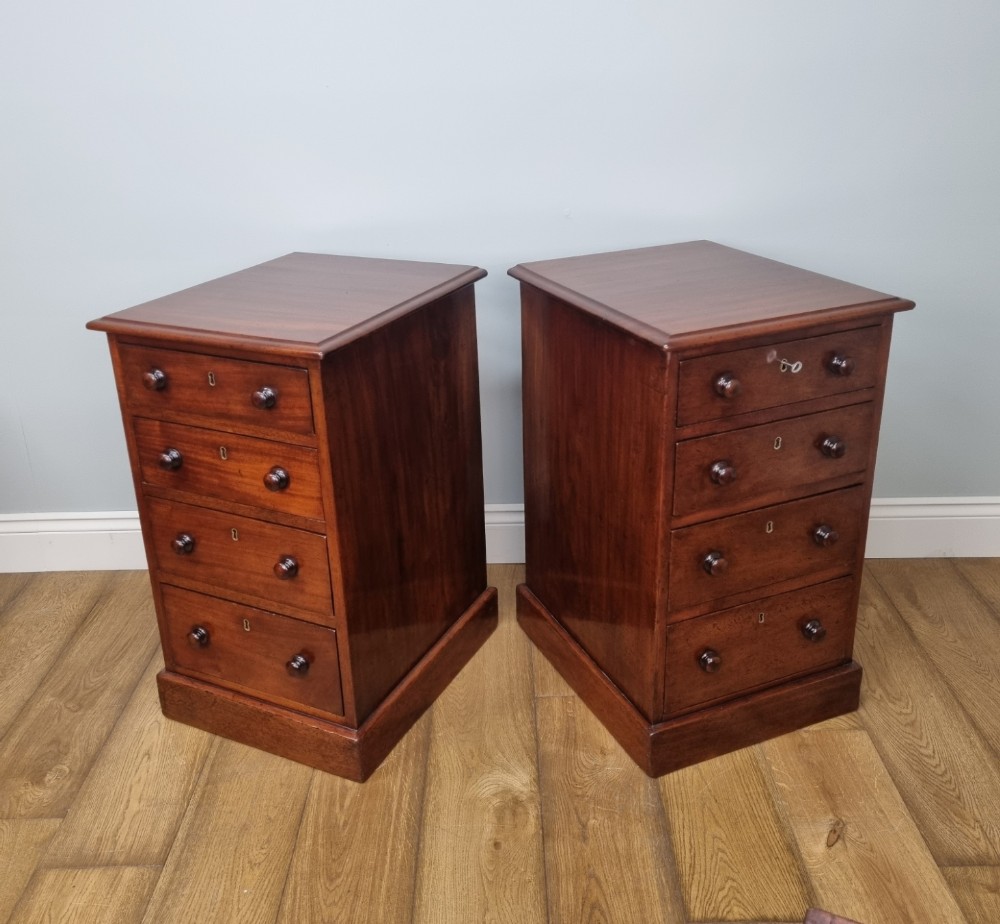
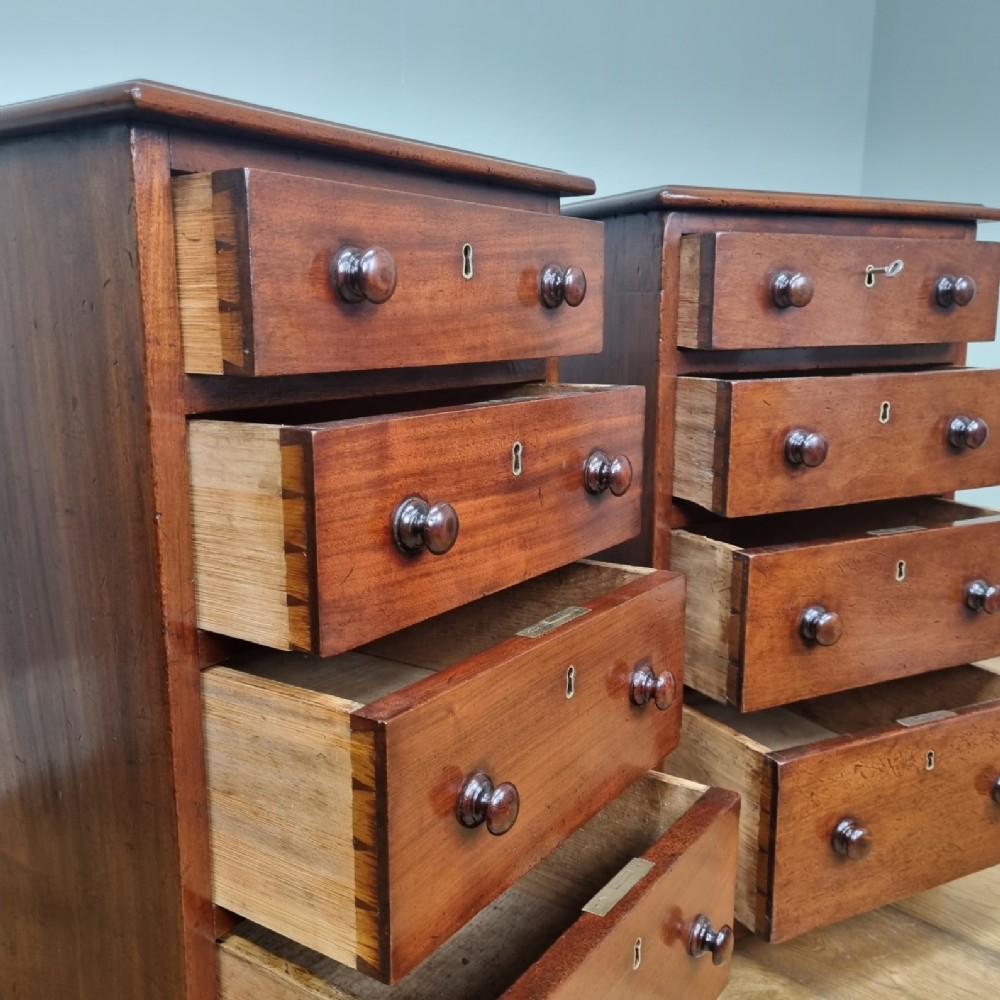
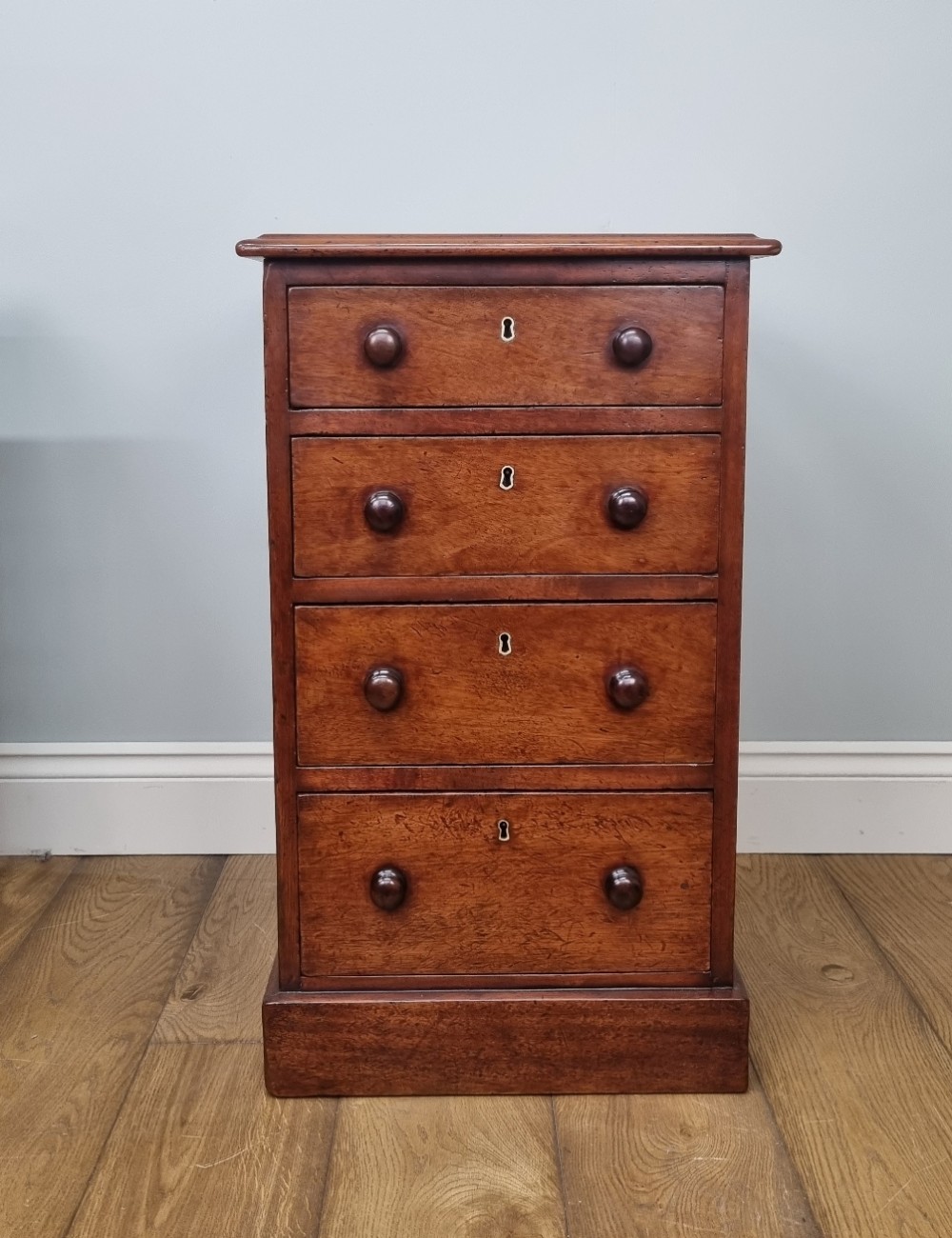
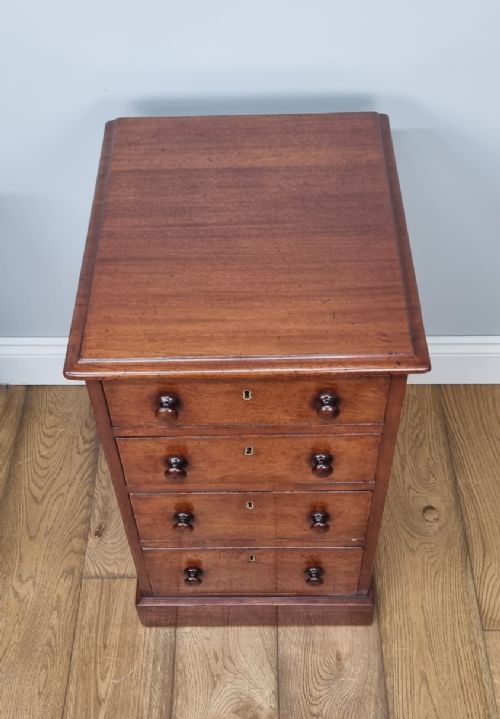
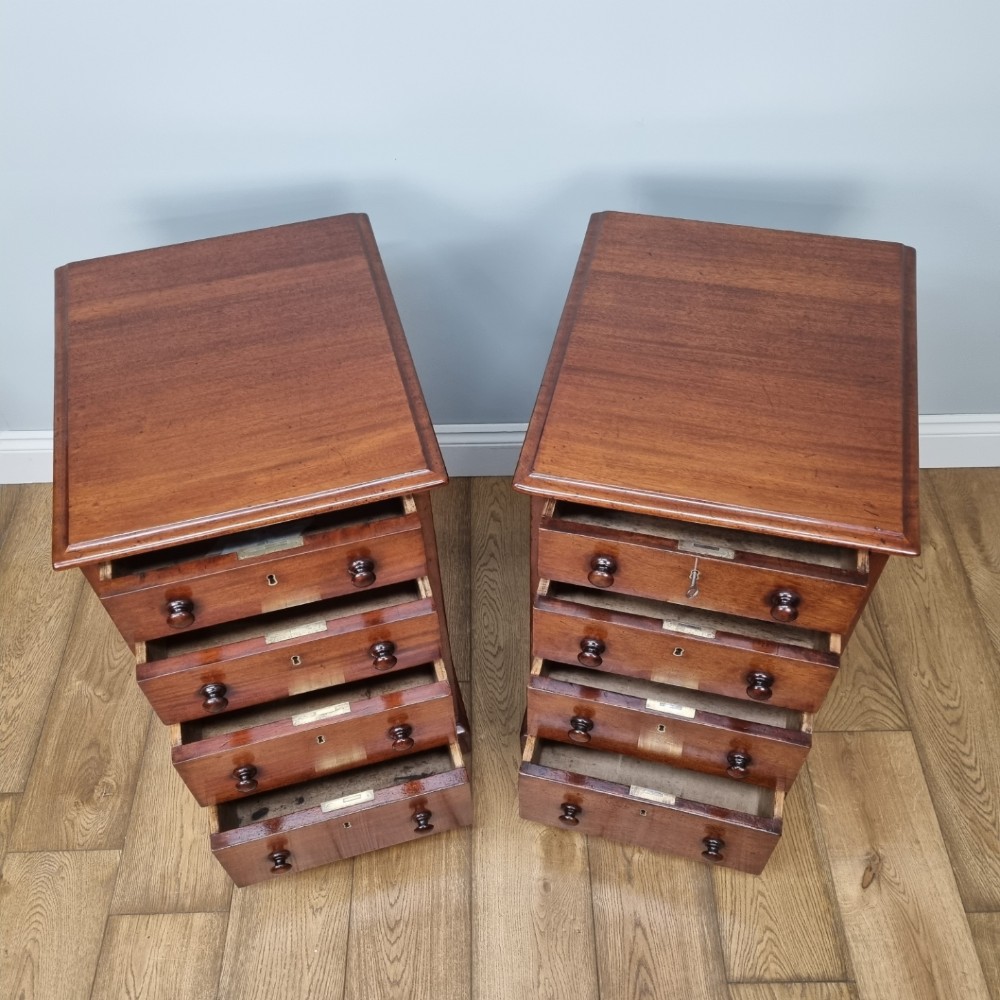
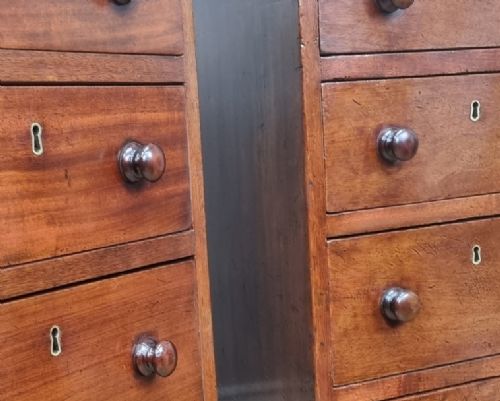
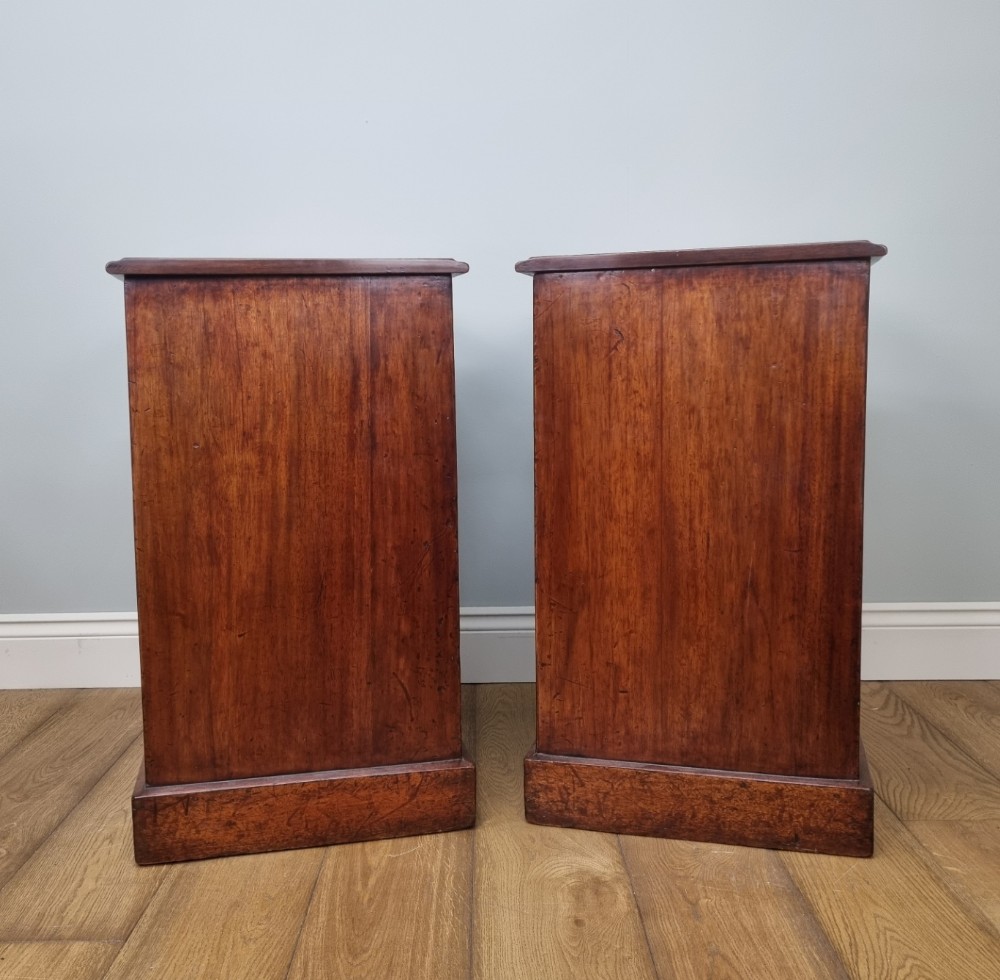
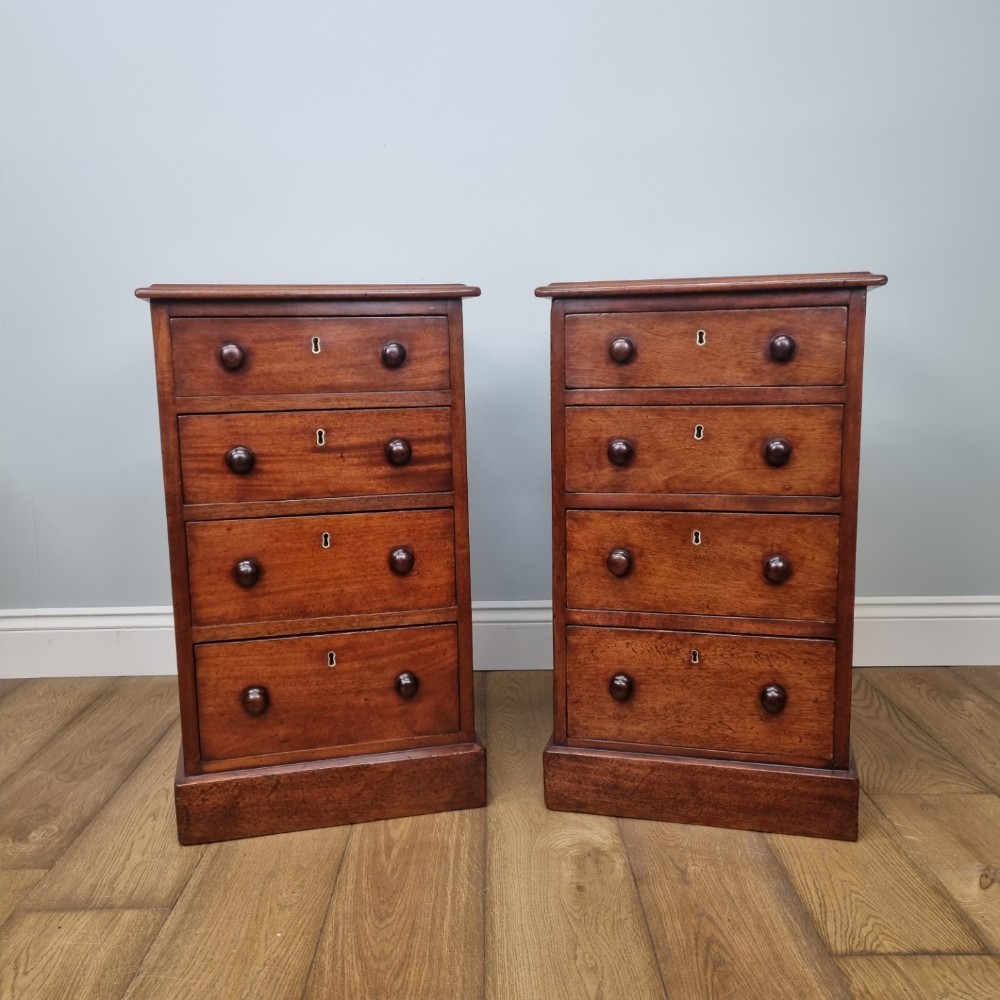
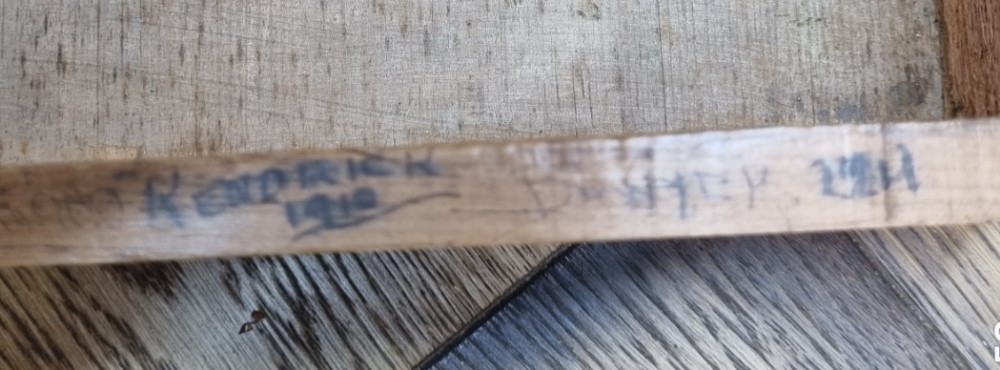
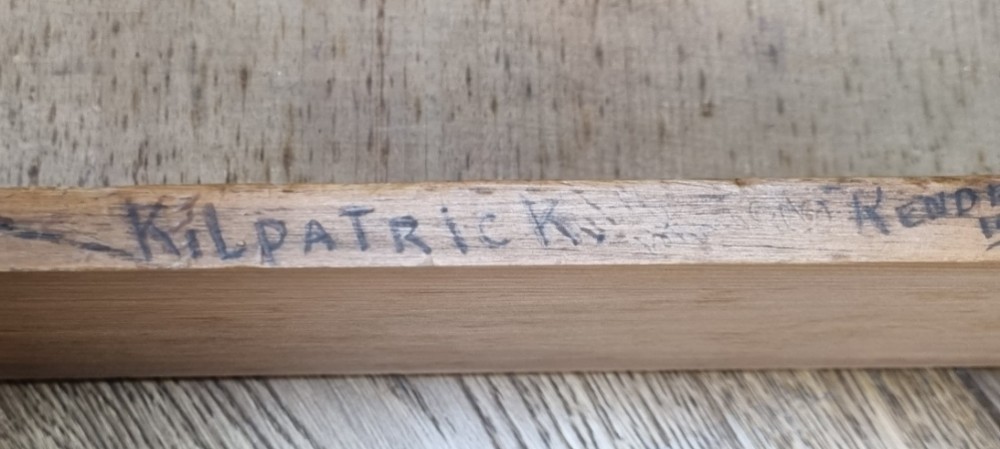
It is only when you start opening drawers that you will notice slight differences. You don’t need to scrutinize the hand-cut dovetails, as they do match. However, if you look at the thickness of the timber and the pattern of the locks (all work and keys are supplied) you will see that they differ slightly. Also, gauge the weight of each chest you will feel one is slightly heavier than the other. For us, these are not negative points, far from it, as they offer us tantalising clues to their past. Chests of this type nearly always have, at some stage, been used differently, or often converted from a larger piece of furniture. Although, we feel these two were originally made to be used within a boy's school, college, or university. The minor differences in their construction suggest they were made in-house as and when they were needed, using materials that were to hand – two of these chests sitting underneath a flat single piece of mahogany would form a perfectly good desk, or placed singularly as a bedside chest for the boys. How do we know they were used by boys? Whilst looking over the chests we discovered three boy's names written discretely on the back top edge of one of the drawers, along with the date ‘1911’. “What a time to be three young men with the First World War looming, I wonder what became of Kilpatrick, Rendrick and Dainty?”
Culvertons has dated this piece to the 19th Century.
You can view the stock and full dealer information on the Culvertons Profile Page
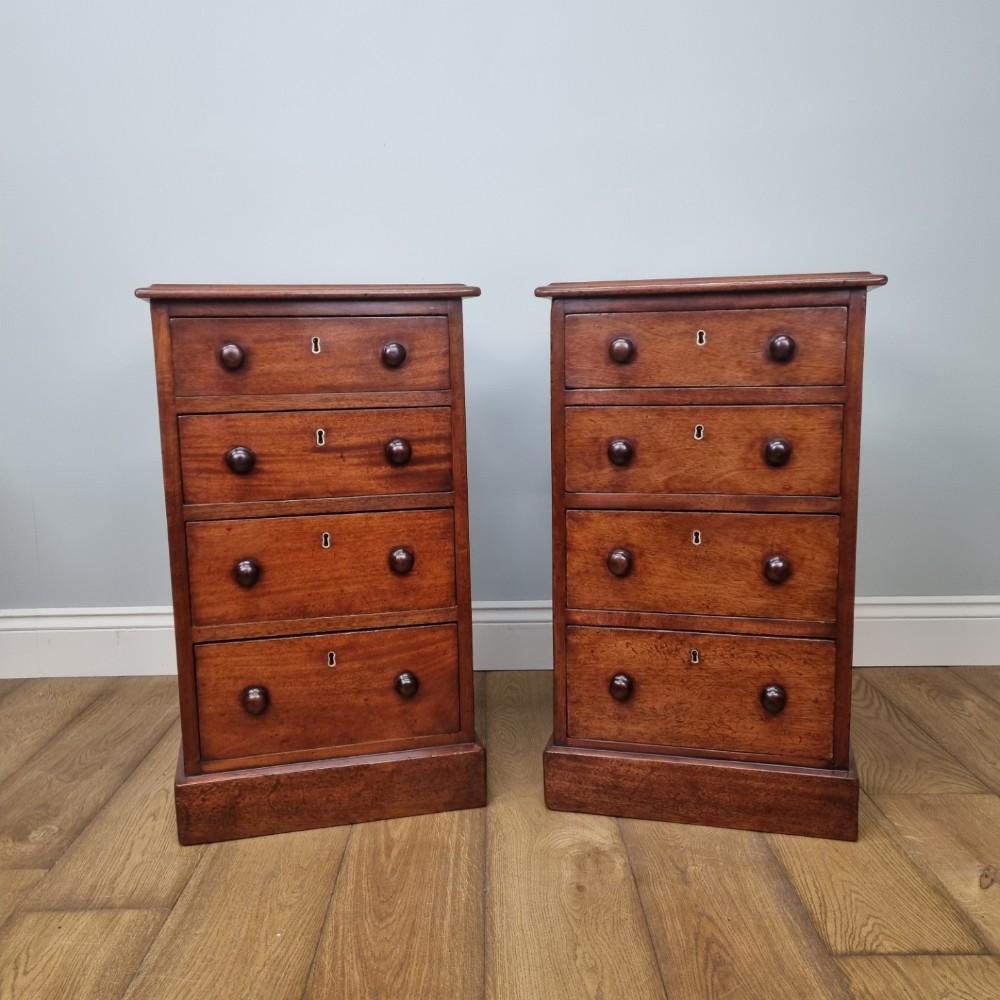
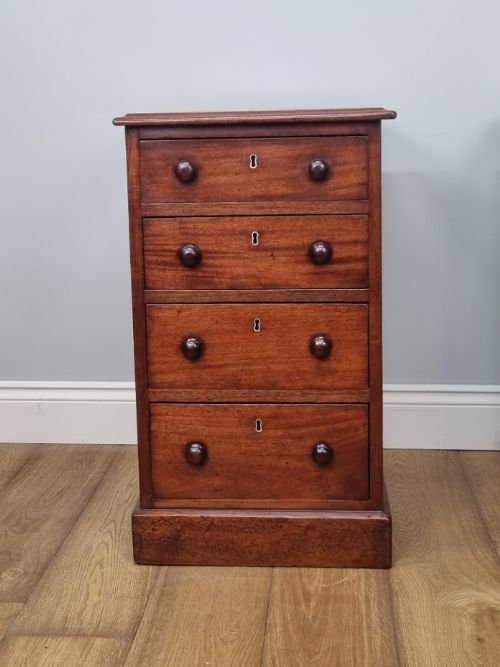
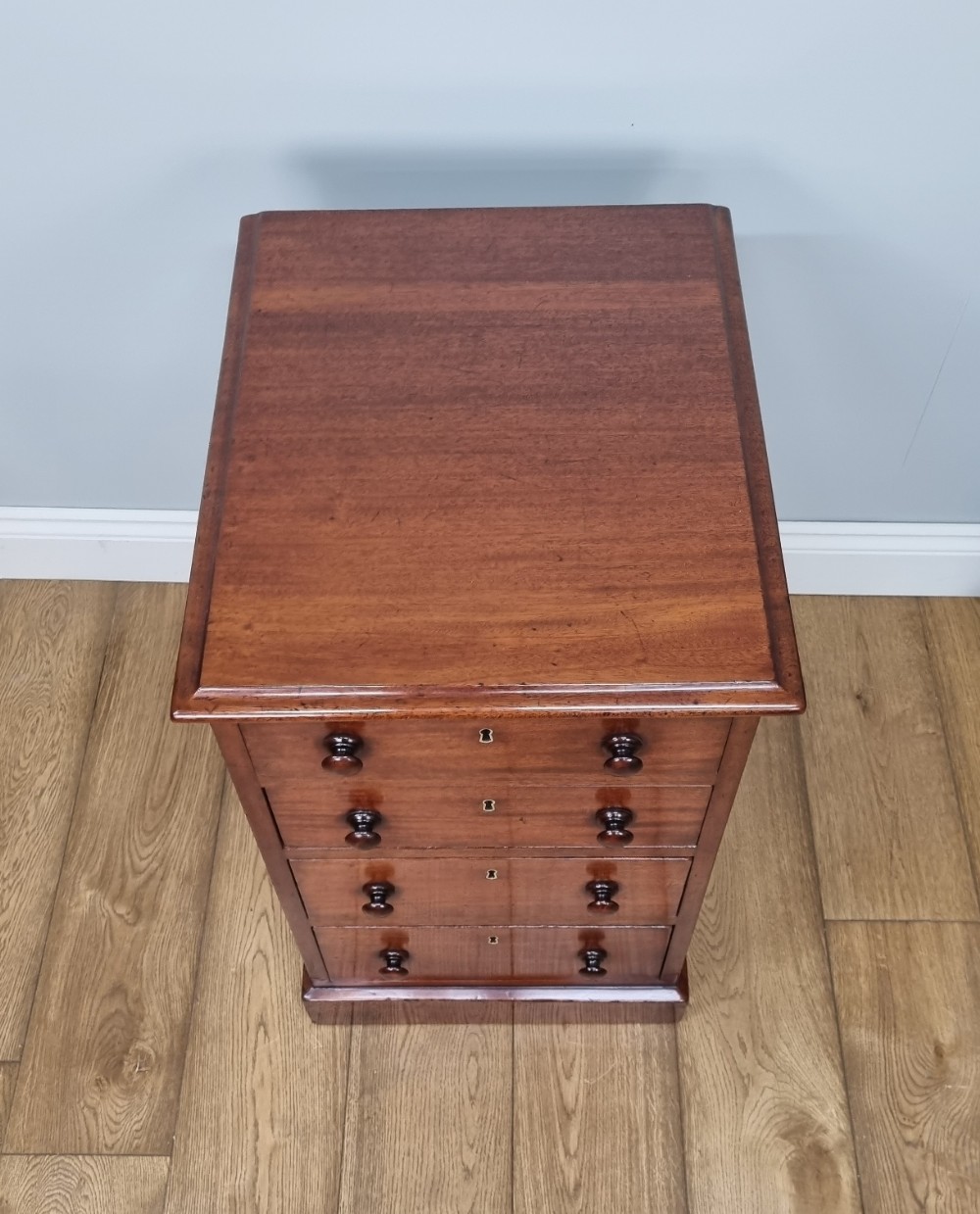
A Matched Pair of Antique Mahogany Pedestal Chests with an Interesting Past