


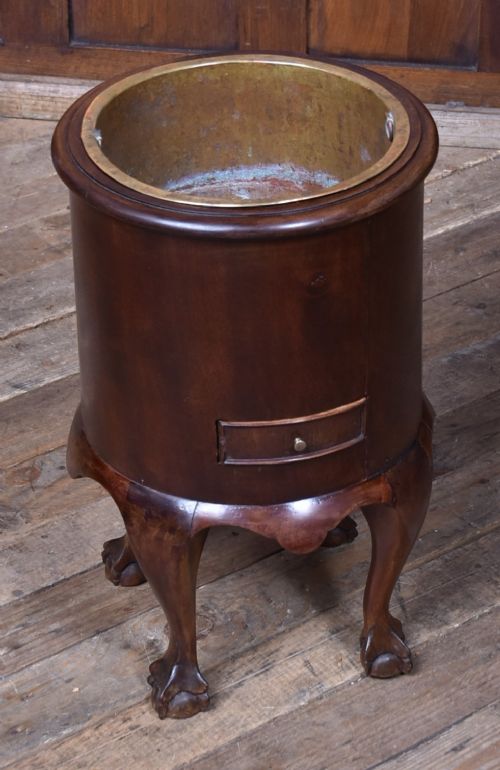
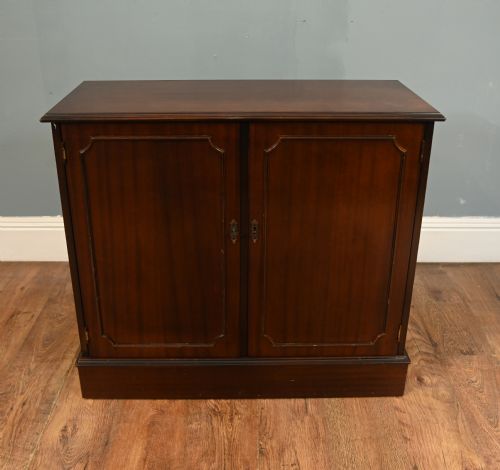
Wooden Wine Cellarette
A wooden wine cellarette keeps bottles secure and chilled, bringing period proportion and rich timber grain directly into a dining room.
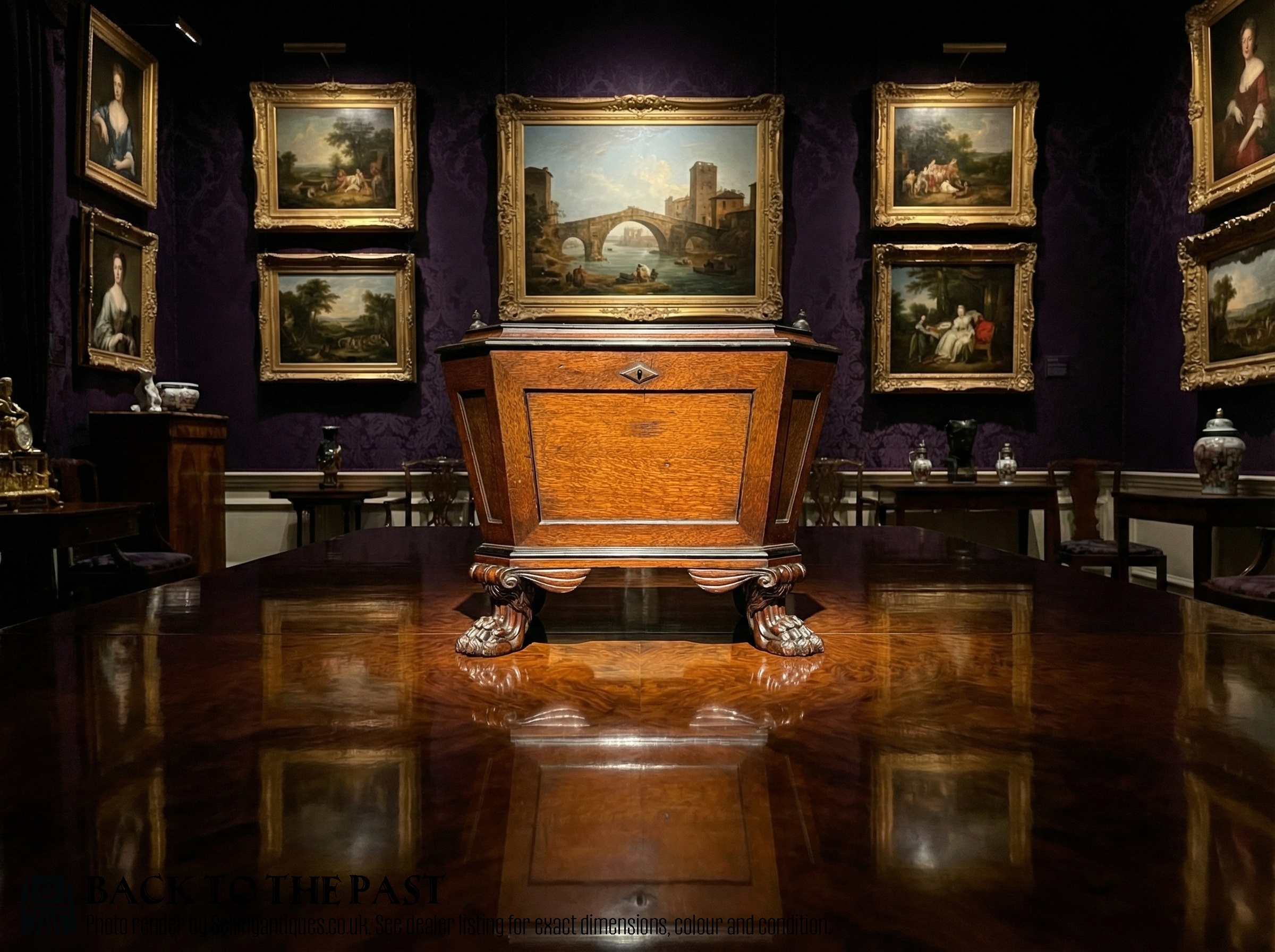
Wooden Wine Cellarette
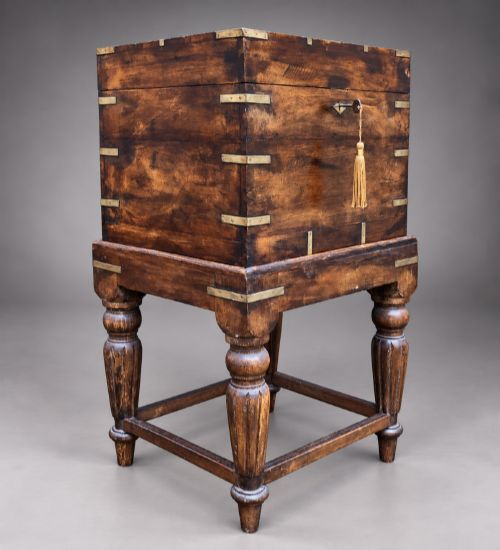
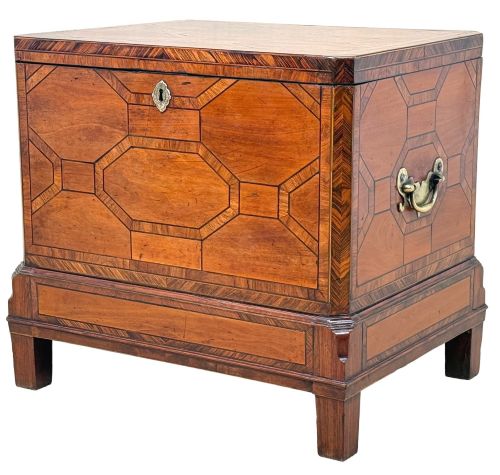
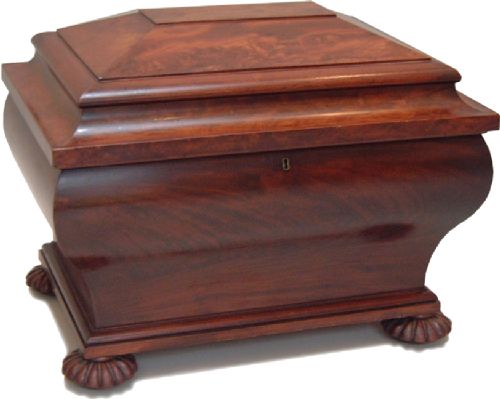
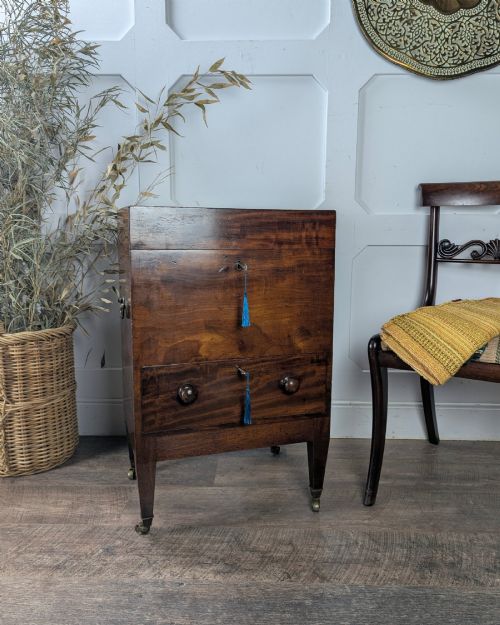
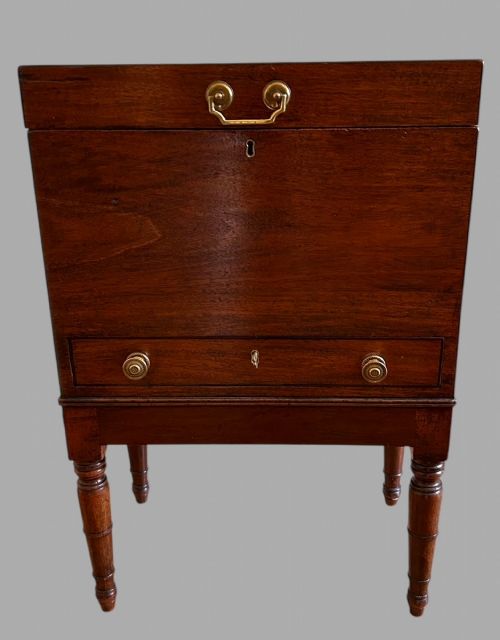
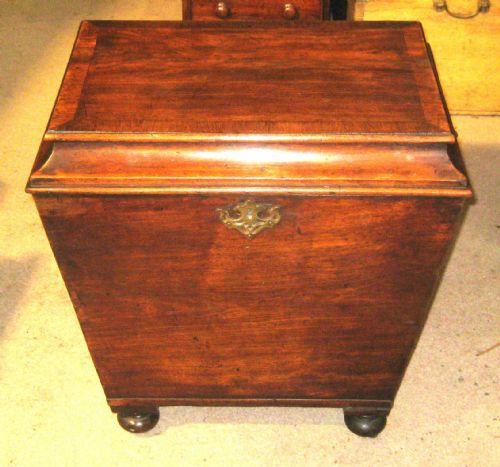
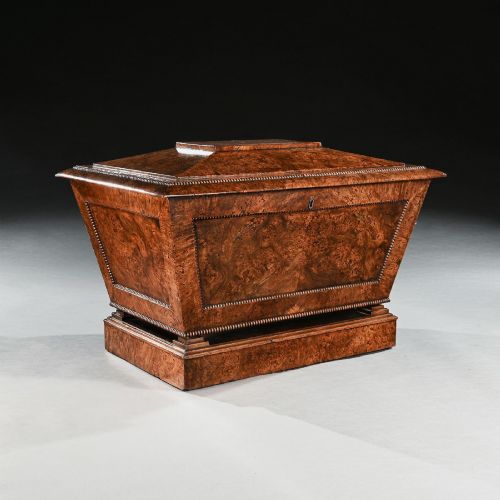
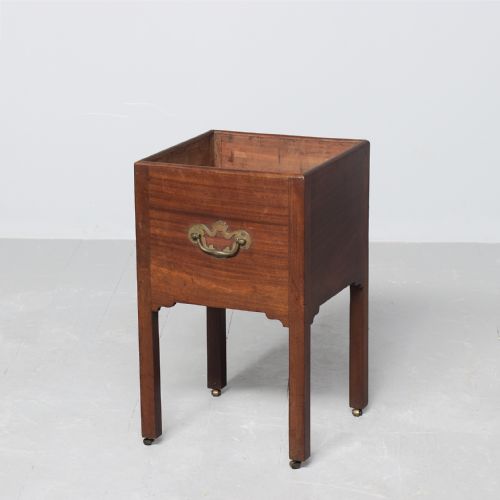
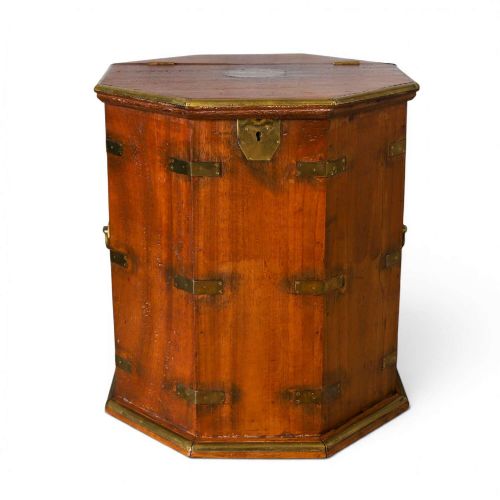
A wooden wine cellarette serves to store and cool wine bottles near the dining table during formal meals. Buyers searching this phrase encounter low-slung storage boxes, monumental sarcophagus shapes, and standing containers designed for domestic use.
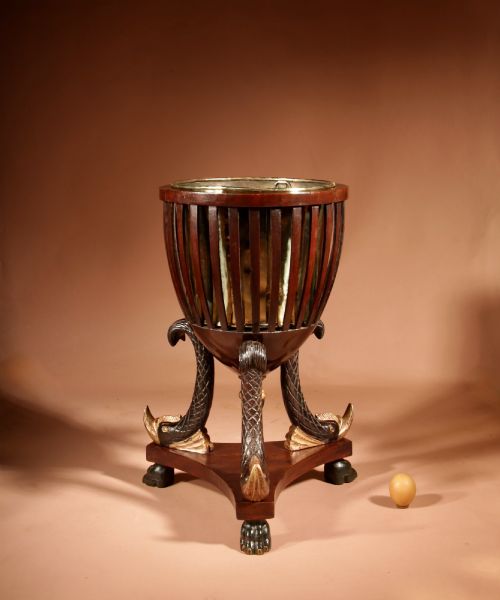
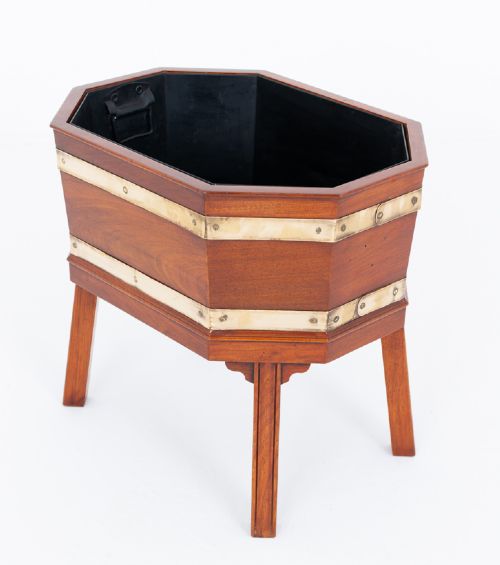
The versions most frequently met on this page belong to the Georgian and Regency periods, rendered primarily in solid and figured timbers. These pieces often double as jardinières or log baskets depending on their internal fittings and depth.
Proportions range from compact box forms resting on stands to heavy, freestanding chests decorated with classical motifs. Makers built them to sit beneath sideboards or occupy prominent corners of the dining parlour.
Distinctions in Execution and Material
Superior examples separate themselves through the richness of the timber figure and the crispness of applied carving or brass work. Heavy flame mahogany or figured pollard oak paired with original interior metal liners elevates a piece far above simpler utilitarian boxes.
Construction methods also dictate standing, where finely dovetailed joints, original brass castors, and intact stands denote higher workshop standards. Pieces retaining their fitted internal bottle dividers demonstrate complete original design rather than later adaptation.
Wooden Wine Cellarette Retail Price Guide 2026
Typical asking prices for wooden wine cellarette among the pieces listed under this phrase on Sellingantiques today, from the lower quarter to the upper quarter. They describe what is for sale here now, not the wider market.
Some nineteenth-century cellarettes doubled as indoor garden planters, letting dining rooms host ferns long after the wine ran dry.
Gillingtons
The Wooden Wine Cellarette Glossary
- Cellarette
- A lockable container used for storing wine bottles in a dining room before service. They often sit on low legs or directly on the floor.
- Sarcophagus
- A monumental container shape tapering toward the base, popular during the Regency period. This profile mimics classical stone tombs with curved, panelled sides.
- Jardiniere
- An ornamental stand or container used to hold potted plants or flowers. Many examples share forms with wine coolers and can serve either function.
- Ormolu
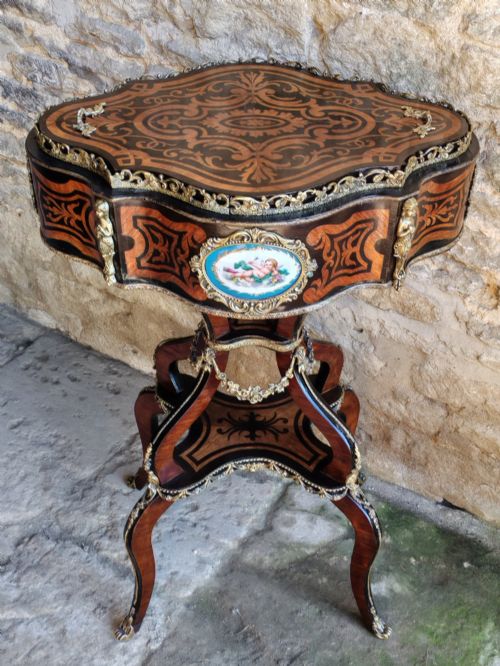
- Gilt bronze mounts applied to furniture for decorative effect. This technique adds bright metallic contrast to dark woods.
- Marquetry
- Inlaid patterns formed by fitting contrasting veneers into a prepared wooden surface. This method creates pictorial or geometric designs on the exterior.
Wooden Wine Cellarette: Frequently Asked Questions
What is a wooden wine cellarette?
A wooden wine cellarette is a dedicated storage box or chest designed to hold wine bottles near a dining table. They originated when wine was brought from cellars in bulk and required chilling or safe keeping before pouring.
Most examples feature internal compartments and protective metal linings to contain ice and water. Over time, many transitioned into use as planters or log baskets.
How do I date a cellarette?
Dating relies on observing the timber choice, hardware style, and overall silhouette of the piece. Georgian pieces often display straight-grained mahogany or subtle brass banding, while Regency examples lean toward heavier sarcophagus shapes with bold ormolu mounts.
Secondary woods inside the carcass and the construction of the feet or stand also provide clues to the decade of manufacture. Comparing the decorative vocabulary to known period furniture helps narrow the timeline.
How were they used historically?
Servants filled the internal lead or zinc liners with ice to cool wine bottles just prior to a meal. The lockable lids ensured that expensive vintages remained secure in the busy environment of a country house dining room.
After dining, the chest remained in the room to house remaining bottles or empty vessels. Their substantial weight meant they stayed in fixed positions rather than moving frequently.
Can I use an antique cellarette today?
These pieces adapt readily to modern homes as drinks cabinets, side tables, or decorative storage chests in living spaces. Their deep interiors make them practical for holding blankets, magazines, or contemporary wine collections.
When fitted with waterproof trays, they still function effectively as plant stands or champagne coolers during gatherings. Their strong architectural presence allows them to anchor a room as standalone furniture.