


Antique Bar Furniture
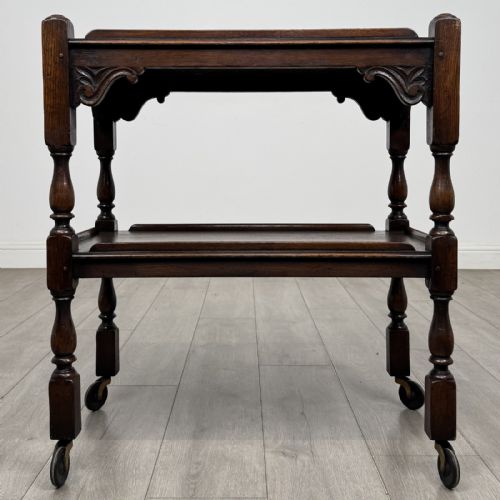
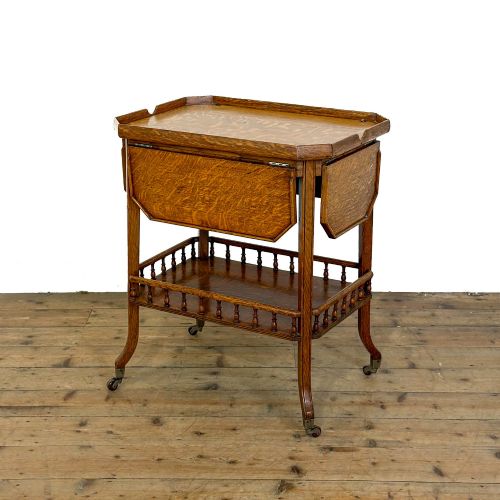
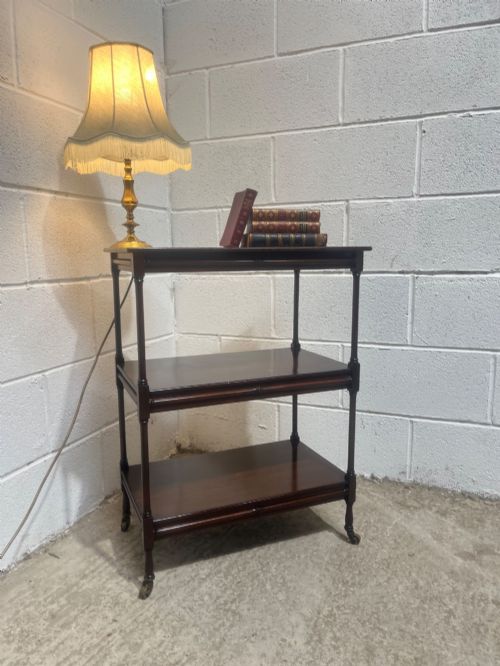
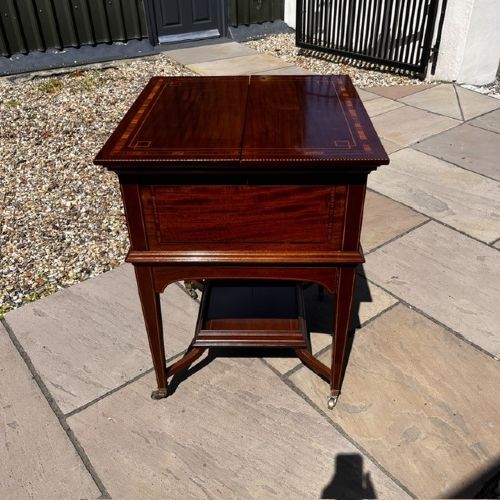
These pieces of antique bar furniture bring period character to a room, offering functional hospitality through cocktail cabinets, pub tables, and serving trolleys.
Antique Bar Furniture
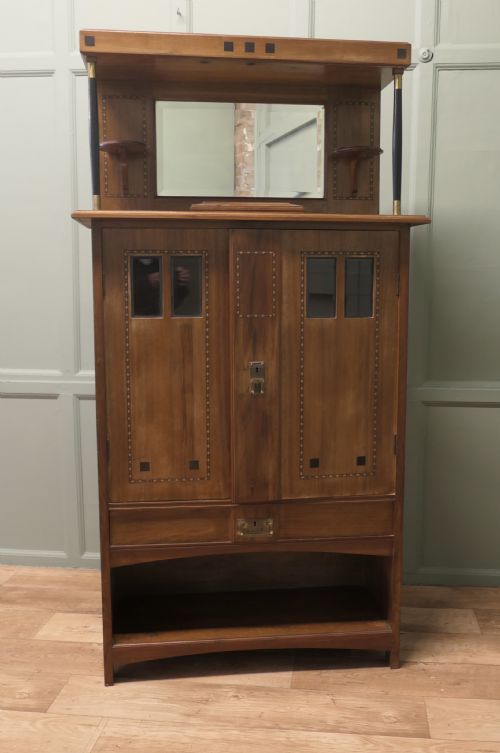
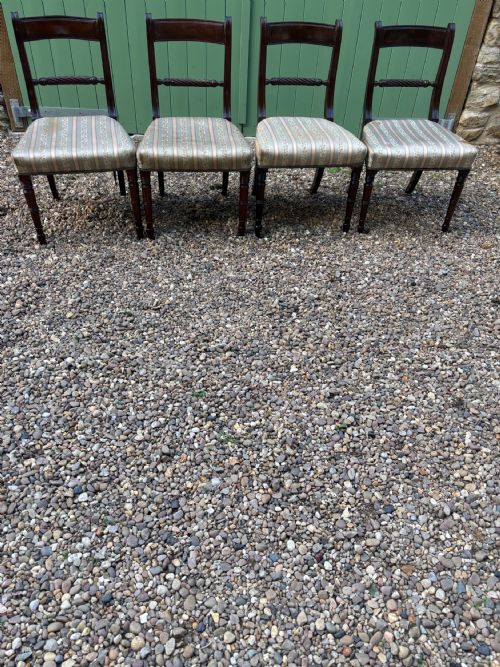
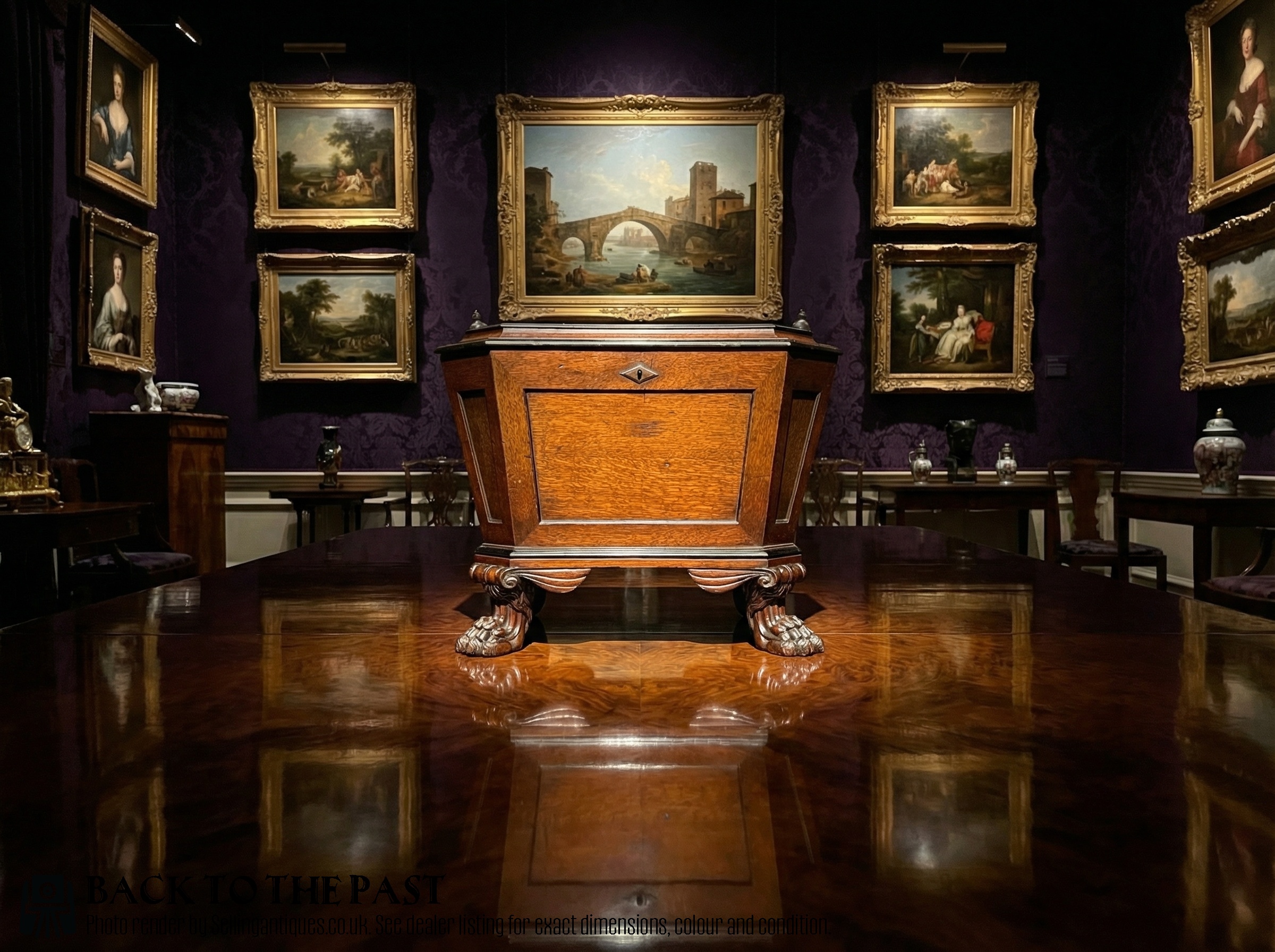
When you search for antique bar furniture, you encounter a diverse collection spanning the nineteenth and twentieth centuries, ranging from formal Victorian pub tables to streamline Art Deco cocktail cabinets. The selection includes dedicated drinks storage alongside peripheral pieces like tavern stools, tea trolleys, and cellarets.
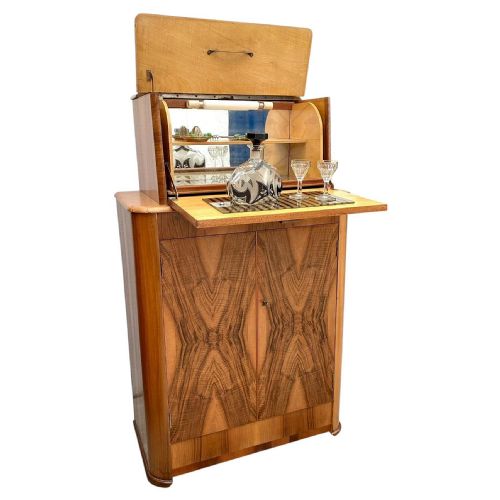
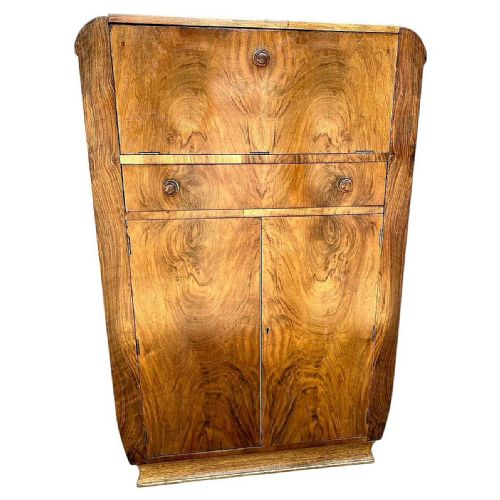
The most common forms on this page are walnut and mahogany cocktail cabinets from the Art Deco period, alongside sturdy Victorian pub tables featuring cast-iron bases and wood tops. These pieces reflect shifting social habits around entertaining and drinking across different eras.
Origins vary from English workshops to French studios, capturing regional preferences in hospitality furniture. Buyers select these items to anchor a home bar or dining space with genuine period utility.
Materials and Construction
Joinery techniques ranged from traditional cabinet-making methods for eighteenth and nineteenth-century chests and cellarets to innovative veneering and internal electrification seen in later Art Deco pieces. Wood selection prioritized durability in commercial tavern environments and visual warmth in domestic entertaining spaces.
Antique Bar Furniture Retail Price Guide 2026
Typical asking prices for bar furniture among the pieces listed under this phrase on Sellingantiques today, from the lower quarter to the upper quarter. They describe what is for sale here now, not the wider market.
Some Art Deco cabinets came wired with internal electric lights to illuminate your martini ingredients.
Evaluating Craftsmanship
Quality in these items rests upon timber selection and the precision of the veneer work, particularly on Art Deco cabinets where matched burr walnut defines the visual success of the piece. Superior examples display seamless grain continuity across doors and drawers.
Structural integrity separates standard utilitarian pieces from exceptional ones, seen in the stability of cast-iron pub table bases and the smooth mechanical operation of internal cabinet fittings. Original hardware and unaltered surfaces elevate the standing of a piece considerably.
Epstein·Hille·Bell Barn Furniture
The Antique Bar Furniture Glossary
- Cocktail Cabinet
- A specialised piece of furniture designed for storing bottles, glassware, and mixing equipment, often featuring drop-down surfaces for serving drinks.
- Cellaret
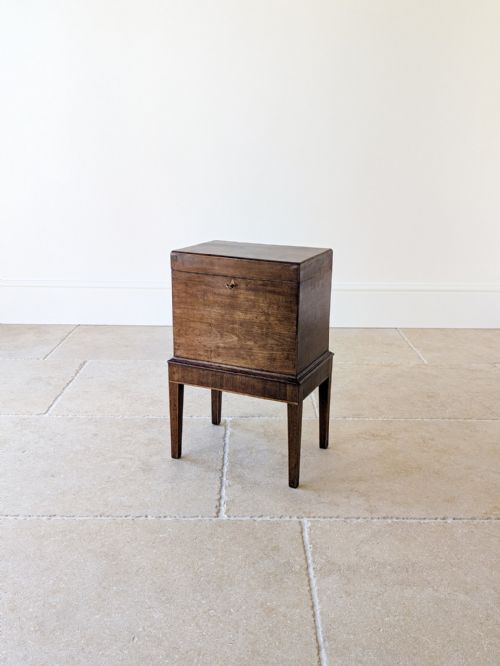
- A lockable container or cabinet traditionally used for storing bottles of wine or spirits securely within reach of a dining table.
- Pub Table
- A sturdy table built for commercial tavern use, frequently combining a heavy cast-iron base with a solid wood top.
- Wellington Chest
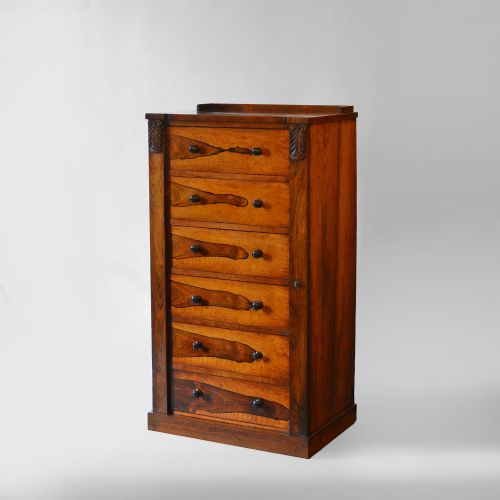
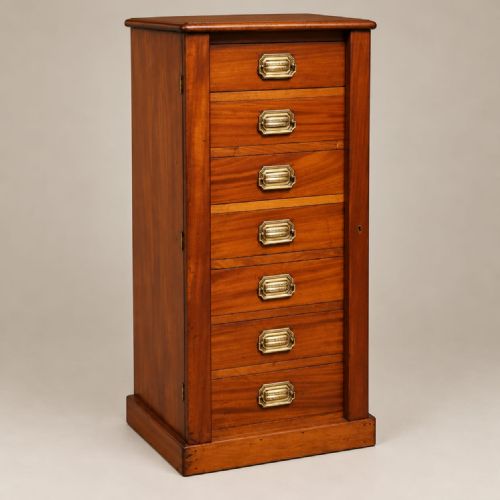
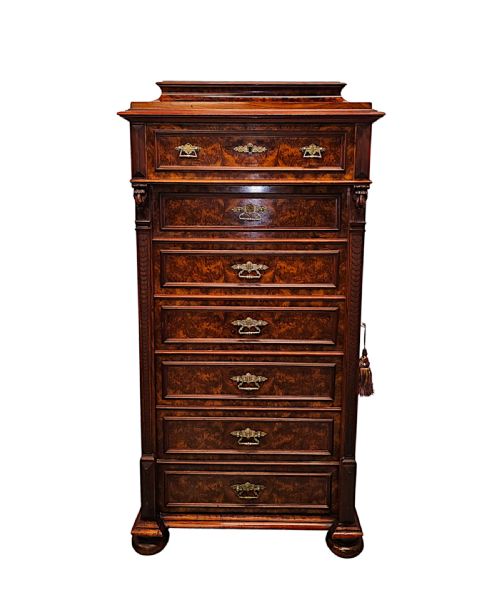
- A tall, narrow chest of drawers secured by a locking hinged side pilaster bar that fastens over the drawer edges.
- Marquetry
- The art of applying pieces of veneer to a structure to form decorative patterns and pictures.
Antique Bar Furniture: Frequently Asked Questions
How do I date a pub table?
Dating a pub table involves examining the materials and the casting style of the base. Victorian examples often feature ornate cast-iron frames paired with thick mahogany or pine tops.
Later twentieth-century versions transition toward simpler industrial lines and alternative metal compositions.
Where were cellarets used?
Cellarets were used primarily in dining rooms and parlours during the Georgian and Victorian periods. They held wine and spirits close to the table before fitted cellars became common in homes.
Their secure locking mechanisms protected valuable vintages from household staff.
How do I care for wood bar furniture?
Caring for antique wood surfaces requires regular dusting with a soft cloth and occasional application of appropriate wax to maintain the finish. Avoiding direct sunlight and moisture prevents veneer lifting and timber warping.
Promptly wiping up spills protects vulnerable surfaces, especially on pieces with historical polished finishes.