
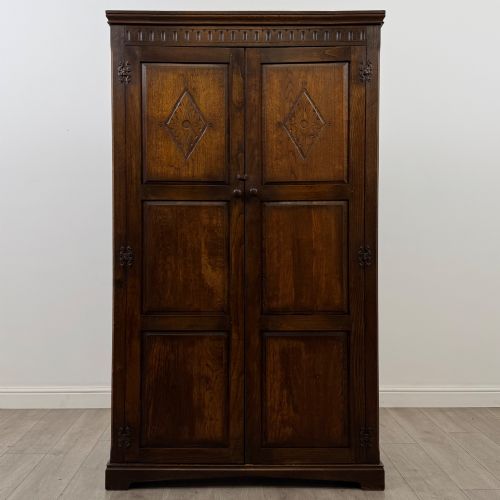
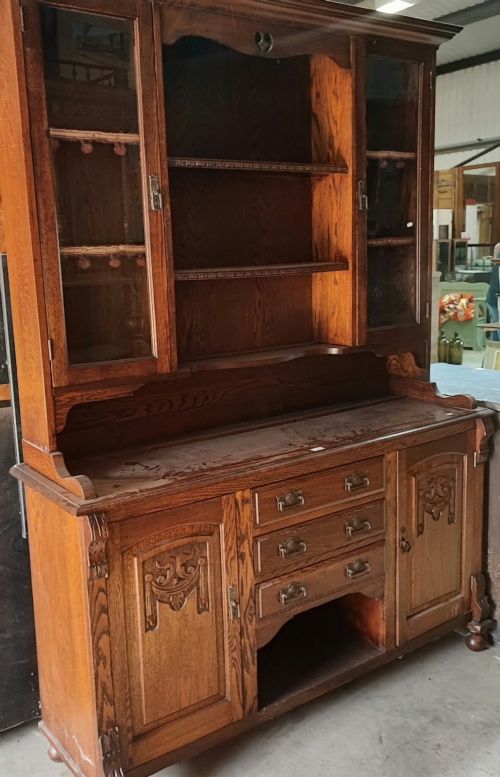
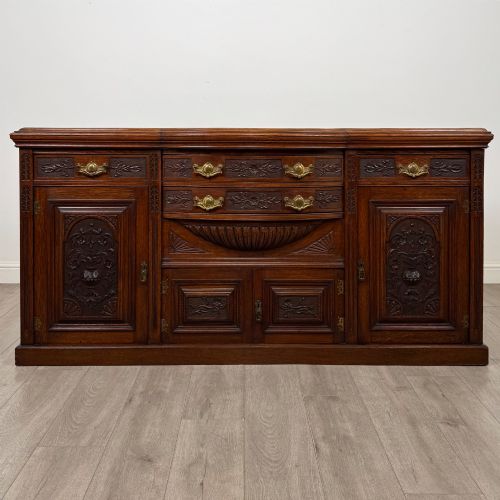
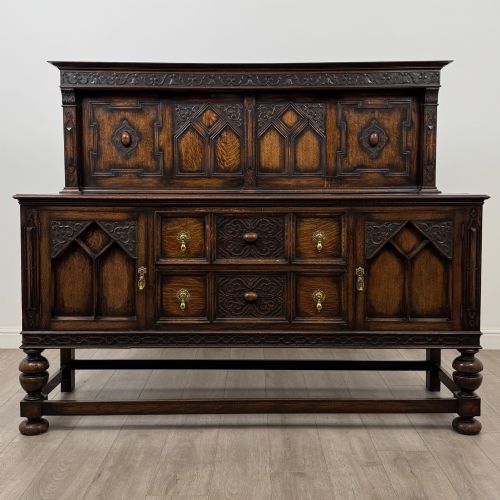
Carved Panel Oak Cupboard
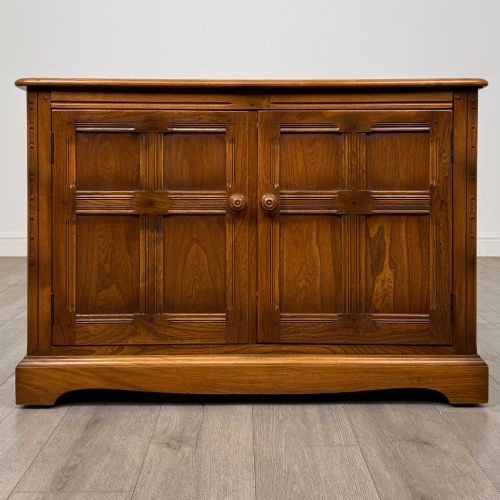
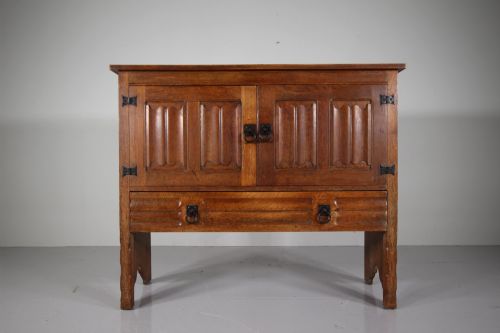
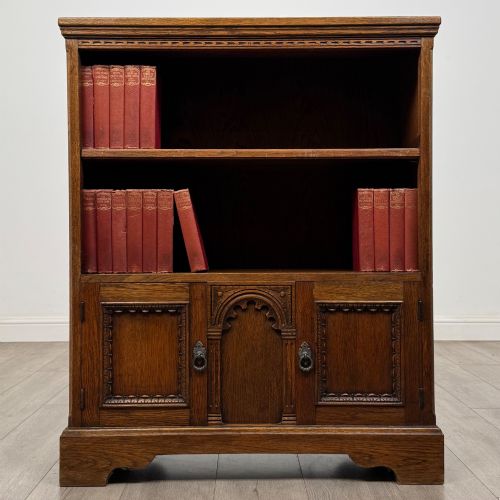
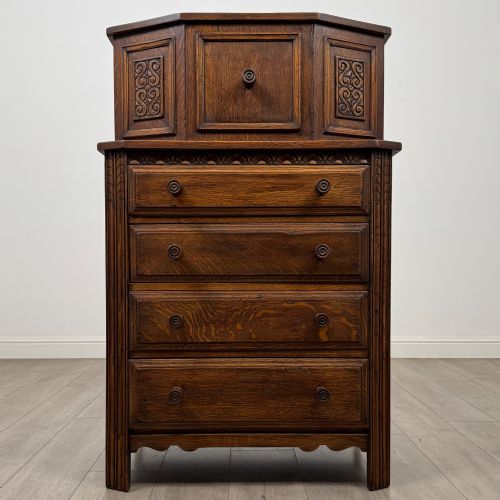
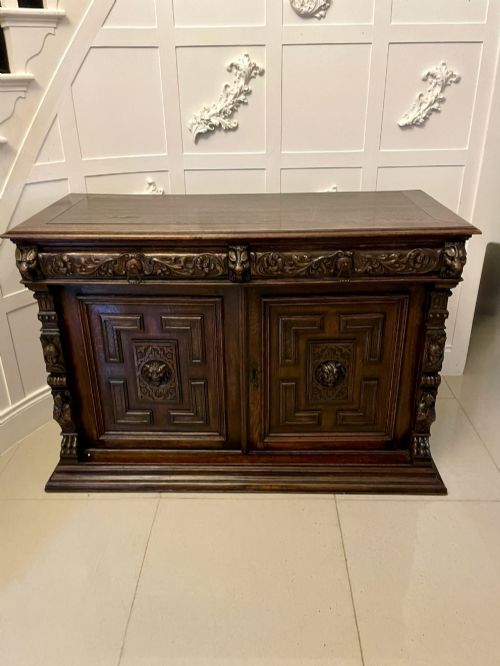
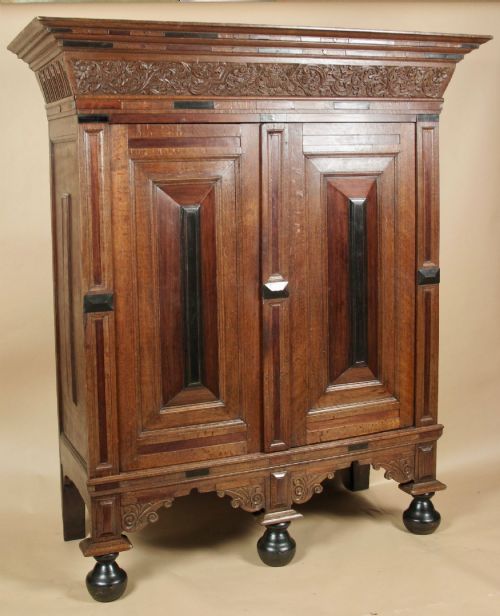
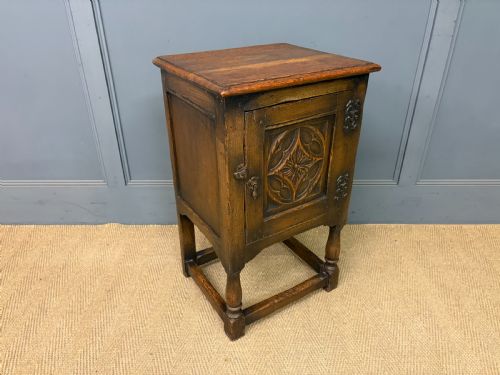
A carved panel oak cupboard brings heavy timber and centuries of hand-carved relief straight into a modern room.
Carved Panel Oak Cupboard
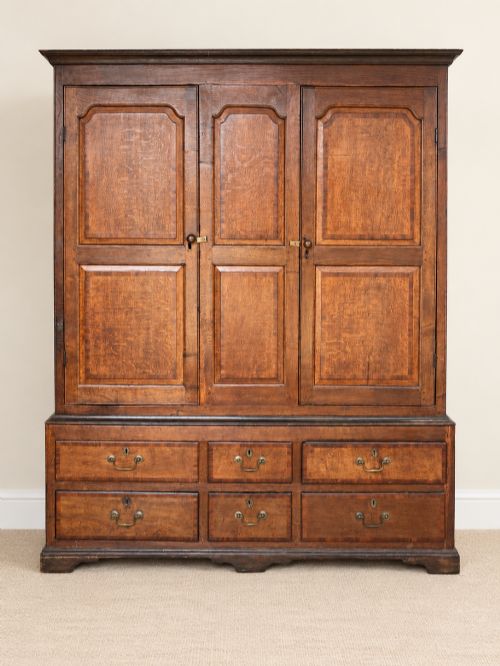
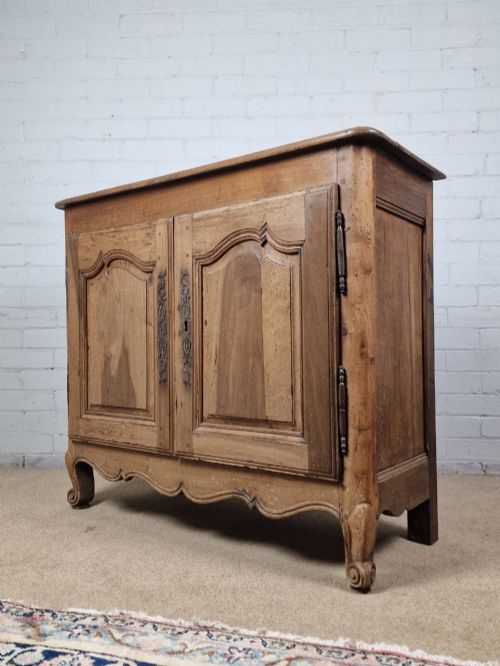
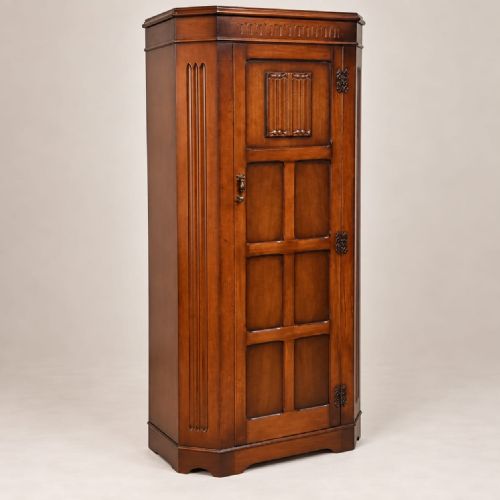
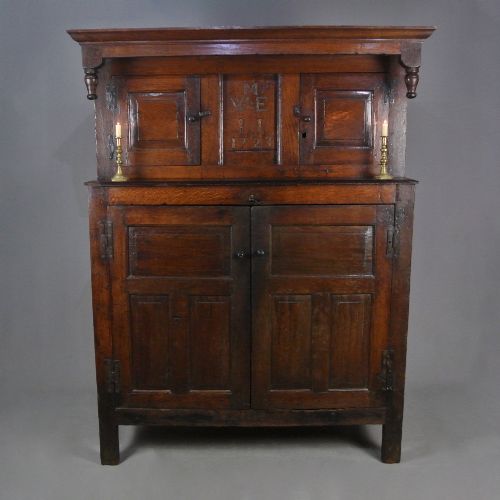
A carved panel oak cupboard is a sturdy storage piece built from sturdy timber, frequently taking the form of court cupboards, housekeepers cupboards, or simple corner units. These items span periods from the 17th century through the Victorian era and into the early 20th century, drawing on styles such as Jacobean Revival and Gothic Revival.
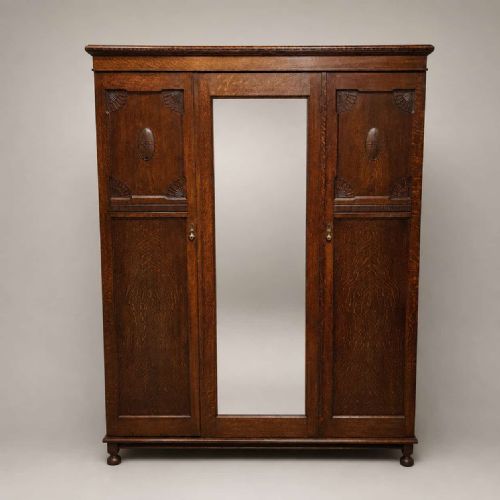
Buyers meet examples ranging from early Georgian court cupboards to Edwardian sideboards and wardrobes in golden oak. The selection covers functional domestic furniture designed for food storage, linen keeping, and general household organisation.
How they were made
These items rely primarily on solid oak construction, sometimes supplemented with secondary timbers like pine, walnut, and fruitwood. Carpenters assembled the panels using traditional joinery methods before applying hand-carved ornamentation.
Metal fittings in brass, iron, and wrought iron provide structural support and hinges, while glass appears in glazed doors on cabinets and dressers. Surfaces often retain rich patination developed through centuries of waxing and use.
Carved Panel Oak Cupboard Retail Price Guide 2026
Typical asking prices for carved panel oak cupboard among the pieces listed under this phrase on Sellingantiques today, from the lower quarter to the upper quarter. They describe what is for sale here now, not the wider market.
Some early cupboards hide secret compartments behind carved panels to keep valuables safe from roving bandits.
What varies in quality
Quality rests in the depth and sharpness of the hand-carving on the panels, where crisp relief work distinguishes superior artisan output from simpler commercial production. The choice of timber grain, particularly in tiger oak or quarter-sawn boards, alters the visual weight of the piece.
Construction integrity defines the upper tier, noting how well panel joints tolerate seasonal wood movement and whether original brass or iron hardware remains intact. Proportion and balance between the carved upper sections and lower bases separate fine vernacular items from heavier, clumsy builds.
The Carved Panel Oak Cupboard Glossary
- Court cupboard
- A traditional West European two-tier storage piece, often featuring carved panels and recessed upper doors supported by turned columns. These items served as display surfaces for plate and storage for food or linen.
- Housekeepers cupboard
- A large utilitarian storage unit used in grand homes for linens and dry stores, typically built with multiple panelled doors and deep cupboards. They offer generous proportions and robust construction.
- Jacobean Revival
- A 19th-century stylistic movement copying the heavy, geometric mouldings and strapwork carving of the early 17th century. Furniture in this style uses dark oak and deep relief carving.
- Quarter-sawn oak
- Timber cut radially from the tree ring, producing a distinctive figure with flecked grain patterns known as medullary rays. This cut provides greater stability against warping in heavy cupboard panels.
Carved Panel Oak Cupboard: Frequently Asked Questions
How do I date an old oak cupboard?
Dating relies on examining the construction marks, tool traces, and joint types visible inside the carcase. Hand-cut peg joints, pegged tenons, and irregular panel bevelling usually point towards earlier centuries, whereas uniform machine milling indicates later revival periods.
Hardware placement and timber selection also assist with chronology, as iron hinges and butterfly butterfly butterfly fixings change across reigns and decades. Comparing the style of the carved panels to known vernacular pieces helps narrow down the decade.
Where should I place a heavy oak cupboard?
Position these heavy items against interior load-bearing walls away from direct sunlight and strong heat sources. Oak reacts to extreme temperature swings by expanding and contracting, so keeping distance from radiators prevents the panels from splitting.
Ensure the floor beneath can support the substantial weight of solid timber and contents. Corner cupboards work well to utilise unused room angles without dominating the floor space.
How do I maintain the finish on dark oak?
Feed the timber periodically with traditional beeswax applied using a soft cloth and buffed gently along the grain. Avoid modern silicone sprays or abrasive cleaners that strip the historic patination accumulated over generations.
Keep humidity stable within the room to preserve the natural moisture balance of the oak. Dust regularly with a dry lint-free cloth to prevent particulate buildup in the carved recesses.