


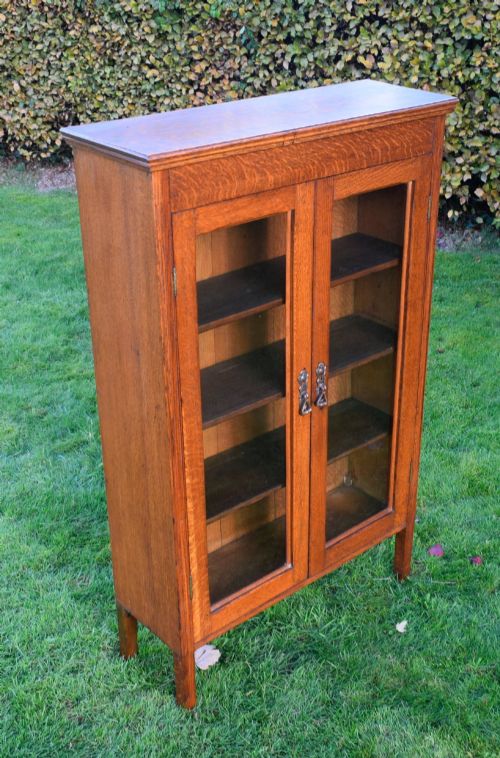
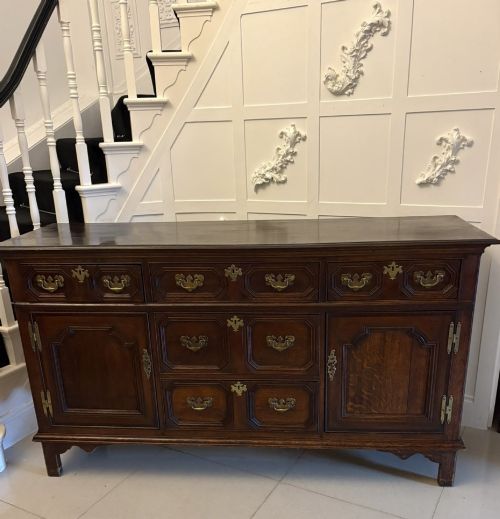
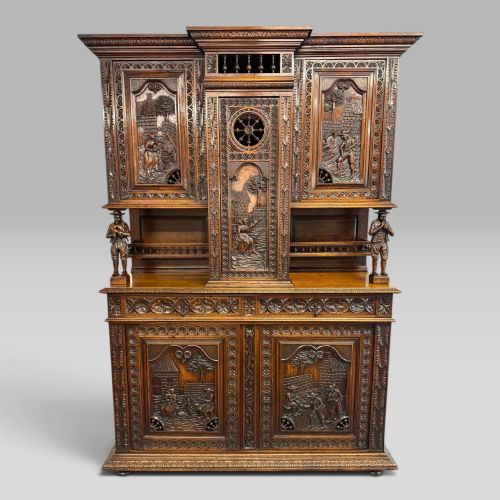
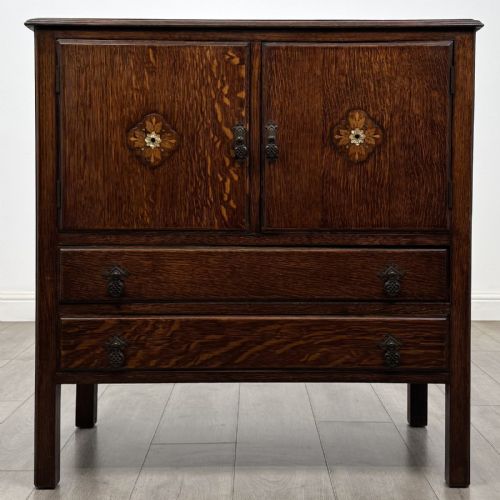
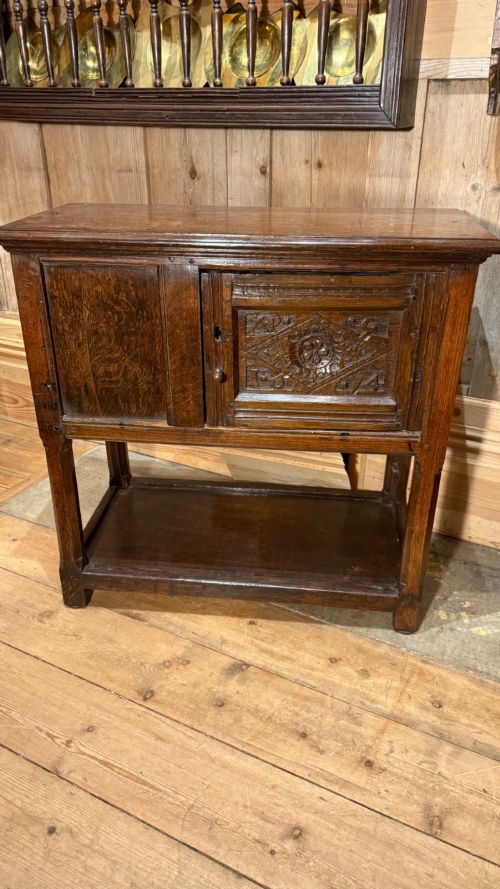
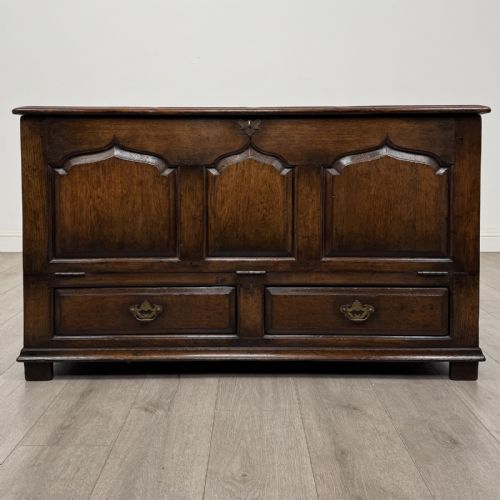
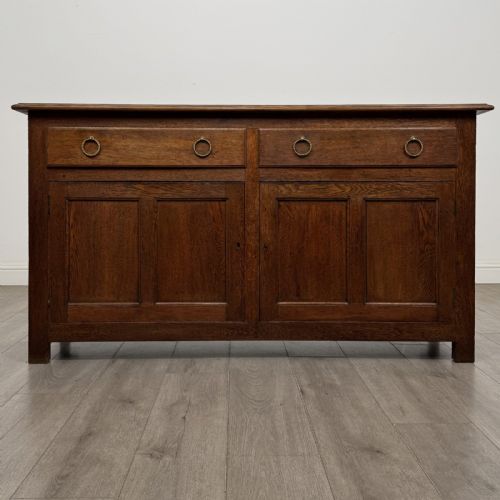
Dark Oak Storage Cupboard
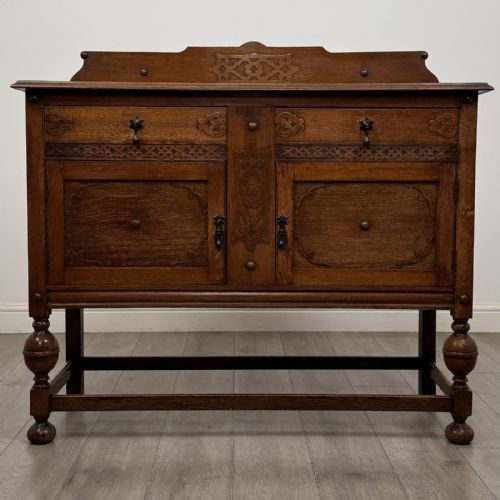
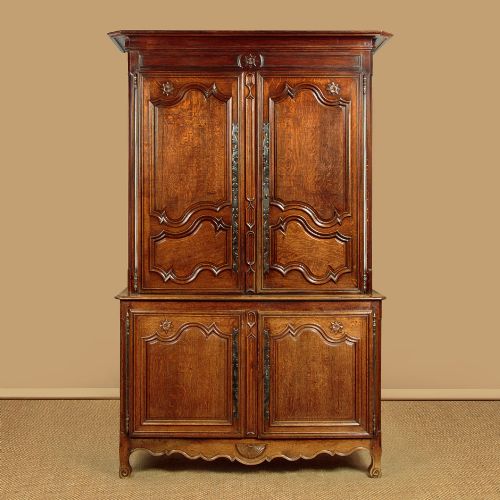
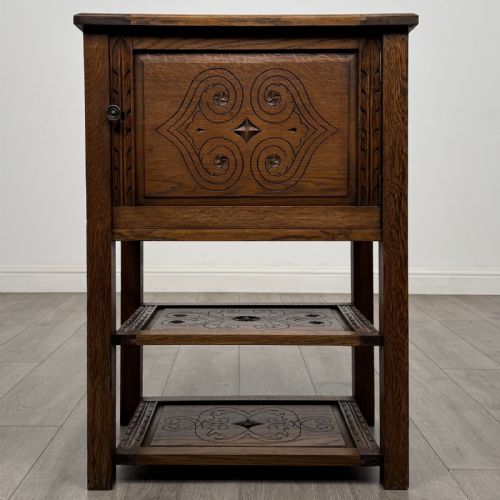
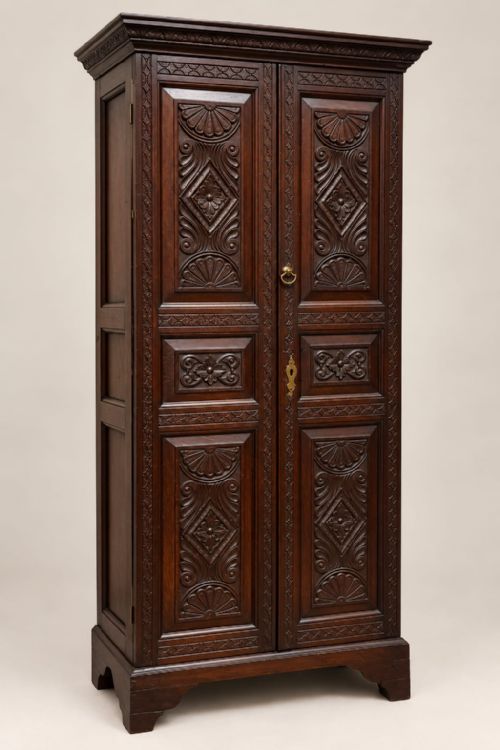
A dark oak storage cupboard brings centuries of timber and utility into a modern room, offering heavy grain and honest proportions.
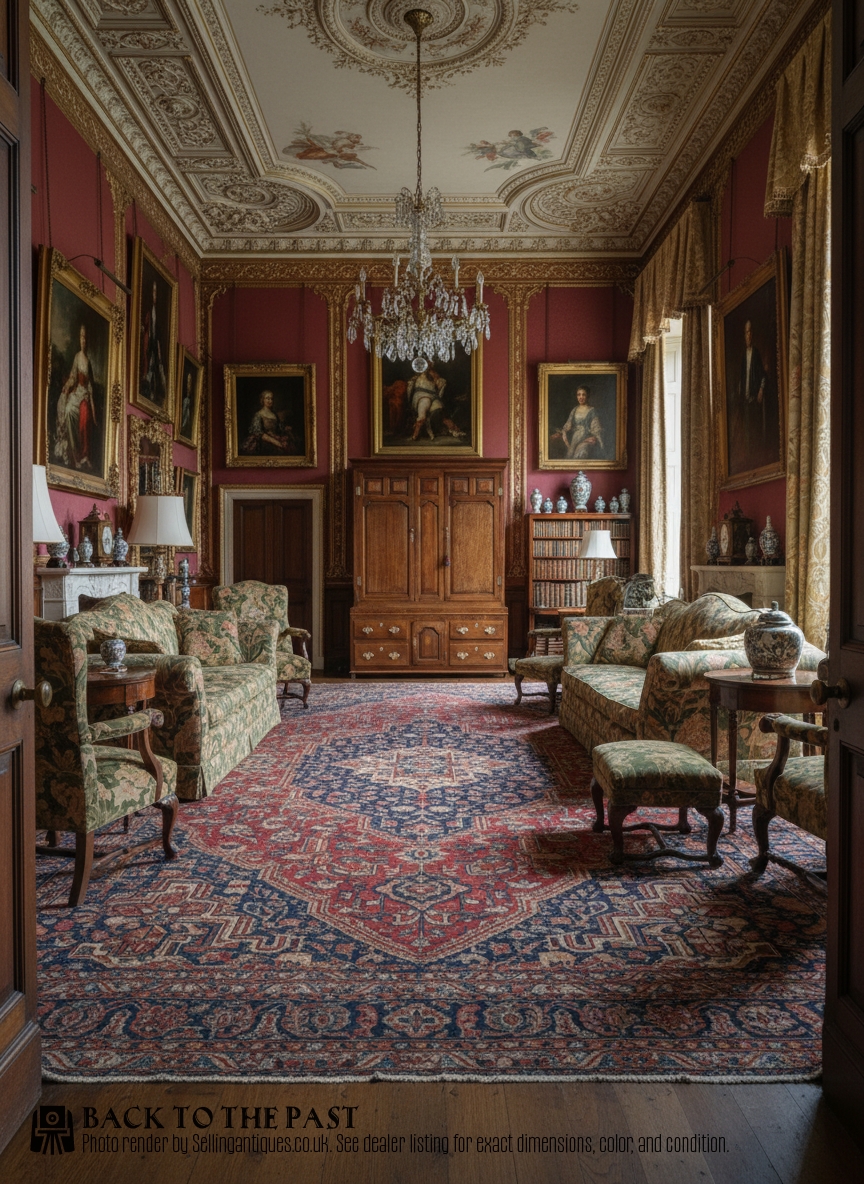
Dark Oak Storage Cupboard
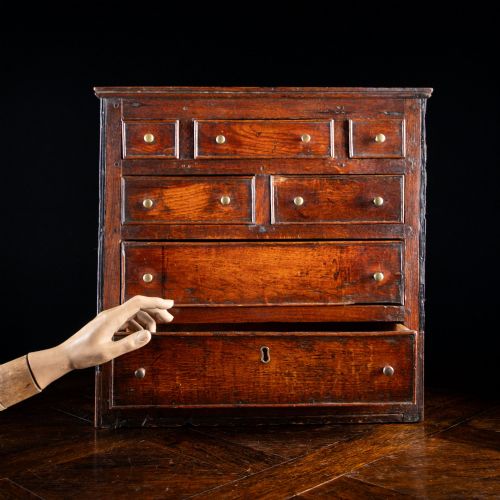
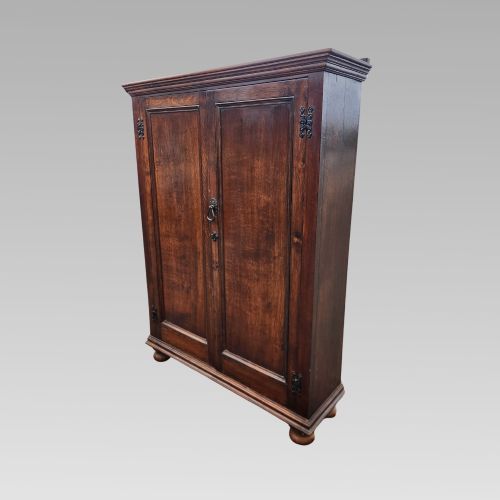
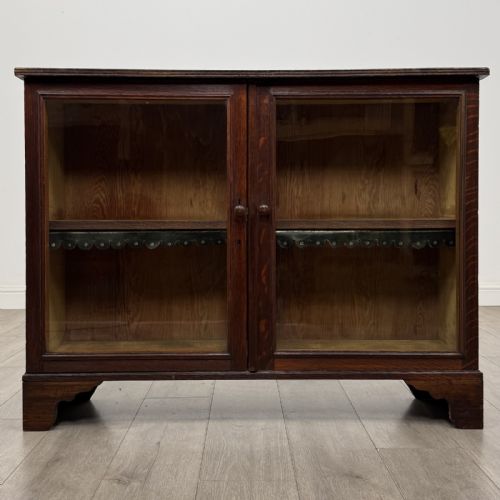
A dark oak storage cupboard provides substantial utility through enclosed shelving, drawers, and hanging space. Pieces matching this description span multiple eras, encompassing vernacular furniture and formal household pieces.
Stylistic influences vary widely across the selection, incorporating Jacobean Revival, Gothic Revival, Arts and Crafts, and Tudor Revival interpretations. Each period imparts distinct moulding details and surface treatments to the basic carcase.
Materials and construction methods
Makers utilised solid oak planks joined by traditional methods, incorporating brass or iron hardware for hinges and handles. Structural framing often relied on panel-in-frame construction to accommodate natural timber movement.
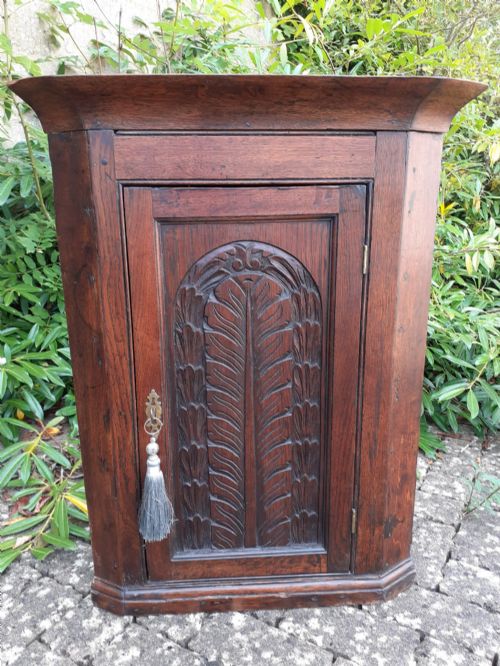
Surface embellishment frequently involved hand carving, linenfold panelling, or moulded cornices depending on the era. French Provincial and English workshops applied patinated finishes that darkened the timber grain over generations.
Dark Oak Storage Cupboard Retail Price Guide 2026
Typical asking prices for dark oak storage cupboard among the pieces listed under this phrase on Sellingantiques today, from the lower quarter to the upper quarter. They describe what is for sale here now, not the wider market.
Listings feature oak combined with brass, iron, glass, and wrought iron across Edwardian, Victorian, and 18th Century periods.
Assessing quality in dark oak furniture
Structural integrity sets superior examples apart, particularly the tightness of joinery and the survival of original backboards. Superior pieces maintain uncompromised carcases without excessive timber shrinkage or modern replacement panels.
Surface depth and timber selection govern visual merit, distinguishing simple utility items from finely carved court cupboards or fitted wardrobes. Original hardware and unaltered patination contribute significantly to the overall merit of a piece.
GM Elwood for JS Henry
The Dark Oak Storage Cupboard Glossary
- Court cupboard
- A traditional enclosed piece of furniture featuring recessed upper sections supported on turned posts. These items date primarily from earlier centuries and serve prominent display functions.
- Linen press
- A tall storage item designed for textiles, typically combining upper shelf space with lower drawer arrangements. Georgian and 18th Century examples frequently display panelled doors.
- Housekeeper's cupboard
- A large utilitarian storage carcase traditionally utilised for linen and dry stores in country houses. They offer substantial internal depth and multiple doors.
- Joined oak
- Construction terminology denoting furniture assembled using mortise and tenon joints secured with wooden pegs. This method precedes modern mechanical fastening.
- Linenfold
- A decorative carved panel moulding mimicking folded fabric. This motif appears frequently on revival pieces and Tudor period furnishings.
Dark Oak Storage Cupboard: Frequently Asked Questions
How do I date an oak cupboard?
Dating relies upon examining construction marks, hinges, and the method of panel assembly. Hand-cut joints and original ironwork point towards earlier centuries, while machine-cut timber indicates later revival periods.
Secondary woods used in drawer linings also provide chronological clues. Examining tool marks helps separate 17th Century joined pieces from later Edwardian reproductions.
Where should I place a large cupboard?
Substantial pieces require stable wall space away from direct heat sources to prevent timber splitting. Hallways, living rooms, and bedrooms accommodate these forms depending on internal depth.
Ensure adequate clearance for doors to swing fully open. Corner cabinets utilise dead space efficiently in smaller dining rooms or studies.
How do I maintain dark oak surfaces?
Routine maintenance involves dusting with a dry lint-free cloth and applying occasional quality beeswax to nourish the timber. Avoid silicone sprays which build up and dull the historic finish.
Keeping humidity levels stable prevents the oak from shrinking or warping. Natural oils in the wood preserve the dark patina over decades of use.
What is the difference between a press and a wardrobe?
A press traditionally incorporates sliding trays or shallow shelves behind upper doors, originally intended for folded linens. Wardrobes provide vertical hanging space for garments on rails or hooks.
Many 18th Century and Georgian pieces blur these distinctions through later interior alterations. Checking internal configurations reveals the original intended function.