
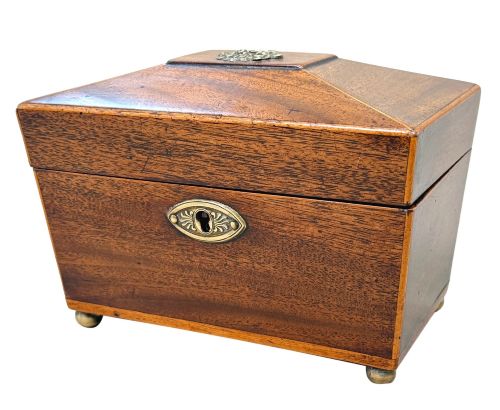

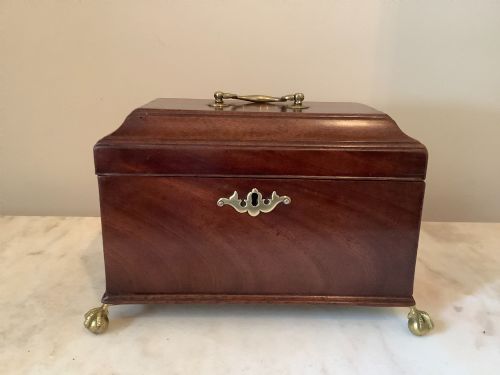
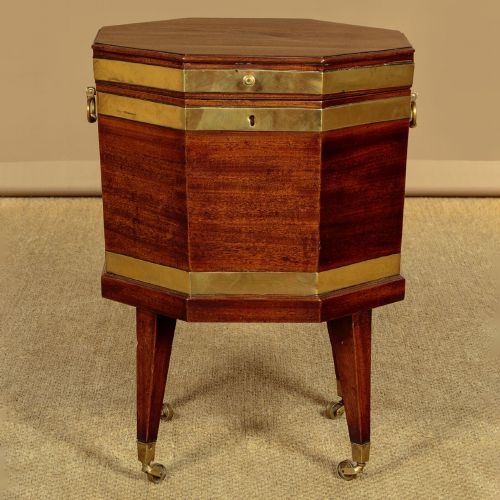
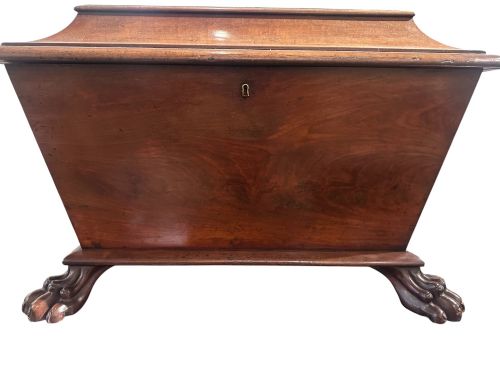
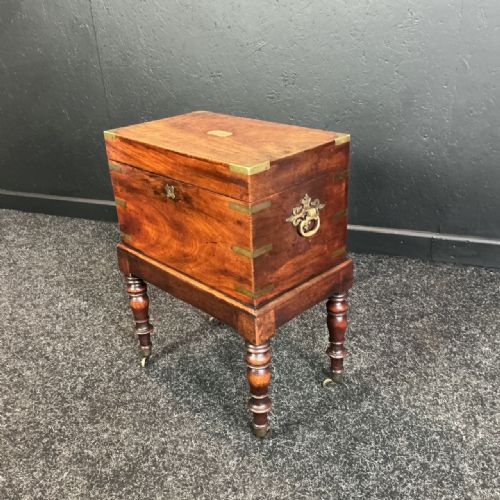
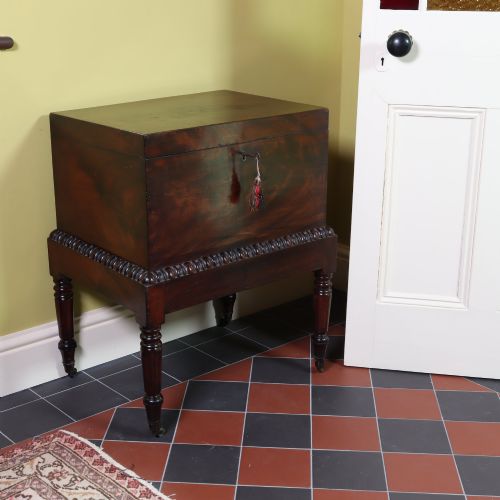

Mahogany Sarcophagus Box
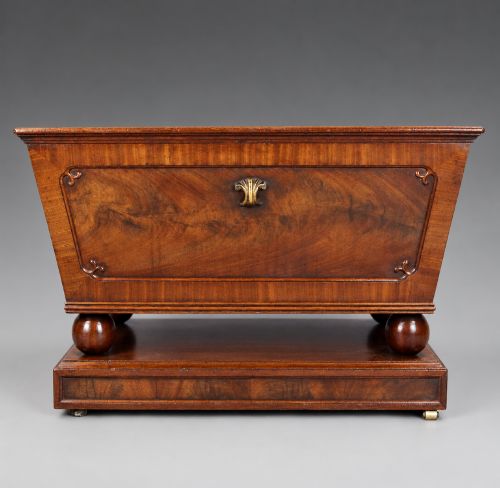
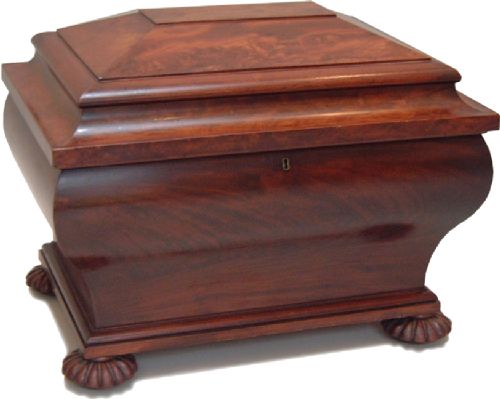
A mahogany sarcophagus box is a disciplined container formed in classical architectural lines, prized for storing tea, wine or valuables with architectural gravitas.
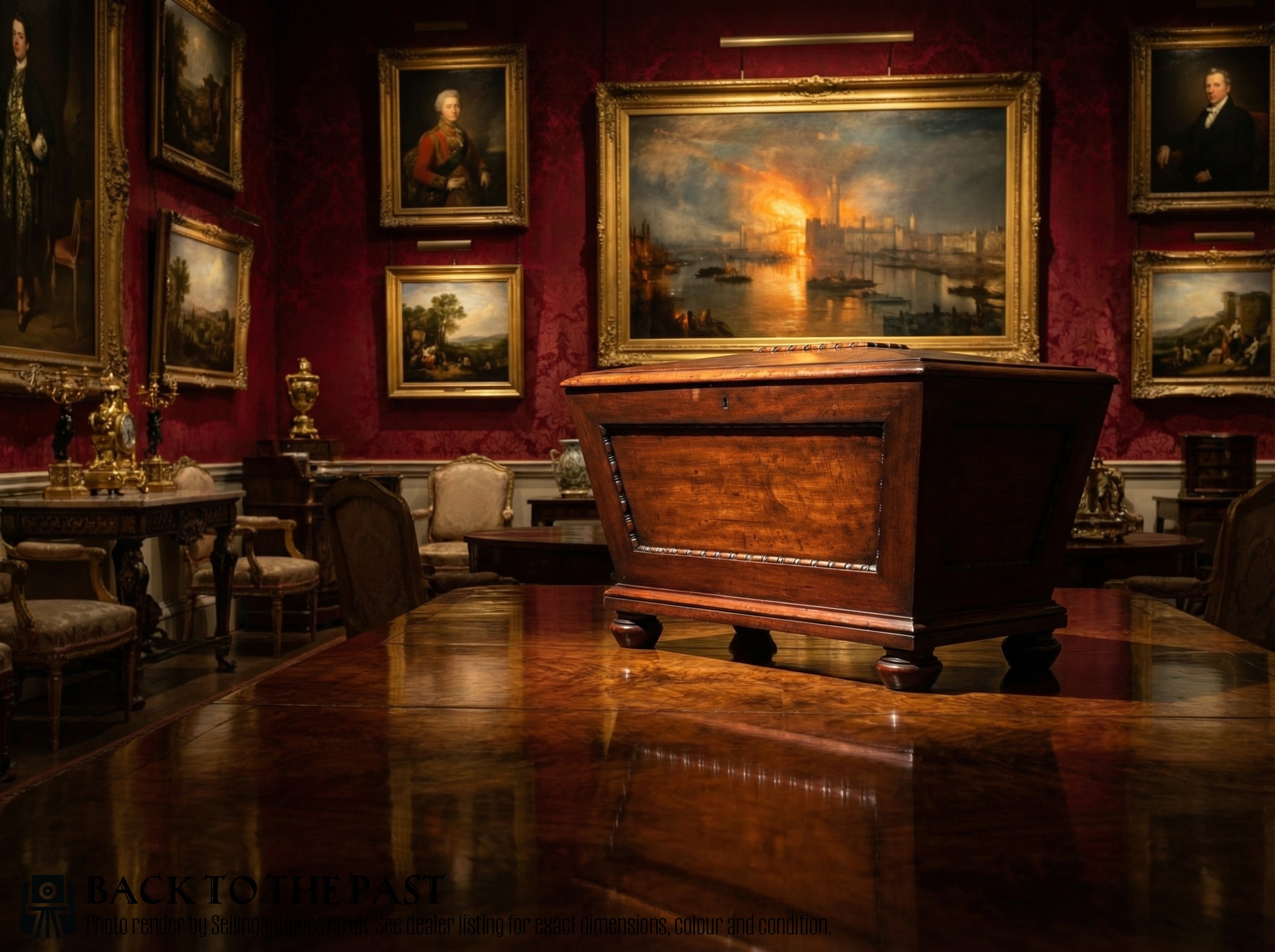
Mahogany Sarcophagus Box
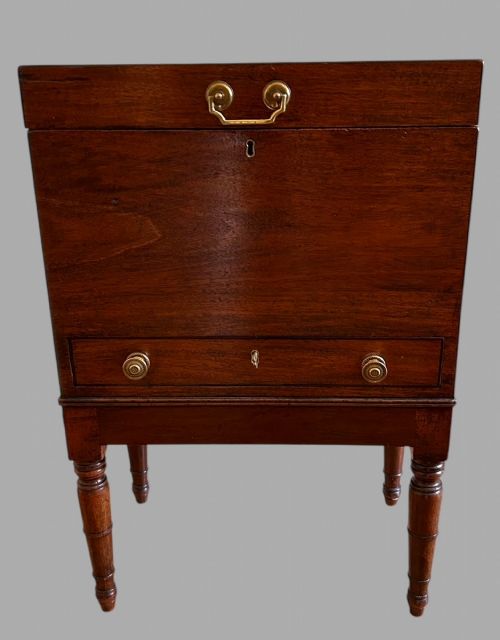
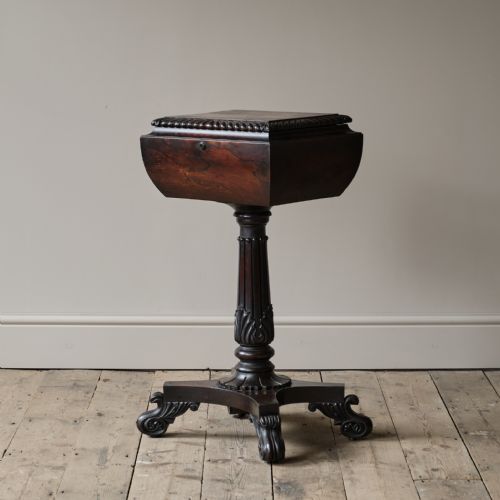
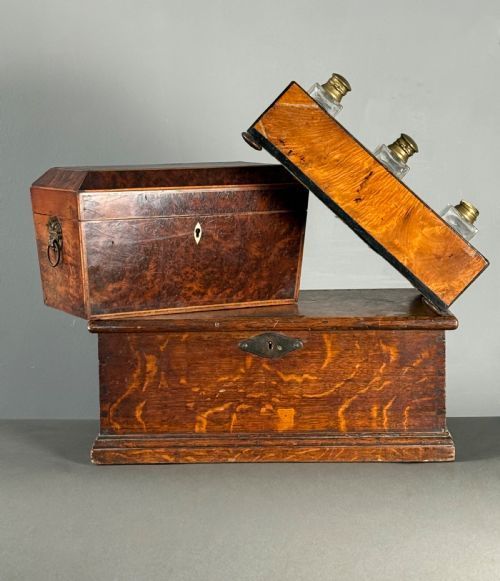
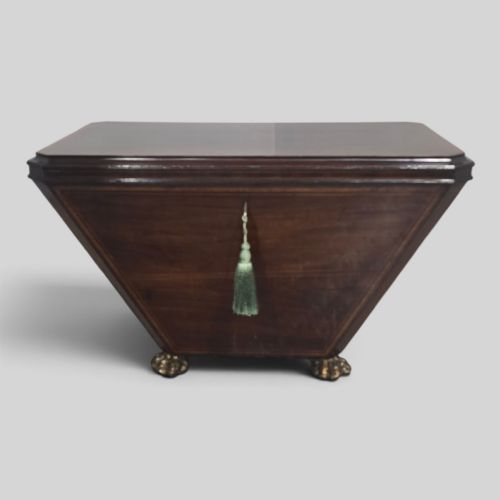
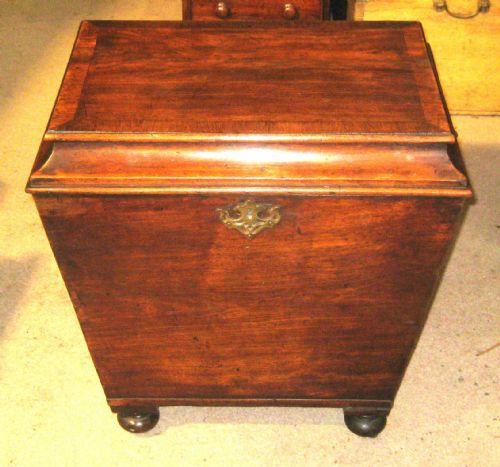
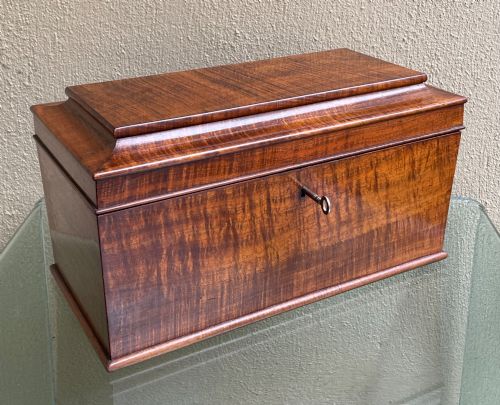
When you search for a mahogany sarcophagus box, you encounter pieces designed to hold tea, wine, or valuables within a distinct tapered tomb-like form. The listings here divide principally between large wine coolers or cellarettes and smaller tea caddies, alongside work boxes and stationary boxes shaped in this classical idiom.
Most examples date from the Georgian, Regency, and Victorian periods, stretching from the eighteenth century into the nineteenth. You are most likely to meet Regency and Georgian items constructed in solid or figured mahogany, reflecting the neoclassical taste that dominated British furniture design during those decades.
How they were made
Cabinet makers built these boxes using dense timbers like flame mahogany, often mounting them on plinth bases or bracket feet. Secondary woods and framing supported the heavy primary mahogany carcasing, while interior compartments were lined for specific culinary or domestic uses.
Decoration relied on applied brass hardware, bone or mother of pearl details, ebonised wood stringing, and occasionally cast ormolu mounts. Lead liners appeared inside wine coolers to hold ice and bottles safely, while tea caddies received fitted wooden canisters and glass mixing bowls.
Mahogany Sarcophagus Box Retail Price Guide 2026
Typical asking prices for mahogany sarcophagus box among the pieces listed under this phrase on Sellingantiques today, from the lower quarter to the upper quarter. They describe what is for sale here now, not the wider market.
The listings here demonstrate that sarcophagus forms crossed multiple domestic categories, including stationary boxes, sewing boxes, and coal boxes.
What varies in quality
The distinction between ordinary and exceptional pieces rests on the choice of timber and the precision of the cabinetwork. Grain selection, particularly the use of highly figured flame mahogany across the principal surfaces, dictates the visual impact of the box.
Proportion and hardware integration also separate the tiers of manufacture. Heavy cast brass handles, well-fitted internal lids, secret drawers, and original lead liners or cut glass bowls indicate workshops of higher standing.
Edwards and Roberts
The Mahogany Sarcophagus Box Glossary
- Cellarette
- A lockable container designed for holding bottles of wine or spirits, often fitted with an interior lead lining. They sat beneath sideboards or on the floor during dining.
- Teapoy
- A small stand or large box on a pillar and claw base, or a freestanding chest, designed to hold multiple varieties of tea and sugar. They frequently adopted the sarcophagus silhouette during the Regency period.
- Flame mahogany
- A decorative veneer cut from where a branch joins the main trunk, producing a distinctive rippled, flame-like pattern. It was heavily utilised on premium cabinet fronts.
- Ormolu
- Gilt bronze ornamentation applied to furniture and boxes during the neoclassical period. The technique involved creating an amalgam of gold and mercury.
- Ebonised wood
- Timber treated with a dark stain or finish to imitate ebony. Cabinet makers employed it to create sharp linear contrasts against pale mahogany or inlaid details.
Mahogany Sarcophagus Box: Frequently Asked Questions
What did they store inside?
These boxes held valuable household commodities like tea leaves, wine bottles, sewing implements, stationery, or coal.
Larger scaled sarcophagus forms served dining and entertaining needs as cellarettes, while tabletop versions secured dry goods and personal letters.
How do I spot a Regency piece?
Regency examples display sharp classical proportions, bold flame mahogany veneers, and restrained mounts in brass or ormolu.
They draw heavily on ancient Roman and Greek architectural motifs following the archaeological discoveries of the era.
Are lead liners original?
Many wine coolers retain their original fitted lead linings designed to contain melting ice and protect the timber framework.
These linings are soldered at the joints and shaped to accommodate specific bottle sizes of the period.
Where were they placed?
Larger cellarettes stood directly on the floor beneath dining room sideboards or tables for easy access during meals.
Smaller tea caddies and work boxes sat atop sofa tables, chests of drawers, or dedicated pier tables in the principal reception rooms.