

Brown Mahogany Cellarette
A brown mahogany cellarette is a traditional container for storing bottles, keeping wine and spirits cool during dining.
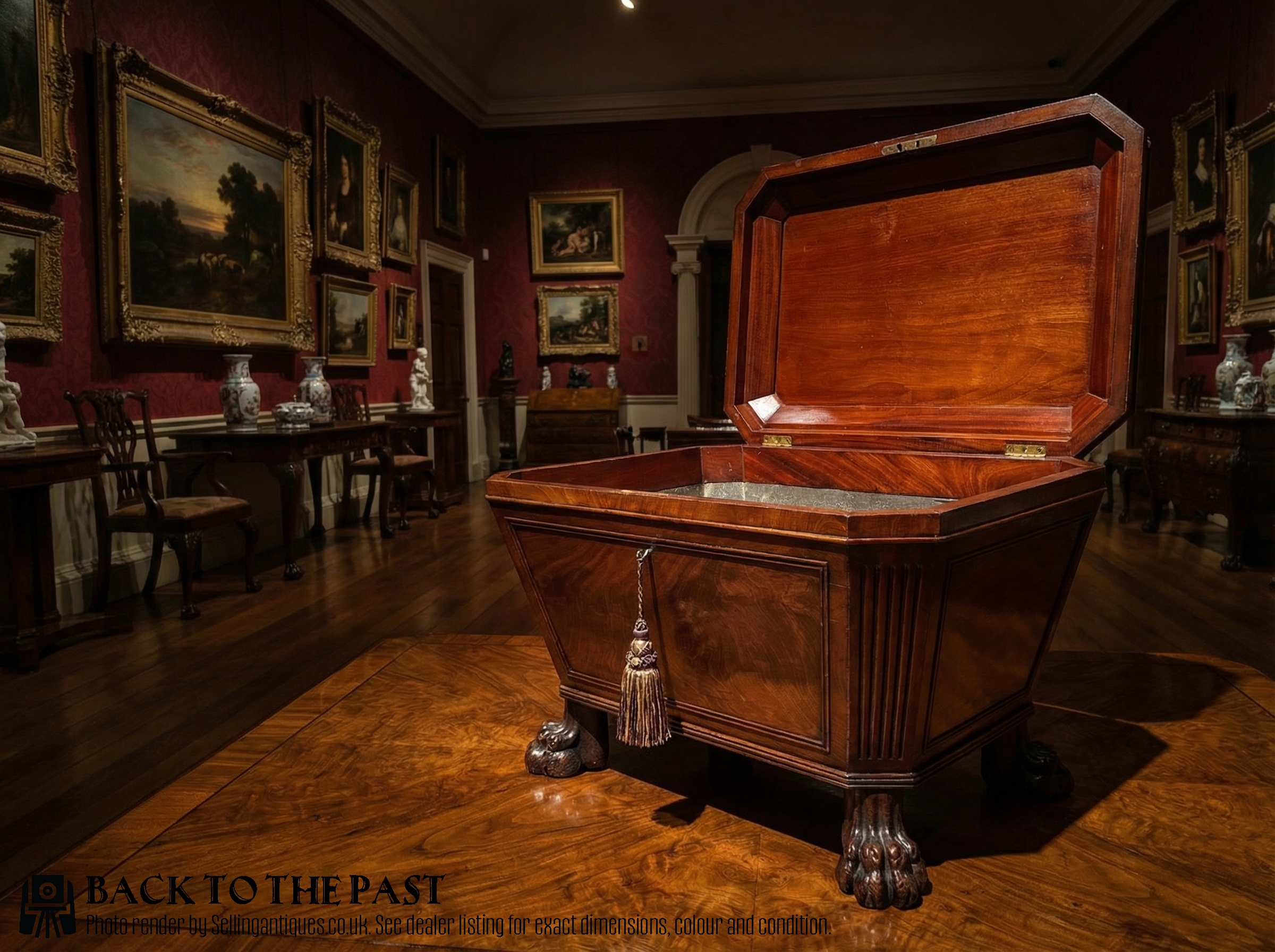
Brown Mahogany Cellarette
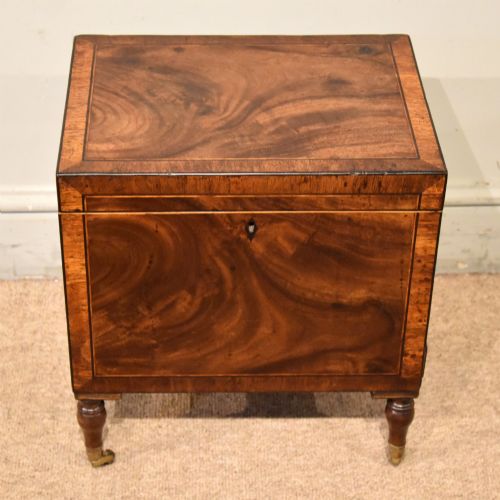
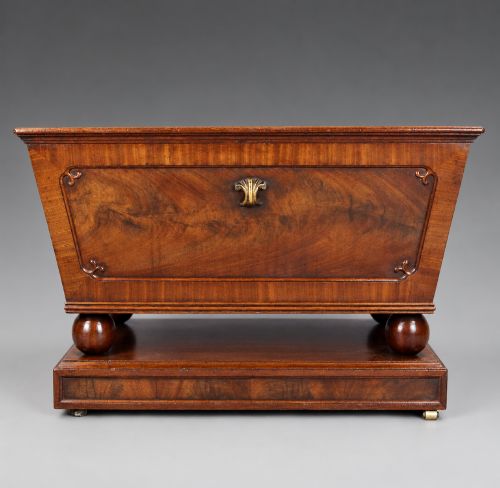
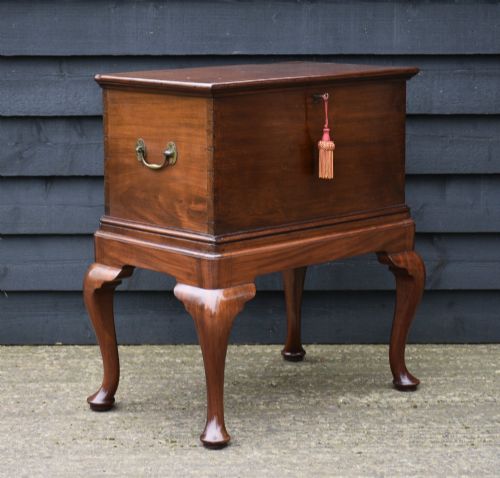
A brown mahogany cellarette serves as a dedicated vessel for holding wine bottles near the dining table. Buyers examining this page encounter pieces originating from the Georgian, Regency, and Victorian periods.
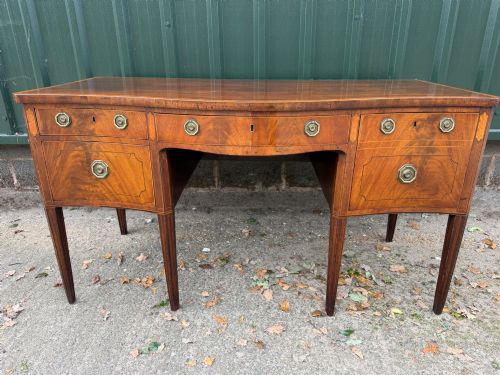
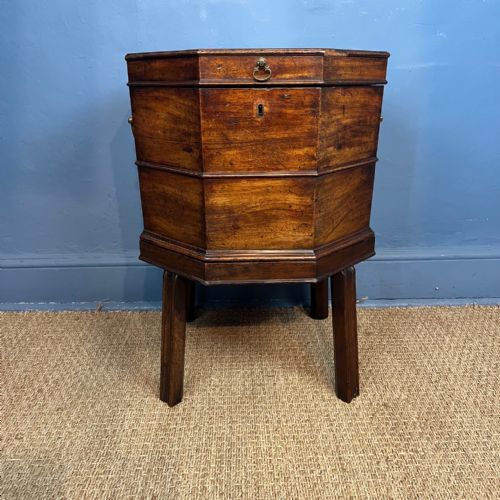
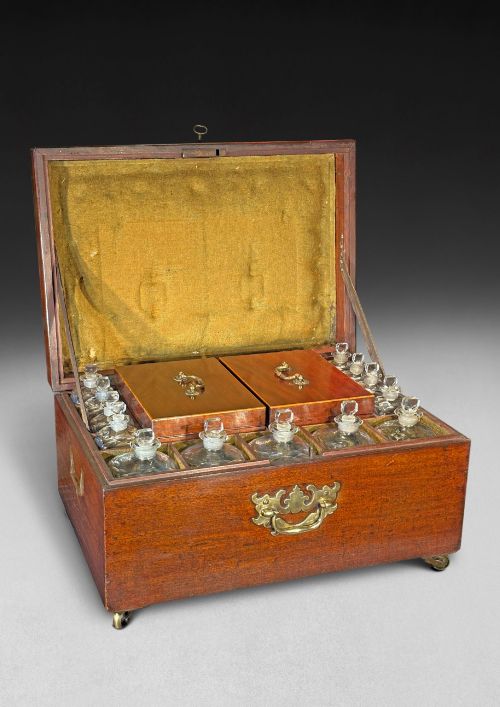
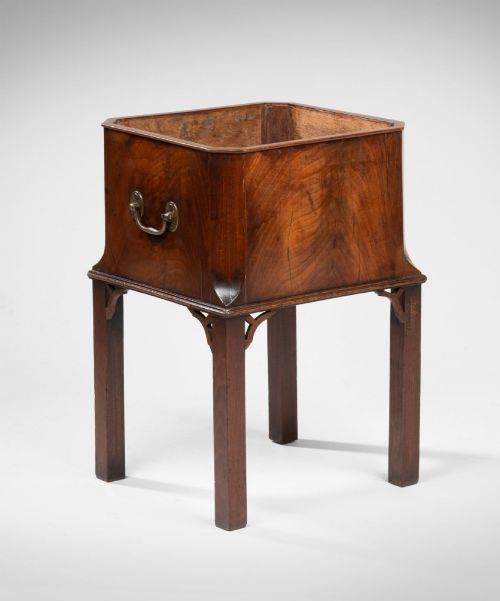
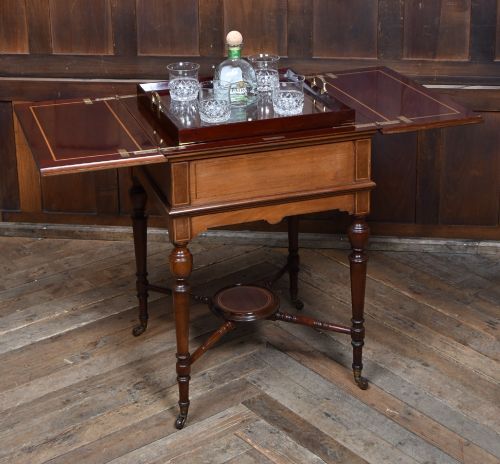
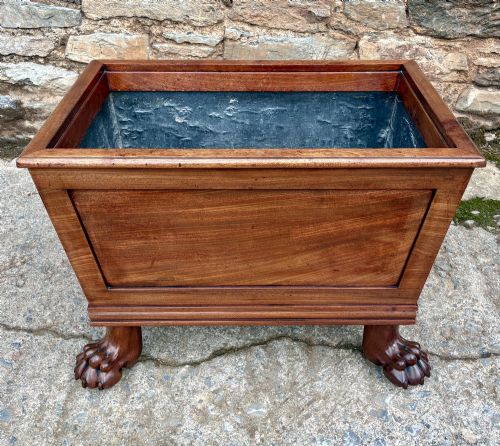
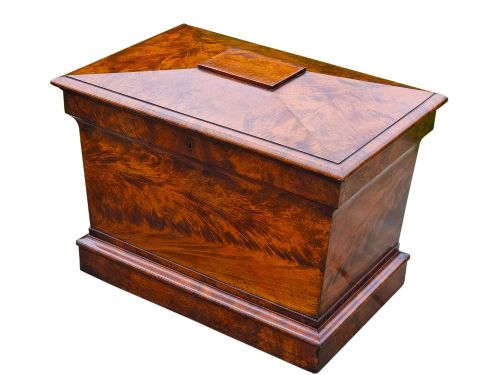
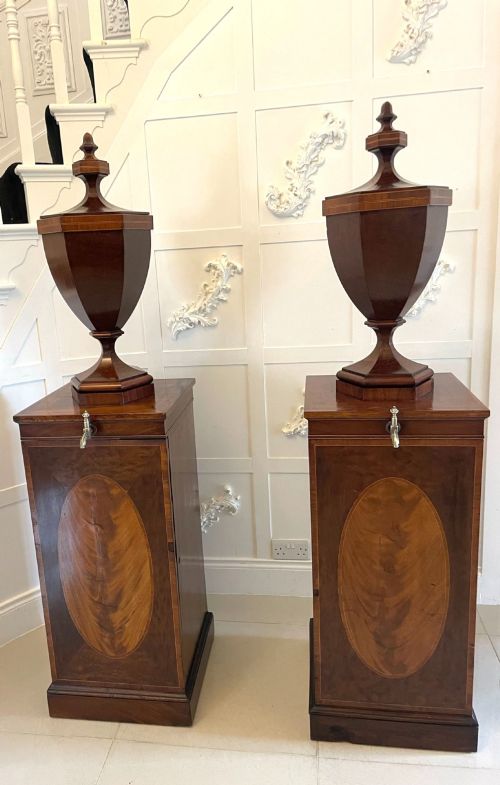
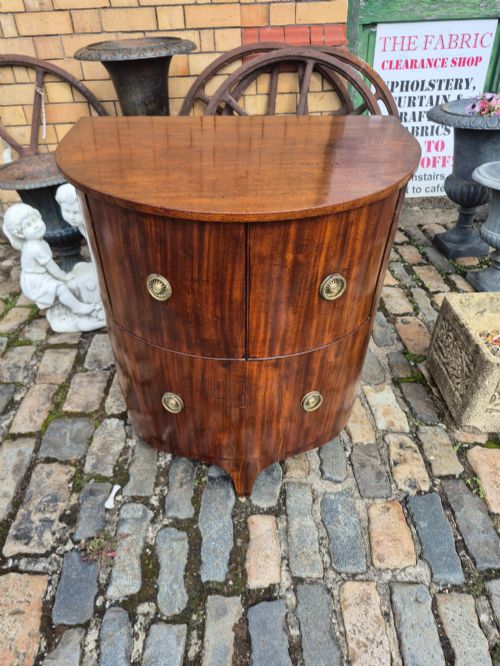
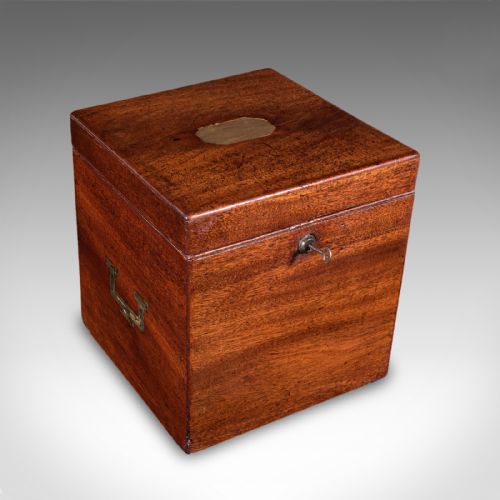
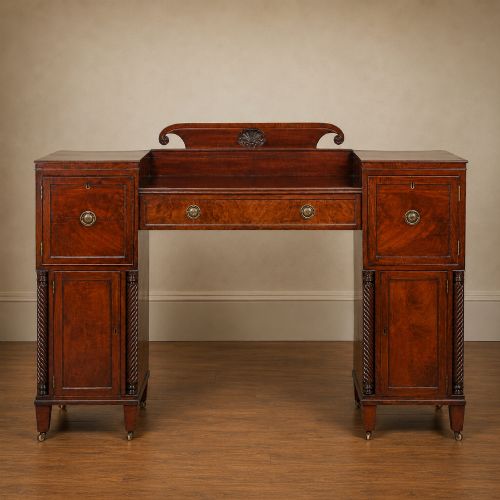
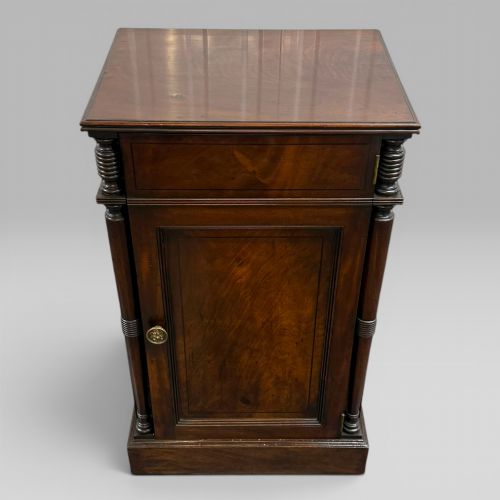
The most common form is the sarcophagus shaped wine cooler resting on feet or a stand. Sideboards, pedestals, and decanter boxes also appear frequently among the listings.
Craftsmanship spans the eighteenth and nineteenth centuries, showing regional English and Irish variations in design. Makers utilised rich timbers to construct these functional dining room containers.
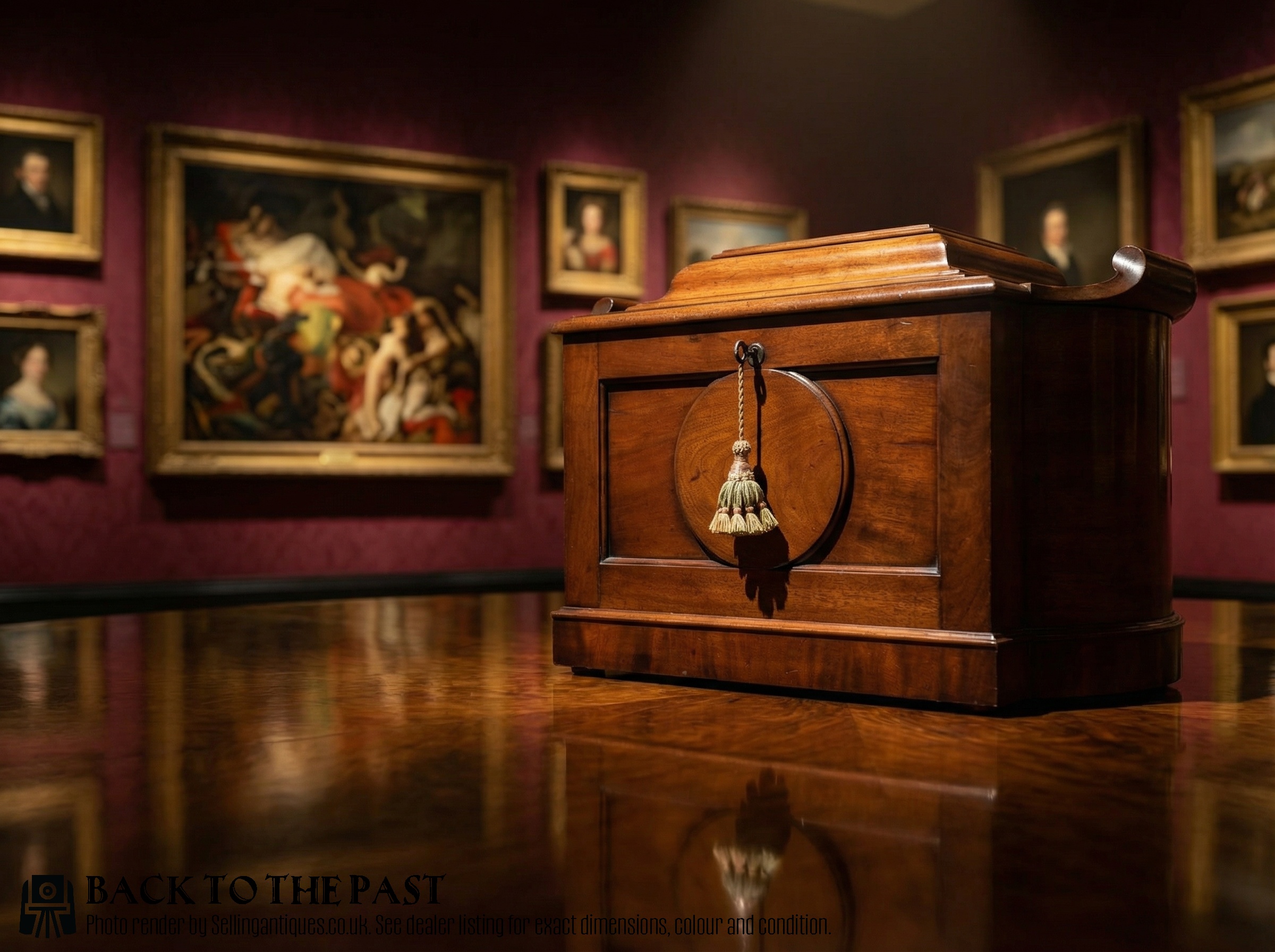
Materials and construction methods
Cabinet makers built these pieces using solid mahogany and flame mahogany veneer over secondary timbers. They incorporated brass for handles, bands, and castors to reinforce the heavy wooden structures.
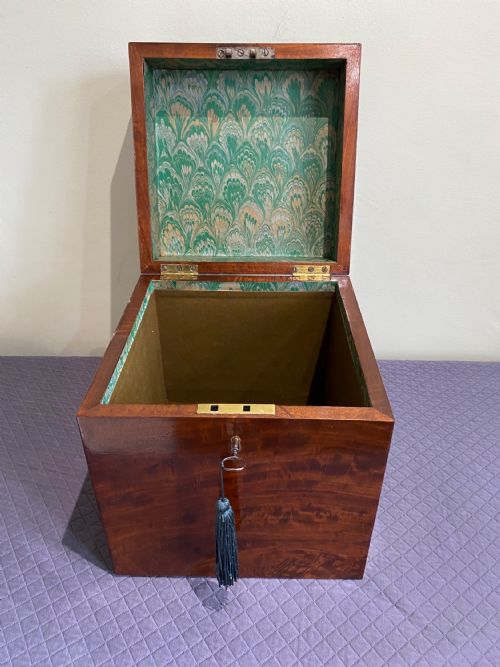
Inlays of satinwood, boxwood, and various metals created contrasting geometric or floral details on the surfaces. Joinery often included specialised interior compartments designed to secure individual bottles safely.
Brown Mahogany Cellarette Retail Price Guide 2026
Typical asking prices for brown mahogany cellarette among the pieces listed under this phrase on Sellingantiques today, from the lower quarter to the upper quarter. They describe what is for sale here now, not the wider market.
Listings span the Georgian, Regency, William IV, and Victorian eras, utilising mahogany, satinwood, and brass.
Distinguishing quality across examples
The sophistication of the timber figure and the precision of the cabinet work define the upper tier of pieces. Flame mahogany veneers matched symmetrically across a lid display superior workshop attention.
Intricate satinwood or boxwood inlay work and original brass mounts elevate a piece above simpler domestic containers. The presence of original interior partitions and feet untouched by alteration adds substantial merit.
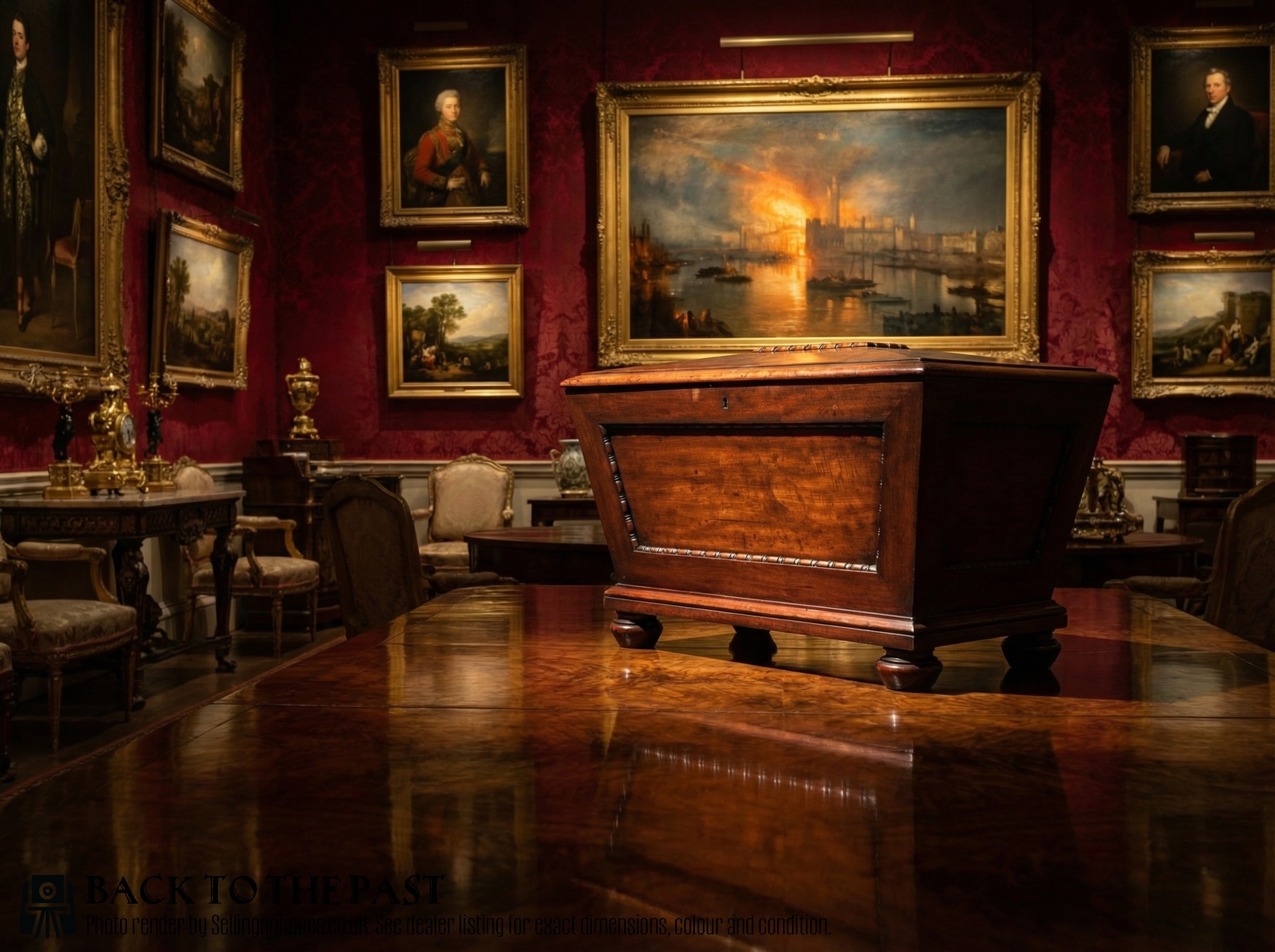
Gillows·Maples and Co·Robert Strahan and Co
The Brown Mahogany Cellarette Glossary
- Cellarette
- A lockable container used for storing wine bottles near the dining table. These vessels often featured lead-lined interiors to hold ice.
- Sarcophagus
- A tomb-like architectural shape with a domed lid and tapered sides, popular during the Regency period. This profile gave wine coolers an imposing presence.
- Flame mahogany
- Timber cut from the fork of the mahogany tree to create a distinctive flickering flame pattern. Cabinet makers reserved this wood for prominent exterior surfaces.
- Brass bound
- Furniture strengthened or decorated with bands of brass fitted around the edges. This technique protected the wood and added visual contrast.
- Inlay
- Contrasting woods or metals fitted into carved recesses to form patterns. Satinwood and boxwood were common choices for this decorative work.
Brown Mahogany Cellarette: Frequently Asked Questions
What is a brown mahogany cellarette used for?
These containers held wine bottles and ice during formal meals in grand dining rooms. Servants accessed the bottles easily from these portable or stationary chests.
Today they function as decorative side tables or drinks cabinets in modern living spaces.
How do I identify a Regency period wine cooler?
Regency pieces often display classical architectural motifs such as paw feet, carved pilasters, and bold sarcophagus profiles. The mahogany timber usually exhibits strong figuring and deep natural tones.
Brass lion mask handles and ring pulls are also typical of this specific design era.
Were all cellarettes lined with lead?
Many wine coolers featured fitted lead linings to contain melting ice used for chilling bottles. Some interiors contained wooden dividers to prevent glass bottles from colliding.
Not every box included a lining, particularly smaller decanter boxes meant for dry storage.
How do I care for antique mahogany furniture?
Keep wooden pieces away from direct sunlight and extreme temperature fluctuations to prevent the veneer from lifting. Regular dusting with a soft dry cloth maintains the finish.
Applying a traditional wax polish occasionally nourishes the grain without building up heavy residues.