




White Ceramic Platter
A white ceramic platter brings the timeless elegance of earthenware and porcelain into your home, offering a grand surface for serving or display.
White Ceramic Platter
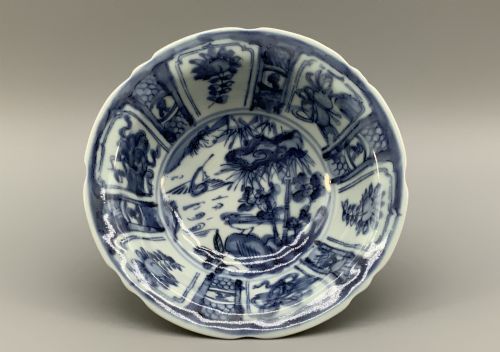
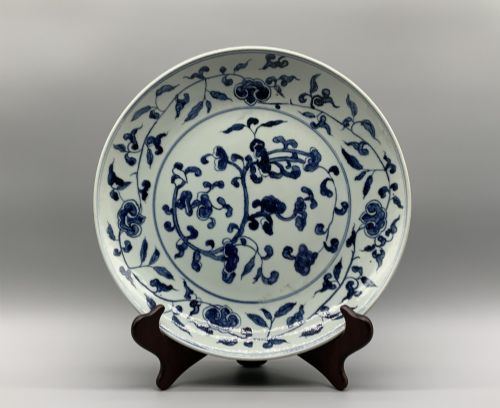
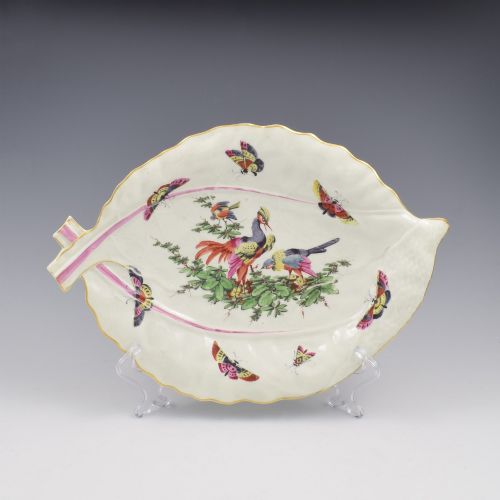
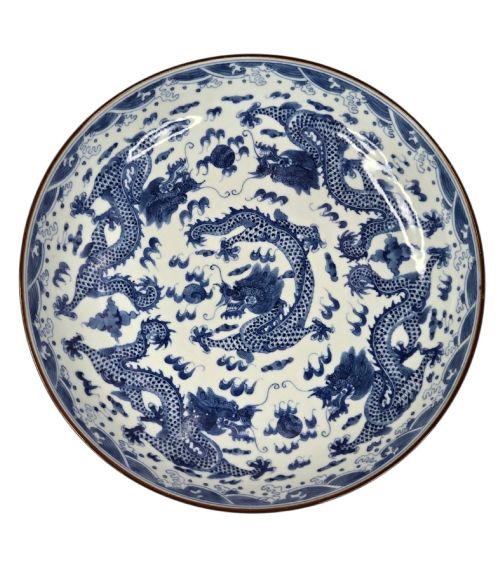
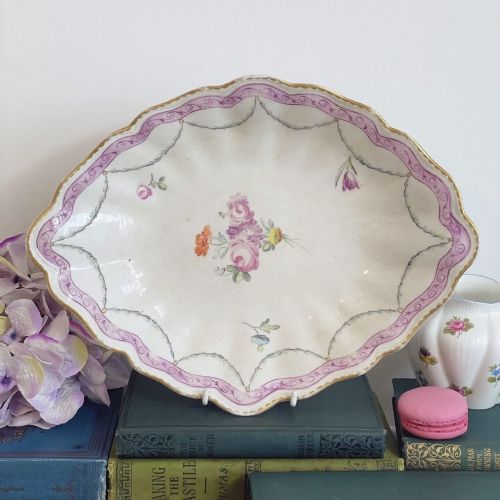
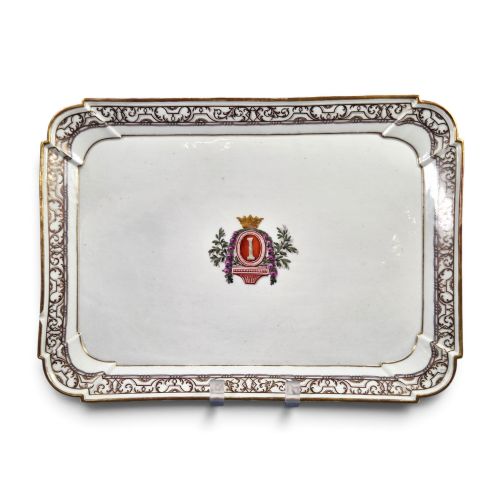
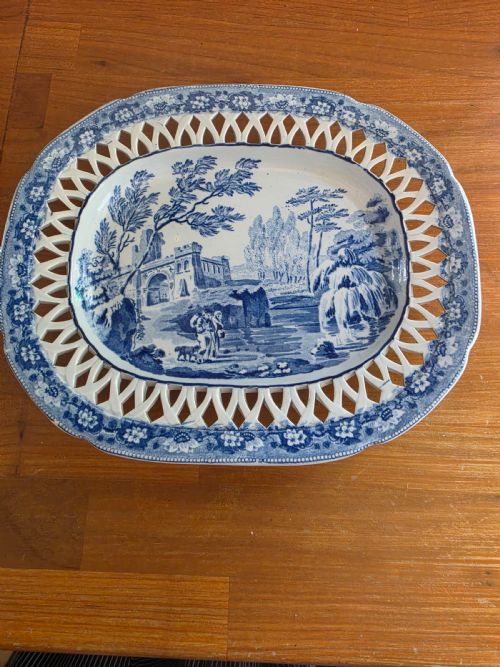
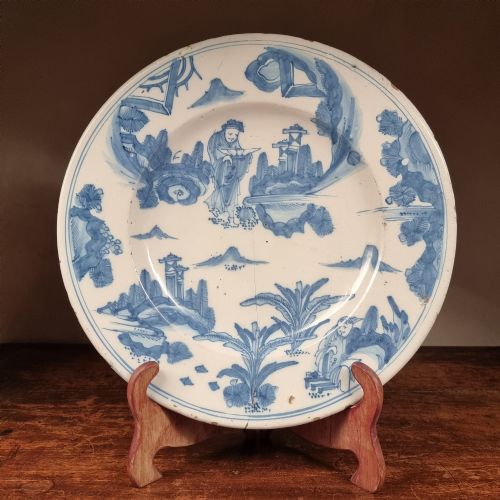
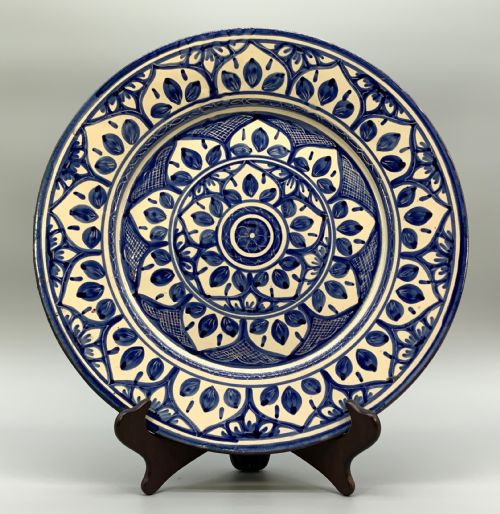
A white ceramic platter encompasses a wide variety of large serving dishes, chargers, and decorative plates originating from multiple centuries and origins. When exploring this selection, buyers encounter everything from early tin-glazed earthenware and creamware to transferware and oriental porcelain.
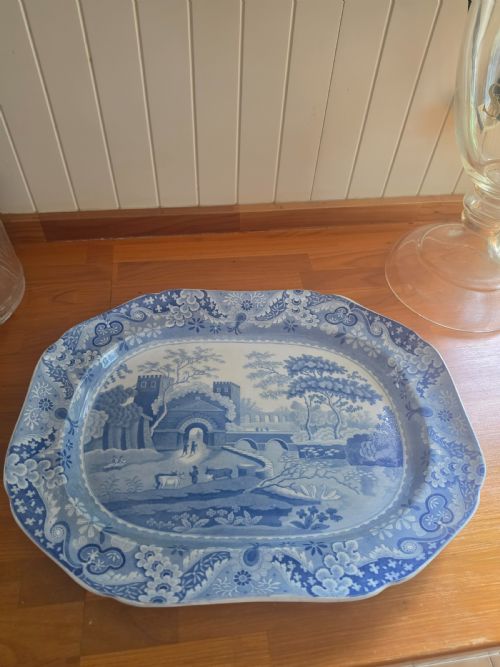
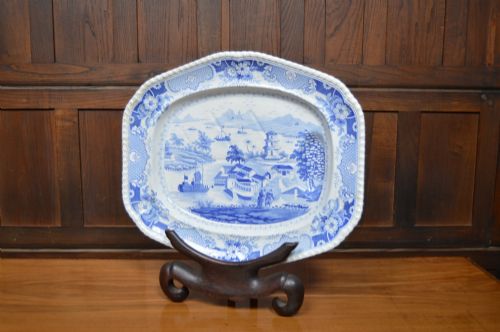
Continental faience, English transferware by makers such as John Rogers and Son, and Asian export wares dominate the physical forms available. Buyers select these items both for their historical service functions and their striking decorative presence on walls and sideboards.
How they were made
Potters shaped these objects from earthenware, creamware, saltglazed body, and porcelain, applying glazes such as tin-glaze or transparent porcelain coats to seal the clay. Cobalt pigment, enamel, and gold leaf frequently decorated the surfaces before high-temperature firing.
Many items display handpainted polychrome scenes, blue and white transfer printing, or intricate hand-cut piercing on creamware and earthenware bodies. The intersection of ceramic body composition and glaze application determined the final tone and durability of each platter.
Listings span earthenware, porcelain, and tin-glazed pottery across English, Dutch, Chinese, and Japanese traditions.
What varies in quality
The distinction between standard domestic wares and exceptional examples rests in the crispness of the handpainting, the complexity of the transfer print, and the fineness of the ceramic body. Early pieces with well-preserved tin-glazes or finely potted porcelain bodies command greater appreciation among collectors.
Subtleties in cobalt pigment application, symmetry of form in lobed or scalloped edges, and the presence of documented factory marks differentiate ordinary production from superior historical output.
John Rogers and Son·Royal Worcester·Ludwigsburg Porcelain·Royal Bonn
The White Ceramic Platter Glossary
- Charger
- A large decorative or serving plate, typically measuring over twelve inches in diameter, used historically for grand dining or wall display.
- Tin-Glazed Earthenware
- Pottery coated with a lead glaze made white and opaque through the addition of tin oxide.
- Transferware
- Earthenware or porcelain decorated by transferring a design from an engraved copper plate onto tissue paper, which was then stamped onto the ceramic body.
- Creamware
- A refined earthenware developed in eighteenth-century England, characterised by its pale yellowish-cream tone and delicate lead glaze.
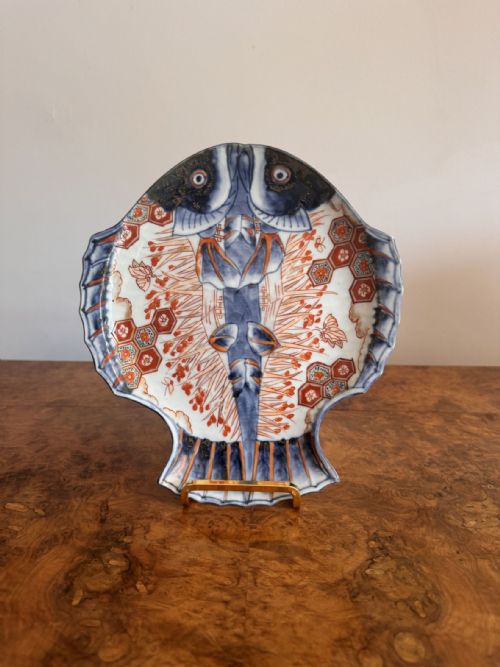
- Imari
- Japanese porcelain decorated in underglaze blue and overglaze iron red, gold, and other colours, highly popular in European export markets.
White Ceramic Platter: Frequently Asked Questions
How were ceramic platters used historically?
Large platters and chargers served as central platters for meat, game, and desserts at formal dining tables, or stood upright on sideboards as decorative statements.
In many households, especially during the seventeenth and eighteenth centuries, large chargers held pride of place on walls or dresser shelves when not in active dining service.
Can antique platters still be used for serving food?
Many sturdy earthenware and transferware platters remain physically robust enough for modern culinary presentation, provided they receive gentle hand washing.
Porcelain and older tin-glazed earthenware often feature delicate glazes or historical hairline stabilisations that make them better suited for decorative display.
How do I distinguish eighteenth-century Delft from later pieces?
Early Delft pieces typically display a porous earthenware body beneath losses in the tin-glaze, alongside soft, unrefined cobalt blues.
Later continental revivals often feature heavier ceramic bodies, brighter chemical pigments, and different glaze consistencies that mark them as twentieth-century interpretations.