




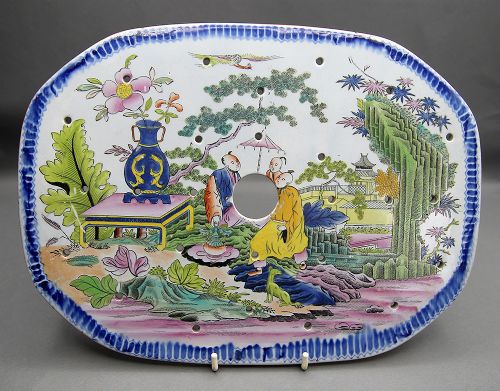

Victorian Chinoiserie Platter
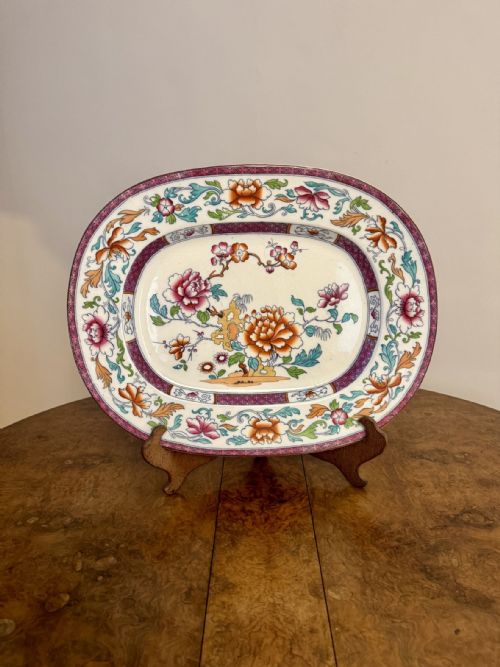
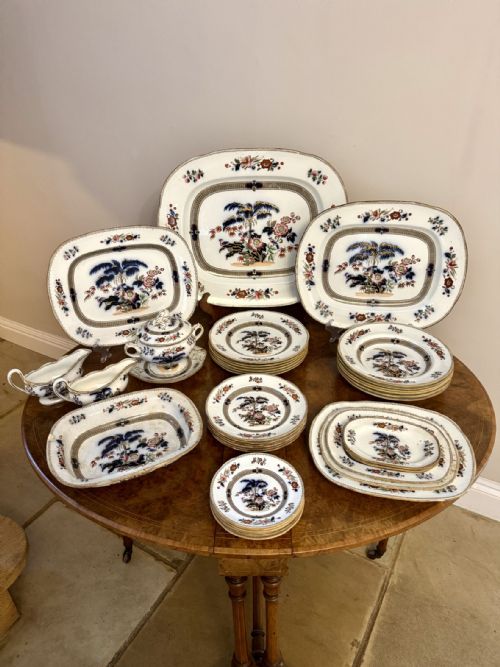
These Victorian chinoiserie platters bring bold oriental scenes and transfer-printed blue and white pottery straight to the dining table.
Victorian Chinoiserie Platter
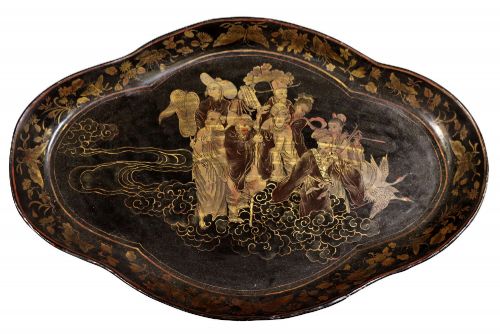
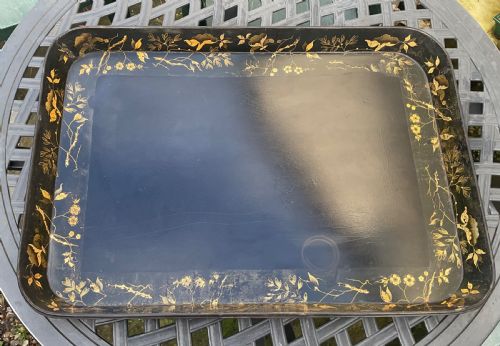
A victorian chinoiserie platter unites nineteenth-century utility with imaginative decorative motifs borrowed from eastern traditions. You will encounter large meat platters, chargers, and serving dishes spanning the Victorian and Regency periods, alongside serving trays in papier-mache and toleware.
The ceramic examples mostly take the form of earthenware, ironstone, and stoneware plates featuring blue and white transfer printing. These pieces range from meat plates with well and tree drainage designs to footed cheese dishes and decorative serving platters dated between 1840 and 1880.
How they were made
Potters shaped ironstone, earthenware, and stoneware into heavy serving dishes before applying detailed blue and white transfer prints. Artisans also worked with papier-mache and metal toleware to construct large serving trays.
Makers embellished specific ceramics with enamel paint and gold leaf highlights to accentuate the oriental motifs. Glaze finishes sealed the surfaces of these plates and chargers for everyday dining use.
Many a nineteenth-century Sunday roast owed its dignity to a heavy ironstone well and tree platter catching the gravy.
What varies in quality
Quality rests upon the crispness of the transfer print and the depth of the glaze across the ceramic surface. Superior pieces maintain sharp detail in complex patterns like Chinese Villa or Mogul.
The weight and durability of ironstone and stoneware separate substantial meat platters from lighter earthenware plates. Well-preserved gold leaf and enamel decoration elevate the visual standard of nineteenth-century serving dishes.
John Ridgway·Copeland and Garrett·Minton·Elkington·Mason·Elkin Knight and Bridgwood
The Victorian Chinoiserie Platter Glossary
- Ironstone
- A dense, durable type of ceramic patented in the nineteenth century. It resists chipping better than standard earthenware.
- Transfer print
- A method where a design is engraved on a copper plate, inked, and transferred to paper then onto the ceramic body. This technique allowed intricate blue and white patterns to be mass-produced.
- Papier-mache
- A composite material made from paper pulp or layers of paper mixed with glue and resin. It was moulded into large serving trays during the Regency and Victorian eras.
- Well and tree
- A system of channels and a central well carved into the surface of a meat platter. It collects juices away from the meat during carving.
- Toleware
- Painted or enamelled metalware produced in tinplate. These trays and dishes offered a dark, durable surface for serving.
Victorian Chinoiserie Platter: Frequently Asked Questions
How were these platters used?
These large ceramic and metal vessels served joint meats, poultry, and cheeses at nineteenth-century dining tables. The indented channels on specific meat platters managed carving juices during the meal.
Beyond dining, lighter papier-mache and toleware trays transported tea and glassware across the household. Their decorative oriental scenes allowed them to double as display chargers on sideboards.
Can I use them for serving food?
Most nineteenth-century ironstone, stoneware, and earthenware platters remain robust enough for modern table service. Their glazed ceramic surfaces handle traditional food presentation without difficulty.
Papier-mache and toleware trays require more caution due to their painted surfaces and metal or paper composition. Hand washing protects the historical glaze and transfer printing from modern detergents.
What is Chinese Tree pattern?
Chinese Tree is a traditional nineteenth-century transfer-printed ceramic design featuring stylized oriental flora and architectural elements. Minton produced notable examples of this motif around 1840.
The pattern reflects the era's fascination with eastern aesthetics, combining naturalistic branches with imaginative pavilion structures.
How do I date a Victorian platter?
Dating relies upon maker marks, ceramic bodies like ironstone, and stylistic clues from the Regency and Victorian periods. Specific pieces carry registry marks or precise dates from the 1840s to the 1880s.
Blue and white transfer printing styles also shift from early Regency neoclassical influences toward denser Victorian orientalism over the course of the century.