
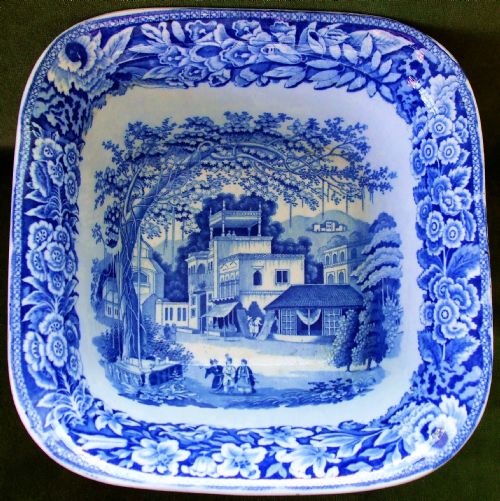
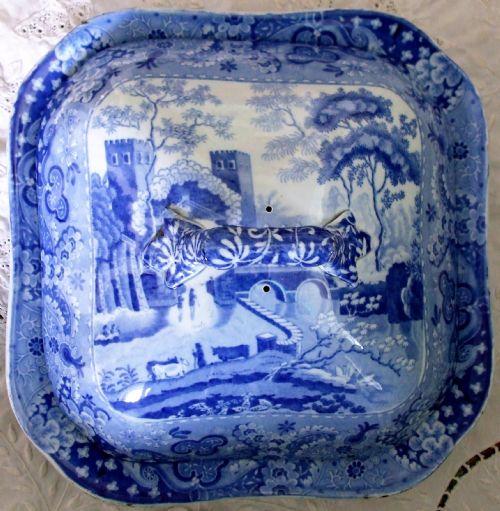
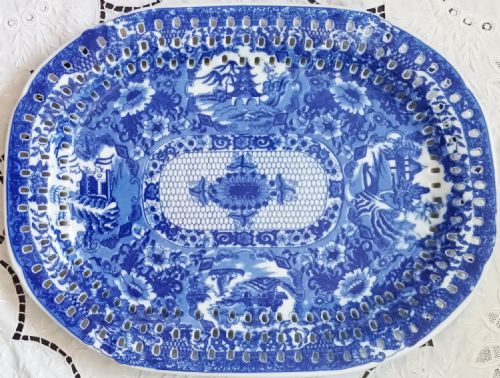
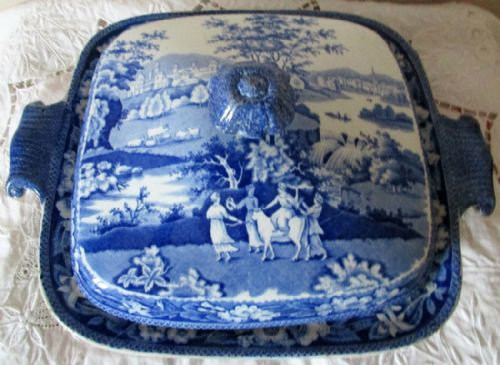


English Earthenware Serving Dish
When you handle an english earthenware serving dish, you hold centuries of domestic history in a glaze of cobalt and clay.
English Earthenware Serving Dish
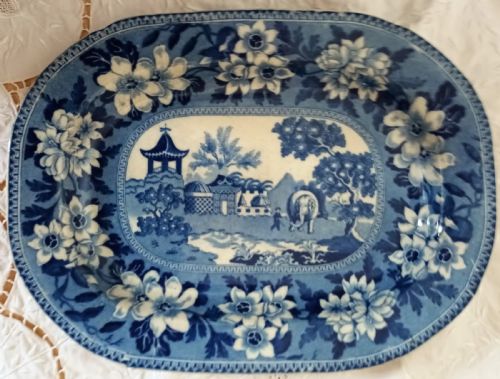
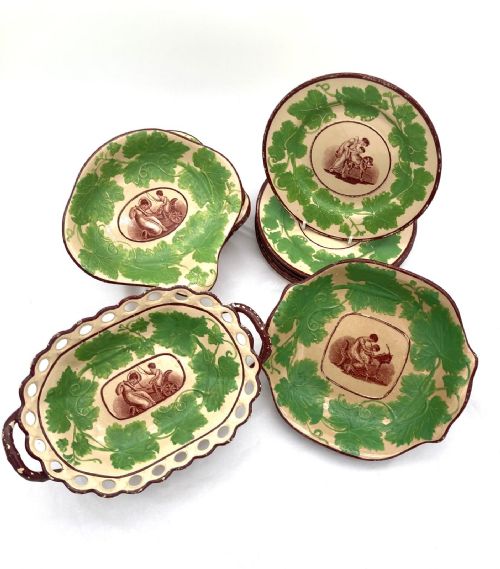
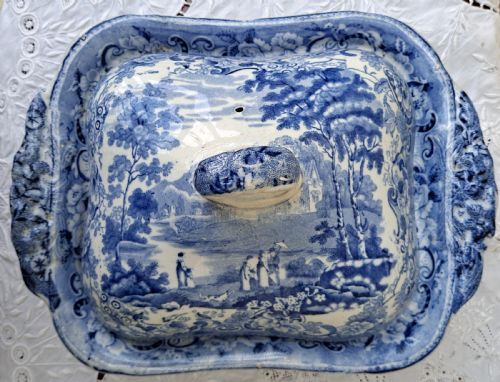
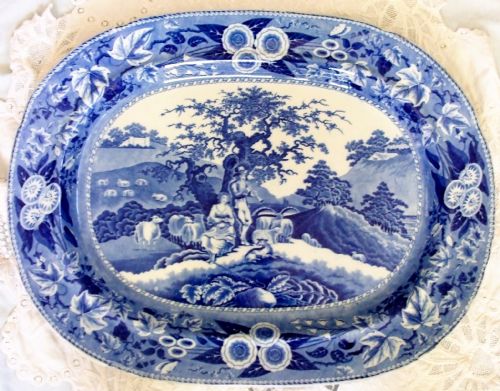
An english earthenware serving dish encompasses large platters, lidded tureens, vegetable dishes, and bread stands designed for table service. These pieces emerge predominantly from the Georgian and Victorian eras, carrying distinct forms like the well and tree platter or the deep vegetable tureen.
Transfer-printed patterns dominate the selections, displaying pictorial scenes such as castles, rural landscapes, and chinoiserie motifs. Makers applied cobalt pigment under the glaze to create the deep blue designs characteristic of these domestic wares.
Buyers encounter earthenware, pearlware, and delftware bodies shaped into varied geometric and footed profiles. These vessels served functional dining roles in past households before becoming sought-after display items for modern collections.
How They Were Made
Potters shaped ceramic earthenware and pearlware bodies on wheels or pressed them into moulds to form large platters and deep tureens. They then applied lead glazes over the porous clay surfaces to seal the vessels for daily use.
Workers transferred intricate landscape and architectural patterns onto the biscuity ceramic using engraved copper plates and tissue paper. Cobalt pigment provided the rich blue colour before the pieces underwent a high-temperature kiln firing.
Listings feature earthenware, pearlware, and ceramic bodies decorated with lead glazes and cobalt pigment across Georgian and Victorian periods.
What Varies in Quality
The clarity and crispness of the cobalt transfer print dictate visual success, with certain plates displaying blurred lines while superior examples maintain sharp architectural details. The complexity of the moulded forms, such as pierced edges or well and tree reservoirs, also separates standard items from ambitious factory productions.
Condition and completeness heavily influence each piece, particularly regarding matching covers, ladles, or stands that often become separated from tureens over time. Potter marks stamped or impressed into the earthenware base provide definitive attribution to specific makers.
John Rogers and Son·James Wallace and Co·J and R Riley·J and R Clews·Spode·Thomas Lakin·Don Pottery·Minton·Mason·Copeland and Garrett
The English Earthenware Serving Dish Glossary
- Earthenware
- A porous type of pottery fired at lower temperatures, requiring a glaze to become impermeable to liquids. It forms the structural base for the majority of these serving vessels.
- Pearlware
- A refined form of earthenware developed in the late eighteenth century featuring a subtle bluish glaze that pooled in recesses to mimic Chinese porcelain. It bridges the gap between creamware and later white ironstone.
- Transfer printing
- A decoration technique where an engraved copper plate applied ink to tissue paper, which was then pressed onto the ceramic body. This method allowed factories to produce uniform pictorial scenes efficiently.
- Tureen
- A deep covered bowl designed for serving soups, vegetables, or sauces at the dining table. Many examples include matching stands and ladles.
- Well and tree platter
- A large meat serving dish featuring channels and a central well to collect carving juices. This specialised form was essential for Victorian Sunday roasts.
English Earthenware Serving Dish: Frequently Asked Questions
What is an english earthenware serving dish used for?
These vessels were built for presenting meats, vegetables, and soups at formal and domestic dining tables. Platters held large roasts while tureens kept gravies and stews warm during meals.
Today, collectors use them to serve food on special occasions or display them on dresser shelves and dining room walls.
How do I date an antique serving dish?
Pottery bodies offer primary clues, as pearlware bodies generally indicate the late eighteenth or early nineteenth centuries while heavier ironstone styles point toward the Victorian era. Maker marks impressed or printed on the base provide specific factory production windows.
Style indicators like early Georgian chinoiserie or Victorian floral transfer prints also help narrow down the decade of manufacture.
Can I use these antique dishes for food?
Many collectors continue to use their earthenware platters and tureens for serving dry foods or cold items during dinner parties. The lead glazes on nineteenth-century pottery require careful handling and hand washing rather than dishwasher use.
Avoid serving acidic foods directly on antique ceramic glazes to protect the historic surface from staining or chemical wear.
What makes blue and white transferware popular?
The deep cobalt blue pigment against a white ceramic background created a striking visual contrast that imitated expensive imported Chinese porcelain. Factories produced vast series featuring romantic ruins, pastoral scenes, and exotic travels that captured the imagination of the period.
This decorative depth turned everyday kitchen utensils into pictorial canvases that remain visually engaging on modern tables.