

White Ceramic Jug
A white ceramic jug brings domestic utility and centuries of diverse craft traditions directly into daily interiors through earthenware, porcelain, and tin-glazed vessels.
White Ceramic Jug
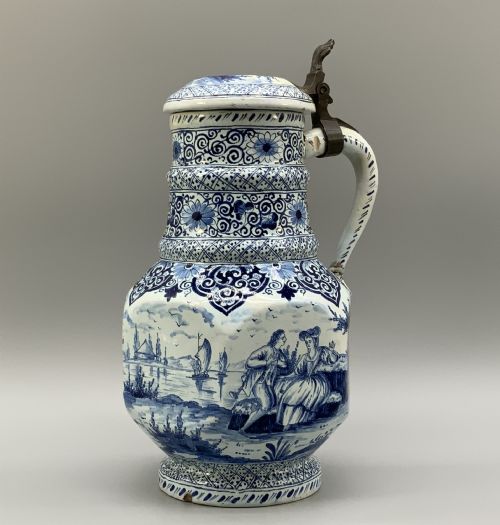
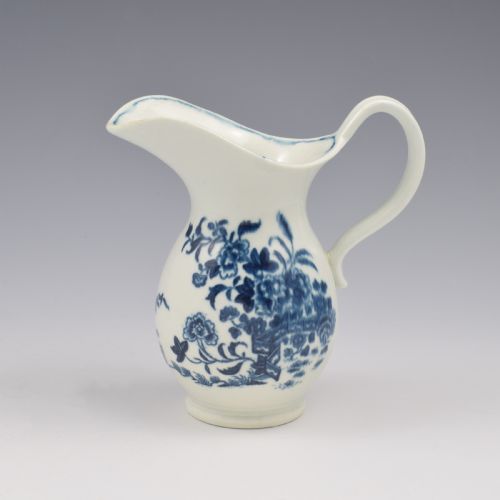
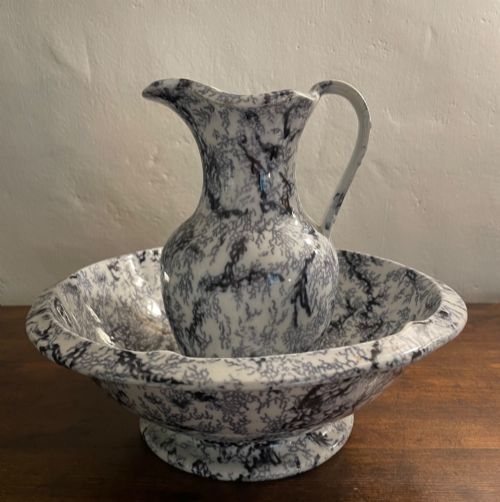
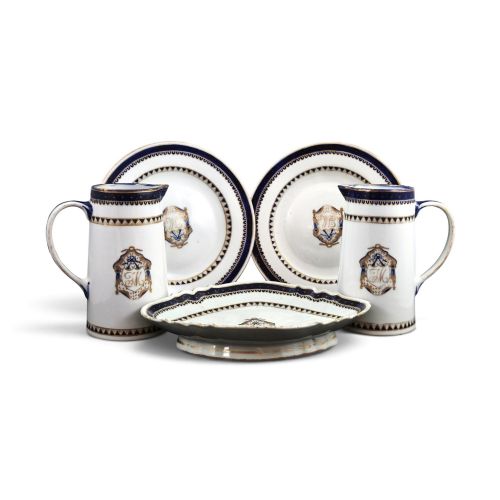
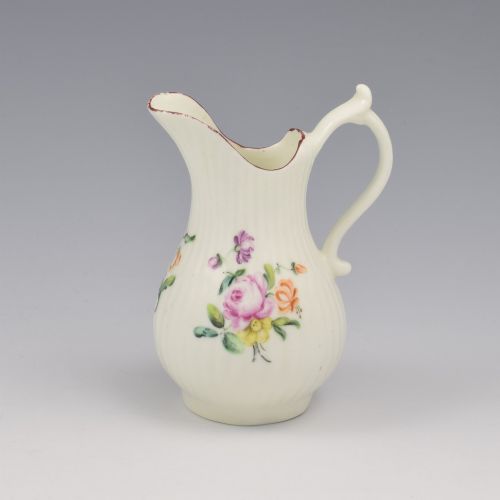
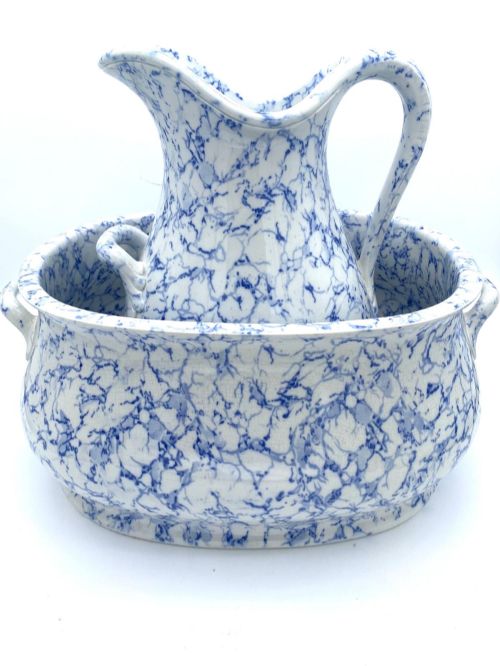
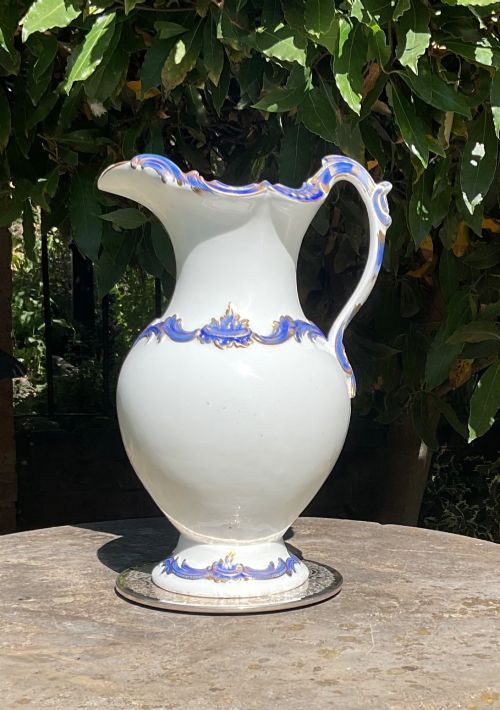
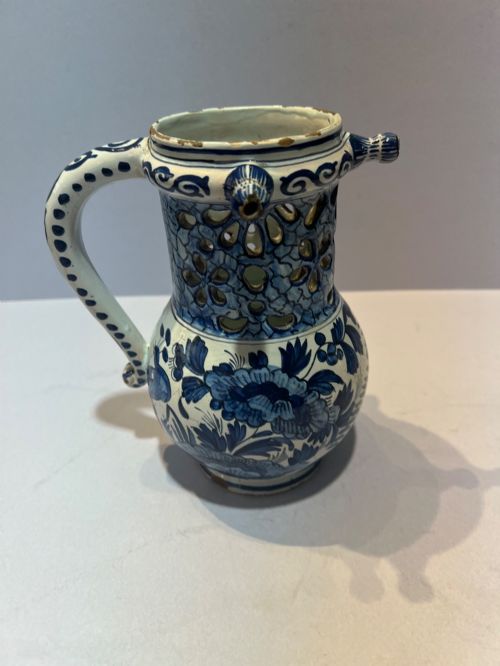
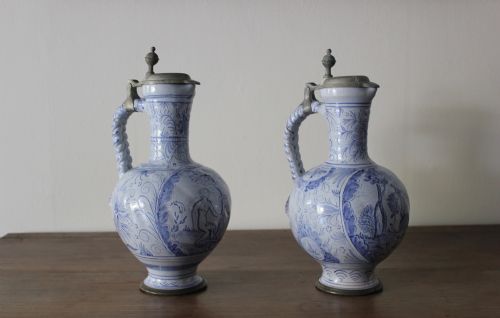
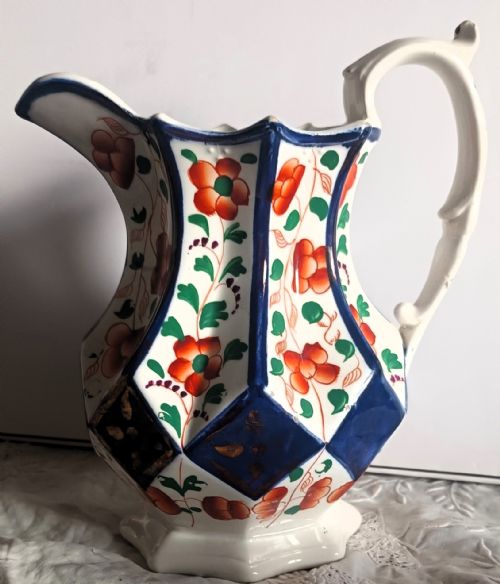
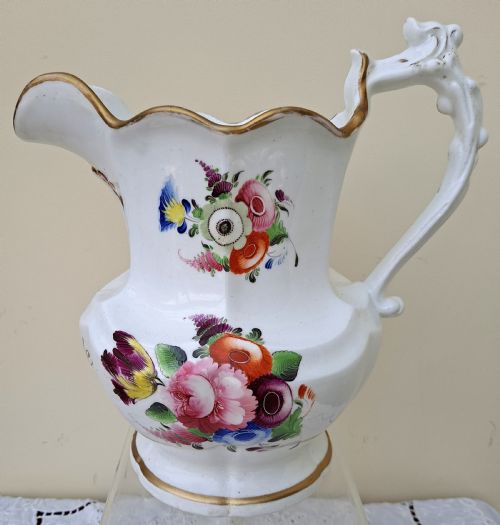
When searching for a white ceramic jug, a buyer encounters domestic vessels spanning from the seventeenth century through the Edwardian period, encompassing everything from utilitarian earthenware wash sets to fine porcelain cream jugs. These pieces include utilitarian items like basins and washstand sets alongside cabinet pieces such as Dutch Delftware, Chinese export porcelain, and Staffordshire pearlware.
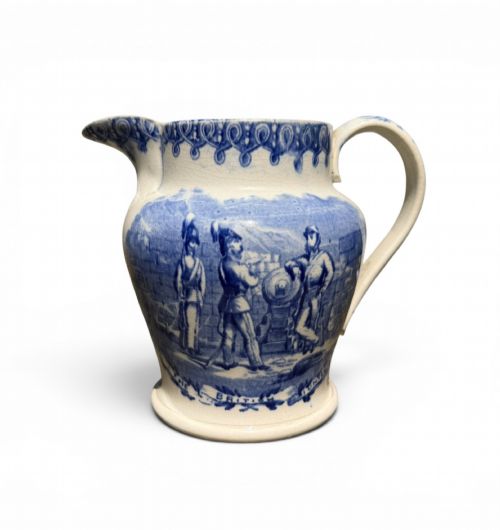
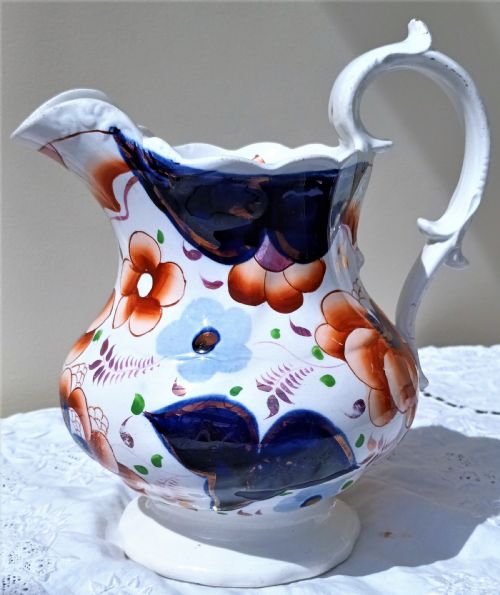
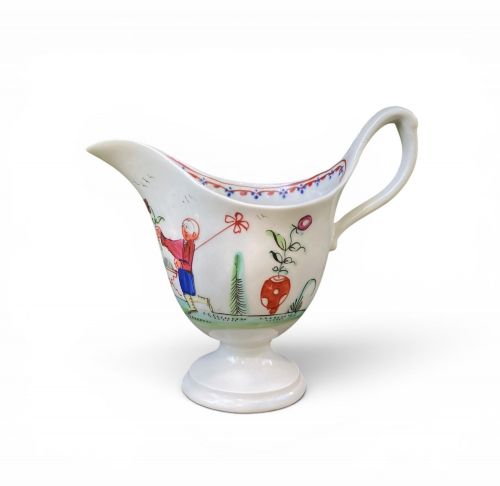
The version most commonly met on this page is the nineteenth-century Staffordshire or Victorian earthenware jug, often decorated with transfer printing, alongside eighteenth-century porcelain cream jugs originating from factories like Worcester and Derby. These selections range from small milk jugs and clip-handled vessels to large water pitchers intended for bedroom wash sets.
Materials and Techniques
Decoration often involved underglaze painting, polychrome pigments, and occasionally gold leaf or gilt highlights applied over the ceramic body. Potters utilised specialised techniques like tin-glazing on earthenware to imitate imported oriental styles or create crisp white backgrounds for hand-painted botanical and architectural scenes.
White Ceramic Jug Retail Price Guide 2026
Typical asking prices for white ceramic jug among the pieces listed under this phrase on Sellingantiques today, from the lower quarter to the upper quarter. They describe what is for sale here now, not the wider market.
Listings feature 18th century Dutch Delftware alongside Victorian ironstone wash sets and Georgian porcelain cream jugs.
Craft and Definition
Quality rests upon the crispness of the moulding, the stability of the handle attachment, and the precision of the hand-painted or transfer-printed decoration. Early porcelain bodies show superior translucency and thinness, whereas robust ironstone and heavy earthenware demonstrate durability suited to daily washing or serving.
Worcester Porcelain·Minton·Derby Porcelain·Doulton Lambeth·New Hall·H & R Daniel·Leeds Pottery·Masons Ironstone
The White Ceramic Jug Glossary
- Pearlware
- A refined earthenware developed in the late eighteenth century featuring a subtle blueish glaze that pooled in recesses to create a whiter appearance than creamware.
- Flow Blue
- A nineteenth-century transfer printing style where cobalt blue intentionally bled into the surrounding white glaze during firing to create a soft, blurred effect.
- Tin-Glazed Earthenware
- Pottery covered with an opaque white glaze containing tin oxide, providing a smooth surface for painted polychrome or blue decoration.
- Ironstone
- A heavy, durable type of vitrified earthenware patented in the nineteenth century designed to resist chipping and heavy domestic use.
- Polychrome
- Decoration utilising multiple distinct colours painted onto the ceramic body or glaze rather than a single monochrome tone.
- Baluster
- An architectural form featuring a rounded lower body tapering to a narrower neck, frequently seen in the profile of eighteenth-century jugs.
White Ceramic Jug: Frequently Asked Questions
How were these jugs used?
These vessels served diverse roles ranging from table service for milk, cream, and water to personal hygiene within bedroom washstand sets.
Larger basins and matching jugs accommodated morning washing routines, while smaller pitchers functioned as tableware or decorative display items.
How do I date a ceramic jug?
Dating relies on identifying the underlying ceramic body, such as creamware, pearlware, or ironstone, alongside stylistic markers of the period.
Factory marks, glaze characteristics, and the specific technology of the transfer printing or painting provide further chronological context.
Can I use these jugs daily?
Most historic ceramic jugs remain structurally stable for gentle modern use, though older earthenware and tin-glazed pieces require careful handling.
Displaying them or limiting usage to decorative purposes helps preserve delicate spouts, applied handles, and historic surface glazes.
What is a Toby jug?
A Toby jug is a pottery vessel modelled in the shape of a seated, stout eighteenth- or nineteenth-century figure typically holding a mug or jug.
These characterful pieces often feature colourful glazes and humorous expressions, functioning historically as drinking vessels or decorative ornaments.