
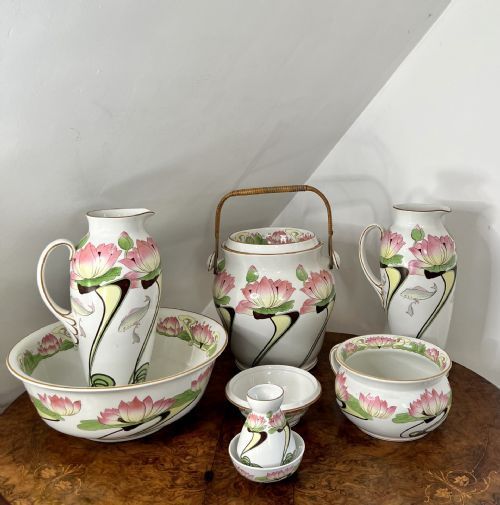


Vintage Ceramic Water Jug
A vintage ceramic water jug brings heavy earthenware and detailed transfer prints to the washstand or table, offering solid utility and distinct period character.

Vintage Ceramic Water Jug
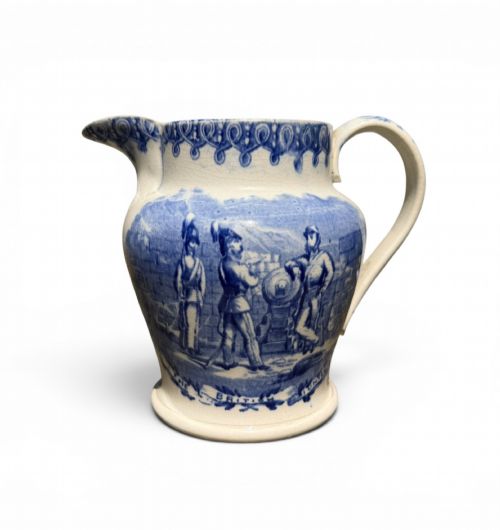
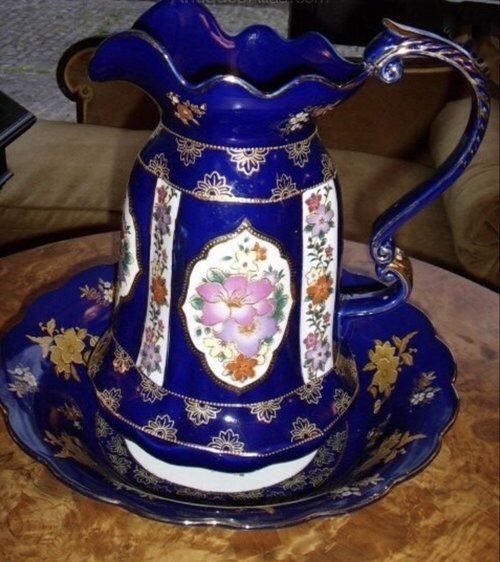
A vintage ceramic water jug serves as a functional vessel for pouring liquids, often forming part of a larger wash set alongside a matching basin. These pitchers appear in diverse regional styles spanning the Georgian, Victorian, and Edwardian periods, carrying the weight of everyday domestic life from past centuries.
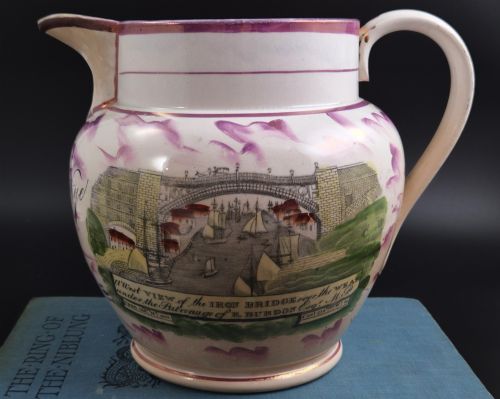
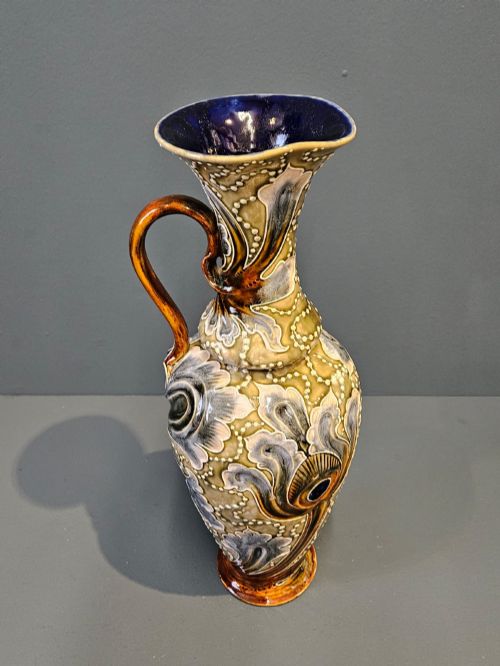
Makers fashioned these vessels in various capacities, from modest table pitchers to large exhibition pieces meant for display. Common formats include relief-moulded stoneware, flow blue earthenware, and transfer-printed porcelain designed to hold water securely.
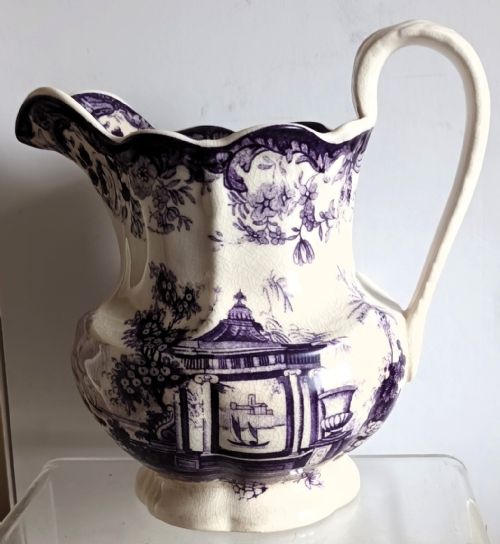
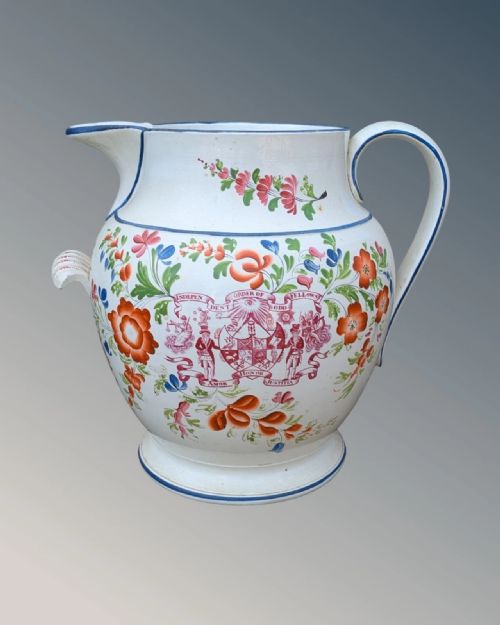
Buyers encounter forms decorated with floral patterns, armorial crests, and classical motifs reflecting prevailing aesthetic movements. The selection covers everything from utilitarian stoneware to refined porcelain ewers produced by prominent nineteenth-century potteries.
Materials and production methods
Potters utilised earthenware, stoneware, and porcelain as the primary bases for these vessels, applying glazes to achieve a sealed, glossy surface. Ironstone and creamware provided durable alternatives for heavier domestic items meant to withstand daily use.
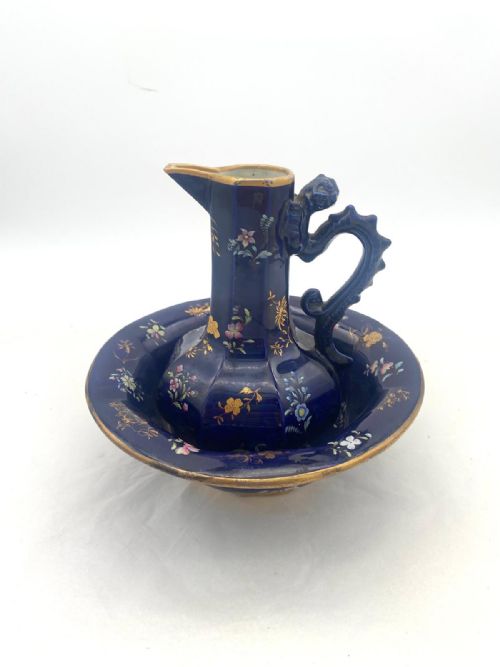
Techniques such as transfer printing and relief moulding allowed workshops to produce intricate surface patterns, including floral motifs and classical scenes. Artisans frequently added hand-painted details or gold leaf highlights over the initial glaze to enhance the finished appearance.
Listings feature vessels spanning the Georgian, Victorian, and Edwardian periods, constructed from earthenware, stoneware, and porcelain.
Assessing craftsmanship and condition
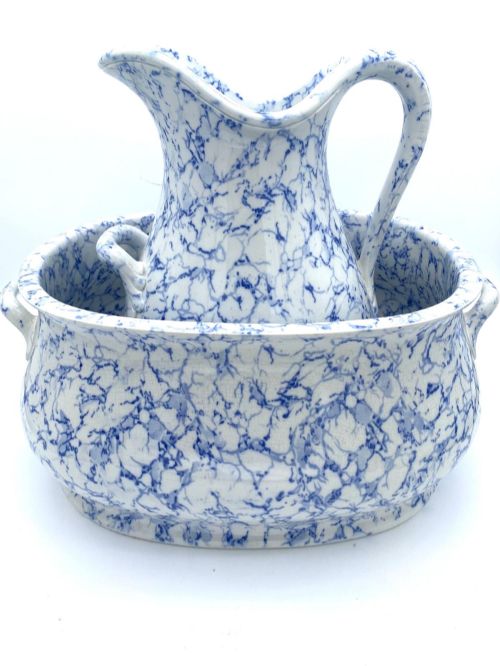
The precision of the moulding and the clarity of the transfer print dictate the visual standard of a pitcher. Crisp relief work and cleanly aligned blue-and-white patterns distinguish superior output from standard commercial wares.
The application of glaze and hand-painted touches reveals the skill involved in the firing process. Intact surfaces without excessive wear indicate careful preservation over generations.
Minton·Masons Ironstone·Doulton Lambeth·Charles Meigh·Chamberlain Worcester
The Vintage Ceramic Water Jug Glossary
- Earthenware
- A porous pottery body fired at lower temperatures, requiring a glaze to hold water effectively. It forms the base for many traditional pitchers.
- Stoneware
- A dense, impermeable ceramic fired at high heat, known for its robust durability and suitability for heavy utility vessels. Salt-glazed examples show a distinctive textured surface.
- Ironstone
- A patented ceramic type developed to imitate porcelain while offering greater strength and resistance to chipping. It provides a sturdy material for large wash jugs.
- Transfer printing
- A method of applying detailed designs to pottery by pressing a paper sheet inked from an engraved copper plate onto the ceramic surface. This technique enabled mass production of complex pastoral and floral scenes.
- Relief moulding
- A process where the vessel body is shaped with raised ornamental designs during formation. It adds tactile depth to the exterior of the jug.
Vintage Ceramic Water Jug: Frequently Asked Questions
How were water jugs used originally?
These vessels stood on bedroom washstands paired with deep basins to hold water for morning ablutions and personal hygiene before indoor plumbing became standard. Larger examples functioned in kitchens and dining rooms for serving liquids during meals.
Over time, many of these pitchers transitioned from daily utilitarian objects into decorative display pieces kept in living spaces or hallways.
How do I clean an antique ceramic jug?
Wash the vessel gently by hand using warm water and a mild detergent, avoiding harsh scrubbers that can scratch the aged glaze or delicate hand-painted enamel details. Dry it thoroughly with a soft cloth to protect the surface.
Refrain from submerging pieces with metal rims or applied gold leaf for extended periods, as moisture can weaken old adhesives or corrode metallic elements.
Can I use these jugs for daily tasks?
While structurally sound, antique ceramics often develop hairline fractures or weakened glaze interiors over centuries of use. It is generally safer to treat them as decorative objects rather than active kitchenware.
Displaying them empty on a shelf or using them exclusively for dried floral arrangements preserves the material integrity without risking accidental damage.
How do I date a ceramic water jug?
Examine the base for maker marks, registration diamonds, or impressed stamps that point to specific manufacturing years and potteries. Stylistic clues like the heavy ornamentation of Victorian pieces or the simpler lines of Georgian items also help narrow down the period.
Consider the weight of the clay body and the type of glaze applied, as technological shifts in nineteenth-century factories altered manufacturing standards over time.