


Cream Earthenware Pitcher
These cream earthenware pitcher options offer durable ceramic design spanning Georgian to Edwardian periods for collectors seeking functional historical utility.
Cream Earthenware Pitcher
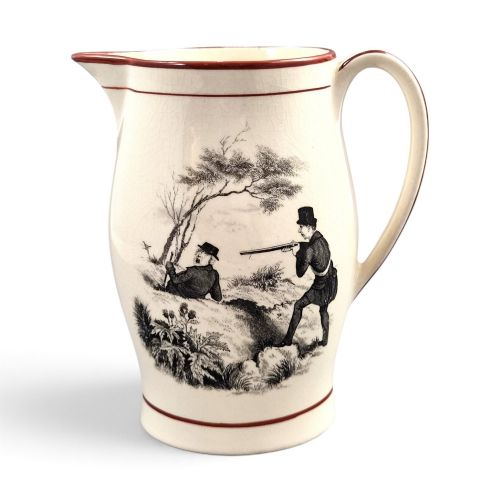
A cream earthenware pitcher represents a practical vessel category encompassing transfer-printed jugs, commemorative pieces, and utilitarian containers from the eighteenth through early twentieth centuries. These objects range from large exhibition stoneware to delicate creamware milk jugs and patterned earthenware pitchers.
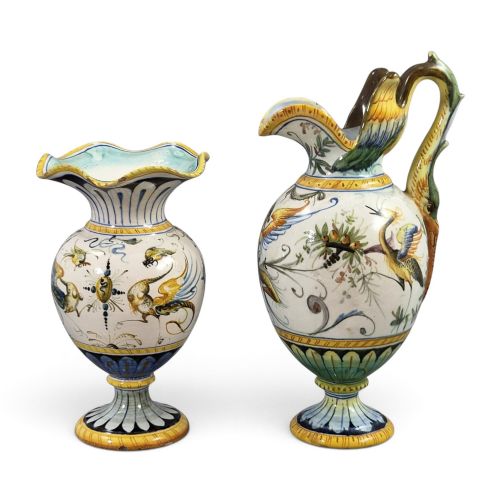
The selections here highlight English and continental production, featuring significant representation from Georgian creamware alongside Victorian Staffordshire earthenware and Edwardian ceramic sets. Buyers frequently encounter moulded pottery, transfer-printed tablewares, and figural examples like cow creamers or character jugs.
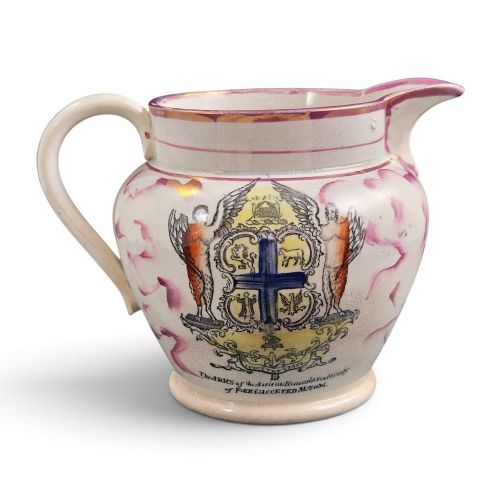
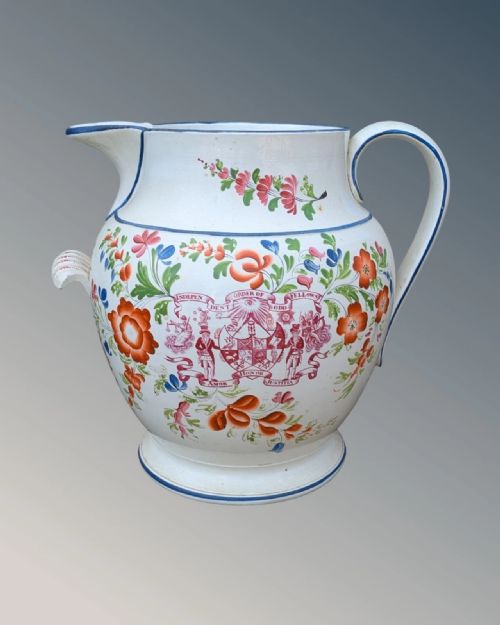
Moulded decorative details and regional earthenware traditions define the core of these listings, connecting utilitarian domestic items with commemorative ceramics. Pieces vary from simple daily jugs to elaborate commemorative Masonic and political earthenware vessels.
Materials and construction methods
Potters shaped these vessels using earthenware and stoneware bodies, applying protective glazes and occasionally salt-glazing for improved durability. Early pieces utilise creamware and pearlware bodies, whilst later examples incorporate terracotta and heavier ceramic pastes.
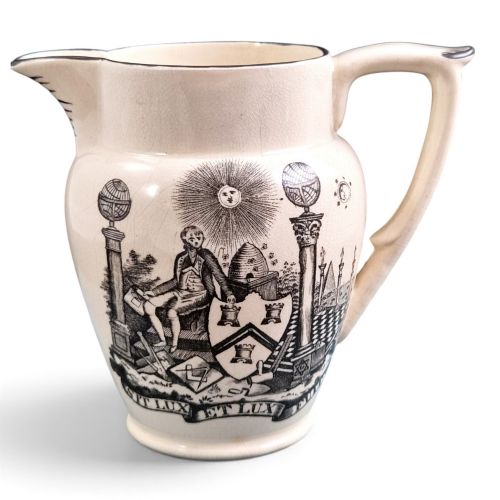
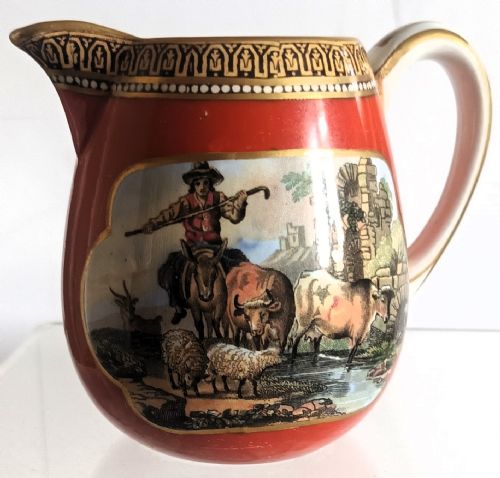
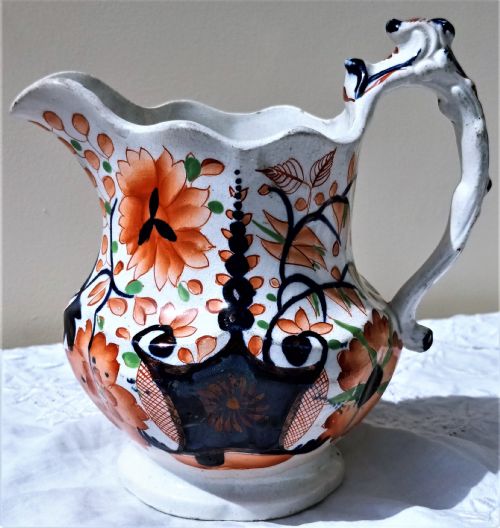
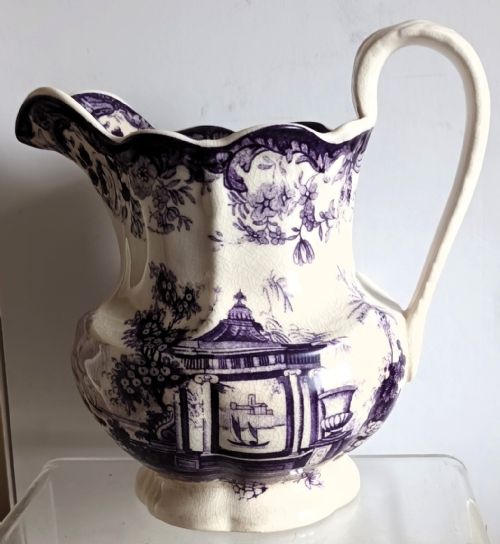
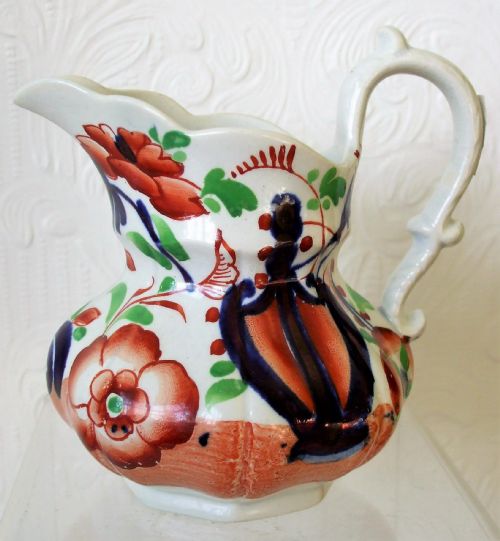
Decoration relied on black, magenta, and polychrome transfer printing, alongside hand-applied enamel colours and gilt highlights. Moulding techniques created relief patterns such as cabbage leaf motifs, hound handles, and figural animal forms.
The listings include earthenware, stoneware, and terracotta forms decorated with enamel, gilt, and transfer printing across multiple centuries.
Assessing quality in historical ceramics
The sophistication of the transfer printing and the crispness of moulded relief details separate superior pieces from standard domestic output. Finer jugs display clean glaze coverage without heavy pooling, alongside precisely executed polychrome enamel work or gilding.
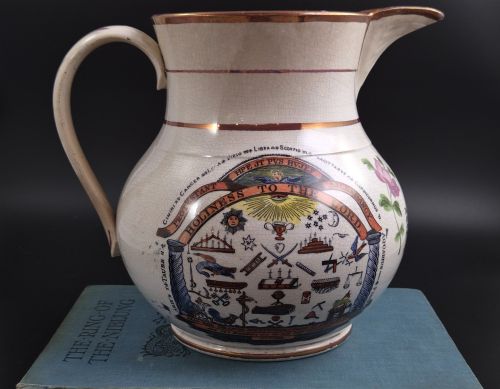
Historical importance and scarcity elevate certain examples, particularly documented commemorative pieces with clear Masonic, political, or military associations. The ambition of the form, from simple domestic milk jugs to monumental exhibition ewers, dictates the underlying craftsmanship.
Cantagalli Florence·Leeds Pottery·Phillips & Bagster·Wedgwood By KEITH MURRAY
The Cream Earthenware Pitcher Glossary
- Creamware
- A refined light-coloured earthenware developed in the eighteenth century with a transparent lead glaze. It became a dominant export ceramic for English potteries before the development of porcelain.
- Pearlware
- An improved earthenware body introduced in the late eighteenth century containing a small amount of cobalt in the glaze to create a bluish-white appearance that imitated Chinese porcelain.
- Transfer printing
- A decoration technique where an engraved copper plate transfers a design onto tissue paper, which is then pressed onto the ceramic body before glazing and firing.
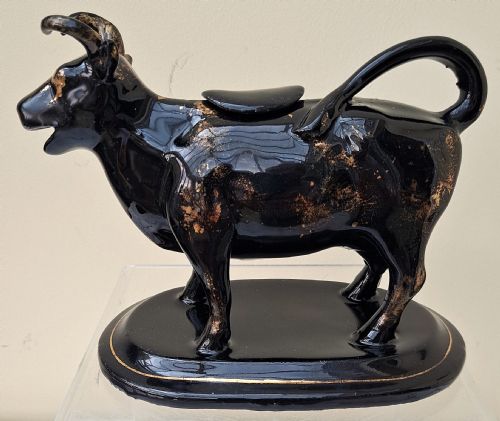
- Cow creamer
- A hollow ceramic vessel in the form of a cow used for serving cream or milk, typically filled through an opening on the back and poured from the animal's mouth.
- Salt glaze
- A hard glaze achieved by throwing common salt into the kiln during high-temperature firing, creating a pitted texture resembling orange peel on stoneware surfaces.
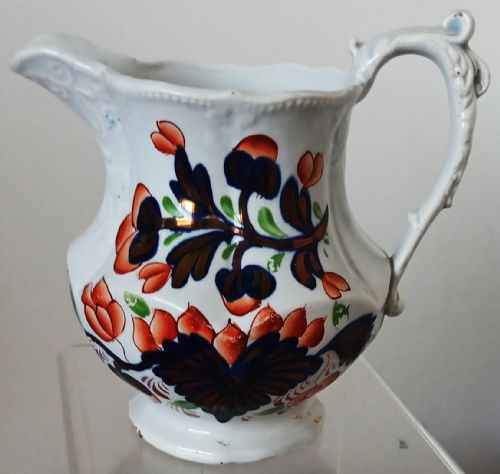
- Gaudy Welsh
- A vibrant, brightly coloured style of pottery featuring hand-painted cobalt blue, copper lustre, and iron-red geometric or floral patterns popular in nineteenth-century Welsh and English homes.
Cream Earthenware Pitcher: Frequently Asked Questions
What periods do these pitchers cover?
The available listings span from the eighteenth century through the Georgian and Victorian eras into the early twentieth century. This timeline captures major developments in British and European ceramic manufacturing.
Collectors can trace stylistic shifts from neoclassical creamware through nineteenth-century transfer-printed earthenware to Edwardian domestic wares.
How were these jugs originally used?
Many functioned as everyday utility items for serving milk, water, or wine at the dining table. Others served specific ceremonial roles for fraternal organisations like the Masons or the Oddfellows.
Commemorative pieces and figural items such as character jugs were often displayed as mantel ornaments rather than utilised for serving food or drink.
Are transfer-printed pieces fragile?
These historical earthenwares require standard careful handling appropriate for antique ceramics. The underglaze or overglaze transfer printing is generally stable when treated with gentle hand washing.
Avoiding harsh detergents and sudden temperature changes preserves both the ceramic body and the delicate enamel or gilt highlights.