


French Ceramic Jug
A french ceramic jug brings tactile warmth to a room, offering practical utility and timeless decorative presence through centuries of European potting tradition.
French Ceramic Jug
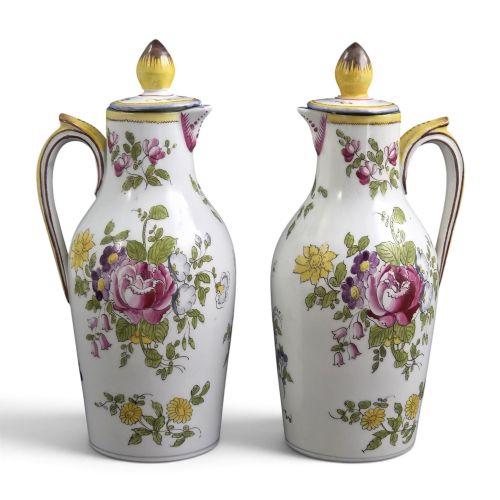
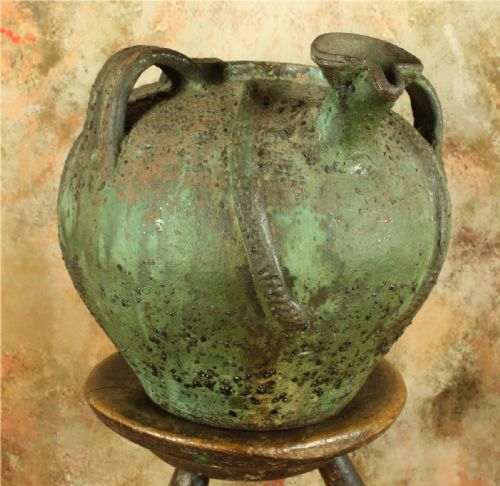
A french ceramic jug encompasses utilitarian oil pots, large water pitchers, delicate cream jugs, and monumental wine ewers originating from various historic periods. When searching for a french ceramic jug, buyers encounter diverse forms ranging from rustic olive vessels with multiple handles to finely painted porcelain miniatures.
The selection on this page spans from the eighteenth century through the twentieth century, reflecting shifts in domestic utility and decorative arts. Forms include tin-glazed polychrome examples, earthenware water pitchers adorned with mythological figures, and hand-painted jug-vases.
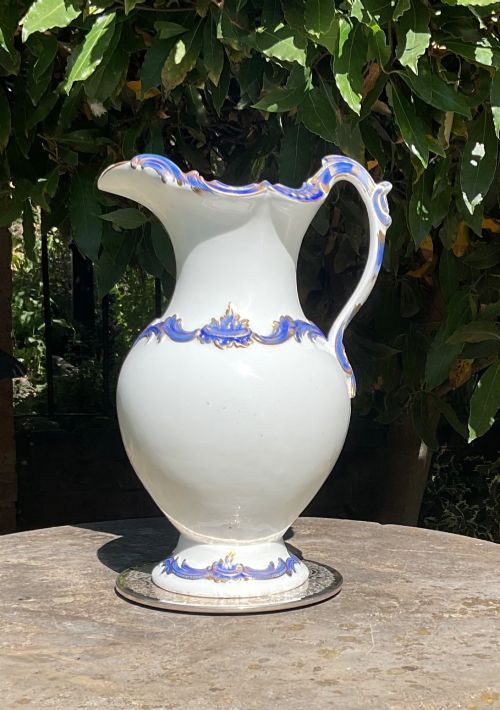
Regional domestic wares sit alongside more formal Victorian Rococo Revival and Renaissance Revival pieces. Buyers find both everyday country vessels designed for walnut oil and grand decorative ewers created for display.
Methods and materials
Potters shaped these vessels using earthenware and porcelain, applying tin glazes, enamel, and hand-painted pigments to the surfaces. Artisans frequently integrated gilding or gilt highlights to accentuate moulded details on finer Victorian and revival pieces.
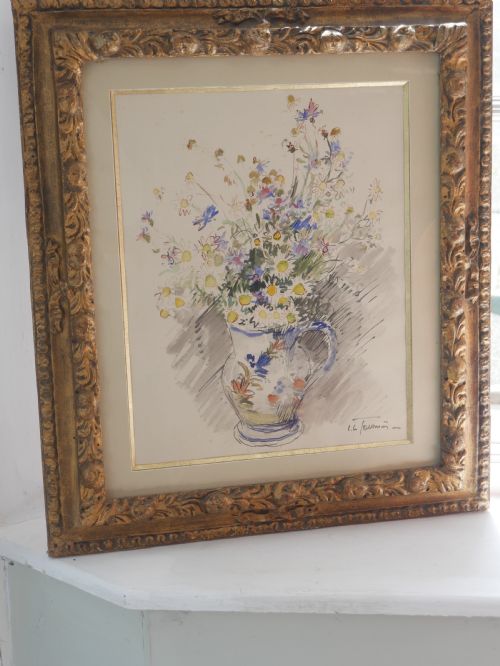
Decoration techniques involved polychrome painting of floral motifs or narrative scenes featuring cherubs and mythological figures. Metal surfaces also appear in the record, with oil paintings on metal capturing similar still-life subjects to the ceramic forms.
Some eighteenth-century olive jugs feature three handles so kitchen staff could heave them around without dropping the oil.
Assessing quality and execution
Quality in a french ceramic jug reveals itself in the crispness of moulded relief work, such as mythological figures and cherubs, and the control shown in hand-painted polychrome decoration. Superior pieces display deliberate brushwork and well-balanced forms, whether monumental wine ewers or small cream jugs.
The sophistication of the glaze and the integration of gilt or enamel work distinguish higher-tier examples from simpler utilitarian vessels. Condition, originality of the surface, and the clarity of painted details ultimately determine the standing of each piece.
Gien Faience·Choisy-le-Roi·Sarreguemines
The French Ceramic Jug Glossary
- Earthenware
- Porous pottery fired at lower temperatures, commonly used for traditional utility jugs and oil pots. It requires a glaze to hold liquids.
- Tin glaze
- An opaque white glaze containing tin oxide, providing a smooth background for polychrome painted decoration. It defines traditional faience pottery.
- Ewer
- A large jug with a flared spout and a decorative handle, historically used for pouring water at table or for washing. Many examples served purely ornamental purposes.
- Polychrome
- Decoration utilising multiple distinct colours, frequently applied by hand in floral or figurative designs across the body of the vessel.
- Gilt
- A thin layer of gold applied to the surface of ceramics or metal to highlight moulded details and provide rich ornamentation.
French Ceramic Jug: Frequently Asked Questions
How were antique French jugs used?
These vessels served various practical functions in historic households, from storing walnut and olive oil to holding water at the dining table or serving cream with tea. Larger monumental ewers were often created primarily for display within formal rooms rather than for heavy domestic labour.
Over time, many functional kitchen and dining vessels transitioned into decorative objects prized for their hand-painted floral motifs and regional character. Today, collectors utilise them as vases or display them on open shelving to introduce historic texture into contemporary interiors.
Are these jugs waterproof?
Many glazed ceramic and porcelain vessels remain entirely suitable for holding fresh flowers and water, particularly tin-glazed earthenware and hard paste porcelain. Unglazed terracotta or porous historic bodies, however, can sometimes seep moisture over extended periods.
To protect antique surfaces, it is wise to inspect the interior glaze for hairline cracks or crazing before filling the vessel. Placing a small glass or plastic liner inside historic jugs prevents water damage to vulnerable historic materials.
How do I date a French jug?
Dating relies on examining the potting technique, the composition of the clay body, and the style of the painted or moulded decoration. Eighteenth-century examples often display heavier utilitarian forms like multiple-handled oil pots, while nineteenth-century pieces frequently embrace revival styles or refined porcelain bodies.
Maker marks, where present on the base, provide definitive clues to the factory and active production years. Comparing the palette of enamels and the nature of the glaze with documented examples further narrows the period of creation.
How should I display my jug?
Displaying a ceramic jug involves balancing its visual weight with adequate physical support, especially for taller ewers or heavier earthenware pots. Placing them on sturdy sideboards, mantels, or within cabinets keeps them safe from accidental knocks in busy walkways.
Grouping vessels of varying heights, such as pairing a small cream jug with a larger water pitcher, creates an engaging tablescape. Natural light can enhance hand-painted polychrome details, though direct, harsh sunlight should be avoided to protect delicate enamel colours.