


Cream Ceramic Ewers
Cream ceramic ewers are sculptural pouring vessels shaped by centuries of ceramic tradition, offering a tactile focal point for a room.
Cream Ceramic Ewers
Cream ceramic ewers take the form of historical pouring vessels, originating from periods ranging from the eighteenth century to the twentieth century. These decorative pieces appear across styles such as Victorian, Georgian, and Renaissance Revival.
Makers fashioned these items into various forms including decorative ewers, pitchered jugs, and cream boat lamps. Collectors encounter works from factories such as Royal Worcester and Doulton Burslem among the selection.
How they were made
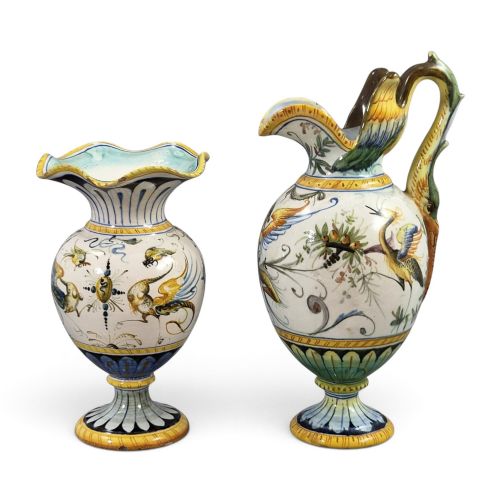
Potters utilised earthenware and porcelain as primary bases, applying tin glaze and coloured enamel finishes to achieve smooth surfaces. Artisans incorporated gold leaf, gilding, and gilt accents to highlight handles and rims.
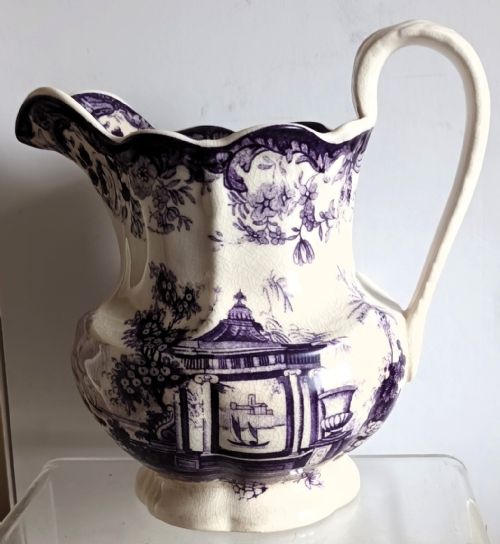
Transfer printing techniques allowed makers to apply detailed patterns onto the ceramic body before firing. Certain pieces feature moulded details such as dolphin handles and cleft bodies requiring skilled manipulation of the wet clay.
What varies in quality
The sophistication of the modelling separates standard production from exceptional examples, particularly in the crispness of moulded handles and botanical motifs. Hand-painted details demonstrate the individual skill of the studio artist.
The application of glaze and the retention of delicate gilding determine the visual presence of the vessel. Early eighteenth-century specimens show distinct throwing techniques compared to later factory-produced bodies.
Cantagalli Florence·Royal Worcester·John Rose Coalport·Doulton Burslem
The Cream Ceramic Ewers Glossary
- Ewer
- A large jug or pitcher with a wide spout and handle, traditionally used for holding water but adapted here for decorative display. These vessels often feature slender necks and bulbous bodies.
- Blush ivory
- A soft, matte cream ceramic ground developed by Royal Worcester, typically decorated with gilt and floral enamel painting. This finish creates a warm, understated background.
- Majolica
- A type of earthenware coated with an opaque tin glaze and painted with metallic oxide colours. It produces vibrant hues and a glossy surface.
- Transfer print
- A decorative technique where an engraved design is pulled on paper and transferred onto the ceramic surface before glazing. This method allowed for intricate, repeatable patterns.
Cream Ceramic Ewers: Frequently Asked Questions
What is a cream ceramic ewer?
A cream ceramic ewer is a decorative pouring vessel modelled after historical water pitchers, typically finished in pale glazes.
These pieces function primarily as ornaments rather than utilitarian tableware, reflecting the aesthetic tastes of their respective periods.
How do I date a ceramic ewer?
Dating relies on factory marks stamped or painted on the underside, alongside the stylistic indicators of the period.
Materials such as tin glaze or porcelain bodies also offer clues to the era of manufacture.
Where were these ewers made?
Production centres include prominent English potteries like Royal Worcester and Coalport, alongside European workshops.
Each region brought distinct regional techniques and decorative styles to the ceramic bodies.
How should I display an ewer?
These sculptural vessels suit placement on mantelpieces, sideboards, or open shelving where their silhouettes remain visible.
Pairing them with neutral backgrounds allows the painted enamel and gilding details to stand out.