




18th Century Creamer
These delicate vessels carry tea tables of the past, offering an 18th century creamer for daily service or display.
18th Century Creamer
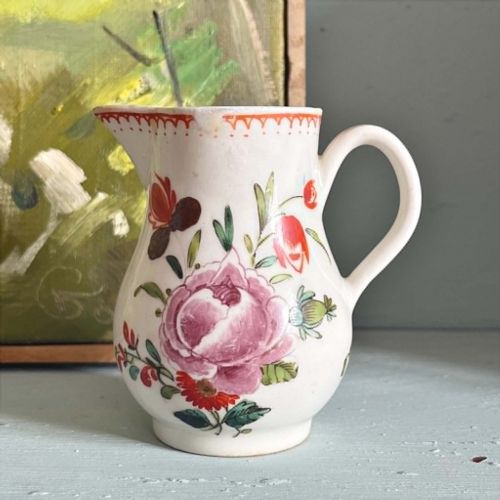
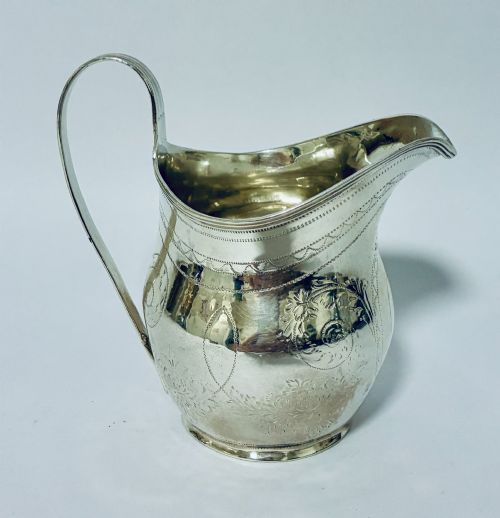
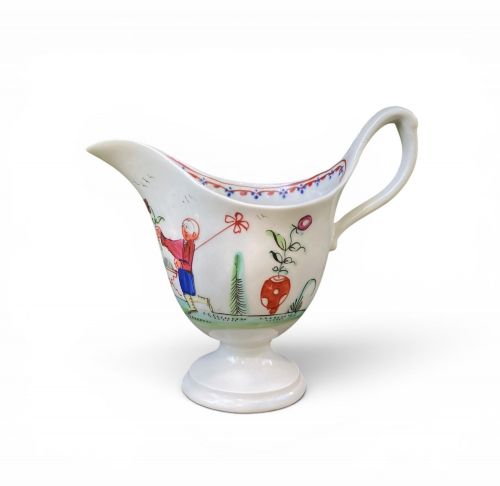
An 18th century creamer serves milk or cream at the tea table, taking forms such as the sparrow beak, helmet, and baluster jug. These pieces emerge from periods spanning the reigns of George I to George III, alongside specific dates from the mid-eighteenth century to around eighteen hundred.
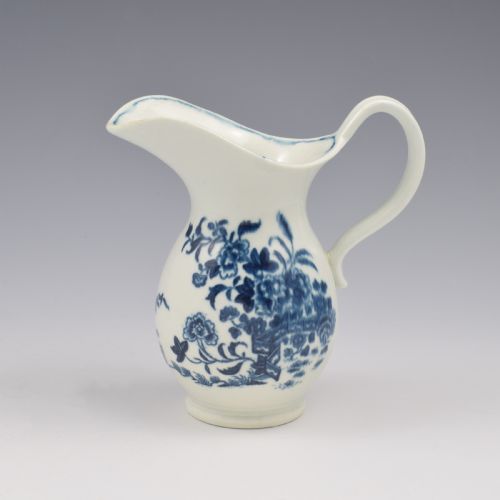
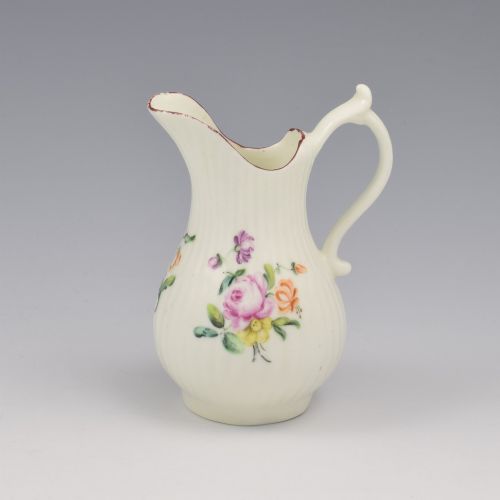
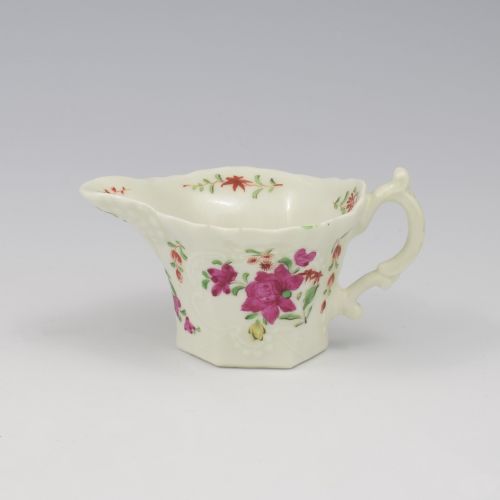
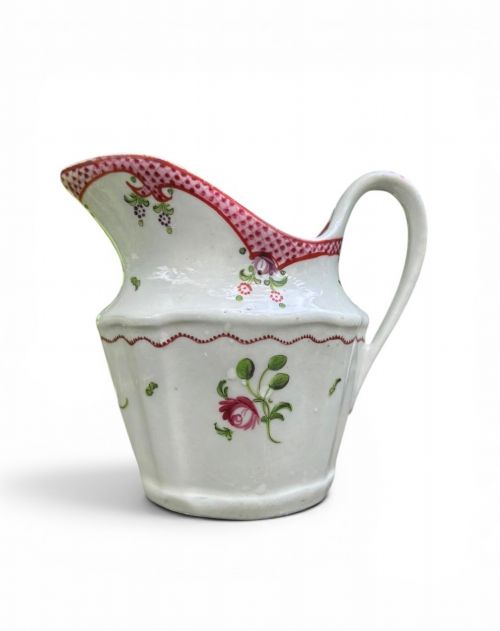
Buyers meet silver examples cast by provincial and London makers alongside soft-paste porcelain bodies from factories like Worcester, Bow, and New Hall. Lead glass and tin-glazed delftware also appear, offering varied textures and weights for the collector.
The range includes specialised shapes like sauce boats, dolphin ewers, and clip-handled milk jugs. Each object reflects the domestic habits of Georgian households, combining utility with distinct ceramic and metalwork designs.
Materials and manufacture
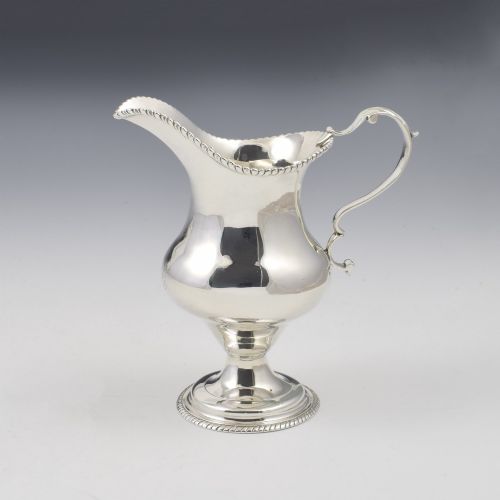
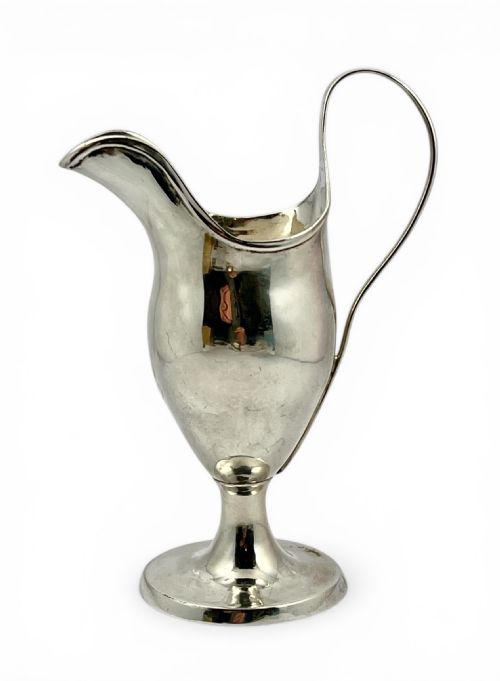
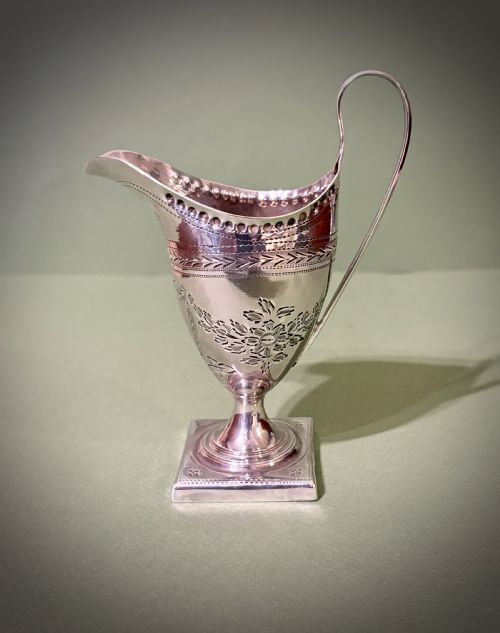
Silver pieces are formed from sterling silver, shaped through hammering, casting, and repoussé work by provincial and London silversmiths. Details such as gadrooning and coin mounts add texture to the metal surfaces.
Ceramic creamers utilise soft-paste porcelain, creamware, and tin-glazed delftware, often decorated with polychrome flowers, blue and white designs, or Chinese export armorial motifs. Factories shaped these bodies in moulds or threw them on wheels before hand-painting and glazing.
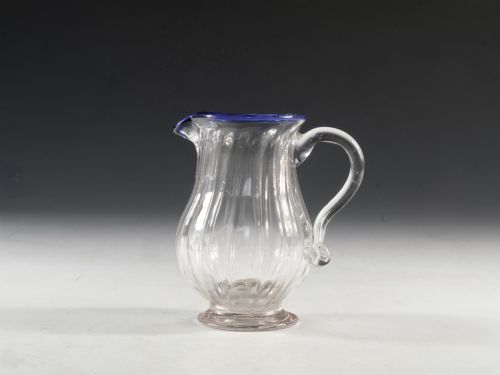
Glass creamers employ lead glass techniques, incorporating blue rims or wrythened patterns formed while the metal is hot. These glass vessels provide a translucent alternative to opaque ceramics and polished silver.
Listings feature eighteenth-century creamers fashioned from sterling silver, soft-paste porcelain, lead glass, and tin-glazed delftware across Georgian styles.
Assessing quality and execution
In silver, standard depends on the weight of the metal, the sharpness of hallmarks, and the balance of handles and feet. Master silversmiths achieved harmonious proportions in helmet and sparrow beak forms that lesser workshops missed.
Stalker & Mitchison·James Gordon·Peter & Ann Bateman·John Rose Coalport
The 18th Century Creamer Glossary
- Sparrow beak
- A small porcelain or silver cream jug featuring a pinched spout resembling a bird's bill. This form is characteristic of early Georgian tea service wares.
- Soft-paste porcelain
- A ceramic composition fired at lower temperatures than hard-paste porcelain, used extensively by eighteenth-century English factories like Bow and Worcester. It possesses a warm, slightly creamy body under the glaze.
- Helmet jug
- A cream jug shaped with a flared rim and footed base resembling a classical helmet. These appeared frequently in silver during the latter half of the eighteenth century.
- Wrythen
- A decorative spiral twist moulded into glass or ceramic bodies. This technique creates a dynamic optical effect across the surface of jugs and bowls.
- Delftware
- Tin-glazed earthenware produced in imitation of Chinese blue and white porcelain. English potteries decorated these porous bodies with opaque white enamel before applying cobalt painting.
18th Century Creamer: Frequently Asked Questions
What is a sparrow beak jug?
A sparrow beak jug is a small container designed for milk or cream, featuring a distinctive pinched lip that resembles a bird's beak. These pieces were standard accompaniments to tea wares in the early and mid-eighteenth century.
They appear in both silver and porcelain, offering a compact form that sits comfortably beside sugar bowls and teapots on the table.
How do I date a porcelain creamer?
Dating porcelain involves examining the body type, glaze characteristics, and underglaze or enamel decoration. Soft-paste bodies from factories like Worcester or Bow display specific translucency and potting traits unique to the seventeen-fifties and sixties.
Shape evolution also helps narrow the period, moving from simple sparrow beak forms to fluted balusters and helmet profiles as the century progressed.
Were these silver jugs used daily?
Silver cream jugs served practical functions in affluent Georgian households, holding cream for tea and coffee service. Their durable metal construction made them suitable for regular handling.
Over time, handling created soft patinas on the sterling silver surfaces, reflecting generations of domestic use before entering collections.
What distinguishes creamware from porcelain?
Creamware is a refined earthenware developed in the eighteenth century, notable for its warm, pale yellow or cream-coloured lead glaze. It offers a robust, utilitarian alternative to the more delicate translucent bodies of soft-paste porcelain.
Factories like Leeds Pottery produced creamware jugs that combined durable bodies with elegant neoclassical forms.