


Georgian Cream Jug
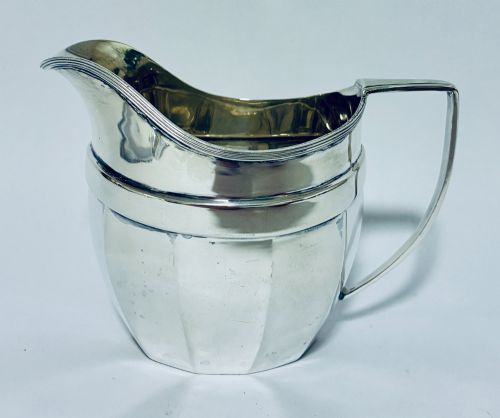
A georgian cream jug brings the character of eighteenth and early nineteenth-century dining to the modern table.
Georgian Cream Jug
A georgian cream jug serves milk or cream at the table and emerges from periods spanning the eighteenth and early nineteenth centuries.
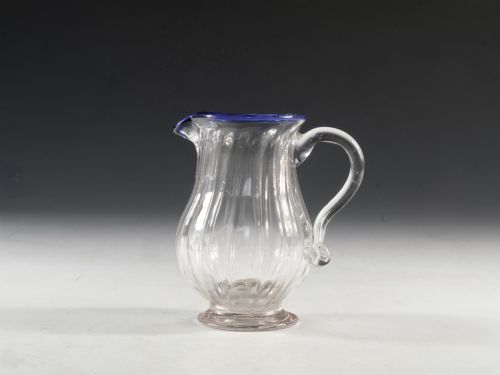
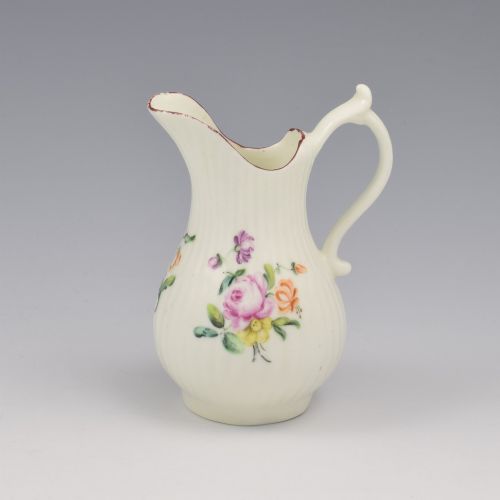
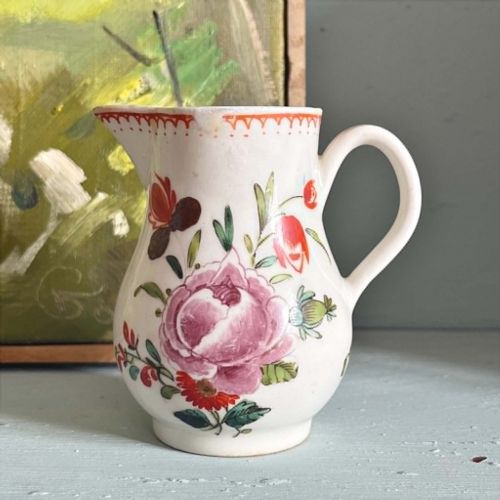
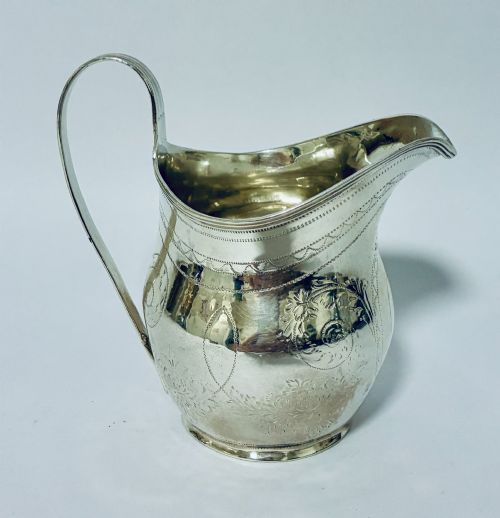
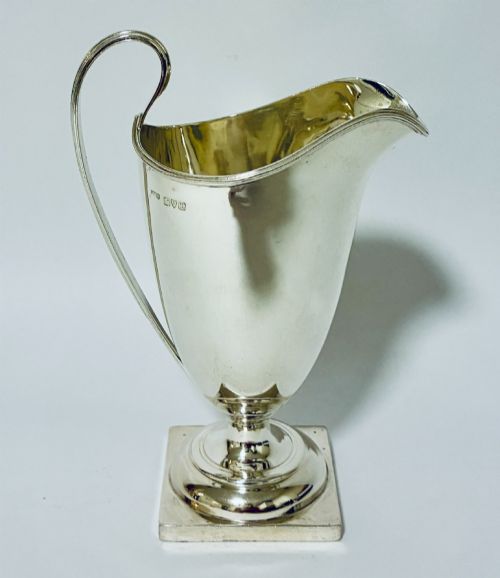
Buyers encounter distinct forms, including sparrow beak jugs, helmet creamers, and helmet-shaped silver vessels alongside ceramic pitchers.
Origins range from English provincial workshops to London silversmiths, alongside domestic porcelain and creamware factories.
Materials and Technique
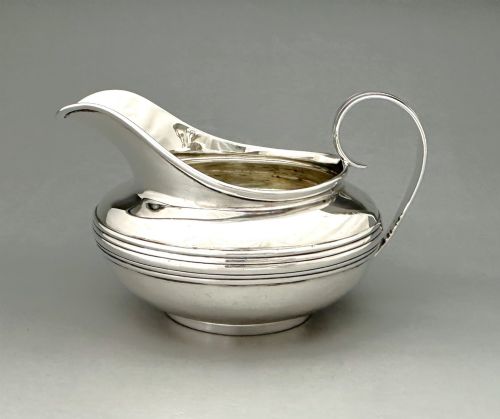
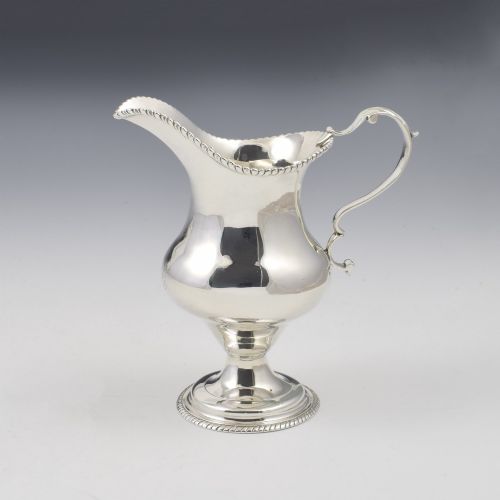
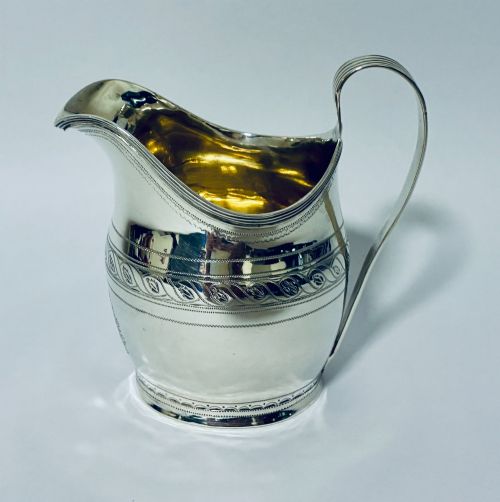
Silversmiths hammered and chased sterling silver into helmets and pedestal jugs, often adding bright-cut engraving or crisp gadroon borders.
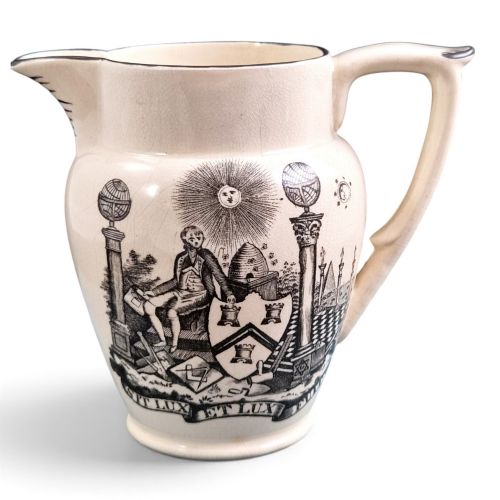
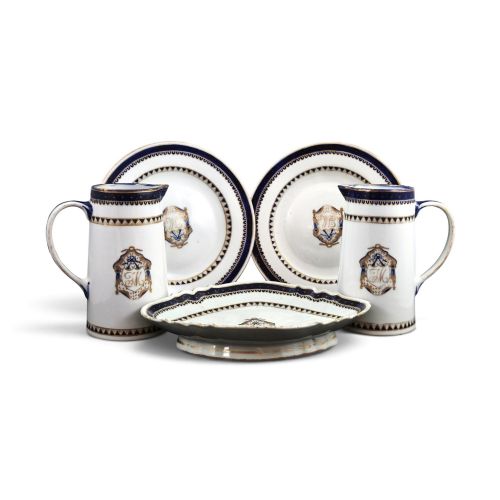
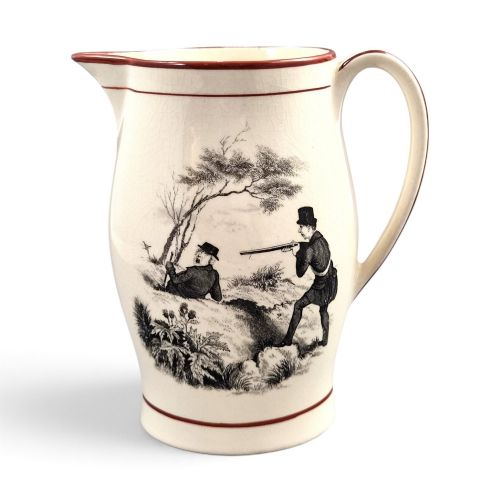
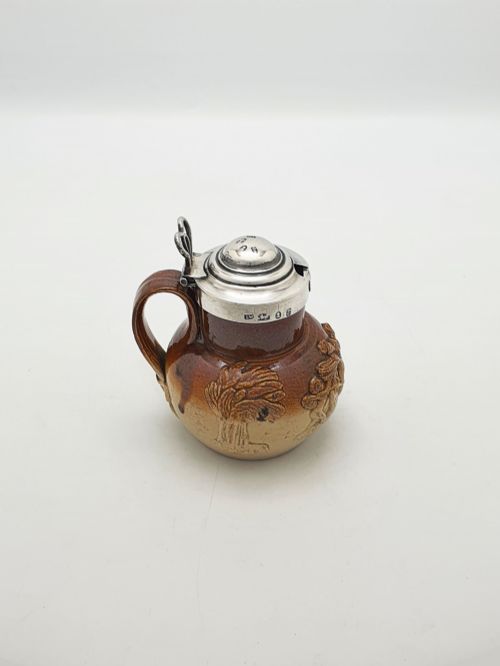
Potters shaped creamware, pearlware, and soft-paste porcelain on wheels or in moulds, decorating surfaces with transfer prints and polychrome enamel.
Glassmakers blew lead metal and tinted vessels in Bristol blue or opaline, sometimes pairing glass bodies with silver collars.
Listings feature sterling silver, creamware, pearlware, and soft-paste porcelain alongside glass variants from the Georgian and Regency periods.
Craftsmanship and Proportion
Quality rests in the balance of the handle, the sharpness of moulded ribs or fluting, and the crispness of silversmith hallmarks.
Ceramic examples show refinement through the delicacy of the porcelain body, clarity of transfer printing, and neatness of hand-painting.
Weight and structural integrity distinguish utilitarian vessels from pieces shaped by master makers with careful attention to proportion.
Stalker & Mitchison·James Gordon·H & R Daniel·John Emes·Peter & Ann Bateman·George Unite·Benjamin Montagu·Thomas Whitehead·Samuel & Edward Davenport·Samuel Meriton II
The Georgian Cream Jug Glossary
- Sparrow beak
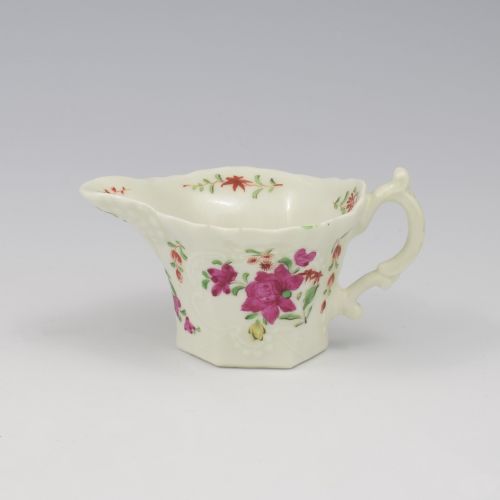
- A small eighteenth-century jug featuring a pinched spout resembling a bird's beak. These early forms are typical of porcelain tablewares from factories like Worcester and Bow.
- Creamware
- A fine earthenware developed in Staffordshire with a pale yellowish glaze. Leeds pottery and regional makers produced domestic wares in this pale ceramic.
- Bright-cut engraving
- A surface decoration cut with faceted angles that reflect light. Silversmiths used this technique on silver milk and cream jugs during the late eighteenth century.
- Pearlware
- An refined earthenware body developed to rival porcelain, featuring a slightly blue-tinted glaze. Staffordshire potteries utilised this material extensively for transfer-printed jugs.
- Soft-paste porcelain
- An artificial ceramic mixture fired at lower temperatures than hard-paste porcelain. Early English factories relied on this compound for translucent tablewares.
Georgian Cream Jug: Frequently Asked Questions
What is a sparrow beak jug?
A sparrow beak jug is a small porcelain or silver pouring vessel featuring a distinctive pinched spout. They date mostly to the eighteenth century and served small quantities of cream.
These pieces display delicate handle formations and often carry underglaze blue painting or polychrome floral decoration from factories such as Worcester and Bow.
How do silver and ceramic creamers differ?
Silver creamers rely on metalwork techniques like hammer shaping, chasing, and bright-cut engraving, often bearing clear silversmith hallmarks. Ceramic versions utilise earthenware, creamware, or porcelain with painted or transfer-printed motifs.
While silver vessels offer structural durability and polished reflectivity, ceramics provide colourful glazes and moulded botanical relief patterns.
Are these jugs meant for daily use?
Most antique creamers function well for serving milk or cream at the breakfast table, provided they receive careful hand washing. Silver pieces require occasional polishing, while historic porcelain and creamware benefit from gentle handling.
Collectors often display these items on sideboards or integrate them into active tableware collections alongside sugar bowls.
How can I tell the period?
Silver examples carry hallmarks that record the year and assay office of manufacture. Ceramic and glass pieces are dated through stylistic markers, paste composition, and glaze characteristics.
Comparing handle shapes, foot rims, and decorative transfer prints helps narrow down whether a piece belongs to the eighteenth century or the Regency era.