

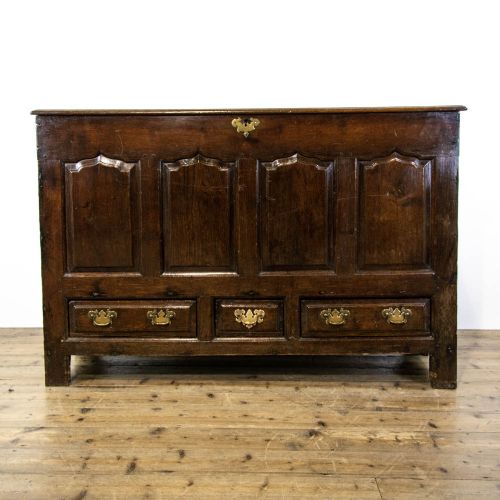
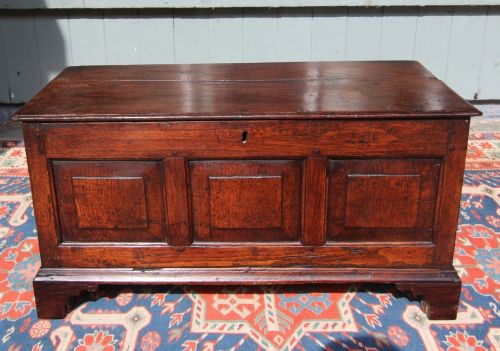
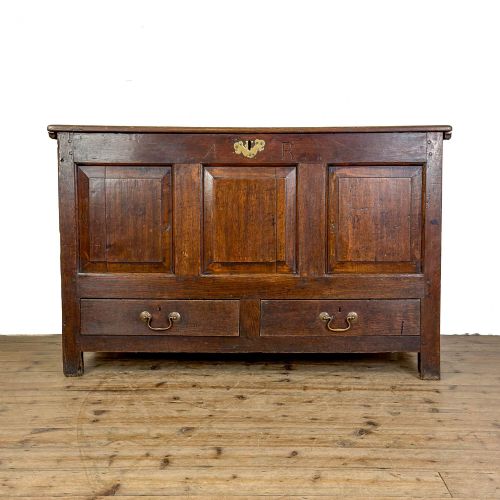
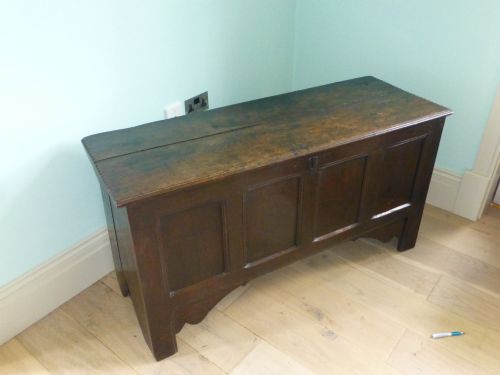

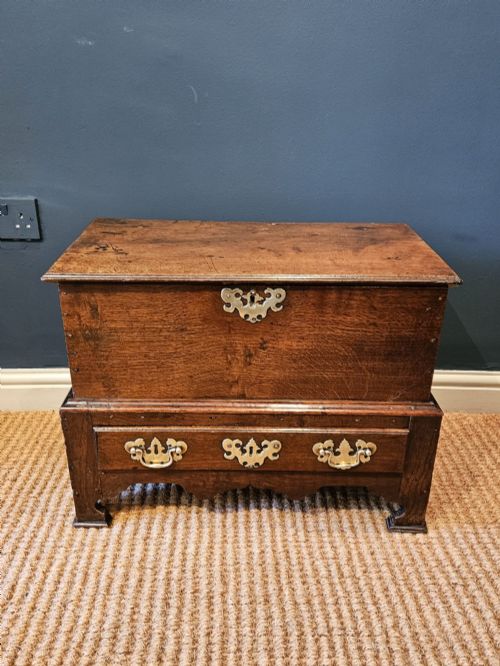


Welsh Oak Blanket Box
A welsh oak blanket box brings centuries of country craftsmanship and rich timber into a room, serving as both storage and seating.
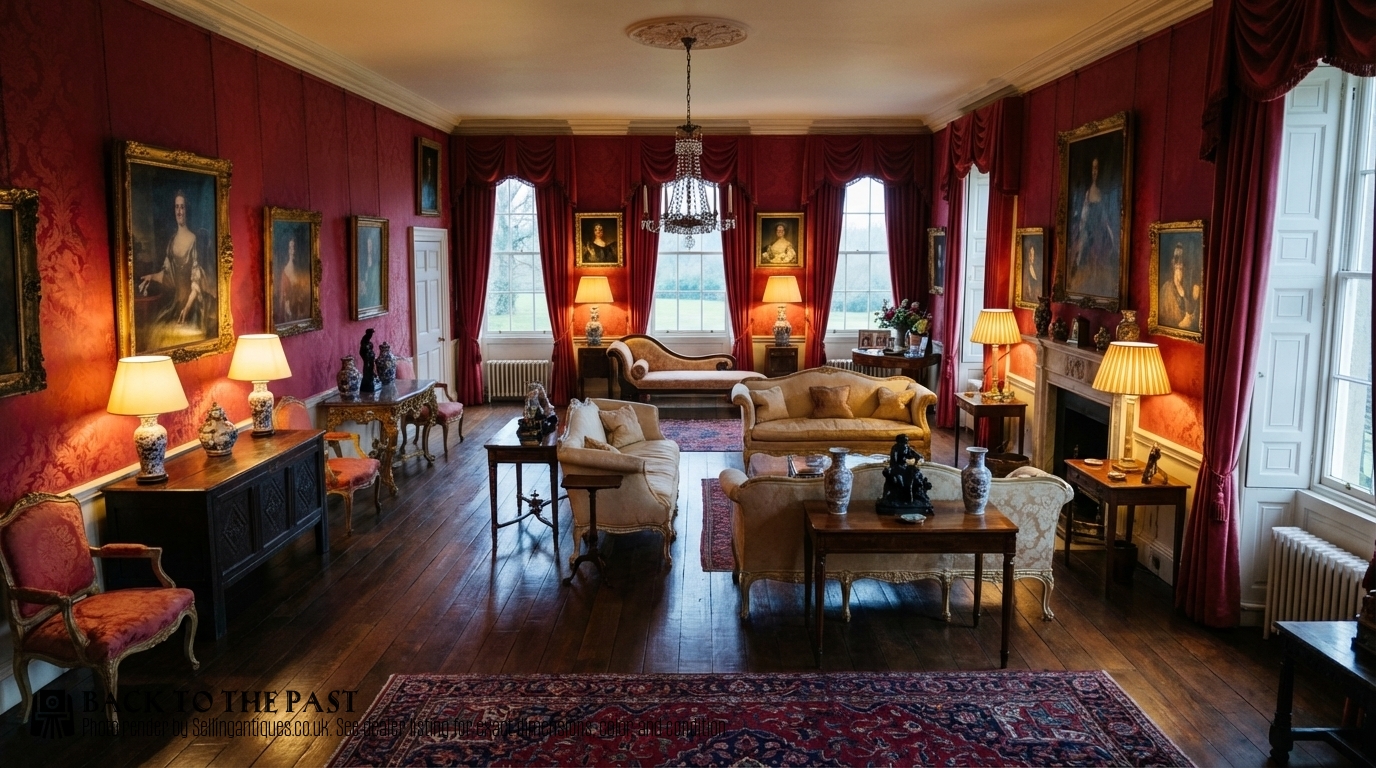
Welsh Oak Blanket Box
The selections on this page span vernacular domestic boxes intended for household textiles, grain arks, and smaller miniature chests produced for personal valuables. Regional varieties from Carmarthenshire, Snowdonia, and the Gower Peninsula frequently appear alongside general country pieces.
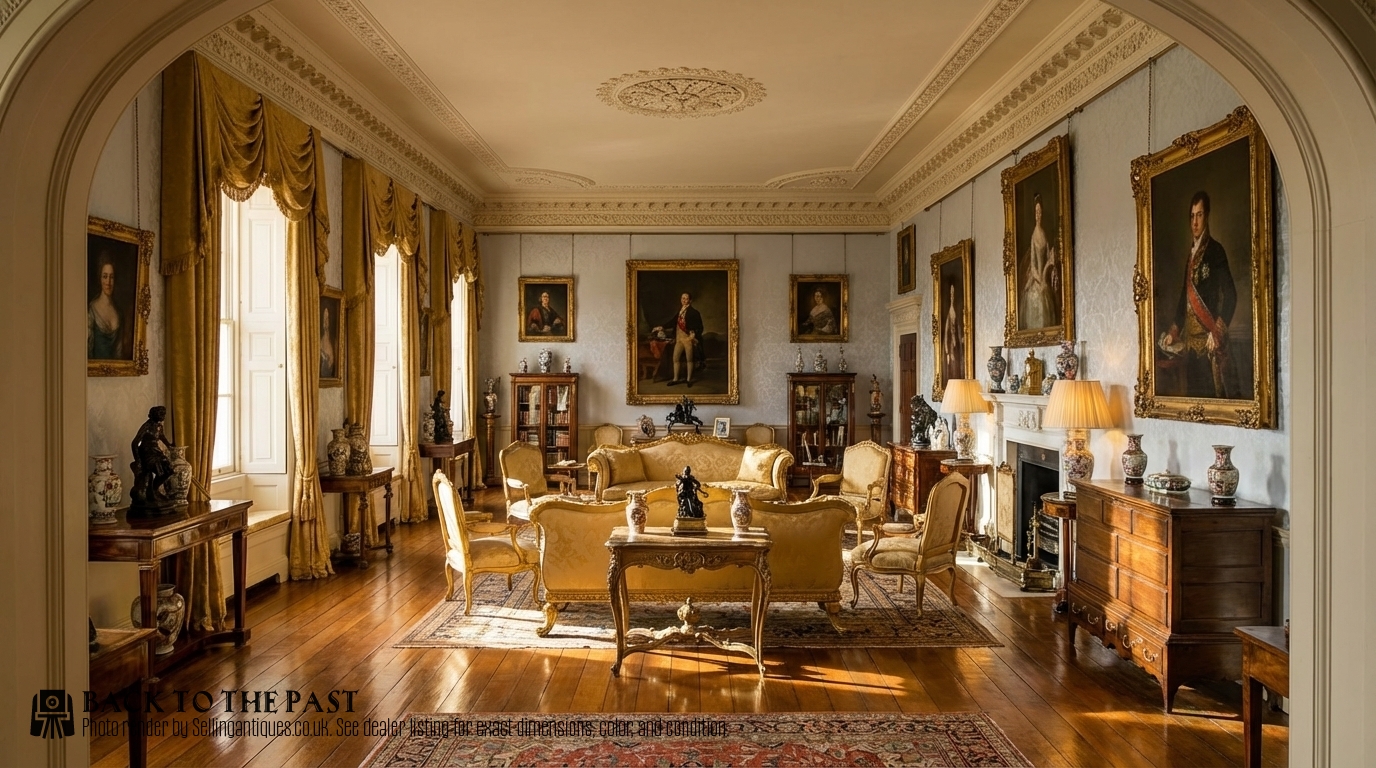
How they were made
Constructed primarily from native oak, these pieces frequently incorporate secondary woods like fruitwood for decorative inlay and timber contrast. Structural hardware relies upon wrought iron and brass hinges, locks, and brackets.
Joinery methods range from basic six-plank boards pegged together to advanced frame and panel construction adorned with original carved details and fruitwood or timber inlay.
Welsh Oak Blanket Box Retail Price Guide 2026
Typical asking prices for welsh oak blanket box among the pieces listed under this phrase on Sellingantiques today, from the lower quarter to the upper quarter. They describe what is for sale here now, not the wider market.
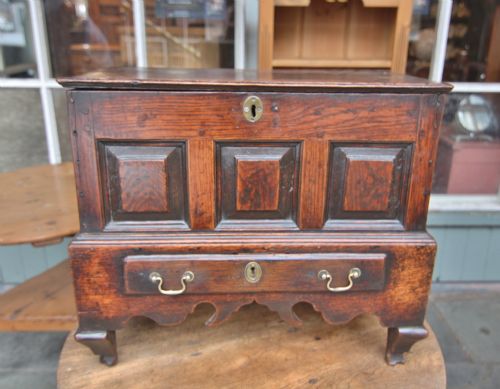
Some miniature coffers were lovingly scaled down by country makers, perhaps serving as apprentice pieces or cherished gifts for family weddings.
What varies in quality
The distinction between standard domestic utility boxes and superior examples rests upon the crispness of original hand-carving and the sophistication of regional joinery. Untouched surface patination and the survival of original turned feet or brass mounts elevate an example significantly.
Proportion and scale dictate the desirability of smaller formats, where miniaturisation requires precise carpentry. The presence of documented regional provenance or intact early hardware separates ordinary workshop output from notable vernacular masterworks.
The Welsh Oak Blanket Box Glossary
- Coffer bach
- A small Welsh chest or miniature coffer traditionally used for linen or valuables. These diminutive boxes often sit on small turned feet and date from the late seventeenth through the eighteenth century.
- Mule chest
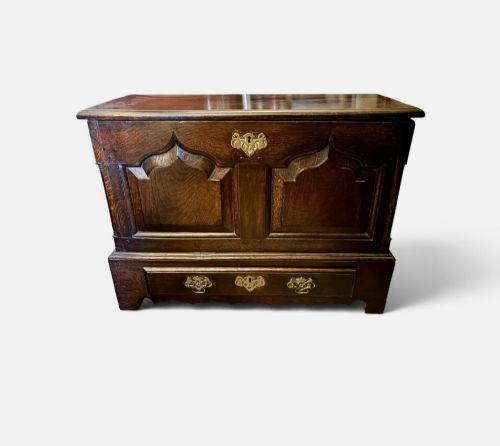
- A storage chest featuring one or more lower drawers beneath the main lift-top compartment. This form bridges the traditional coffer and the modern chest of drawers.
- Six-plank chest
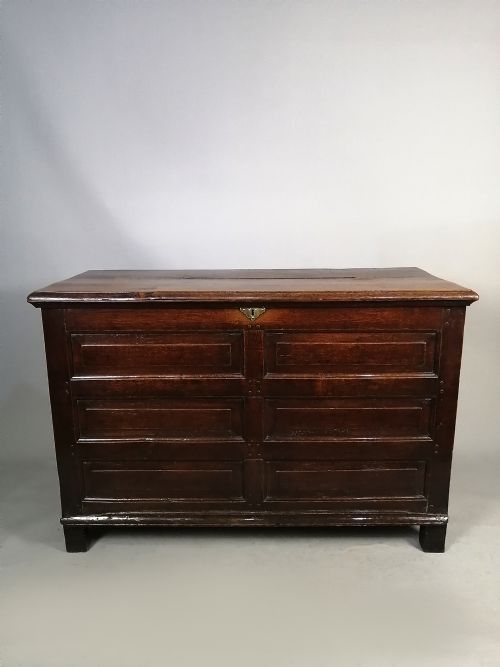
- An early form of box constructed from six distinct timber boards joined at the edges with pegs or simple joints. It represents the earliest and most direct method of making wooden storage containers.
- Grain ark
- A specialised heavy storage container designed for holding agricultural produce or grain within rural dwellings. These sturdy timber pieces reflect utilitarian vernacular architecture.
- Vernacular furniture
- Domestic items built by local cabinet makers and country joiners using regional traditions rather than metropolitan academic designs. These pieces utilise locally available timbers such as oak and fruitwood.
Welsh Oak Blanket Box: Frequently Asked Questions
How were these boxes used?
They served primarily for storing household blankets, textiles, clothing, and domestic valuables in rural Welsh homes before fitted closets became common.
Their sturdy construction also allowed them to function as casual seating benches or tables within the main living quarters.
How do I identify sixteenth-century pieces?
Sixteenth-century examples often employ simple six-plank construction or heavy Elizabethan carved oak panels joined with wooden pegs.
These early items display utilitarian framing methods distinct from the lighter, more decorative Georgian styles that followed.
What is a mule chest?
A mule chest is a regional storage box that combines a traditional lift-top upper compartment with one or more drawers built into the base.
This hybrid form emerged to provide easier access to stored clothing without requiring items to be lifted out from the top.