
Vintage Walking Cane
A vintage walking cane combines practical support with distinct craftsmanship, offering tangible links to Victorian and Edwardian personal style.
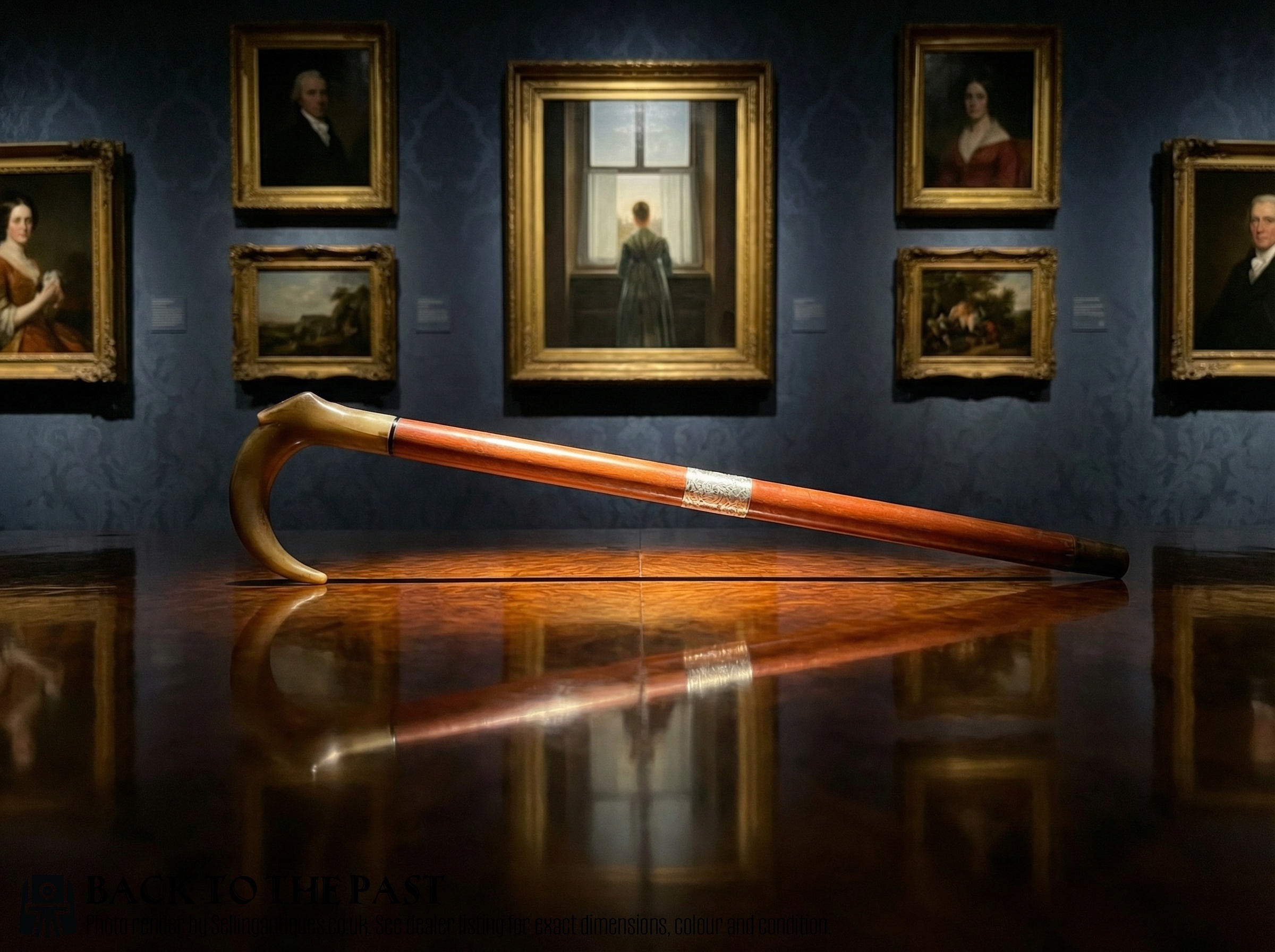
Vintage Walking Cane
When searching for a vintage walking cane, a buyer examines functional mobility aids and gentleman's accessories from the nineteenth and early twentieth centuries. These pieces encompass everything from everyday wooden supports to elaborate novelty handles and concealed sword sticks.
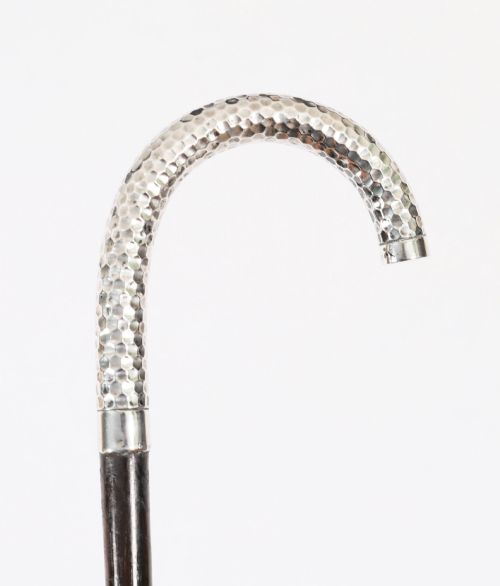
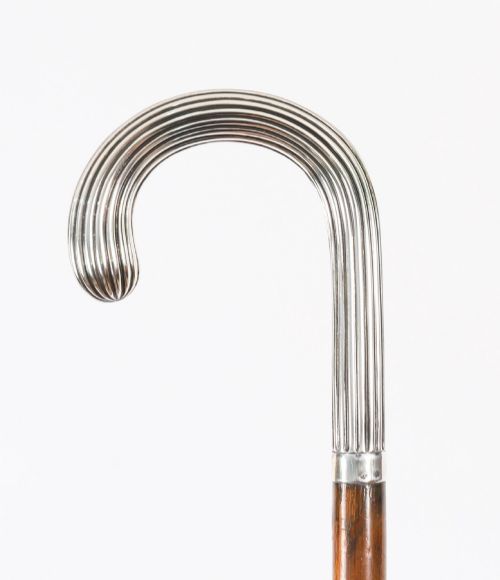
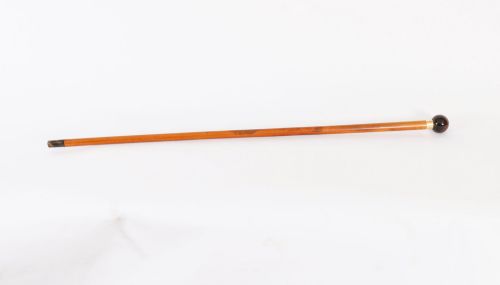
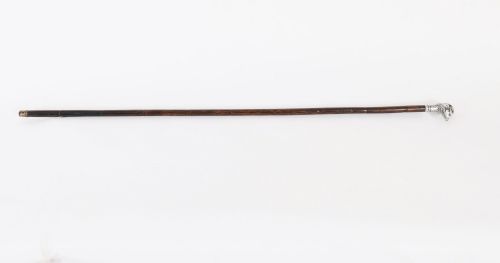
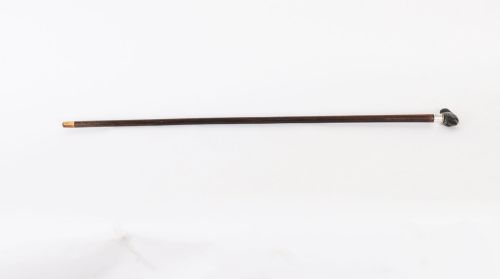
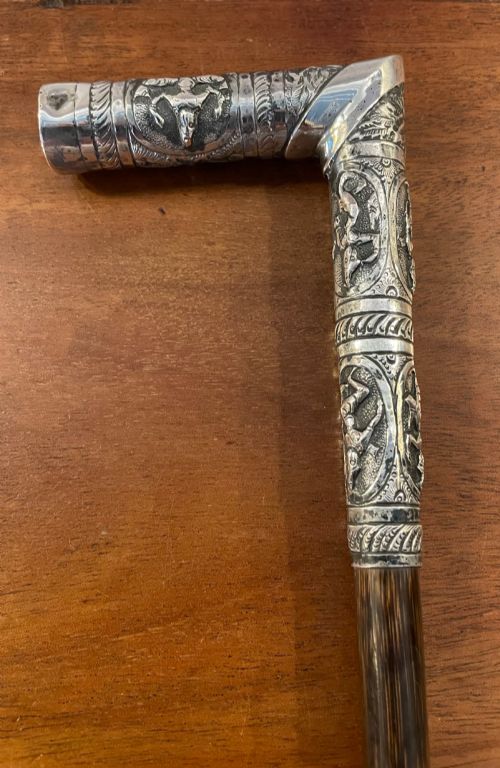
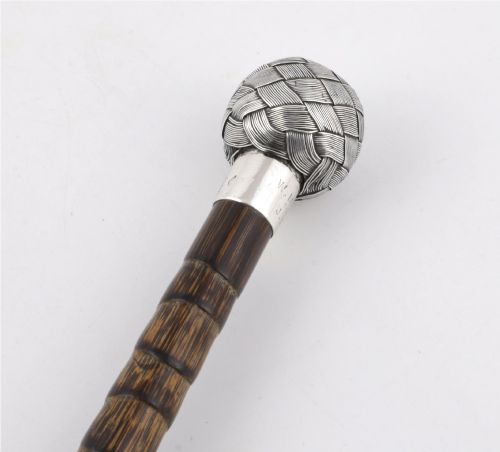
Materials range from bamboo, hazel, oak, and partridge wood to brass, silver, and gold mounted pommels. Many feature detailed handles shaped as duck heads, horses, greyhounds, and parrots.
How they were made
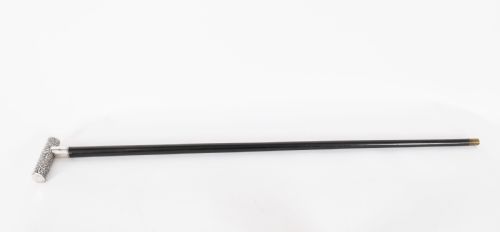
Carvers and metalsmiths shaped these canes using traditional hardwoods like oak, hazel, and malacca paired with cast iron, brass, silver, and gold. Handles often incorporated detailed silver wire work, carved porcelain, or moulded metal animal motifs.
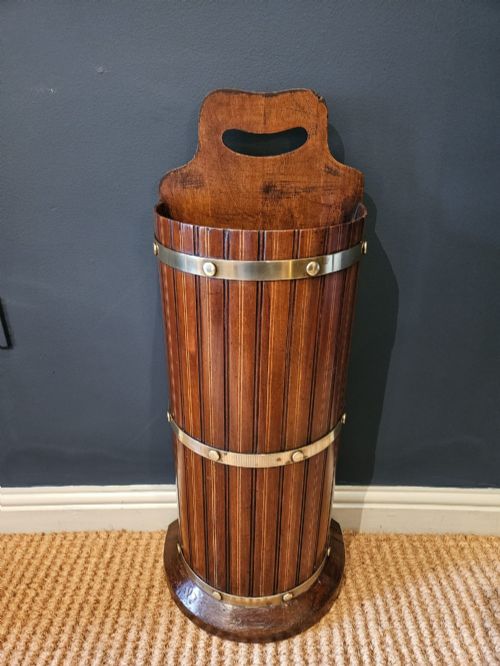
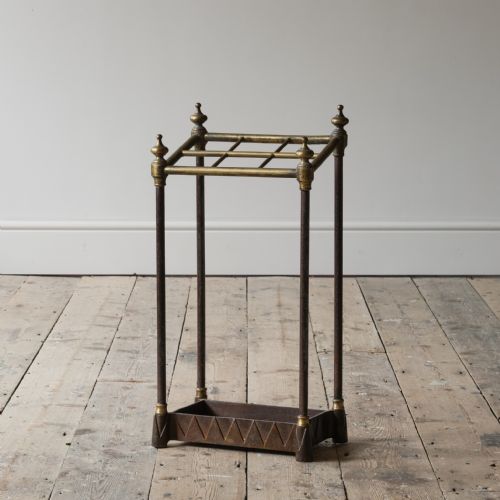
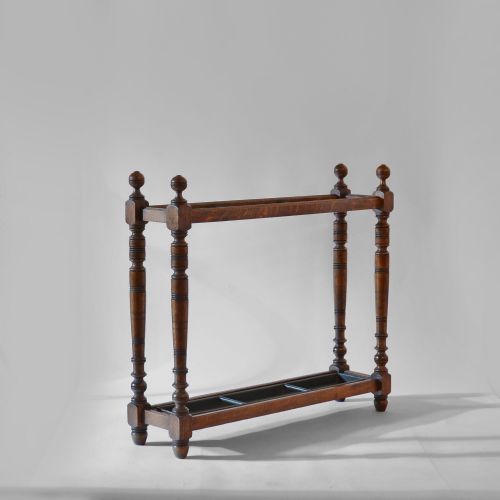
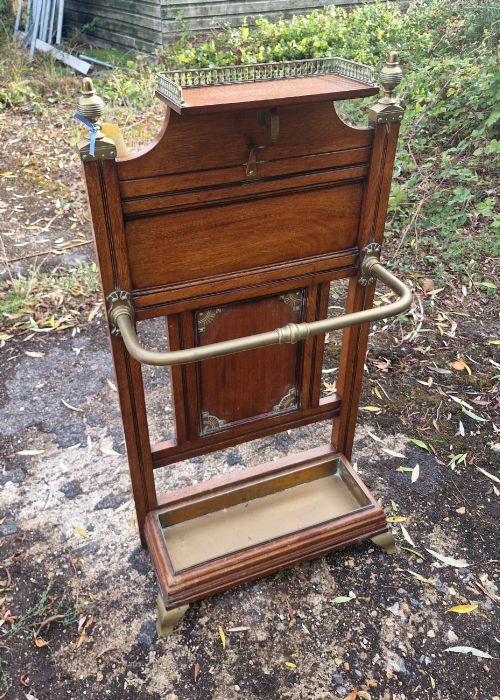
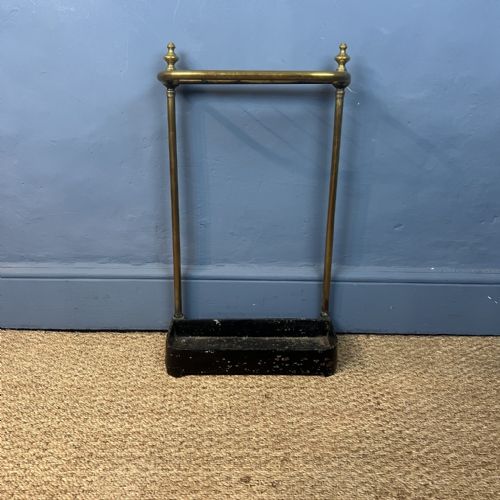
Concealed blade versions integrated steel elements, including Toledo and Wilkinson steel blades fitted inside wooden or faux bamboo shafts. Stick stands utilised cast iron, brass, and oak, frequently incorporating metal drip trays to catch rainwater.
Vintage Walking Cane Retail Price Guide 2026
Typical asking prices for vintage walking cane among the pieces listed under this phrase on Sellingantiques today, from the lower quarter to the upper quarter. They describe what is for sale here now, not the wider market.
Several canes disguise fully functioning steel blades beneath harmless wooden facades, ready for unexpected Victorian duels.
What varies in quality
Quality rests upon the execution of the handle and the pedigree of the maker or blade. Finely cast silver animal heads, hand-painted Sevres porcelain, and recognised maker signatures separate standard supports from collectible items.
The integrity of the shaft materials, whether patterned silver wire on bamboo or solid hardwood, dictates the overall construction standard. Fitted elements such as original metal drip trays on cast iron stands also influence desirability.
Briggs·Thomas Johnson·Wilkinson·Coalbrookdale
The Vintage Walking Cane Glossary
- Pommel
- The knob or handle on the upper end of a cane. This part often displays decorative silver, gold, or carved animal forms.
- Sword stick
- A walking cane concealing a functional steel blade within its wooden shaft. These were often carried by military officers or gentlemen for personal defence.
- Malacca
- A type of rattan cane known for its mottled brown finish and jointed stem. It provided a strong yet lightweight shaft for walking sticks.
- Drip tray
- A removable metal basin positioned at the base of an umbrella or stick stand. It protected wooden flooring by collecting moisture from wet canes.
Vintage Walking Cane: Frequently Asked Questions
What materials are common in these canes?
Canes incorporate natural woods like oak, hazel, bamboo, and partridge wood. Handles and mounts feature contrasting metals including brass, silver, gold plate, and cast iron.
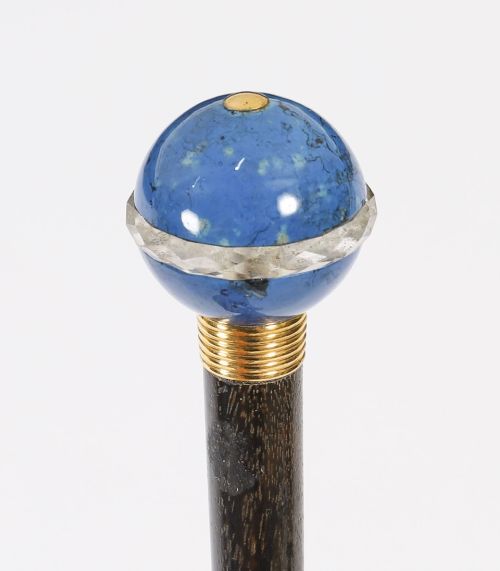
More decorative examples integrate porcelain, lapis lazuli, or carved animal motifs to form the grip.
Where were stick stands placed?
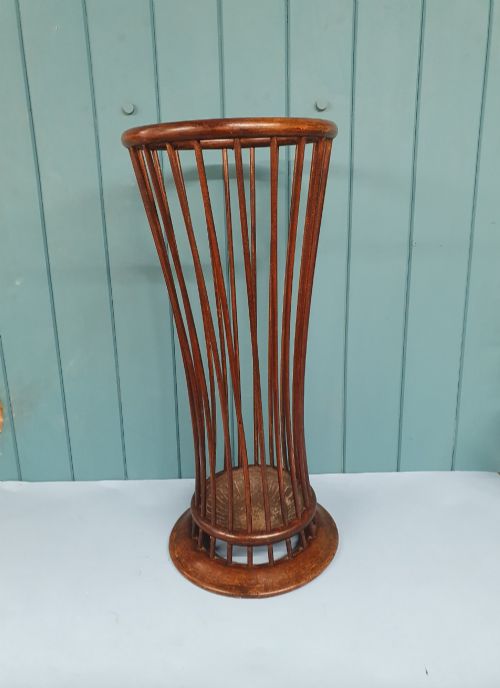
Stick stands and umbrella stands sat in nineteenth-century hallways and entrance porches. They kept walking aids and wet umbrellas organised near the front door.
Hallways accommodated half-moon designs, barrel shapes, and cast iron frames designed to fit against walls.
How are periods distinguished?
Victorian and Edwardian pieces are identified through construction techniques, metal hallmarks, and stylistic details such as Art Nouveau or Chinoiserie patterns. Cast iron stands often carry registration marks or manufacturer stamps.
Examining the wear on the ferrule and the style of the handle helps confirm the manufacturing era.