



Silver Topped Stick
A silver topped stick is a functional walking aid or concealed blade mounted with precious metal, combining utility with gentlemanly display.
Silver Topped Stick
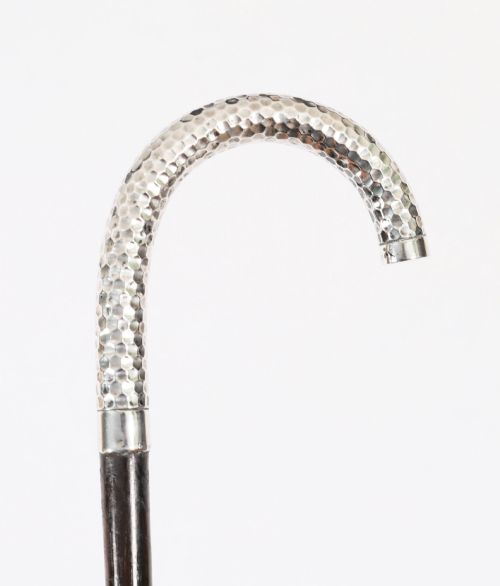
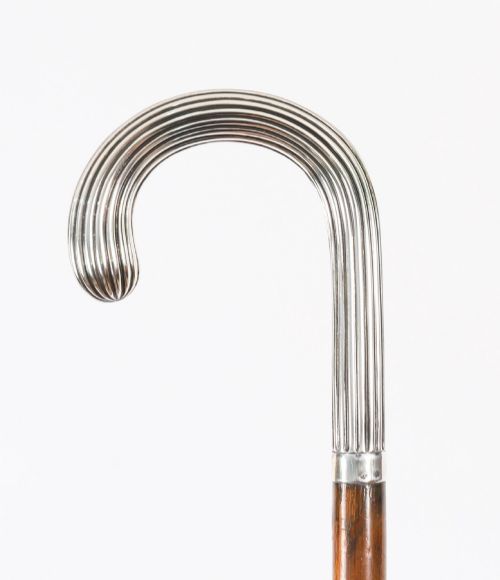
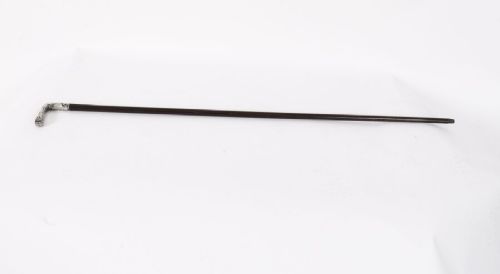
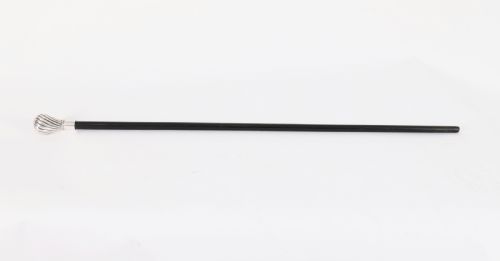
A silver topped stick typically presents as a gentleman's walking cane, swagger stick, or parasol handle featuring an ornamental metal grip. These accessories span the nineteenth century and the Edwardian era, originating from European workshops, British makers, and Asian export houses.
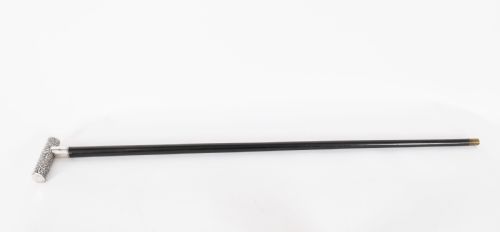
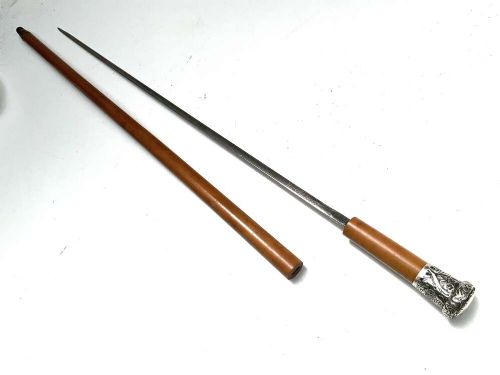
The most common examples on this page are walking canes and sword sticks fitted with sterling silver or silver-plated handles. Shafts range from plain ebonised wood to exotic timbers like malacca, bamboo, rosewood, and palm wood.
Specialised variations appear alongside standard walking aids, including pieces incorporating functional timepieces, opera glasses, or hidden blades. Regional styles include Chinese export work, French Belle Epoque designs, and Continental European military swagger sticks.
Materials and construction
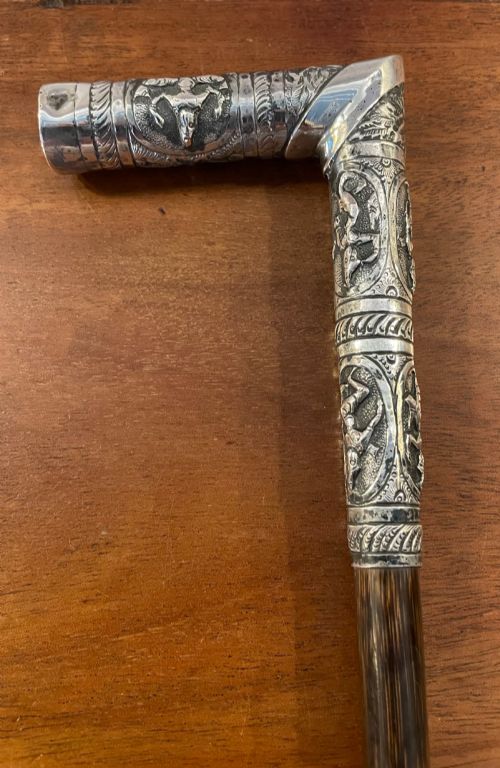
Craftsmen joined metal handles to wooden shafts using internal threaded screws, pins, or resin adhesives. Silver components were cast, hand-repoussé, or engraved with floral, animal, and neoclassical motifs before receiving hallmarks or maker stamps.
Shafts required straight-grained hardwoods such as oak, palm, or snakewood, often steamed and bent into crooks or turned down for comfort. Metal blades for concealed sword sticks were forged from tempered steel, fitted neatly inside the wooden housing.
Silver Topped Stick Retail Price Guide 2026
Typical asking prices for silver topped stick among the pieces listed under this phrase on Sellingantiques today, from the lower quarter to the upper quarter. They describe what is for sale here now, not the wider market.
Listings feature pieces spanning the nineteenth century through the Edwardian period, incorporating materials like ebonised wood, snakewood, and sterling silver.
Judging quality and craftsmanship
Quality rests upon the gauge of the silver and the fineness of the chasing or repoussé work on the handle. Substantial, heavy silver grips display crisp detail in figural subjects like boar heads or floral arrangements, whereas inferior examples rely on thin silver plate over base metals.
The integrity of the timber shaft and the precision of the fit between handle and body determine structural merit. Superior pieces utilise dense exotic hardwoods or malacca with intact horn tips, maintaining alignment without warping or looseness at the collar.
Wang Hing and Company·Brigg of London·Barker Brothers
The Silver Topped Stick Glossary
- Swagger stick
- A short cane carried by military officers as a symbol of authority rather than a walking aid. These often feature regimental silver mounts and caps.
- Repoussé
- A metalworking technique where the silver is hammered from the reverse side to form a raised design in relief. This method defines the ornamented handles of many nineteenth-century canes.
- Malacca
- A slender, durable rattan cane originating from Southeast Asia, prized for its mottled brown surface and strength. It forms the shaft of many fine nineteenth-century walking sticks.
- Hallmark
- An official stamp applied to precious metals indicating the standard of purity, assay office, and year of testing. British pieces frequently display these marks on the silver collar.
- Knop
- A rounded knob or ornamental handle topping a cane or walking stick. These take forms ranging from plain spheres to carved animals and military insignia.
Silver Topped Stick: Frequently Asked Questions
What is a silver topped stick?
A silver topped stick is a walking cane, swagger stick, or parasol handle finished with a decorative precious metal grip. They served as fashion accessories and status symbols throughout the nineteenth and early twentieth centuries.
Many examples conceal functional items inside the shaft, such as steel sword blades, timepieces, or optical glass. The combination of dense hardwood and worked silver created durable items for daily carriage.
How do I know the silver is genuine?
Genuine British pieces usually bear hallmarks stamped directly onto the silver collar or handle, showing the assay office and date letter. Continental and export pieces often feature foreign silver purity marks or maker stamps.
Silver-plated examples display a thin layer of precious metal over a base metal core, which can wear down over time to reveal the underlying brass or copper.
What woods were used for shafts?
Makers selected timbers known for straight grain and resilience, including oak, palm wood, snakewood, and rosewood. Malacca rattan and ebonised hardwoods also appear frequently in surviving examples.
Exotic woods were often polished or stained to contrast sharply with the bright silver handle and metal ferrule at the base.
How should I display one at home?
These sticks suit vertical display in traditional umbrella stands or wall-mounted wooden racks that support the weight without straining the collar. Keeping them away from direct sunlight protects the wooden shafts from drying out.
Regular dusting preserves the finish of both the timber and the silver handle without requiring harsh chemical cleaning.