
Victorian Walking Cane
When you handle a victorian walking cane, you hold a functional accessory that doubled as a personal statement, a concealed weapon, or an intricate novelty in the nineteenth century.
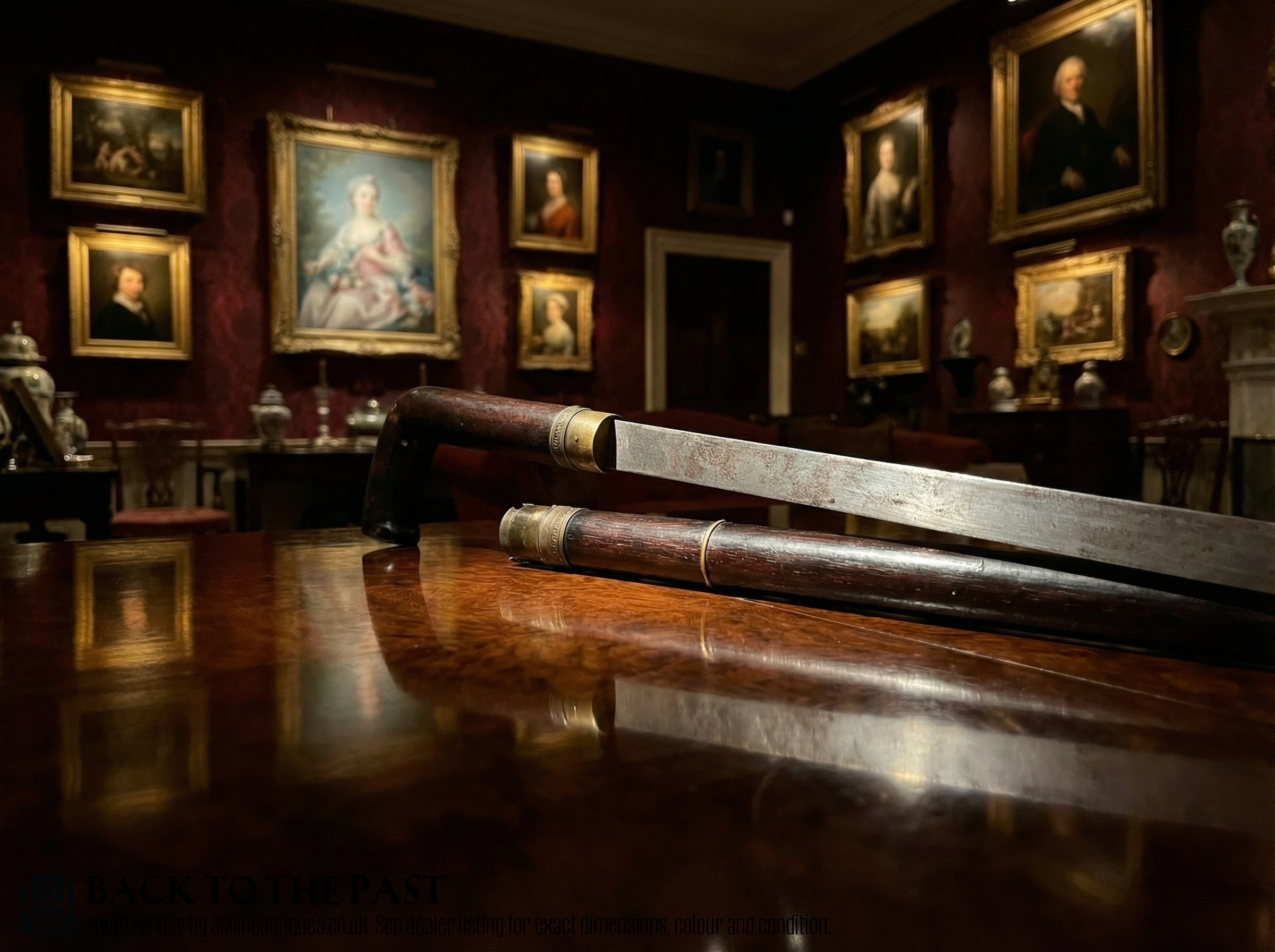
Victorian Walking Cane
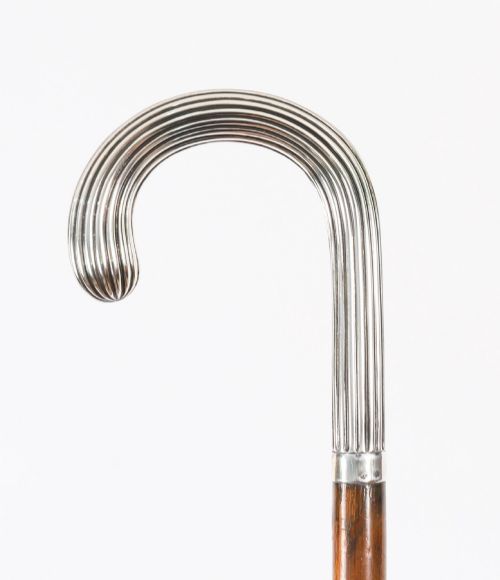
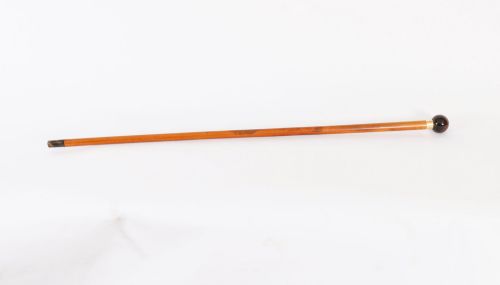
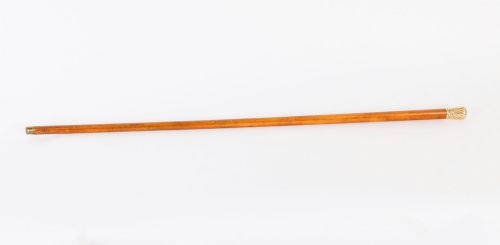
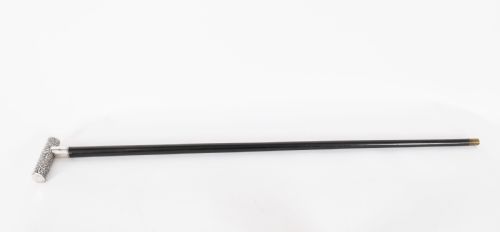
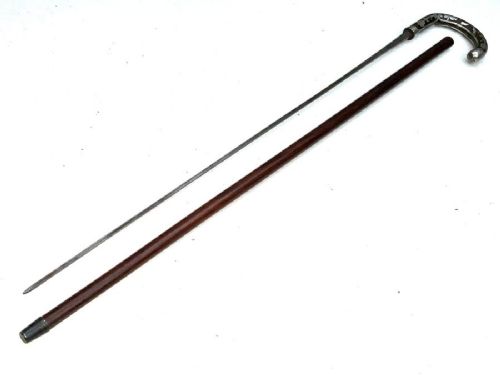
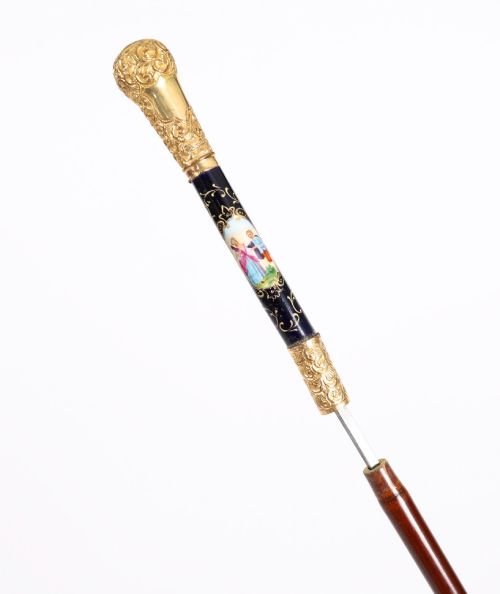
A victorian walking cane encompasses a diverse group of personal items created during the nineteenth century, ranging from simple timber shafts to elaborate social accessories. Buyers encounter pieces fashioned from woods like malacca, ebony, and cherrywood, often fitted with silver, gold, or porcelain handles.
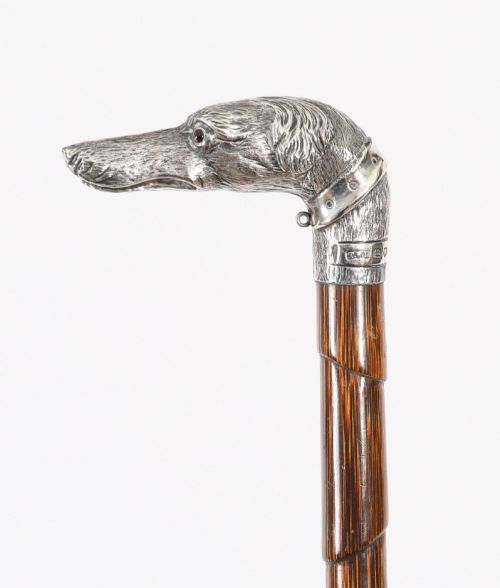
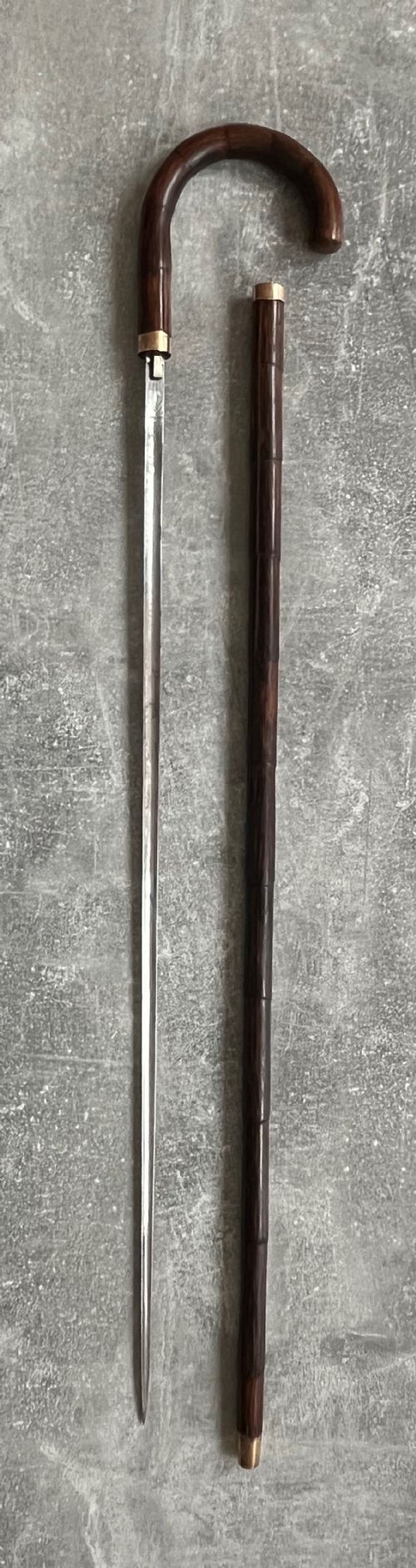
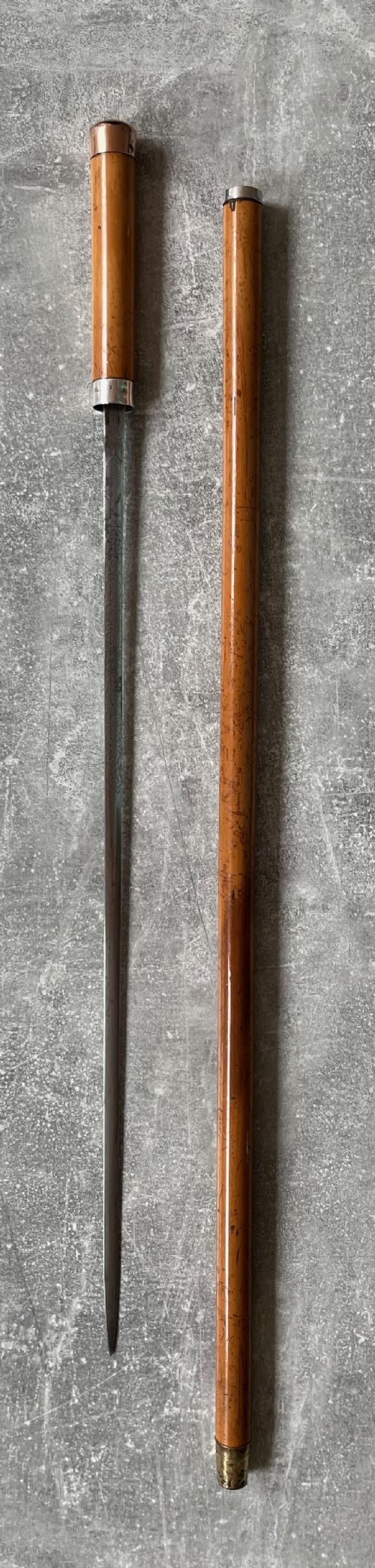
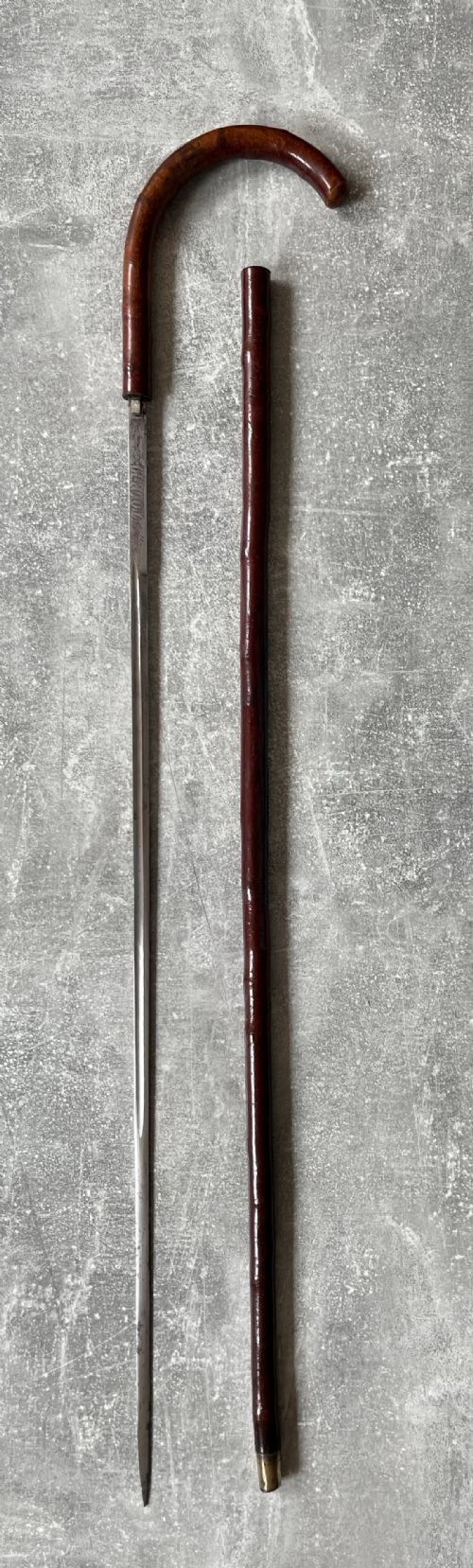
Many examples conceal functional blades, turning a standard walking stick into a sword stick for personal defence or ceremonial use. Other variations feature novelty handles shaped like animal heads or incorporate masonic symbols.
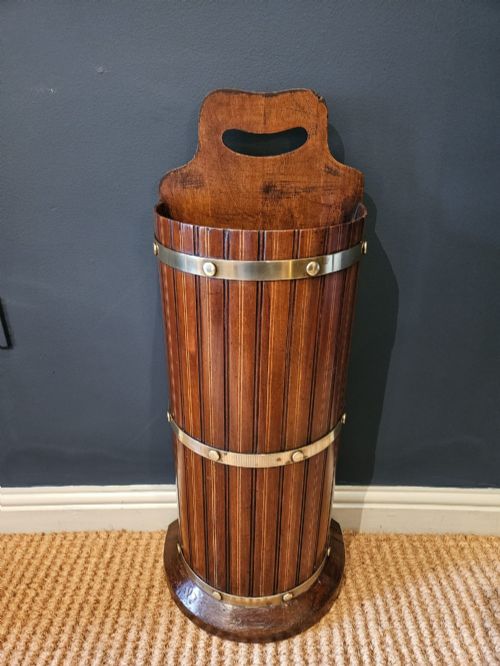
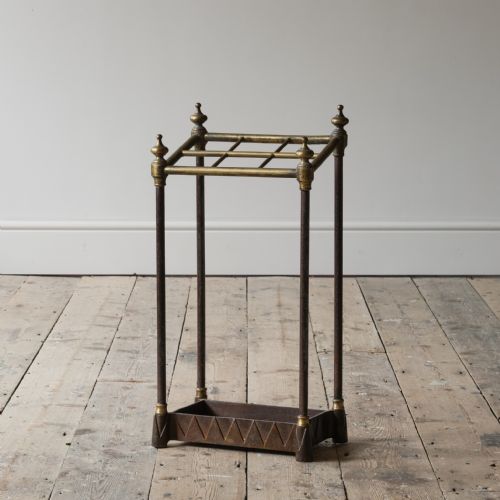
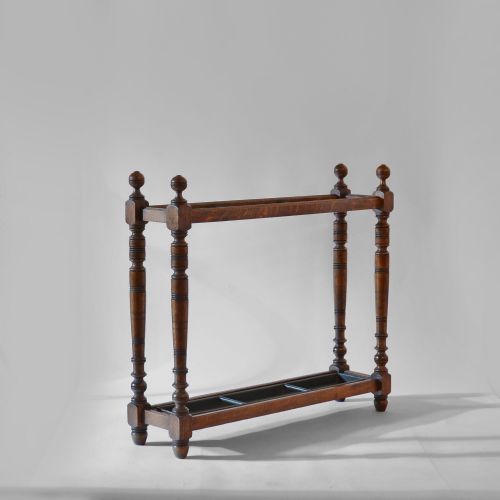
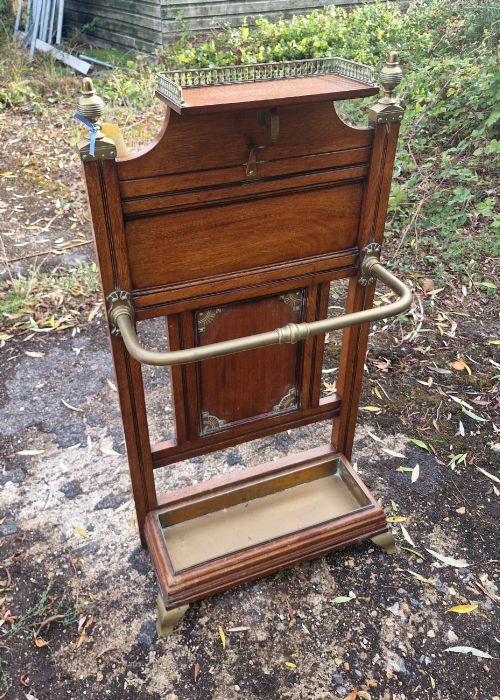
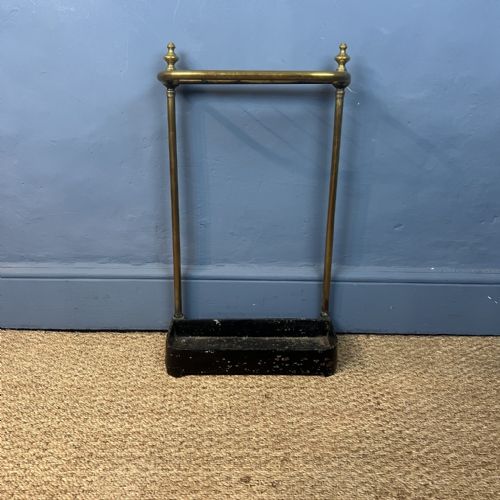
The category also extends to umbrella and stick stands made of brass, cast iron, and oak, designed to house these walking canes in period hallways.
How they were made
Maker craftsmanship relies on combining organic materials like bamboo, malacca, and various hardwoods with metals such as brass, steel, silver, and gold. Shafts utilise natural timbers, ebonised wood, or faux bamboo, shaped to house concealed Toledo or Wilkinson blades.
Handles and pommels demand intricate metalwork, casting, and carving techniques, utilising silver plates, gold pommels, and sculpted animal heads in porcelain or horn. Stick stands combine heavy cast iron bases with brass frames or carved oak structures to support the weight of multiple canes.
Victorian Walking Cane Retail Price Guide 2026
Typical asking prices for victorian walking cane among the pieces listed under this phrase on Sellingantiques today, from the lower quarter to the upper quarter. They describe what is for sale here now, not the wider market.
Listings feature nineteenth-century walking canes constructed from malacca, ebony, hazel wood, and partridge wood, paired with silver and gold mounts.
What varies in quality
Quality rests in the precision of the handle attachment, the integrity of the hidden blade mechanism, and the choice of materials. Fine examples feature marked precious metals, engraved steel blades, and detailed novelty carving on handles shaped as animals.
Standard utility pieces utilise simpler timber shafts with basic metal mounts, whereas superior pieces showcase decorated silver work, gold pommels, or specialised porcelain elements from makers like Sevres.
Thomas Johnson·Brigg·Wilkinson·Coalbrookdale·Thomas Jeckyll
The Victorian Walking Cane Glossary
- Sword stick
- A walking cane containing a concealed blade within the shaft. These pieces use button releases or screw threads to secure the weapon.
- Malacca
- A sturdy rattan cane imported from Southeast Asia and prized for its mottled brown finish and strength. It forms the primary shaft material for many fine walking sticks.
- Ebonised wood
- Timber treated with a dark stain or finish to imitate ebony. This technique provides a uniform black appearance on standard walking cane shafts.
- Demi lune
- A half-moon shape characteristic of certain brass and cast iron umbrella stands. This design allows the stand to sit flush against a hallway wall.
Victorian Walking Cane: Frequently Asked Questions
What is a sword stick?
A sword stick is a walking cane that conceals a steel blade inside the wooden shaft. Users access the blade by pulling a release button or unscrewing the handle.
These pieces served gentlemen as a means of personal protection during the nineteenth century. They combine standard walking support with a functional weapon.
How do I identify a period cane?
Period identification relies on examining the materials, construction methods, and any metal hallmarks present on the handle mounts. Nineteenth-century examples often feature specific silver hallmarks, hand-etched blades, and traditional woods like malacca or ebony.
Craftsmanship details such as integrated button releases and specific metal casting styles help distinguish genuine Victorian pieces from later reproductions.
Where were stick stands used?
Stick stands sat in the entrance halls of nineteenth-century homes to hold walking canes, umbrellas, and parasols. Households used heavy brass and cast iron designs to support multiple heavy wooden items without tipping.
Oak and brass half-moon stands accommodated narrow hallway spaces while keeping walking accessories organised near the front door.