
Antique Silver Cane
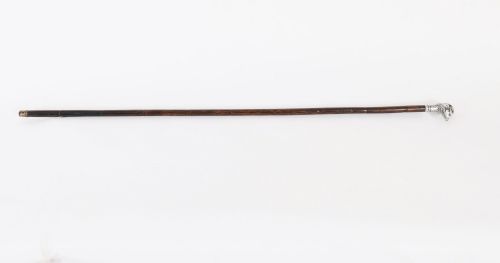
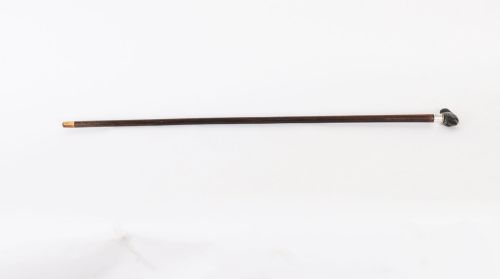
When collectors seek an antique silver cane, they discover portable sculpture created for gentlemen who walked out with substance and style.
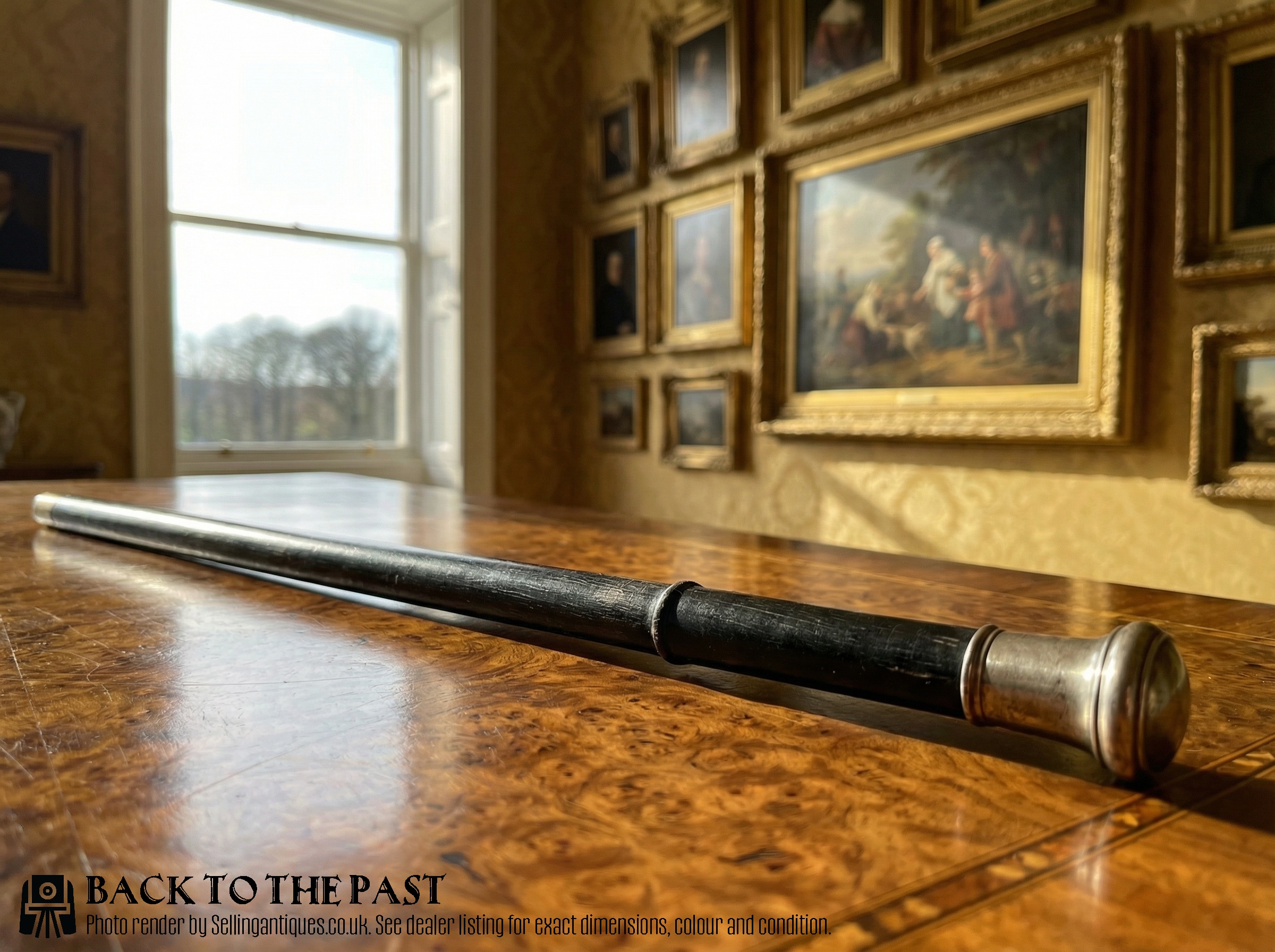
Antique Silver Cane
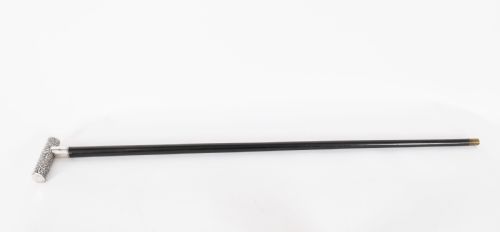
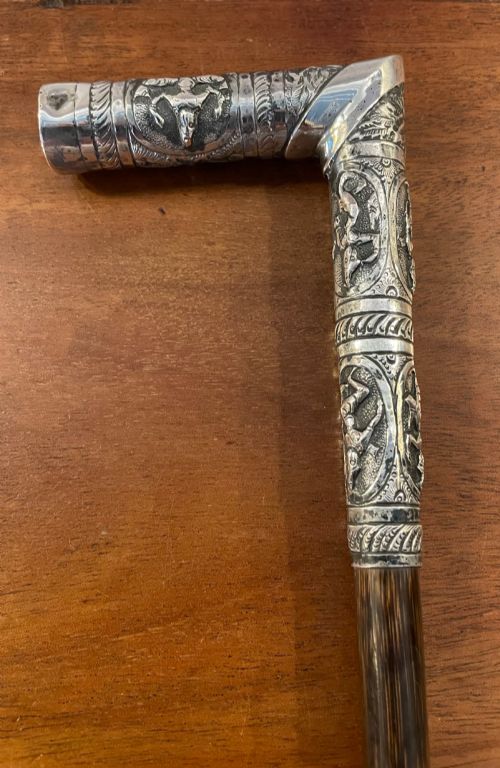
An antique silver cane combines a functional walking support with a decorative metal handle, often taking the form of carved animal heads or geometric mounts. These pieces span the nineteenth and early twentieth centuries, reflecting Victorian, Edwardian, and Art Deco tastes across British, French, and Asian workshops.
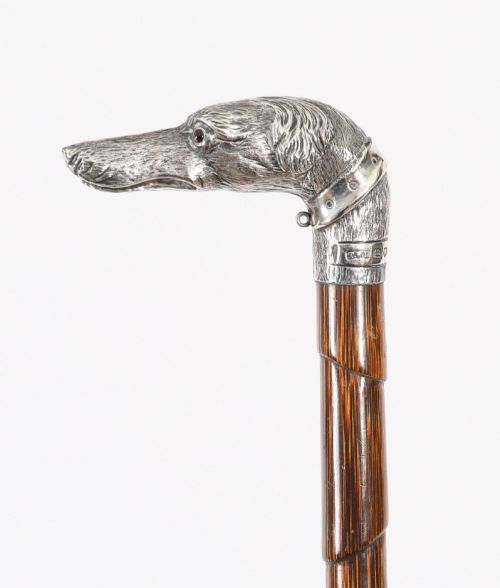
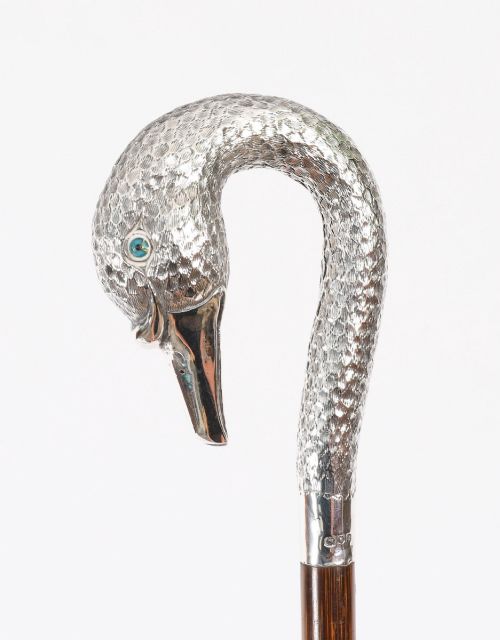
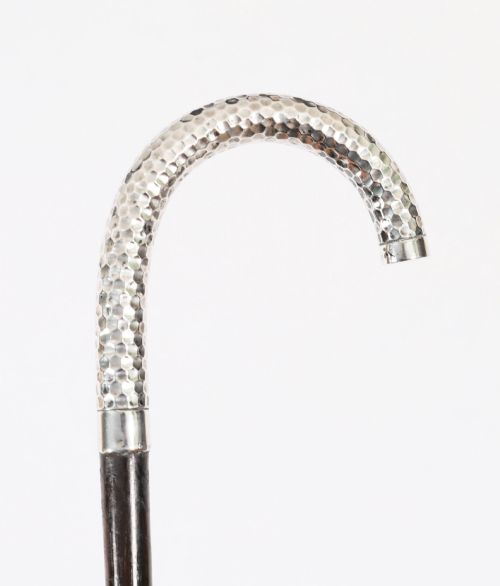
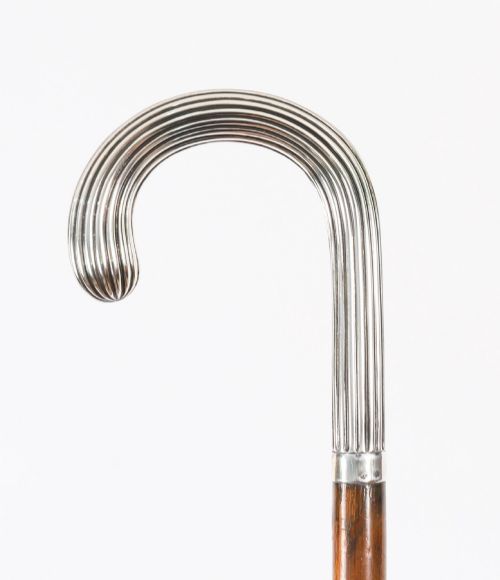
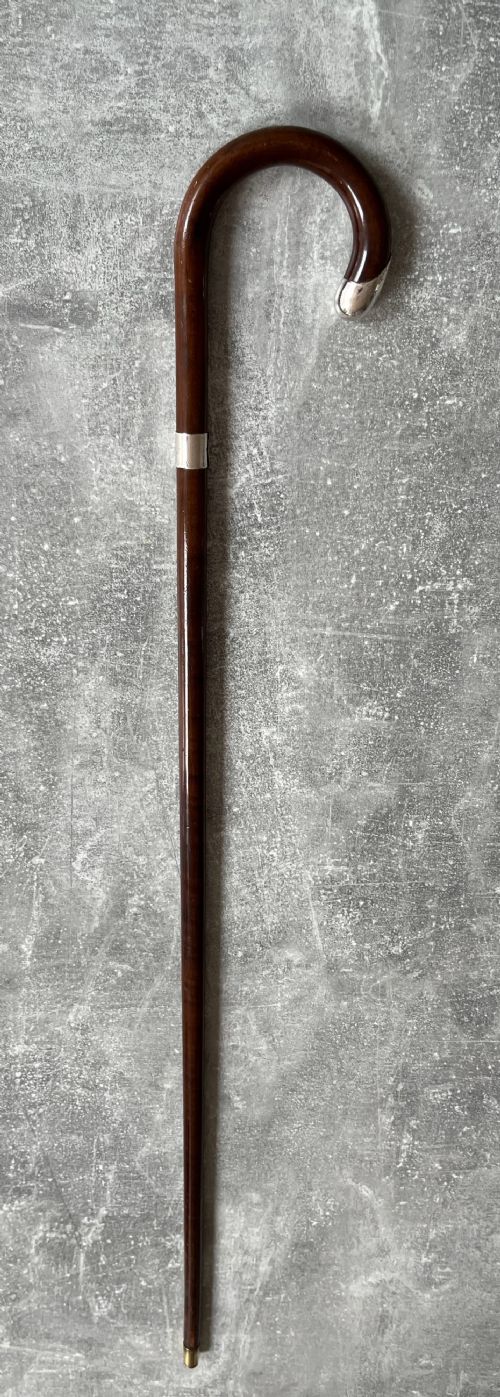
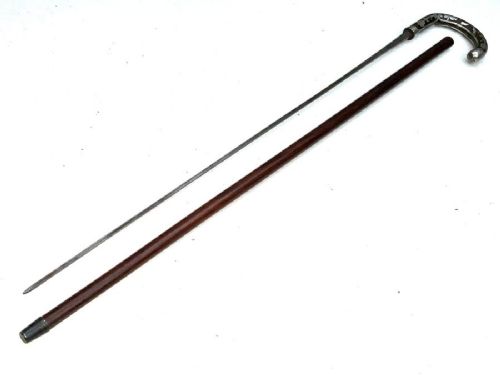
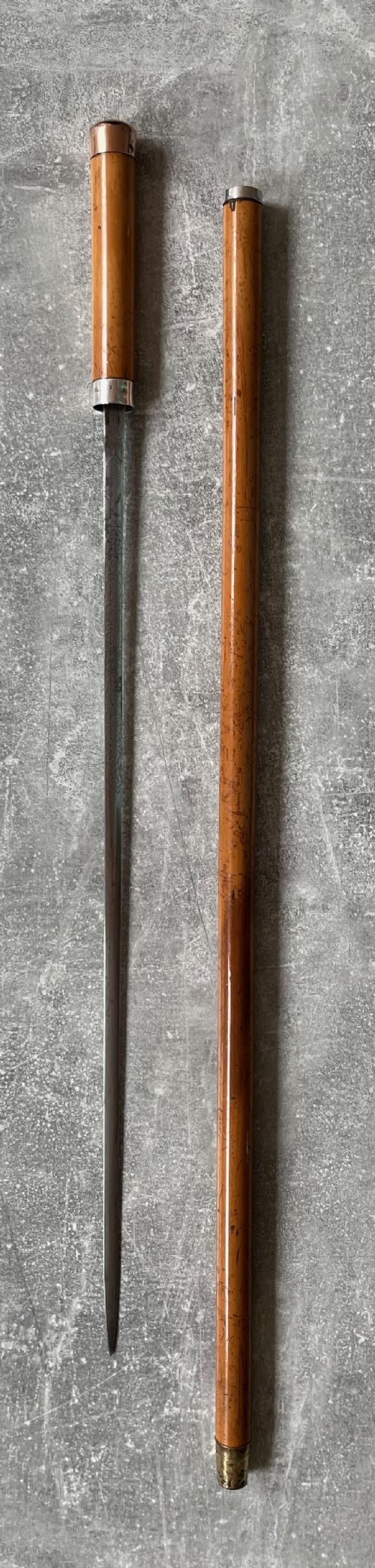
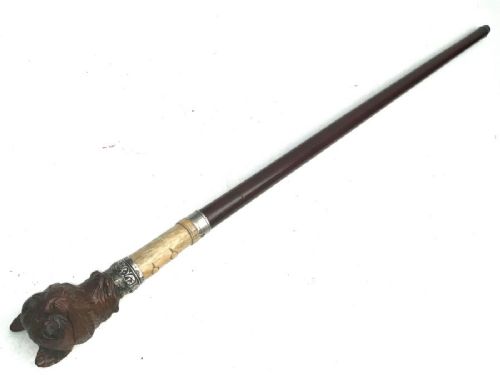
Buyers will encounter many variations on this page, ranging from plain silver collars on wooden shafts to elaborate novelty handles shaped like greyhounds, ducks, and parrots. Alongside standard walking sticks, the selection includes specialised gadget canes housing hidden blades, snuff boxes, or internal measurement tools.
How they were made
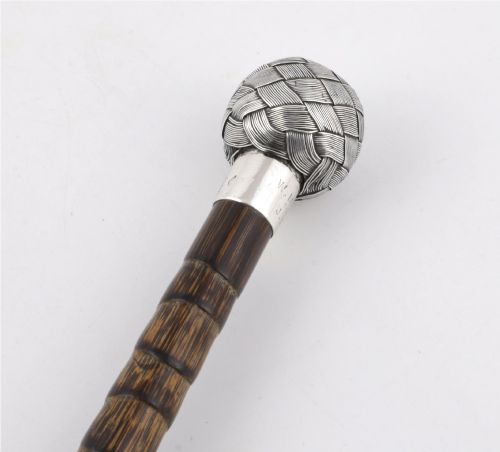
Silversmiths formed the handles using repoussé, casting, and chasing techniques on sterling or continental silver, frequently incorporating hallmarks to record the assay office and year. Artisans mounted these metal grips onto shafts turned from hardwoods, malacca, bamboo, or ebonised wood.
Makers finished the shafts with metal ferrules at the base to protect the wood during daily use. Specialised pieces required internal carpentry to conceal blades, watch movements, or glass vials securely within the shaft.
Antique Silver Cane Retail Price Guide 2026
Typical asking prices for silver cane among the pieces listed under this phrase on Sellingantiques today, from the lower quarter to the upper quarter. They describe what is for sale here now, not the wider market.
What varies in quality
Wang Hing and Company·Jonathan Howell·Kendall and Sons·Kutz Gottlieb·Liberty and Co
The Antique Silver Cane Glossary
- Hallmark
- Official stamps struck into precious metals to indicate the standard of purity, the assay office, and the year of manufacture.
- Malacca
- A sturdy, mottled rattan cane imported from Southeast Asia that nineteenth-century makers prized for shafts.
- Repoussé
- A metalworking technique where the silversmith hammers the design from the reverse side to form a raised relief.
- Ferrule
- The protective metal cap fitted to the bottom of a walking stick to prevent wear against the ground.
- Sword stick
- A covert walking cane containing a concealed blade housed within the wooden shaft.
Antique Silver Cane: Frequently Asked Questions
How do I date a silver cane?
Examine the handle for stamped assay hallmarks, maker's marks, and date letters that correspond to official registration records.
Stylistic indicators such as Art Deco geometric lines or Victorian floral chasing also help narrow down the period of manufacture.
What is a gadget cane?
A gadget cane is a multifunctional walking stick designed to conceal items such as swords, snuff boxes, watches, or horse measuring tools.
These pieces served practical or secretive purposes for nineteenth-century gentlemen while maintaining the appearance of a standard accessory.
Which woods were used for shafts?
Makers utilised durable natural materials including malacca, bamboo, hazel, thorn wood, and ebonised hardwoods.
Each wood offered distinct flexibility and weight characteristics suited to daily walking support.
How should I display walking sticks?
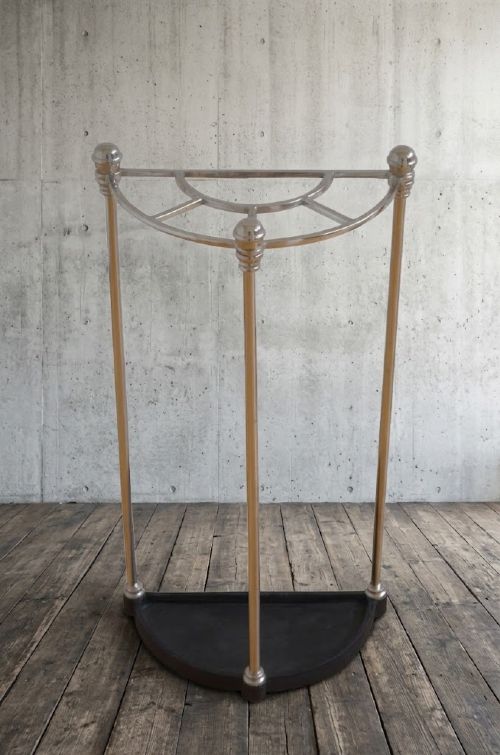
Display canes upright in dedicated umbrella stands or mount them securely on wall brackets to showcase the handles.
Keep them away from direct sunlight and excessive heat fluctuations to protect the wooden shafts and metal mounts.