



Silver Top Cane
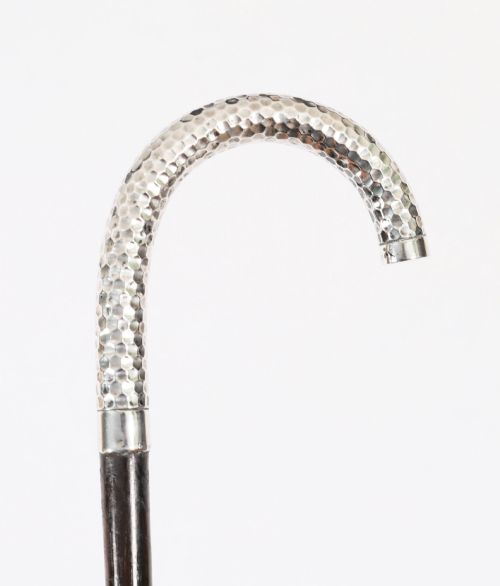
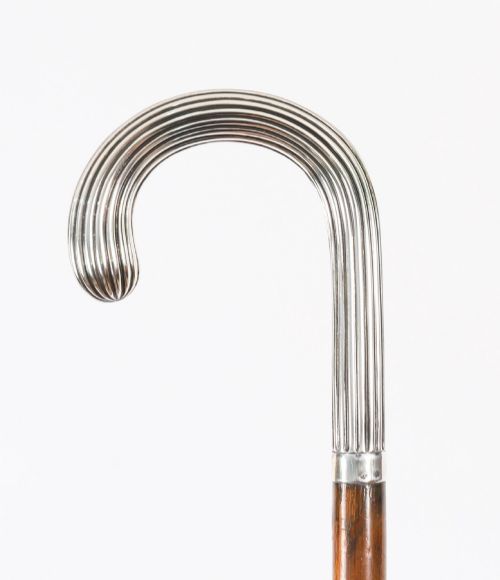
A silver top cane carries the authority of the nineteenth and early twentieth centuries, pairing precious metal handles with shafts of malacca, bamboo, and ebonised wood.
Silver Top Cane
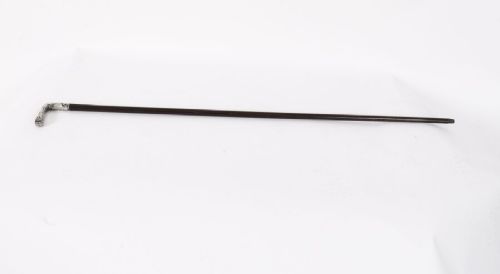
A silver top cane comprises a shaped handle of sterling or continental silver joined to a slender shaft of timber, often serving as a gent's walking stick or a formal accessory. The most common examples on this page date from the nineteenth century through the Edwardian period, originating from English, French, and Asian workshops.
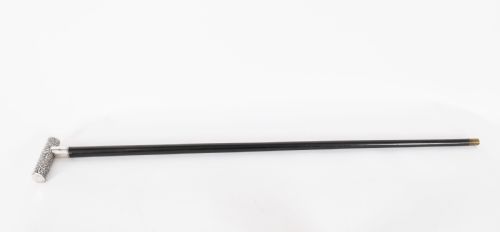
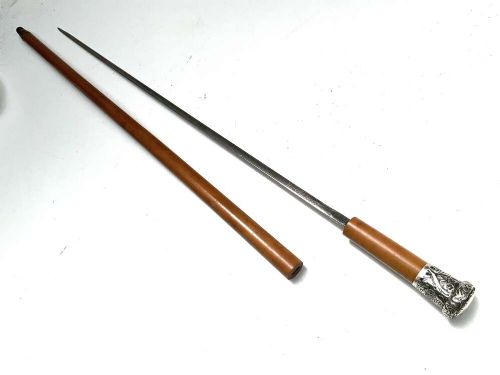
Forms vary from standard walking sticks and swagger sticks to specialised pieces containing concealed blades or watch movements within the handle. French and Chinese export designs appear frequently alongside British military and civilian examples.
The materials balance a weighty silver grip against flexible woods such as malacca, palm wood, or snakewood. Many retain their original proportions, measuring between eighty-seven and one hundred and one centimetres in length.
Materials and Construction
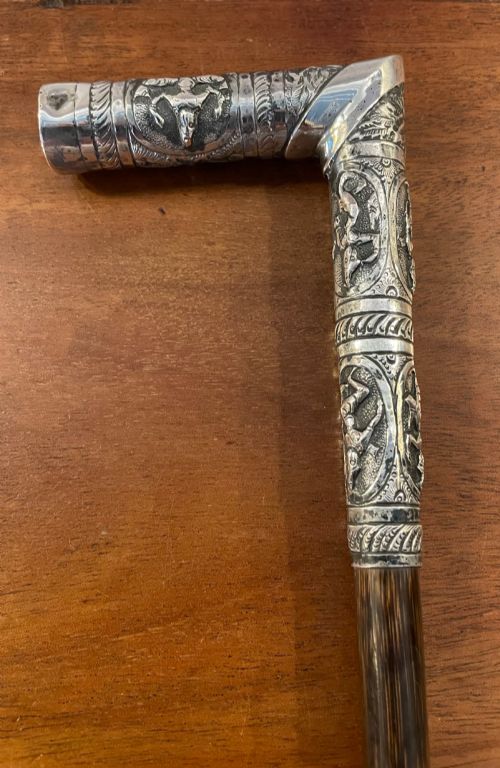
The handles are fashioned from silver using techniques such as repousse work, chasing, and casting to produce animal forms, botanical motifs, and neoclassical patterns. These metal tops are secured to organic shafts using internal collars and adhesives.
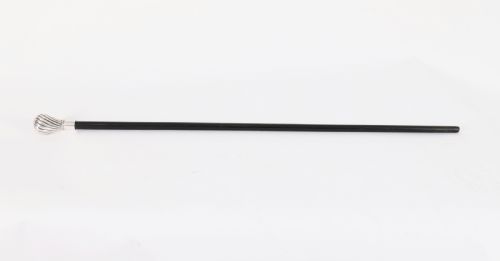
Shafts rely on resilient natural materials including bamboo, ebonised wood, hardwood, and malacca, selected for their straight grain and durability. Metal elements such as brass collars and steel blades complete the construction of sword sticks and combination pieces.
Silver Top Cane Retail Price Guide 2026
Typical asking prices for silver top cane among the pieces listed under this phrase on Sellingantiques today, from the lower quarter to the upper quarter. They describe what is for sale here now, not the wider market.
The archive includes specialised pieces with integrated watch movements, chalcedony handles, and concealed steel blades.
Distinctions in Quality
Superior quality rests in the depth and crispness of the silver repousse work, the originality of the mounted handle, and the integrity of the wooden shaft. Pieces bearing clear hallmarks or specific maker marks command greater interest from collectors.
Complexity of function also elevates a piece, distinguishing standard walking canes from those housing mechanical watch movements, functional blades, or finely carved figural grips like boar heads and hares.
Wang Hing and Company
The Silver Top Cane Glossary
- Repousse
- A metalworking technique where the silver is hammered from the reverse side to form a raised design on the front. This method creates the detailed floral and figural motifs seen on many handles.
- Malacca
- A sturdy stem of the rattan palm imported from Southeast Asia, prized for its mottled brown finish and flexibility. It forms the traditional shaft for many formal walking sticks.
- Swagger stick
- A short, light cane carried by military officers as a mark of rank rather than for physical support. These often feature regiment-specific metal mounts.
- Hallmark
- An official stamp applied by an assay office to indicate the purity of the silver, the place of testing, and the year of production. English examples frequently display these stamps on the metal collar or handle.
- Ebonised wood
- Timber treated with a dark stain and polish to imitate genuine ebony. It provides a dense, uniform black contrast to the polished silver top.
Silver Top Cane: Frequently Asked Questions
How were sword sticks used?
Sword sticks combined the utility of a walking cane with the personal defence offered by a concealed steel blade. They were carried by gentlemen navigating unfamiliar or dimly lit urban streets during the Victorian and Edwardian eras.
The blade sits securely inside the wooden shaft, locked in place by a collar or screw mechanism until released by the user. Military officers also utilised modified versions during periods of service.
How do I date a silver cane?
Dating relies primarily on visible hallmarks stamped into the silver, stylistic cues such as Art Nouveau curves or Neoclassical symmetry, and the type of wood used for the shaft. English pieces often carry assay office marks and date letters that pinpoint the exact year of manufacture.
Unmarked continental and Asian export pieces are attributed through construction methods, stylistic periods, and retailer stamps. Comparing the patina of the silver with the wear on the wooden tip provides further chronological context.
How should I care for a silver cane?
Preservation requires keeping the cane in a stable environment away from extreme humidity and direct sunlight, which can dry out natural wood shafts. The silver handle benefits from occasional gentle cleaning with a soft cloth to maintain its finish without abrasive polishes.
Handling the piece by the metal and wood rather than placing undue weight on the tip prevents structural strain. Regular inspection of the ferrule at the base protects the timber from splitting during display.