
Antique Cane Stick
An antique cane stick offers a tangible connection to nineteenth and early twentieth century personal accessories and hall furnishings.
Antique Cane Stick
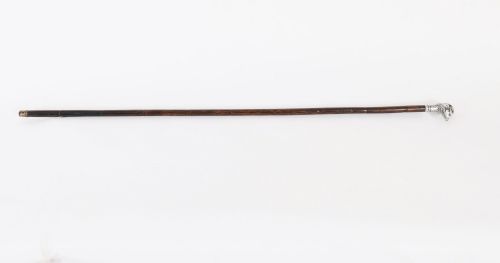
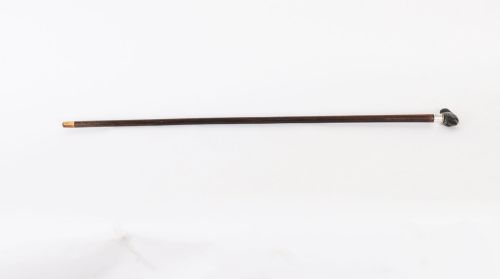
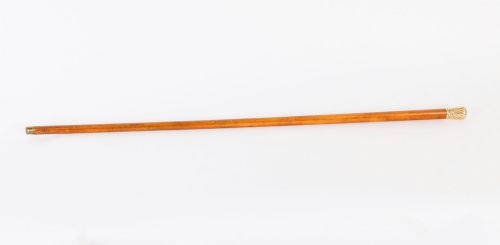
When buyers search for an antique cane stick, they encounter two distinct categories of objects: personal walking aids and hall stands designed to hold them. Personal walking sticks and canes encompass daily mobility tools, novelty pieces featuring carved animal or bird heads, and concealed sword sticks.
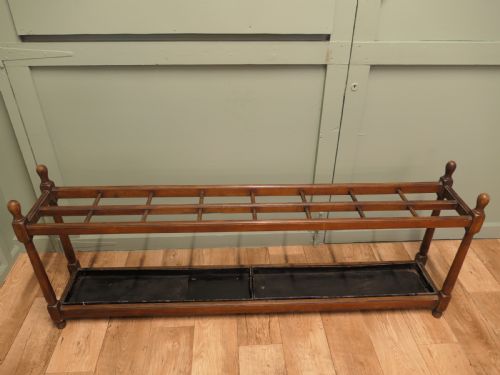
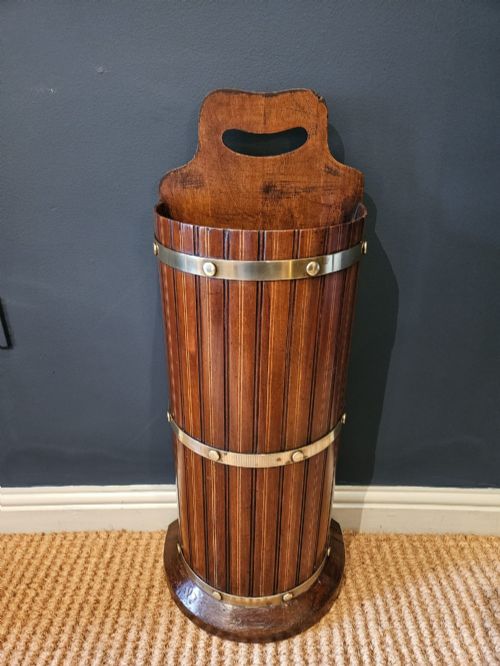
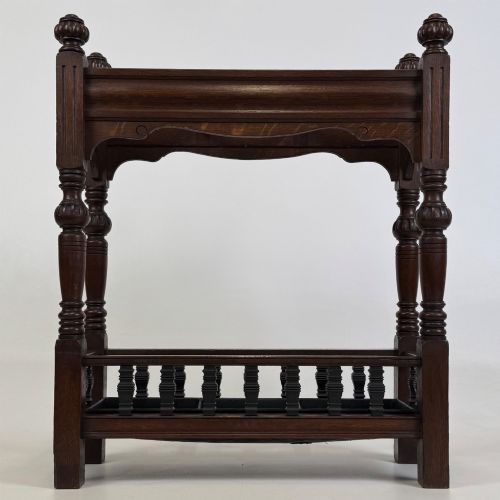
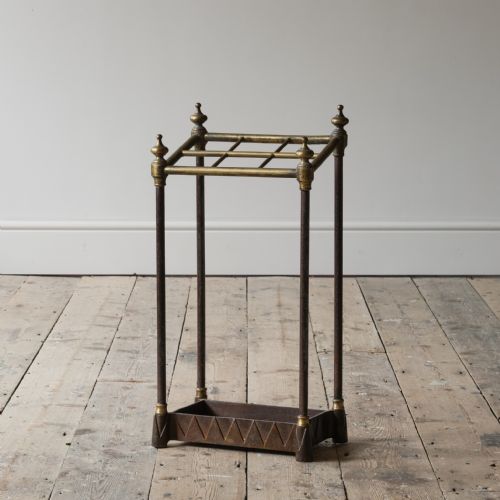
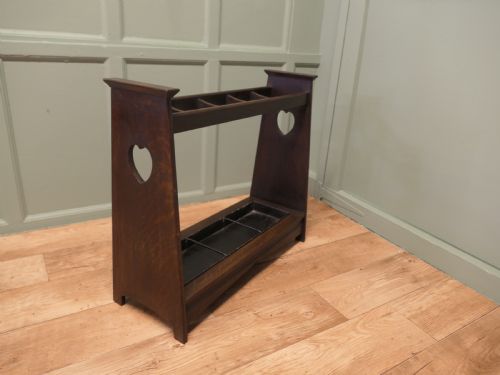
The selections span the Victorian, Edwardian, and Art Deco periods, drawing on British, French, German, Russian, and Chinese workshops. Hall furniture includes oak umbrella stands, cast iron stick holders, and brass-bound barrel designs intended for domestic entryways.
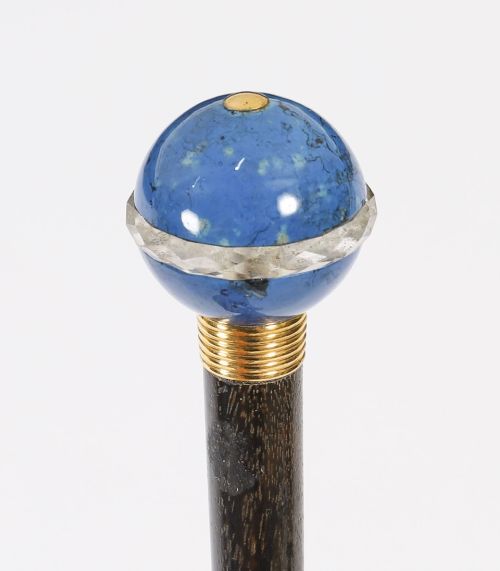
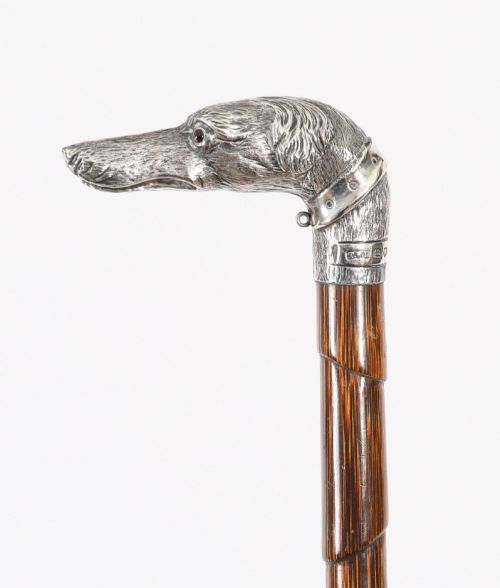
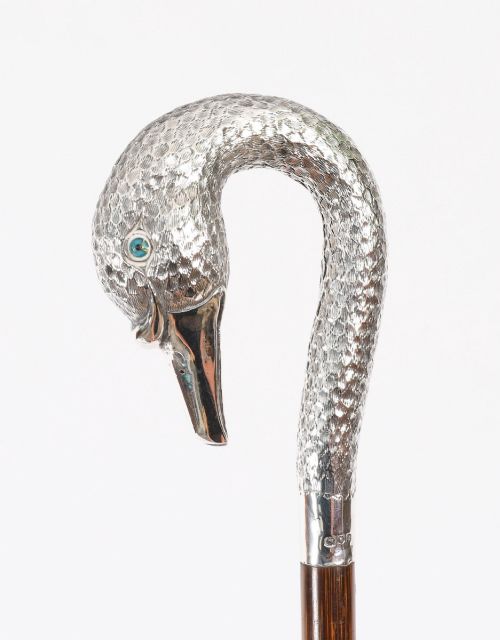
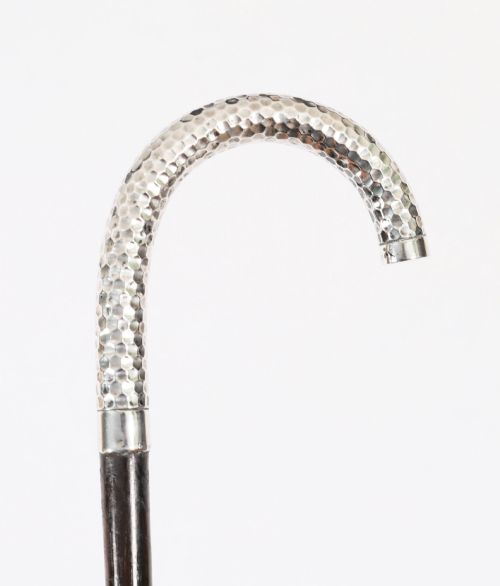
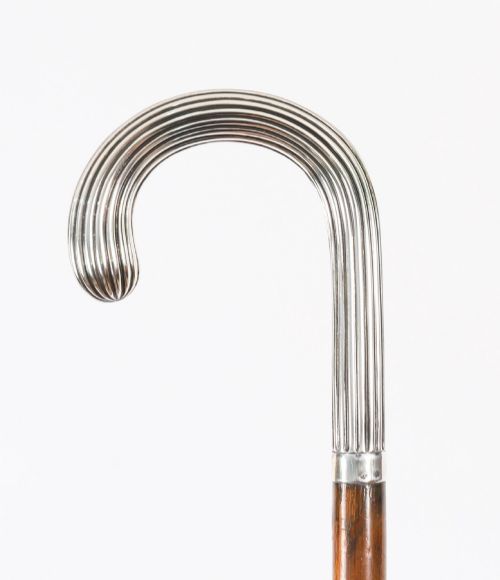
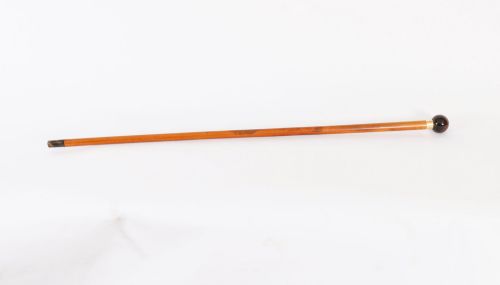
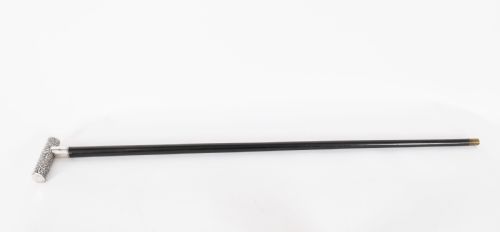
Handled walking canes frequently incorporate silver mounts, gold pommels, and decorative elements such as lapis lazuli or porcelain. Larger umbrella and stick stands utilise materials like oak, cast iron, brass, and ceramic to manage wet weather gear.
Materials and Technique
Makers utilised hardwoods such as oak, cherrywood, bamboo, malacca, and ebonised wood for shafts, often pairing them with metal shafts or faux bamboo carving. Handles and pommels required precision work in sterling silver, gold plate, bronze, cast iron, brass, and carved horn or lapis lazuli.
Metalworking techniques produced hall stands in cast iron and nickel-plated brass, alongside intricate silver repousse handles on walking sticks. Joinery methods for umbrella stands included coopered oak construction with brass banding and dedicated metal drip trays to collect rainwater.
Watch for the occasional silver cane handle that conceals a tiny internal horse measure.
Craftsmanship and Distinction
Quality in these pieces rests on the dexterity of the handle carving and the integrity of the materials, whether dealing with a detailed silver animal head or a cast iron hall stand. Superior walking sticks display hallmarks for precious metals and named makers, while high-end umbrella stands show substantial timber selection and original metal drip trays.
Briggs·Thomas Johnson·Liberty Design·Théodore Deck·Wilkinson·Jonathan Howell·Kutz Gottlieb·Kendall and Sons
The Antique Cane Stick Glossary
- Pommel
- A rounded knob forming the handle of a walking stick or cane. They are frequently cast in silver, gold, or bronze.
- Hallmark
- An official stamp applied to precious metals indicating purity, origin, and assay office. British sterling pieces often bear these marks on silver mounts.
- Sword stick
- A walking cane containing a concealed blade, such as a Toledo or Wilkinson steel blade. These items combine personal mobility with defensive utility.
- Coopered
- A method of constructing cylindrical wooden vessels using staves bound with metal hoops. This technique appears in nineteenth-century oak umbrella stands.
Antique Cane Stick: Frequently Asked Questions
How are antique walking sticks dated?
Dating relies heavily on assay office hallmarks stamped onto silver or gold mounts, which record specific assay years.
Stylistic cues such as Art Nouveau curves or Edwardian proportions help narrow the production era when metal stamps are absent.
What woods were used for walking canes?
Common timbers include oak, cherrywood, and ebonised wood, alongside imported exotics like bamboo and malacca.
Craftsmen selected these woods for their straight grain, flexibility, and natural durability during daily use.
Did umbrella stands include drip trays?
Many traditional hall stands incorporated removable metal drip trays at the base to catch water from wet umbrellas.
Original trays are characteristic of well-preserved Edwardian and Victorian oak or cast iron stands.
What is a novelty cane?
Novelty canes feature figural handles carved or cast as animal heads, birds, or concealed items like gambling tools.
These decorative personal accessories reflect Victorian and Edwardian taste for wit and bespoke craftsmanship.