
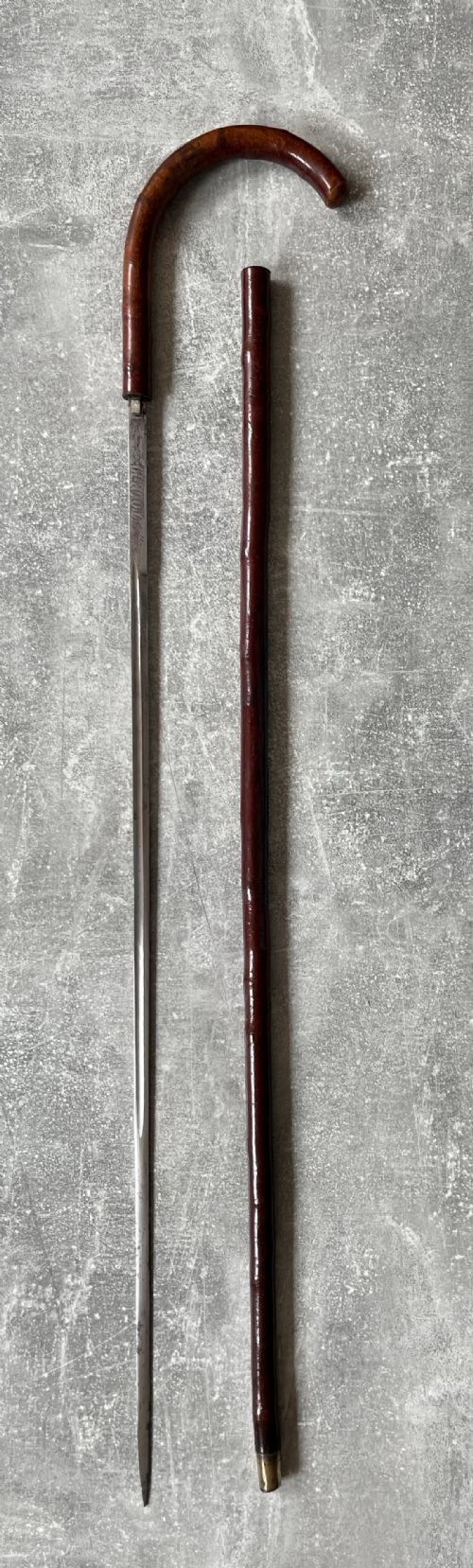
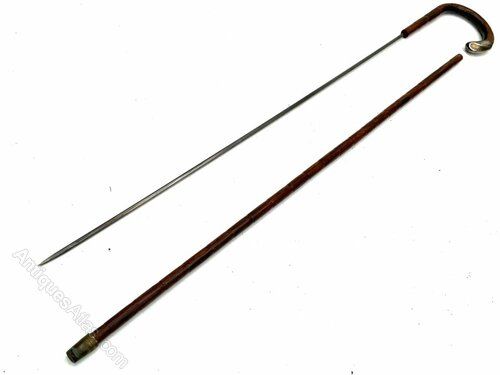
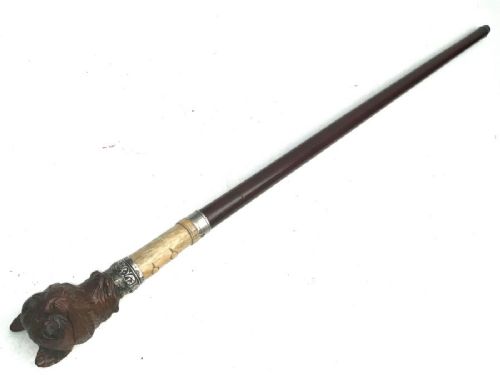
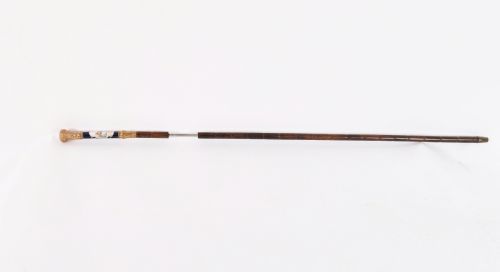


System Walking Stick
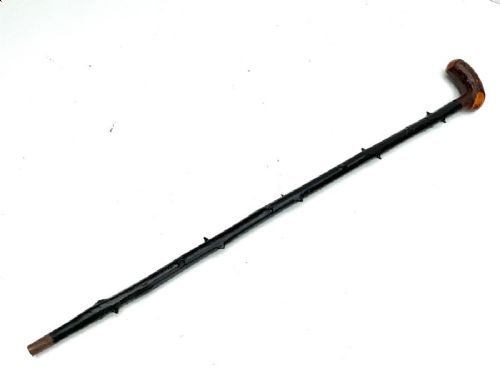
A system walking stick packs a hidden mechanism or tool inside its shaft, offering gentlemen a discreet gadget disguised as everyday support.
Understanding system walking sticks
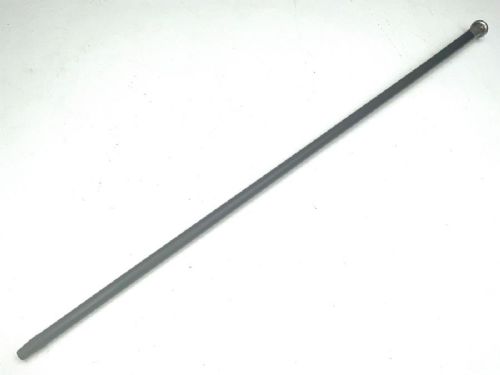
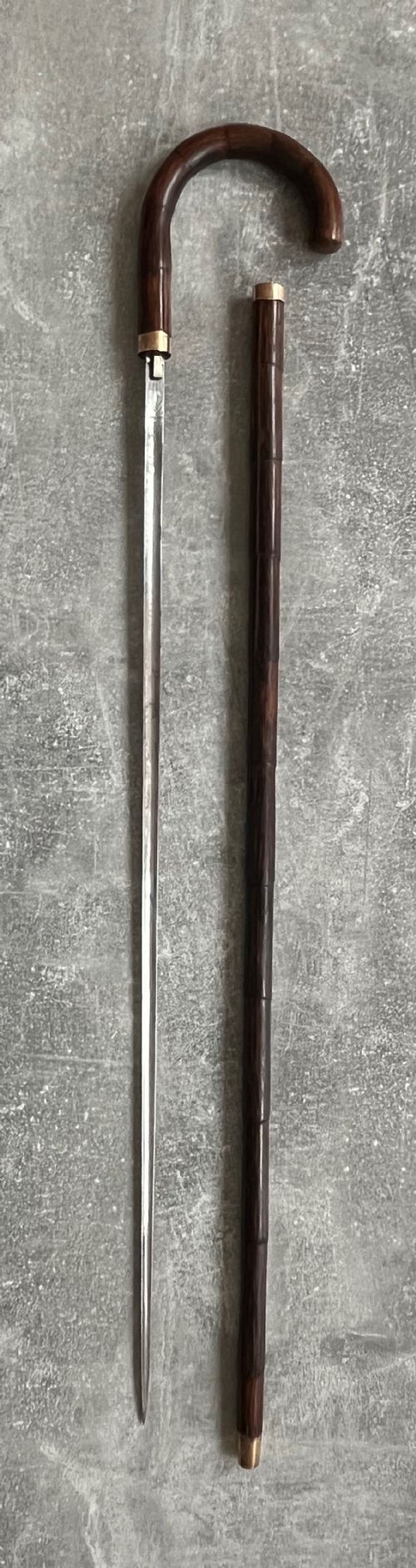
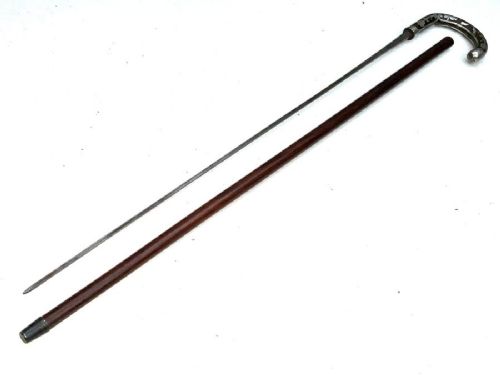
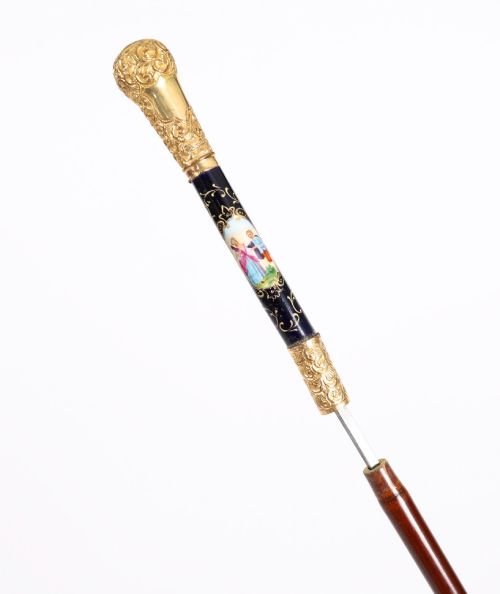
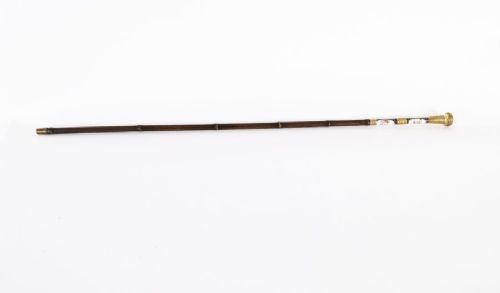
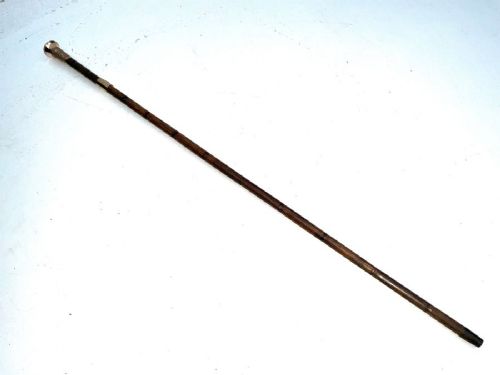
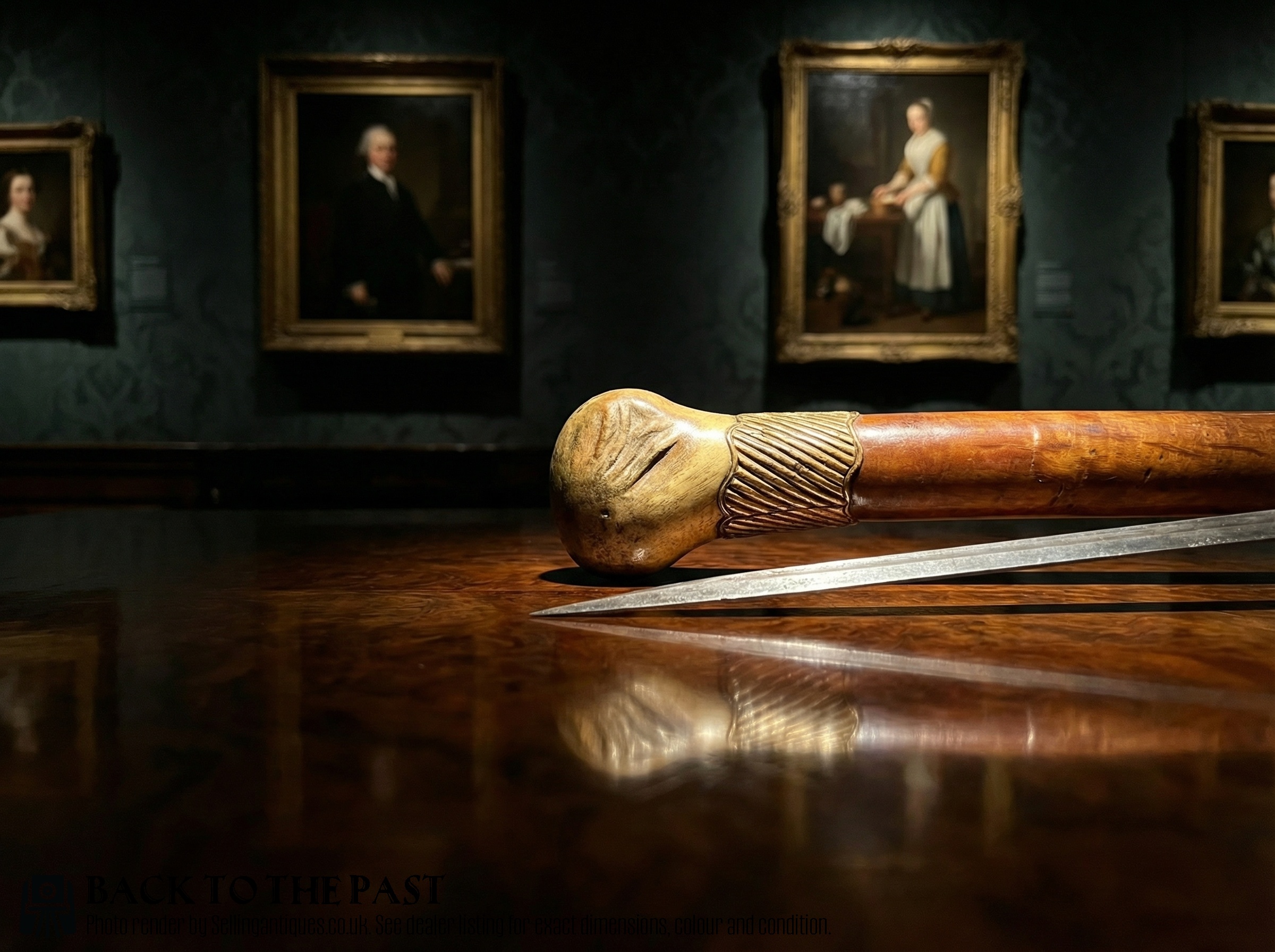
A system walking stick is a specialised cane designed to conceal an extra function or implement within its wooden or metal body. Buyers searching for a system walking stick encounter multi-purpose items that merge gentlemanly fashion with utility.
The selections recorded on this page span the Victorian and Edwardian eras, alongside the wider nineteenth century. Common forms feature concealed blades or integrated timepieces.
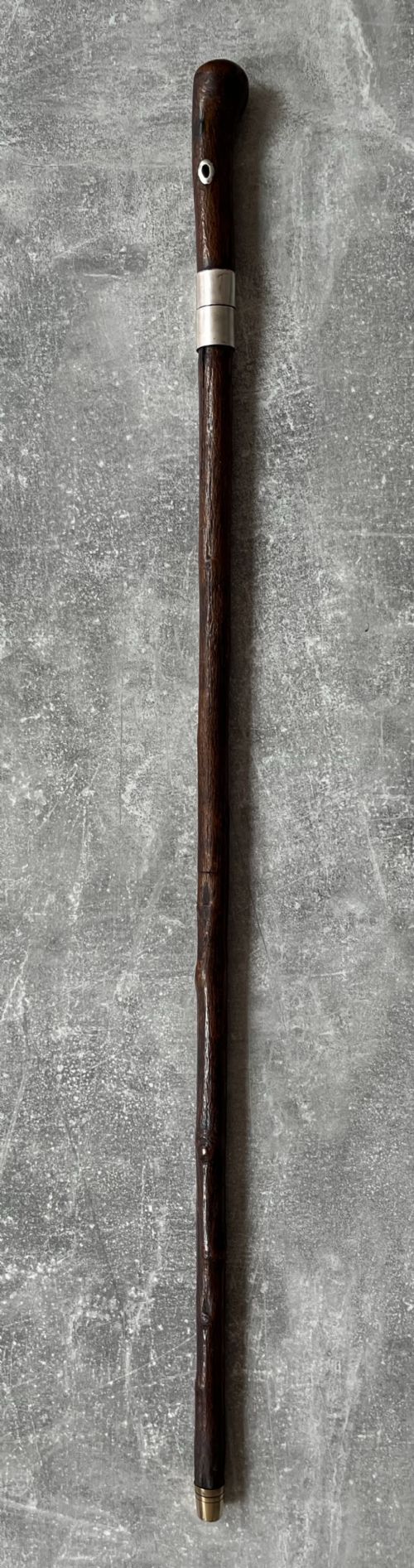
Materials represented in these entries include silver, wood, steel, metal, horn, partridge wood, blackthorn wood, and bone. Traditional British woods like blackthorn and partridge wood provide both natural grain and structural strength.
Materials and construction
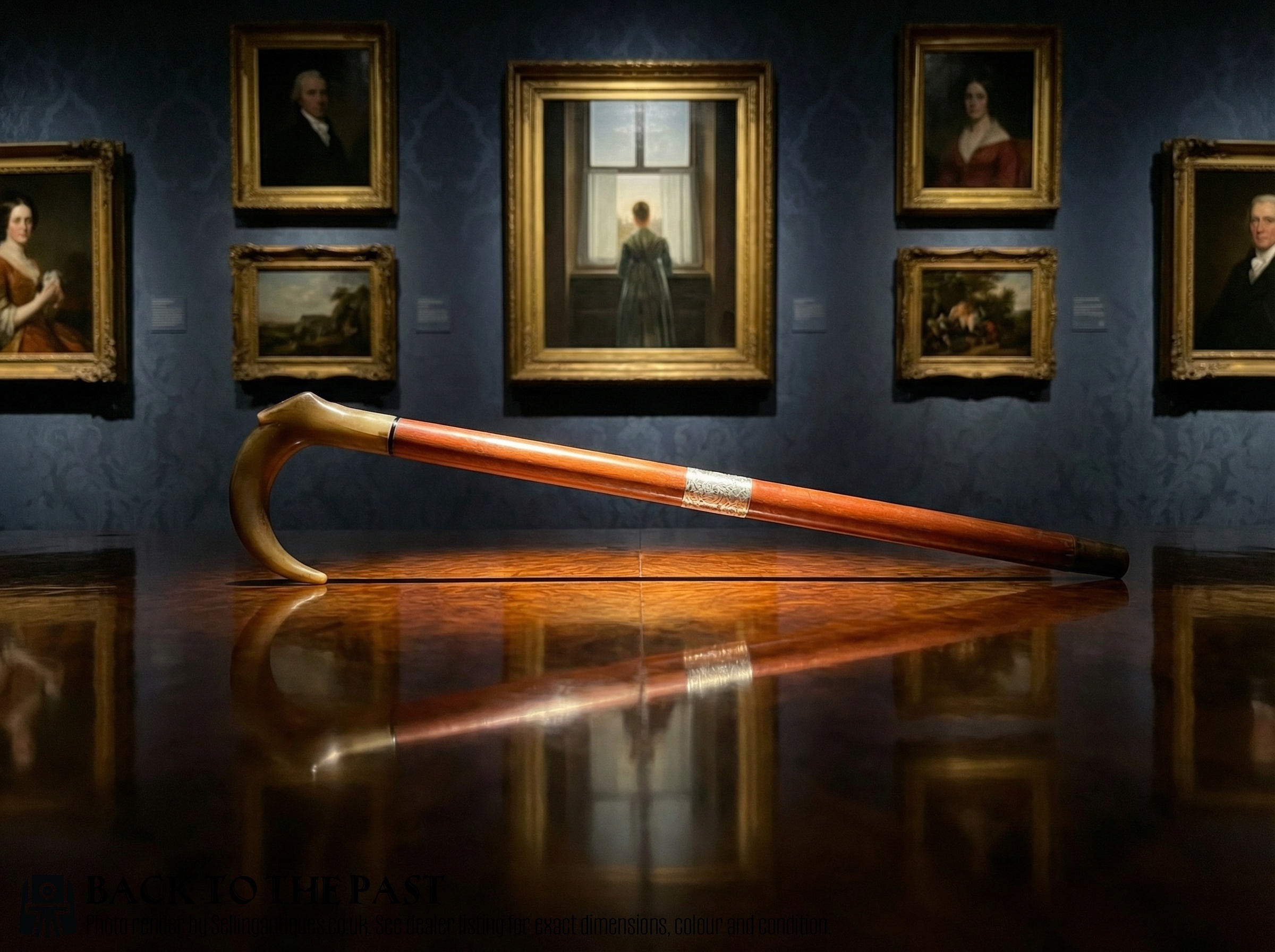
Craftsmen built these walking sticks using robust natural materials such as partridge wood, blackthorn wood, and general timber for the main shaft. Handles and mounts frequently incorporate silver, metal, horn, or bone.
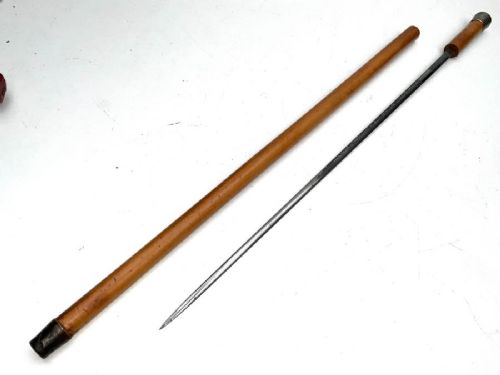
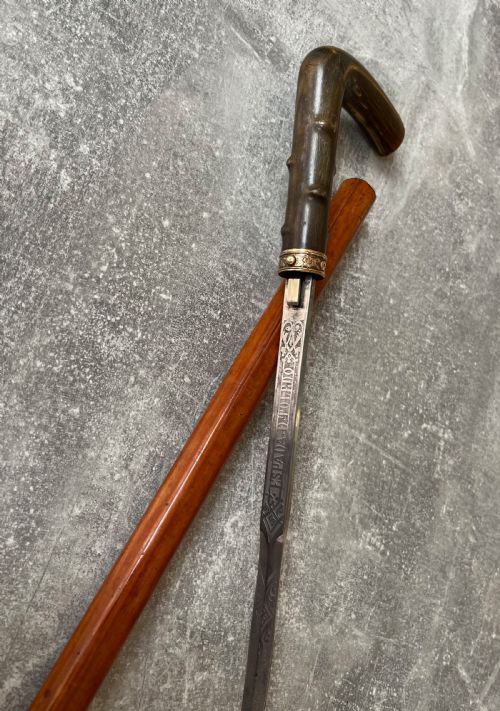
Concealed blades are formed from steel, fitted snugly inside the wooden channel to remain hidden during normal carriage. Metal mechanisms and silver collars require precise metalworking to ensure the hidden components operate smoothly.
Retail Price Guide 2026
Typical UK retail prices for system walking stick, calculated from the Sellingantiques database of over a million retail prices indexed since 2003. This retail price guide relies exclusively on Sellingantiques data; no external sources or auction records are used, so the figures do not describe the wider market.
Factors of quality
Quality rests in the precision of the fit between the internal mechanism and the outer wooden housing. Superior examples feature seamless joins where the handle meets the shaft, concealing the internal compartment entirely.
The choice of materials dictates the standard of the piece, with solid silver mounts, quality steel blades, and figured woods like partridge wood indicating higher tier production compared to simpler metal and standard timber builds.
The System Walking Stick Glossary
- Sword stick
- A walking cane containing a concealed steel blade within the shaft. It is released via a catch or screw mechanism.
- Partridge wood
- A dense tropical timber prized for its distinctive partridge-feather speckled grain pattern. It provides durability for walking aids.
- Blackthorn wood
- A dense British hedgerow wood utilised for rustic walking sticks and shillelaghs. It retains natural knots and a dark bark.
- Silver top
- A decorative or functional handle cap fashioned from solid silver. These mounts often bear hallmarks indicating assay office and date.
Frequently Asked Questions
What is a system walking stick?
A system walking stick is a cane that conceals a secondary function, such as a blade or a watch, inside the shaft or handle. They served gentlemen as both support aids and hidden tools.
These pieces date primarily from the nineteenth, Edwardian, and Victorian periods. They combine traditional woodwork with metal engineering.
How do you reveal the hidden blade?
Concealed blades within sword sticks are typically secured by a friction fit, a twist lock, or a release button near the collar. Pulling the handle separates the blade from the outer wooden scabbard.
Precision engineering ensures the blade remains firmly seated during transit. The mechanism operates smoothly when the components align correctly.
What woods are used for these sticks?
The listings feature timbers such as partridge wood and blackthorn wood alongside general woods. Partridge wood offers a decorative speckled grain while blackthorn provides a rustic appearance.
These woods were chosen for their strength and weight. They form a sturdy outer housing for internal steel blades or mechanisms.
How can I tell the period?
Dating relies on style markers, material choices, and hallmarks stamped on silver mounts. Victorian and Edwardian examples often display distinct craftsmanship trends and assay office marks.
Detailed examination of the metal components and wood finish helps establish the era of manufacture. Nineteenth-century pieces reflect the prevailing tastes of their decade.