


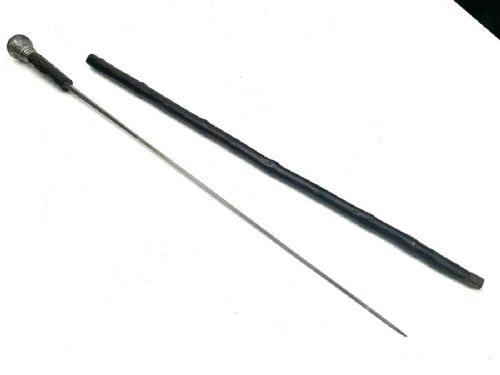


Edwardian Sword Stick
An edwardian sword stick combines everyday walking support with a concealed blade, offering a discreet personal defence option favoured by gentlemen of the period.
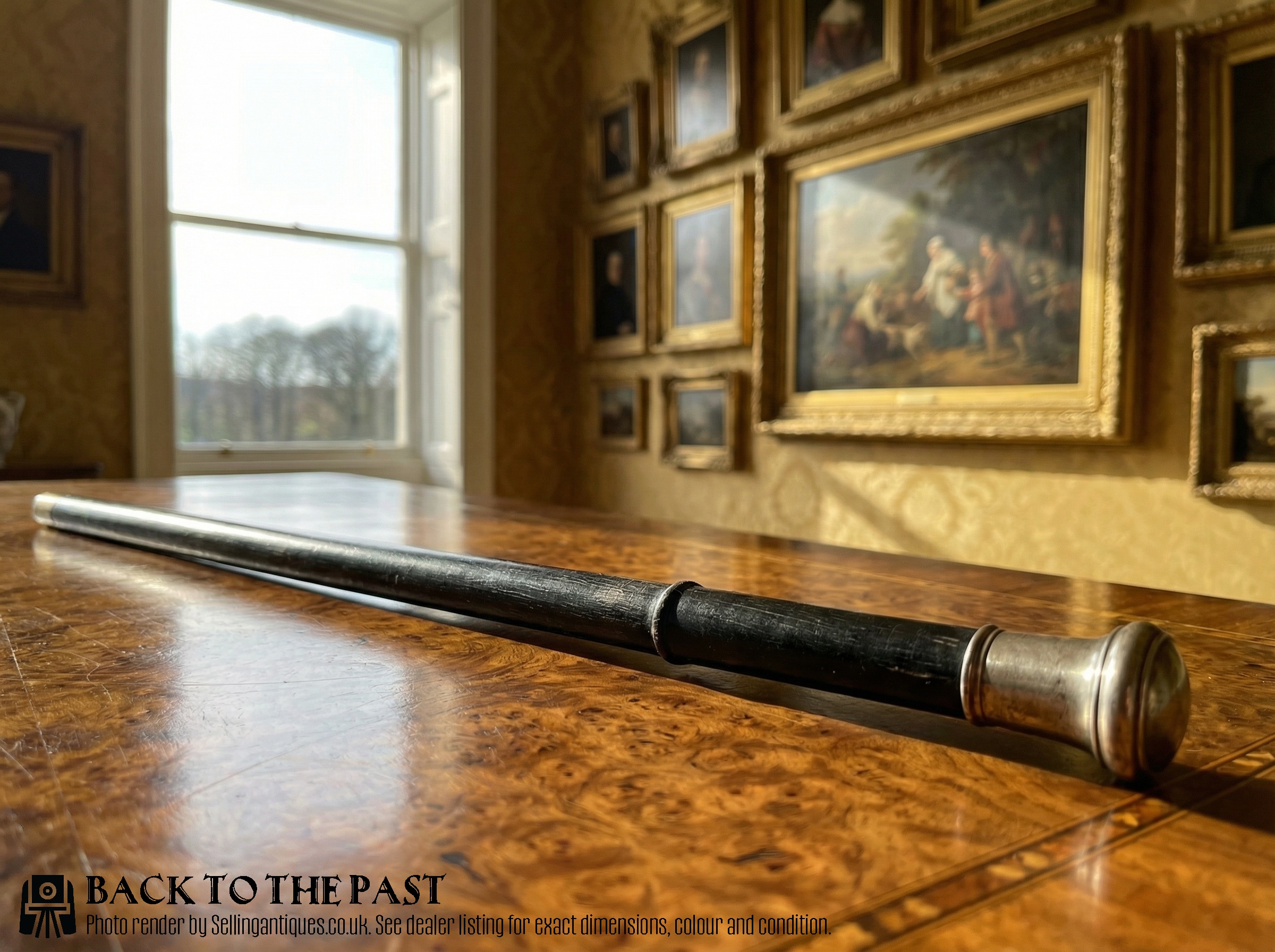
Edwardian Sword Stick
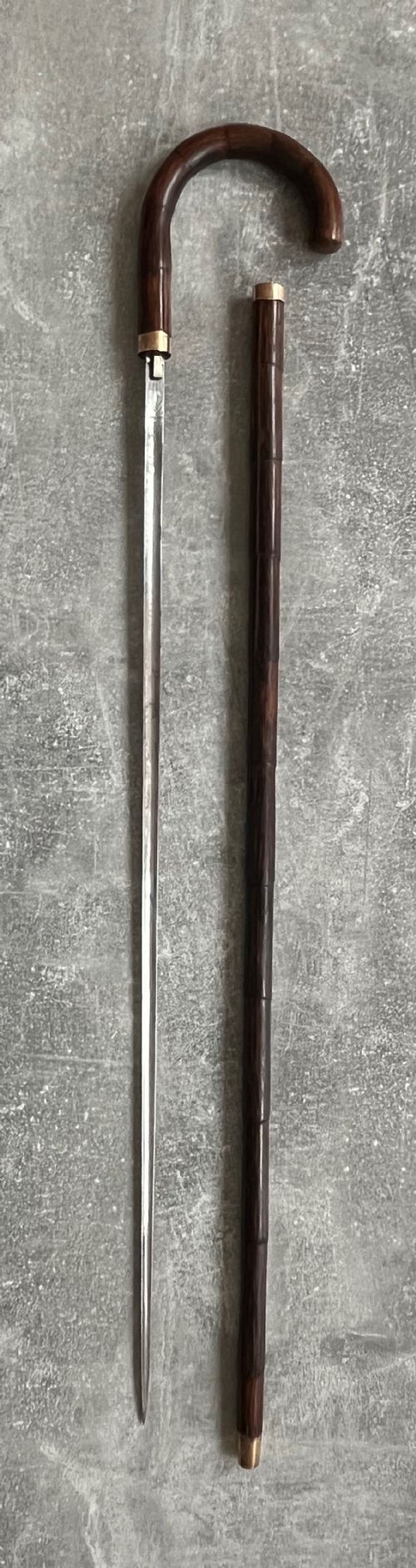
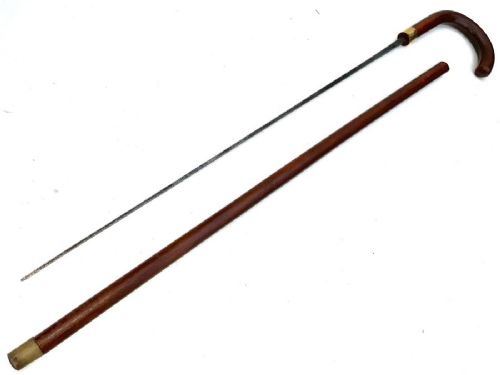
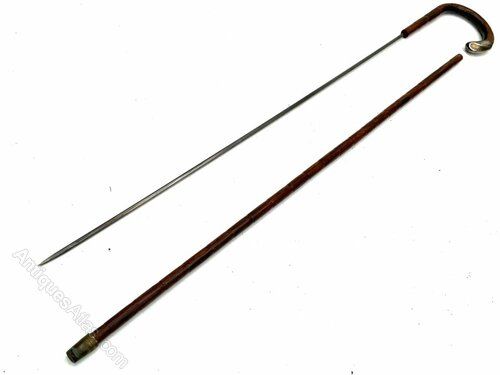
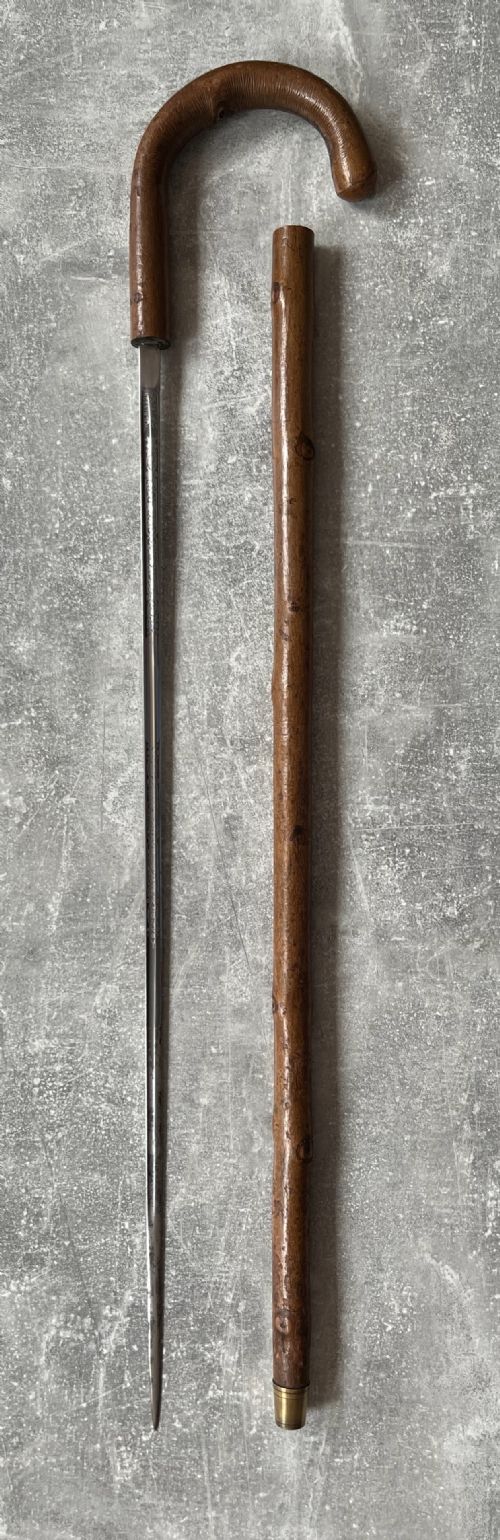
An edwardian sword stick functions primarily as a walking aid while housing a hidden steel blade within the shaft. When searching this phrase, buyers encounter various configurations spanning the late nineteenth century through to the early twentieth century.
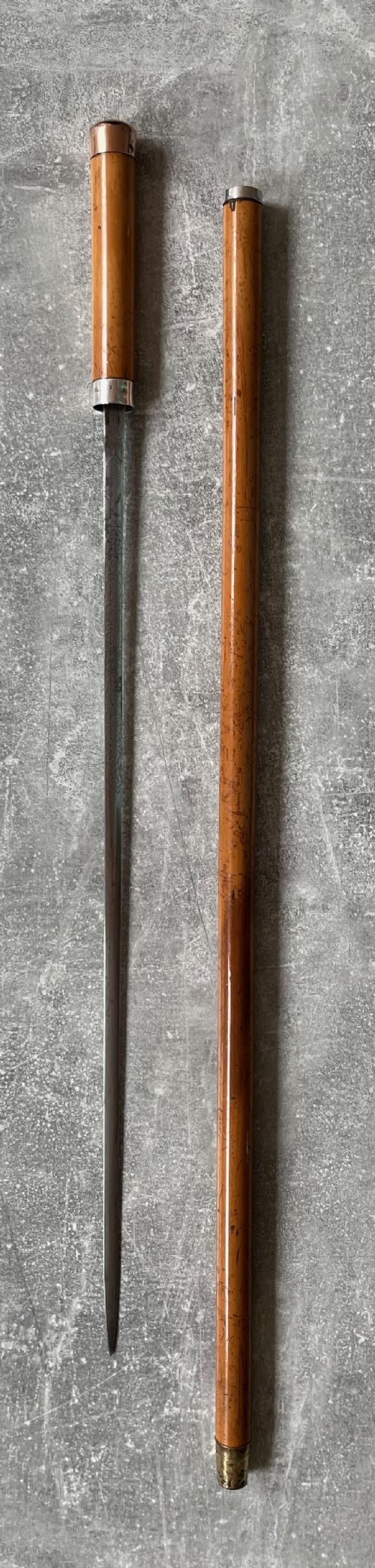
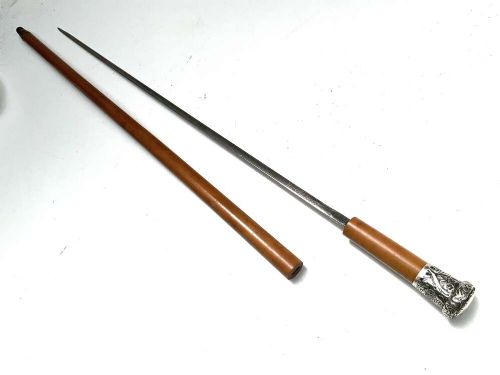
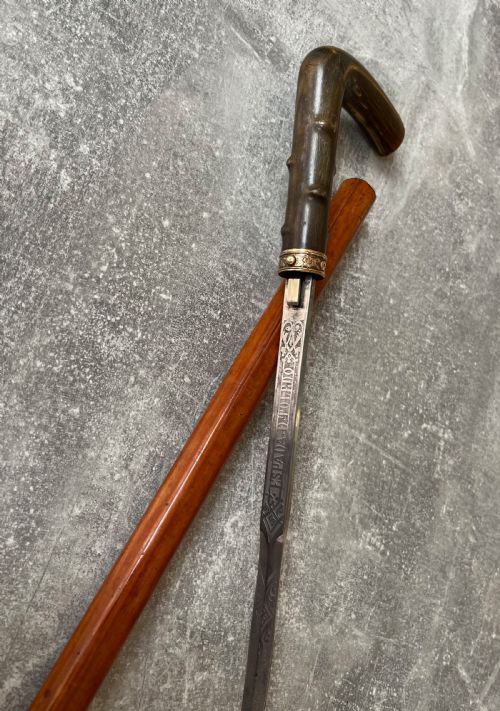
The most common examples on this page utilise materials such as malacca cane, bamboo, and assorted hardwoods paired with steel blades. Formats range from simple crook handles to elaborate silver mounts and carved animal horns.

Materials and Construction
Makers constructed these pieces using natural shafts of malacca, bamboo, partridge wood, or hazel fitted with internal metal scabbards to secure the blade. Handles were fashioned from horn, silver, bone, or root wood and attached securely to the main cane.
Blades were forged from steel, frequently featuring etched details or Toledo origins, and released via button mechanisms or simple pull closures. Silver collars and mounts were often added in London workshops to reinforce the handle join.
Edwardian Sword Stick Retail Price Guide 2026
Typical asking prices for edwardian sword stick among the pieces listed under this phrase on Sellingantiques today, from the lower quarter to the upper quarter. They describe what is for sale here now, not the wider market.
Recorded periods span the Victorian era, the Edwardian years, and extend into the early twentieth century up to nineteen thirty.
Assessing Craftsmanship
Quality in an edwardian sword stick rests upon the rigidity of the shaft construction and the integrity of the locking mechanism. Superior items maintain a straight alignment when assembled, concealing the blade seam entirely.
The provenance of the blade and the material of the handle dictate the upper tier of the range. Maker-marked steel, such as Wilkinson blades, combined with solid silver mounts or carved horn handles separates standard utility pieces from finer examples.

Wilkinson
The Edwardian Sword Stick Glossary
- Malacca cane
- A strong, flexible rattan stem characterised by dark brownish markings and used widely for premium walking sticks. It provides a lightweight yet durable housing for internal blades.
- Swagger stick
- A short cane carried by military officers as a symbol of authority rather than for physical support. These occasionally housed concealed blades.
- Toledo blade
- A steel blade produced in a Spanish city renowned historically for swordsmithing. Such blades indicate high manufacturing standards.
- Collar
- A metal band, often silver, fitted around the upper shaft where the handle meets the cane. It provides structural reinforcement and space for hallmarks.
Edwardian Sword Stick: Frequently Asked Questions
How do you release the blade?
Most pieces utilise a small button release mechanism set near the collar to unlock the blade from the scabbard.
Others rely on a friction fit or screw mechanism that requires a gentle pull or twist to separate the handle from the shaft.
Were these used for self defence?
Gentlemen carried these items during the Victorian and Edwardian eras for personal protection while navigating poorly lit city streets.
The concealed blade provided a reassuring layer of security during a period when urban personal safety was less assured.
How do you date a piece?
Dating relies heavily on hallmarks found on silver collars and mounts, which indicate assay offices and specific years of manufacture.
Stylistic markers, such as specific handle carvings and wood types typical of the Edwardian era, also assist in establishing chronology.
What woods were commonly used?
Craftsmen utilised resilient timbers including partridge wood, hazel, chestnut, and ebonised hardwoods alongside imported canes like malacca and bamboo.
Each wood offered distinct weight and flexibility characteristics suited to daily walking use.