


Malacca Sword Stick
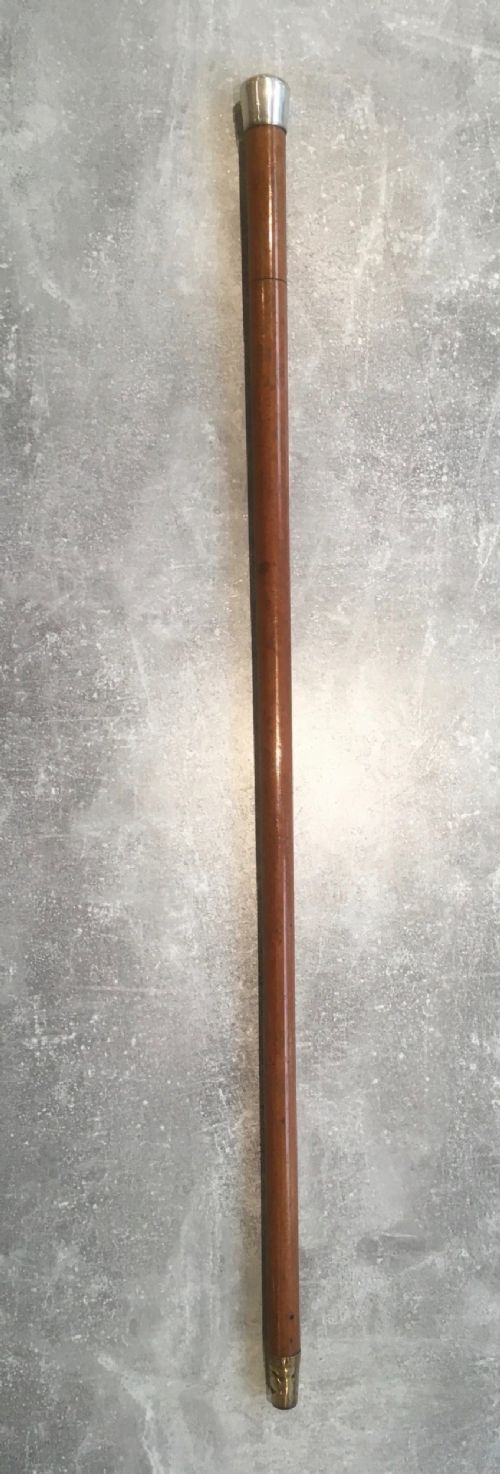
A malacca sword stick is a discreet gentleman's defence weapon concealed within a natural cane, combining elegance with practical utility for the Victorian walker.
Malacca Sword Stick
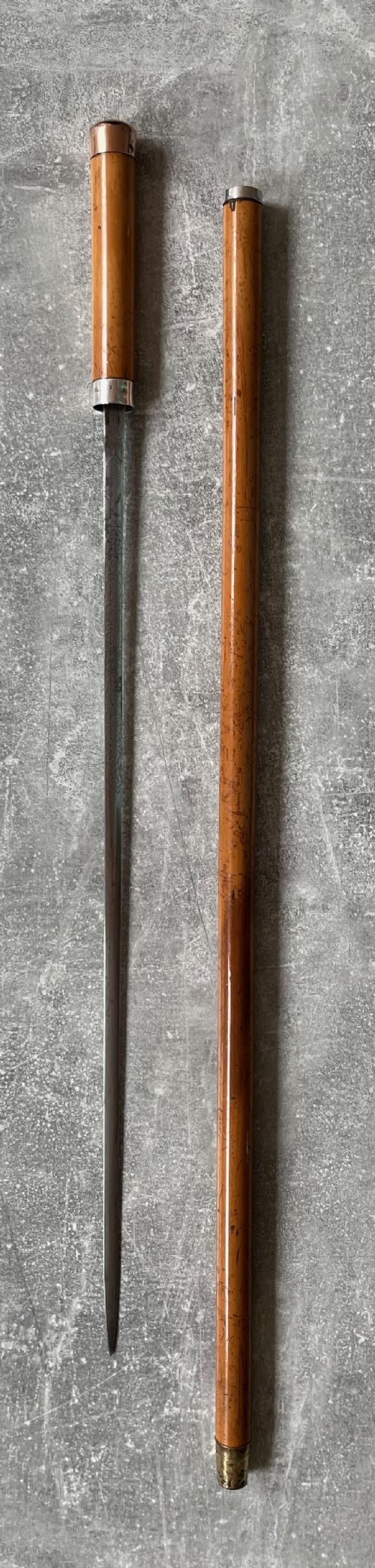
When searching for a malacca sword stick, collectors look for disguised blades housed inside natural cane shafts. These pieces originate predominantly from the nineteenth and early twentieth centuries, spanning the Victorian and Edwardian eras.
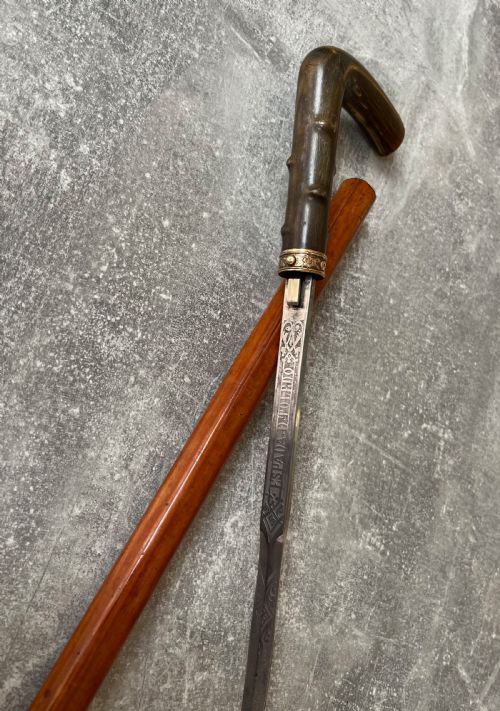
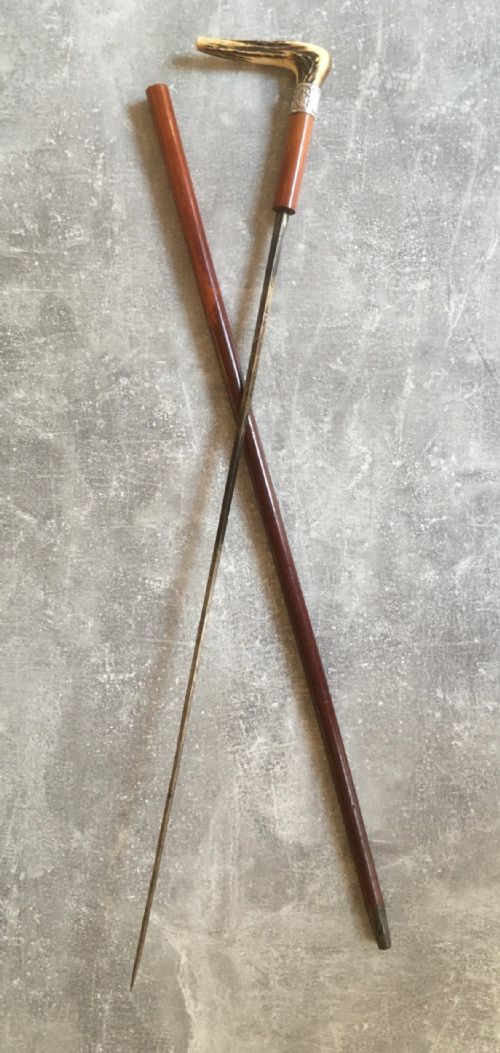
The most common examples encountered on this page feature straight shafts of brownish cane paired with steel blades and various handle configurations. Makers fitted these canes with silver collars, horn tops, or metal releases to secure the concealed blade.
How they were made
Craftsmen utilised natural malacca cane for the exterior shaft, shaping the hollow body to snugly house a steel blade. Handles fashioned from horn, bone, antler, or wood were attached to the upper section.
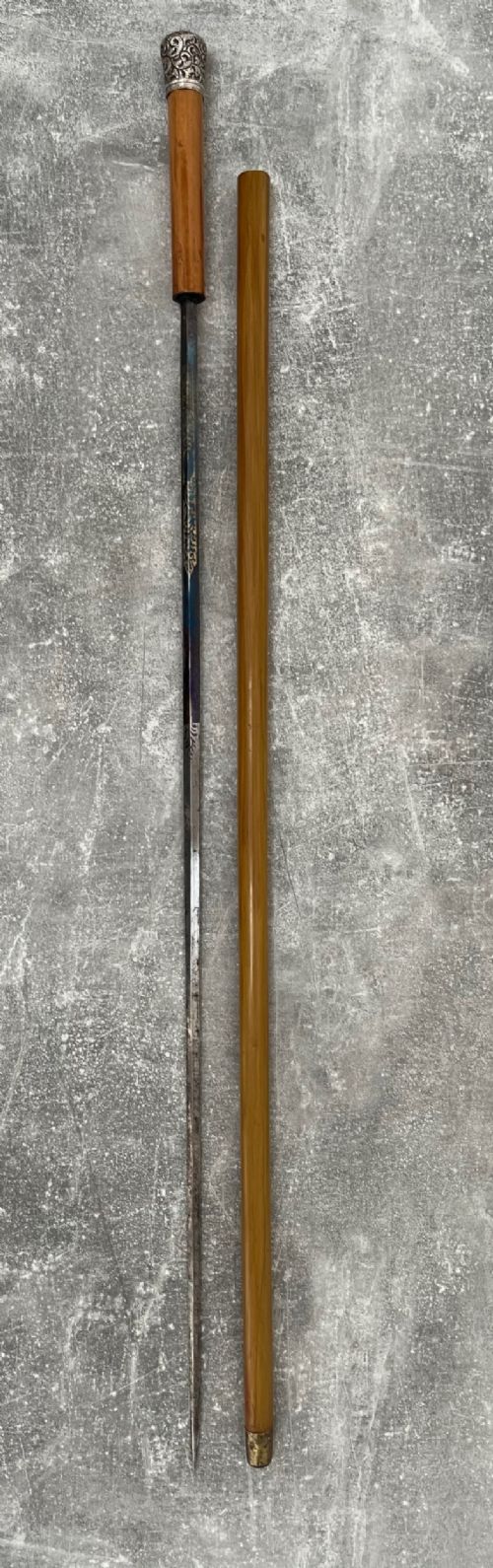
Metalwork played a structural and decorative role, with silver, brass, and gold mounts reinforcing collars and pommels. Blades were often forged in Toledo or by Wilkinson, occasionally featuring etching, fullering, or blued and gilded finishes.
At least one historical maker hid a Masonic symbol inside the cane.
What varies in quality
Quality rests upon the provenance and execution of the internal blade and mounts, distinguishing standard utilitarian pieces from workshop masterworks. Superior examples feature named blades from renowned makers like Wilkinson or Toledo alongside hallmarked silver work.
The choice of handle material and release mechanism also defines the grade of the cane. Fine specimens incorporate carved bone, intricate repoussé silver knops, or sophisticated spring mechanisms with quillons rather than basic push buttons.
Wilkinson
The Malacca Sword Stick Glossary
- Malacca cane
- A durable plant stem imported from Southeast Asia, prized for its mottled brown finish and distinctive nodes used to form walking sticks.
- Toledo blade
- A steel blade forged in the Spanish city of Toledo, historically celebrated for its exceptional flexibility and temper.
- Quillons
- Guard arms curving outward from the crossguard of a sword, which occasionally fold out from the mechanism of more elaborate walking sticks.
- Knop
- A rounded knob or ornamental handle fitted to the top of a walking stick for grip.
- Fuller
- A longitudinal groove or channel run down the flat face of a blade to reduce weight without compromising structural rigidity.
Malacca Sword Stick: Frequently Asked Questions
How do you release the blade?
Most malacca sword sticks operate using a simple button release or a secure screw mechanism hidden beneath the handle mount. Pressing the button disengages the internal catch, allowing the blade to slide smoothly out of the cane shaft.
More complex examples utilise sprung quillons or specific twist locks that require precise manipulation to draw the steel safely. The fit is typically flush to prevent accidental deployment during normal walking use.
What are the handles made from?
Handles vary widely depending on the original owner's taste and budget, utilising natural materials such as horn, antler, bone, and dense hardwoods like lignum vitae. Many also feature metal embellishments including silver collars and engraved gold or brass tops.
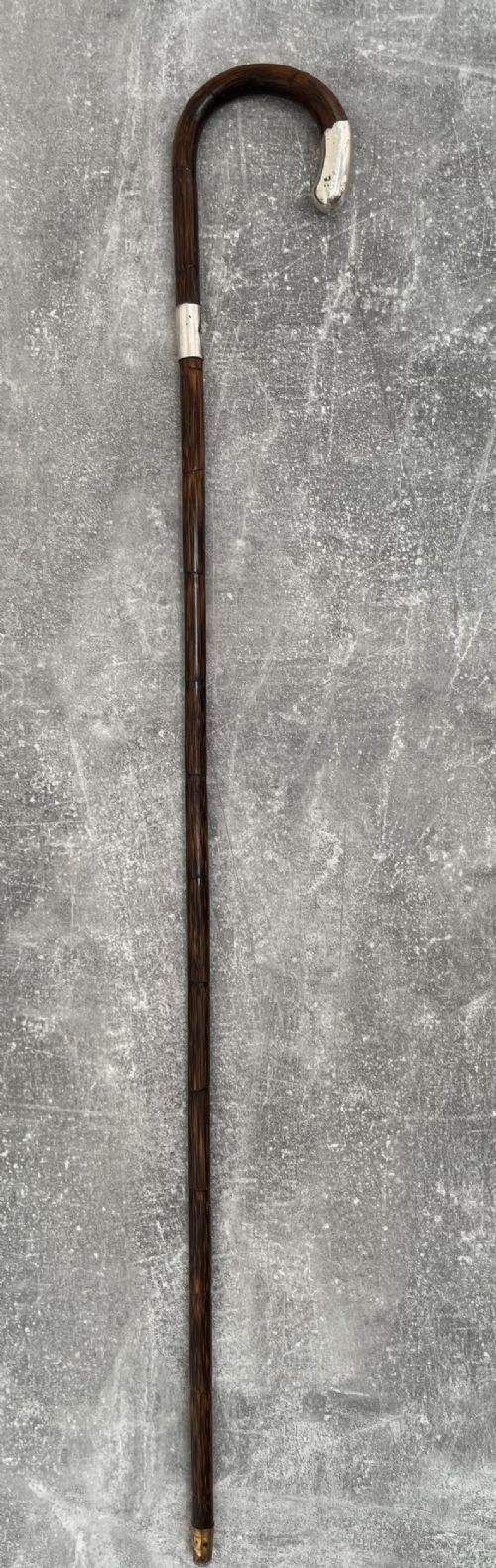
Carved details and porcelain inserts appear on select pieces, while standard crook handles are bent directly from the top of the malacca cane itself.
How do I date a sword stick?
Dating relies heavily on style indicators, hallmarks, and blade signatures associated with the Victorian and Edwardian periods. Silver mounts frequently carry city assay marks and date letters that pinpoint the exact year of manufacture.
Stylistic shifts from mid-nineteenth-century fullered blades to later etched Toledo steel and specific handle trends help narrow down the production decade when hallmarks are absent.
Were these used for self defence?
Gentlemen during the nineteenth century carried these items primarily for personal protection while walking through poorly lit or urban streets. The concealed blade offered a discreet means of defence during an era when personal security was a common concern.
Beyond practical utility, they also served as fashionable accessories that signalled social standing and refined taste through decorative silver mounts and exotic materials.