


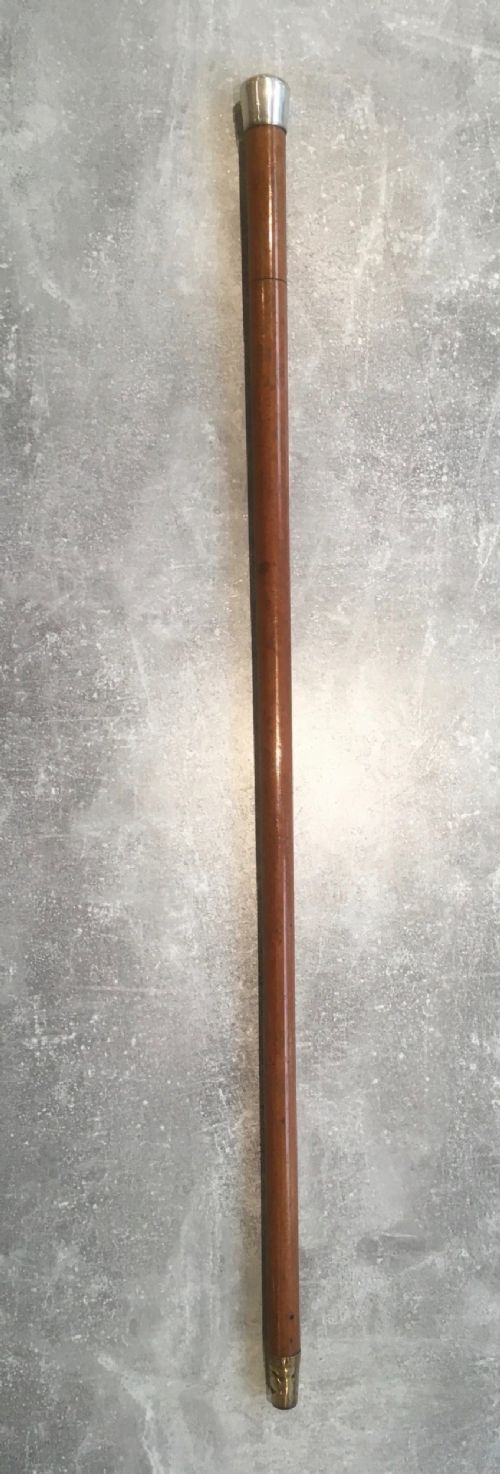
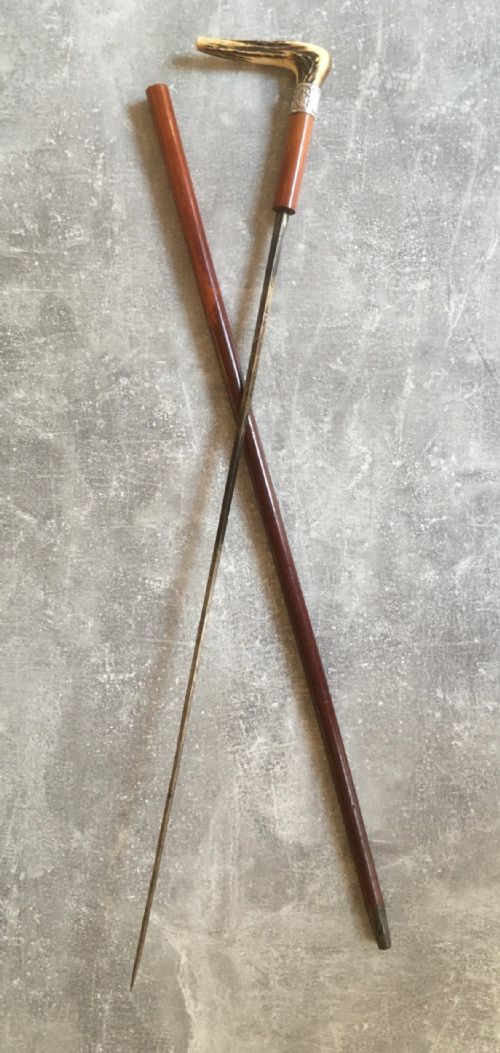
Malacca Sword Cane
A malacca sword cane combines a distinctive natural shaft with a concealed blade, offering a discreet historical accessory.
Malacca Sword Cane
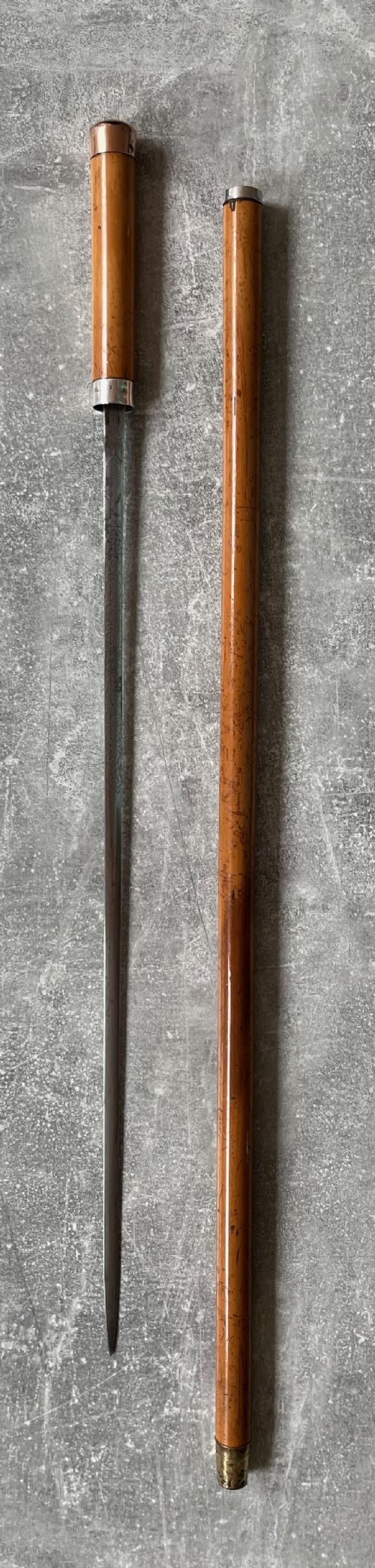
When you search for a malacca sword cane, you are examining a sophisticated form of walking stick that houses a hidden steel blade within its natural cane shaft.
The versions you are most likely to meet on this page span the Victorian and Edwardian eras, running from the late nineteenth century into the early twentieth century.
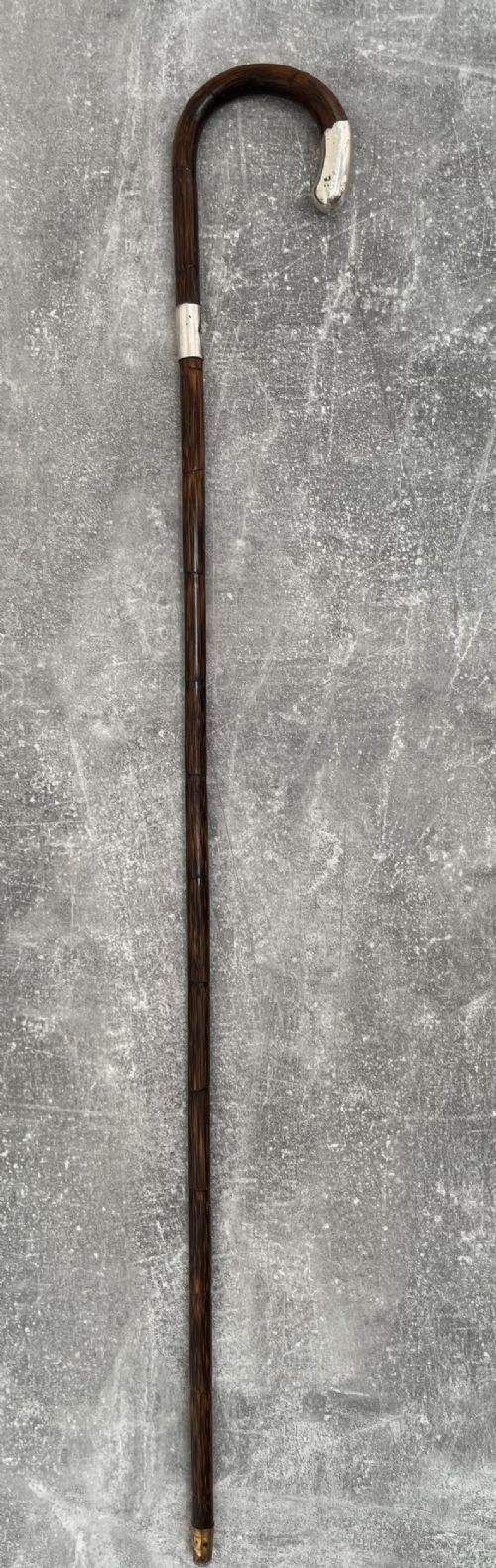
These pieces appear in various handle configurations, including crook handles, plain silver tops, and carved horn or bone knops, alongside occasional brass mounts and animal head designs.
How they were made
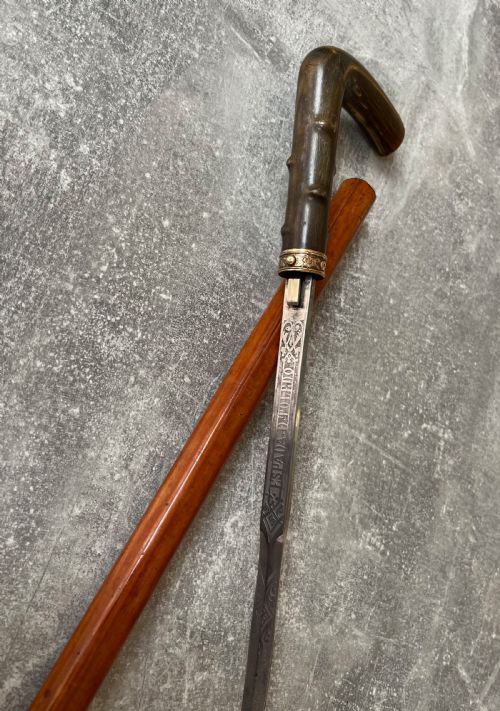
The construction relies on natural malacca cane, prized for its distinctive mottled finish and flexibility, paired with internal steel blades such as etched Toledo steel or Wilkinson types.
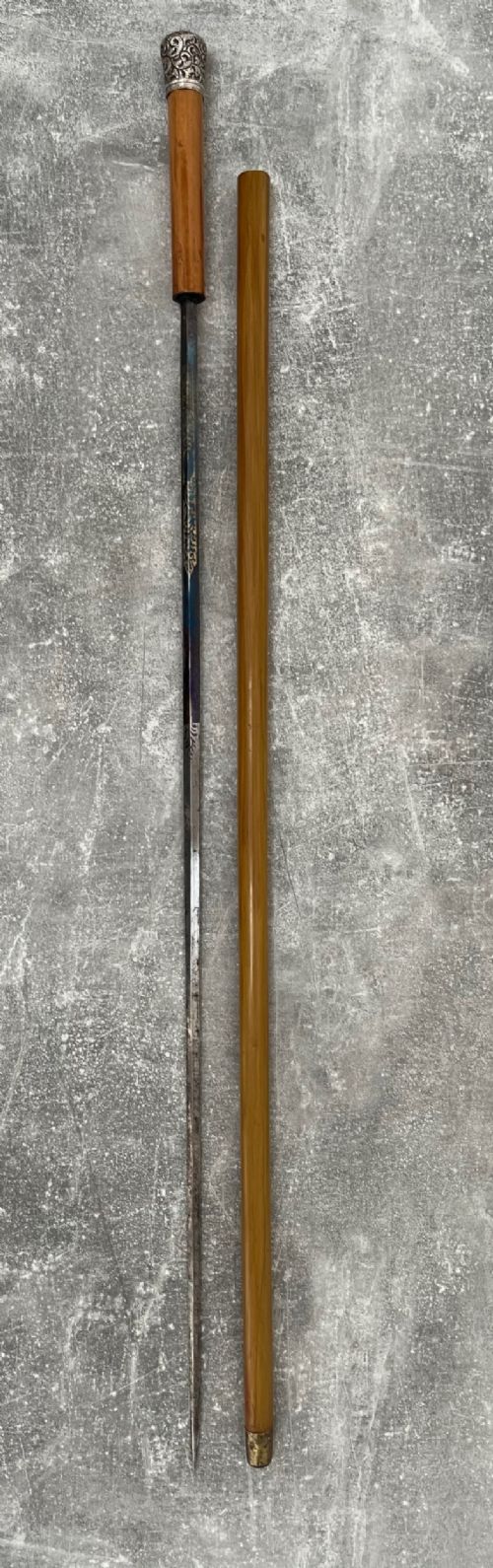
Craftsmen fitted these shafts with mounts, collars, and knops fashioned from silver, gold, brass, horn, bone, and antler, often securing the blade with a simple button release mechanism.
One unexpected piece hides a ceremonial masonic sword inside its silver-bound malacca cane.
What varies in quality
The distinction between a standard piece and a finer example rests in the origin and finish of the blade, with signed steel like Wilkinson or Toledo marking superior manufacture.
Quality also shows in the metalwork of the collars and repousse silver mounts, as well as the choice of handle material, ranging from carved antler and horn to substantial precious metal caps.
Wilkinson Blade
The Malacca Sword Cane Glossary
- Malacca
- A type of rattan cane featuring characteristic brown skin and nodes, imported through Southeast Asia and used for walking sticks. It provides a lightweight yet resilient shaft.
- Toledo blade
- A steel blade produced in Toledo, Spain, renowned historically for its flexibility and tempering. These blades are frequently found etched in nineteenth-century walking sticks.
- Repousse
- A metalworking technique where the silver or gold mount is hammered from the reverse side to form a raised design. This decorative method appears on many Edwardian stick handles.
Malacca Sword Cane: Frequently Asked Questions
How do I release the hidden blade?
Most pieces utilise a concealed button release mechanism near the collar. Pressing this catch allows the blade to slide smoothly out of the malacca shaft.
Older examples may rely on a simple friction fit rather than a mechanical button.
Were these canes used for self-defence?
Gentlemen in the Victorian and Edwardian periods carried these items for personal protection during urban walks. The concealed steel blade offered a discreet means of security.
They also functioned as standard walking aids and fashionable accessories for daily promenades.
How do I date a malacca sword cane?
Dating relies on hallmarks stamped on silver mounts, stylistic clues in the handle carving, and the overall manufacturing period. Victorian and Edwardian pieces show distinct shifts in decorative preference.
Assay office marks and date letters on silver collars provide precise years of manufacture.
What materials make up the handles?
Handles vary widely across the inventory, featuring sterling silver, repousse work, brass animal heads, and natural materials like horn, bone, and antler. Crook handles curved from the malacca itself are also common.
Precious metals like gold appear on select high-end nineteenth-century examples.