





Steel Blade Sword Cane
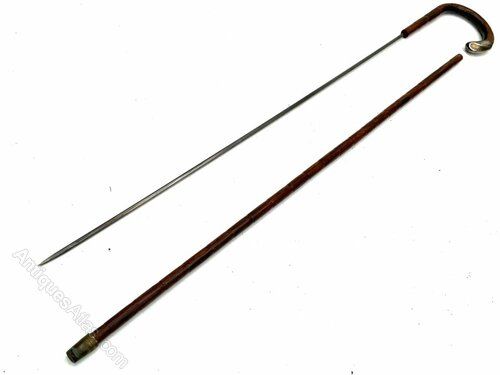
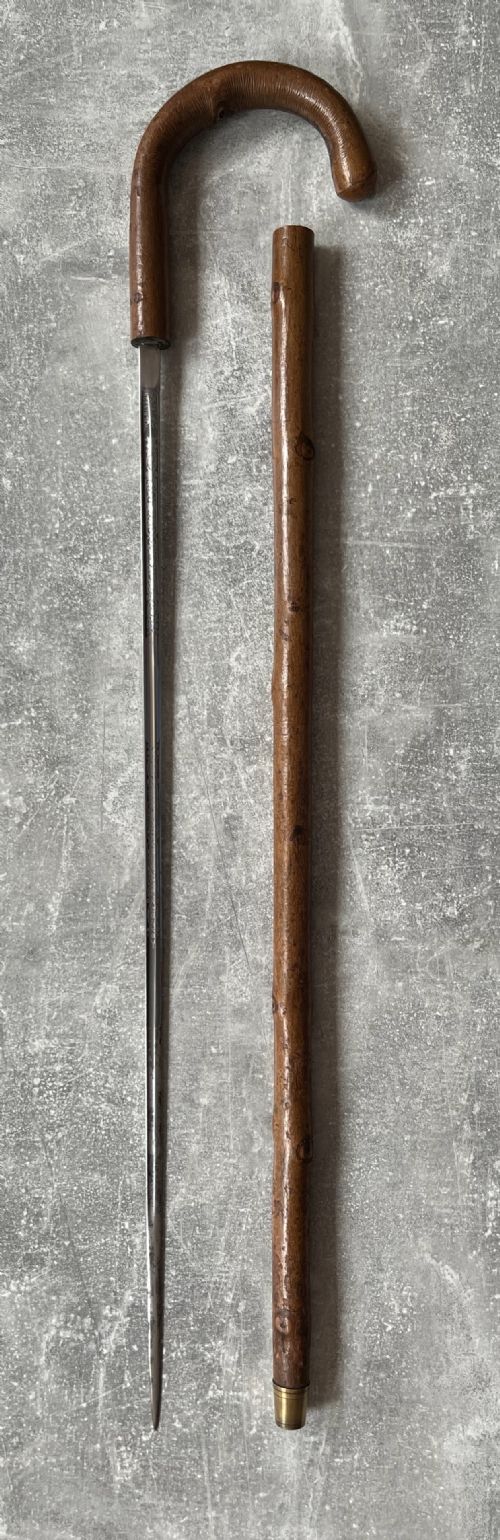
These steel blade sword cane pieces disguise a sharp concealed weapon inside an everyday walking stick, combining personal defence with gentlemanly fashion.
Steel Blade Sword Cane
A steel blade sword cane is a disguised personal accessory that pairs a functional walking stick with a concealed metal blade. Buyers searching for this phrase encounter examples originating from the nineteenth century through the early twentieth century, spanning the Victorian and Edwardian eras.
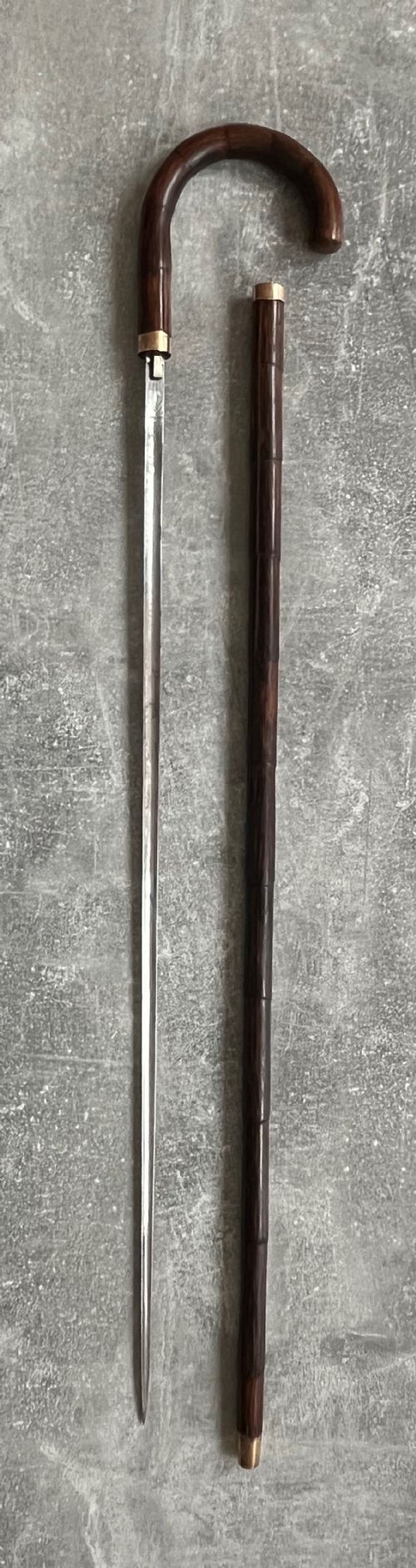
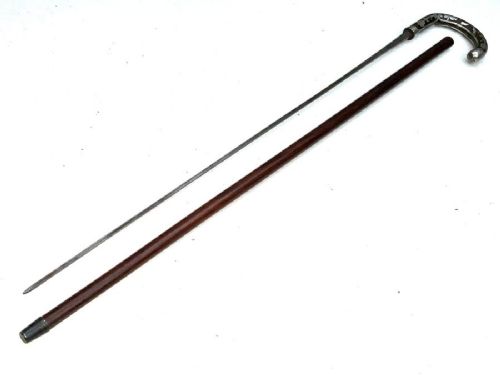
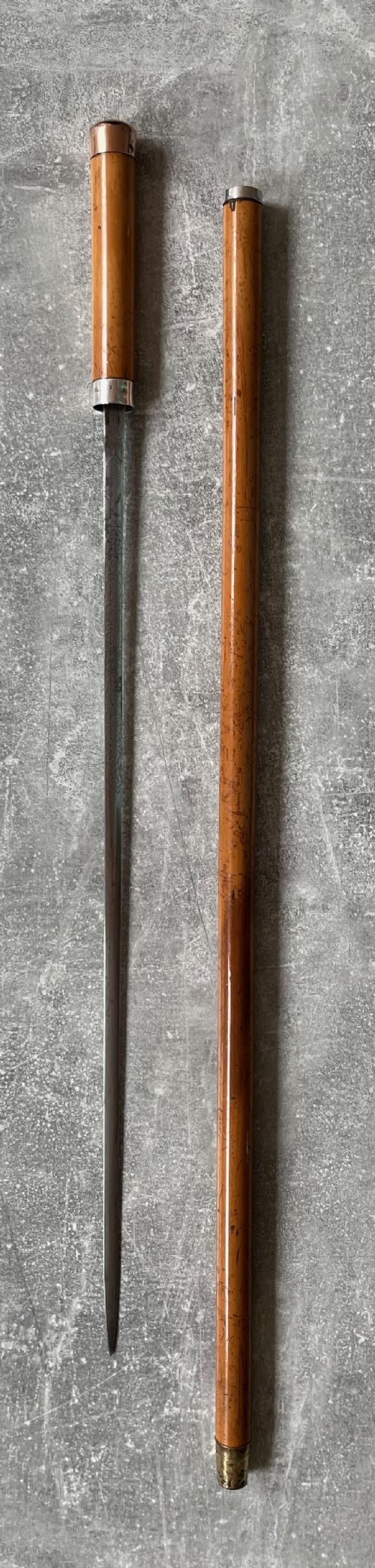
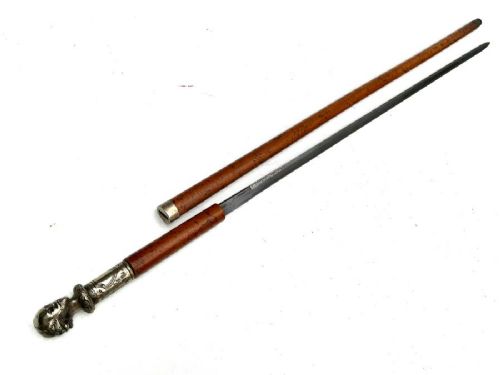
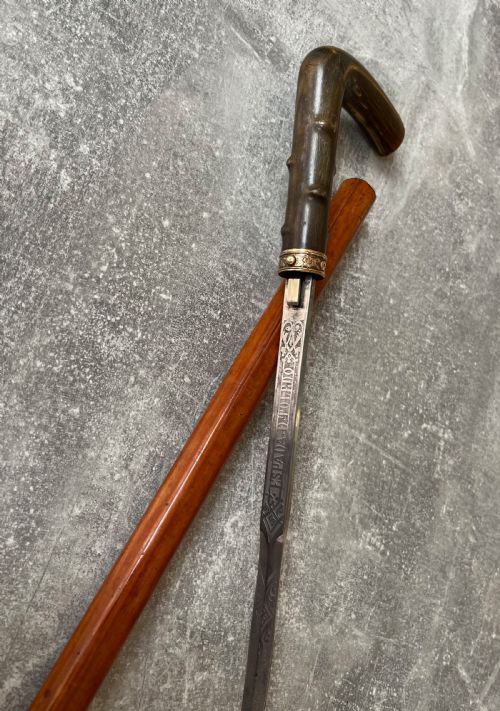
The most common versions on this page utilise traditional shaft materials such as malacca, partridge wood, cherrywood, hazel wood, and bamboo, frequently topped with handles formed from horn, bone, or wood. Many incorporate silver collars or mounts, while others display military origins or fraternal connections such as masonic designs.
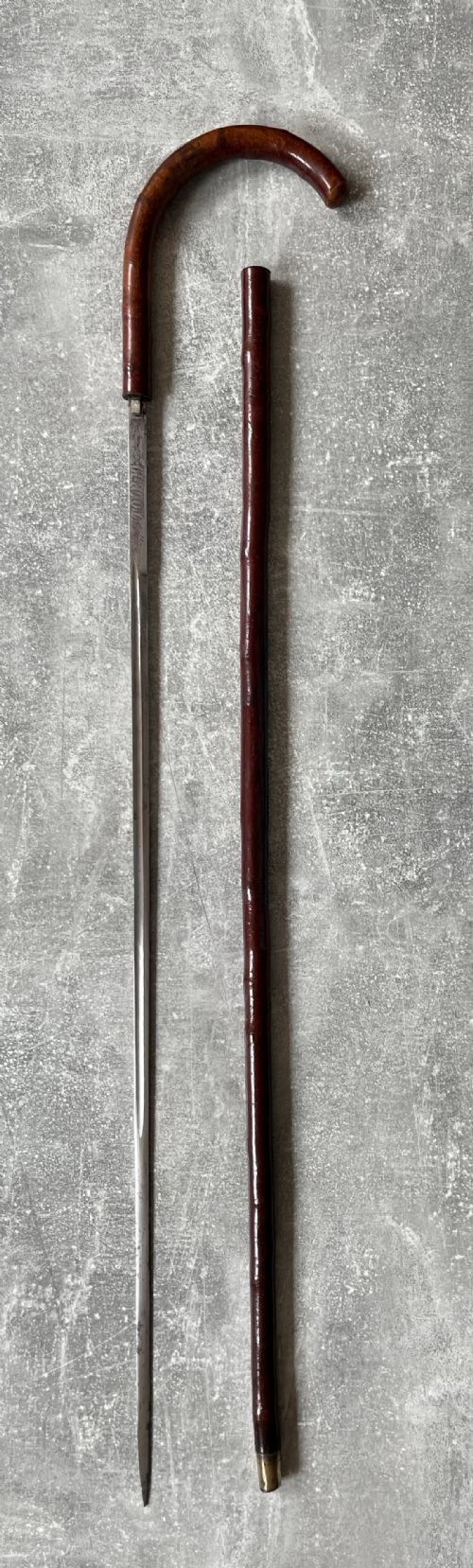
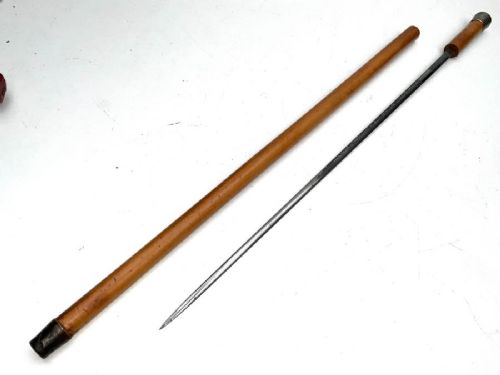
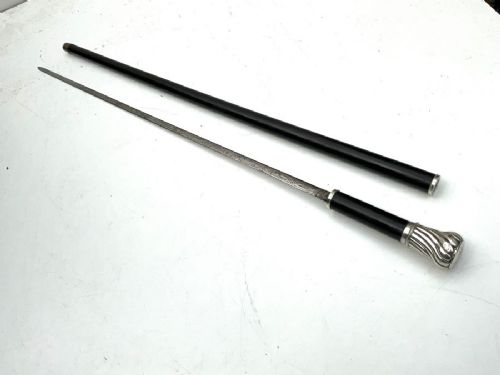
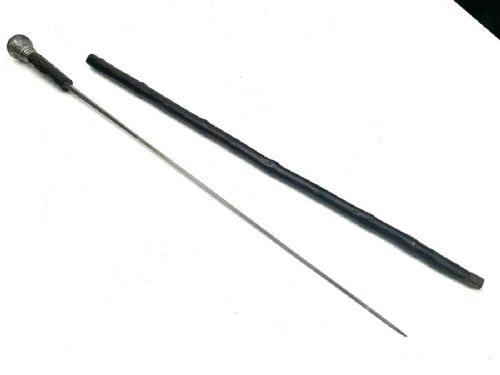
These items served both as everyday mobility aids and as discreet implements for self-protection in urban environments. The construction typically relies on a button release or friction fit to secure the blade safely within the wooden or leather-covered outer shell until required.
How they were made
Makers fashioned the outer shafts from flexible timbers such as malacca, bamboo, and partridge wood, or shaped them from hardwoods like cherry and hazel. These shafts were hollowed out with precision to house the concealed metal blade snugly without rattling during normal use as a walking stick.
The interior blades were forged from hardened steel, often sourced from renowned centres like Toledo or produced by established makers such as Wilkinson, featuring flat, triangular, or etched profiles. Metal collars in brass and silver reinforced the collar and throat of the cane where the handle met the shaft.
Listings span the nineteenth and early twentieth centuries, recording shafts of malacca, bamboo, and partridge wood fitted with steel blades.
What varies in quality
Quality rests significantly on the provenance and reputation of the blade maker, with signed Wilkinson or Toledo blades sitting at the apex of manufacture. The grade of the timber and the rigidity of the fit between shaft and scabbard further distinguish utilitarian items from finer gentlemanly commissions.
Mounts and hardware also dictate the tier of the piece, moving from plain wooden grips to elaborately carved horn, bone, or root handles paired with hallmarked silver collars. The precision of the release mechanism ensures a smooth deployment and a secure lock when closed.
BRIGG·Wilkinson
The Steel Blade Sword Cane Glossary
- Malacca
- A sturdy, mottled rattan cane imported from Southeast Asia and prized for nineteenth-century walking sticks. It provides a lightweight yet resilient shaft.
- Toledo blade
- A steel blade produced in the Spanish city renowned for historic sword-making traditions. These blades often feature specific etchings and superior temper.
- Collar
- A decorative or reinforcing metal band fitted around the upper throat of the cane. They frequently carry silver hallmarks or owner initials.
- Partridge wood
- A dense, attractively patterned tropical timber utilised for walking stick shafts. It offers weight and durability for daily carrying.
- Button release
- A mechanical catch set into the collar or upper shaft that secures the blade inside the cane. Pressing it allows the sword to be drawn smoothly.
Steel Blade Sword Cane: Frequently Asked Questions
How do you release the blade?
Most examples utilise a discreet button release mechanism set into the collar or upper handle. Pressing this catch dislodges the internal latch, allowing the owner to draw the blade smoothly from the wooden scabbard.
Other variations rely on a secure friction fit, requiring a firm pull to separate the handle section from the main body of the cane.
How do you date a sword cane?
Dating relies on examining the materials, hallmarks on silver collars, and the style of the handle and blade. Pieces from the Victorian and Edwardian periods frequently display distinct timber choices and maker signatures.
Silver mounts often bear assay office stamps and date letters that pinpoint the exact year of manufacture in London or other cities.
What woods were used for shafts?
Makers favoured flexible and resilient natural materials such as malacca, bamboo, partridge wood, cherrywood, and hazel. These timbers absorbed the shock of walking while providing sufficient thickness to conceal a steel blade.
Some examples also feature leather-covered wooden cores or specialised materials like blackthorn for regional walking styles.