


Crook Handle Sword Stick
A crook handle sword stick combines daily support with a hidden blade, offering gentlemen a discreet method of personal defence.
Crook Handle Sword Stick
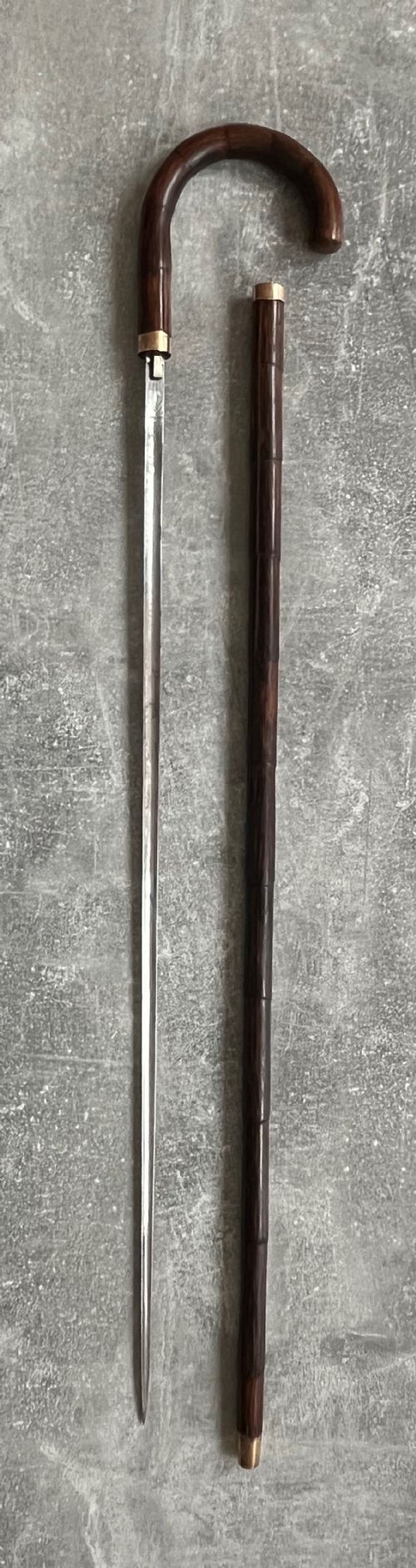
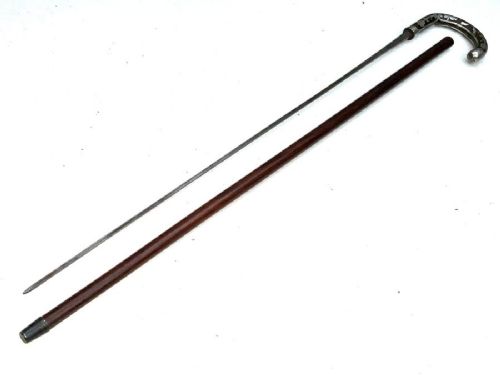
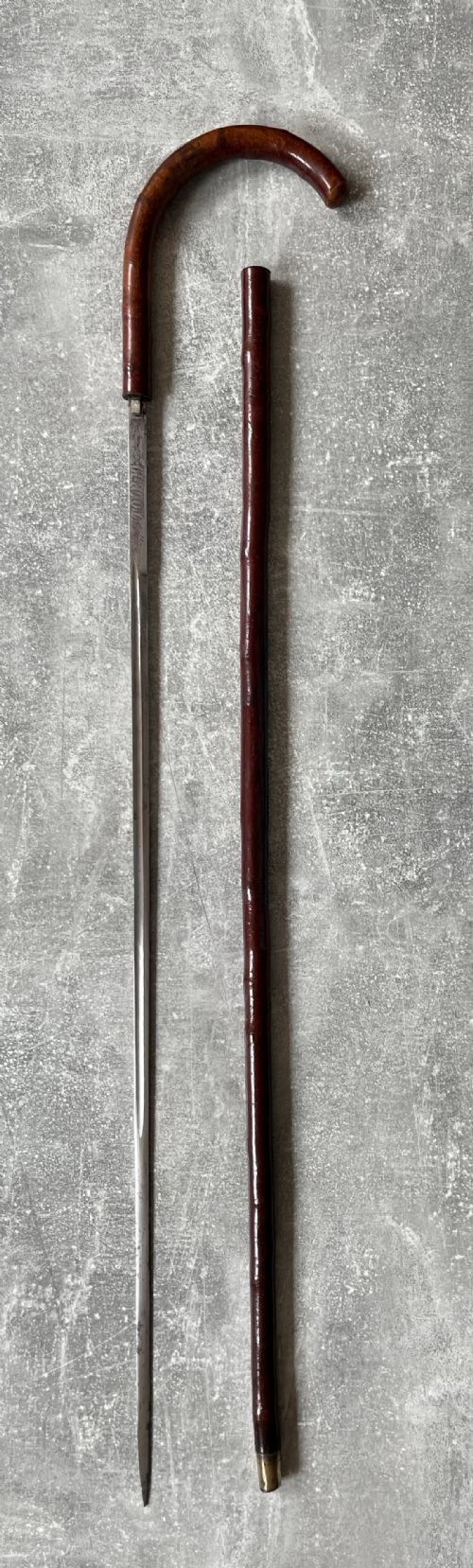
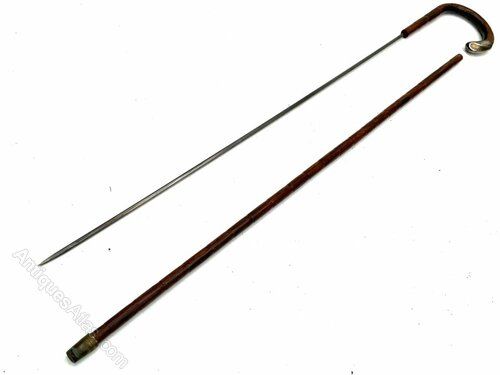
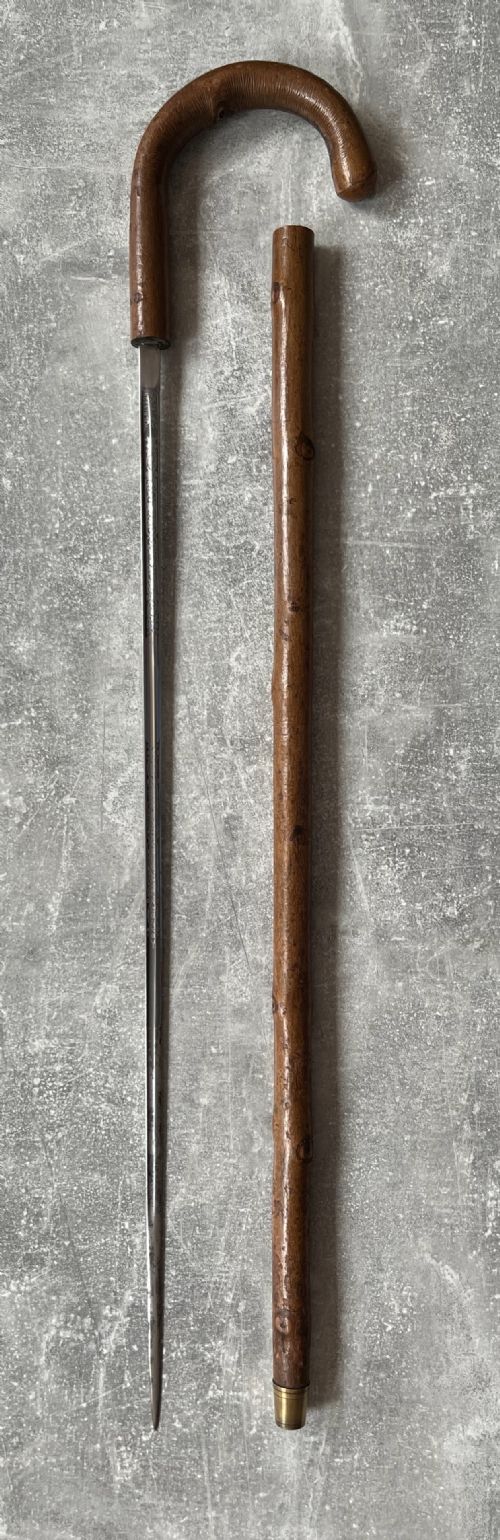
A crook handle sword stick is a walking aid fitted with a concealed steel blade beneath the shaft. When you search for a crook handle sword stick, you encounter walking sticks and canes originating from the Victorian and Edwardian eras, spanning from the late nineteenth century through to the nineteen thirties.
These pieces served gentlemen as practical walking aids that doubled as concealed weaponry for personal protection in urban environments. The historical range includes military officers' pieces, Masonic examples, and standard civilian walking sticks fitted with Toledo or Wilkinson blades.
Materials and Construction
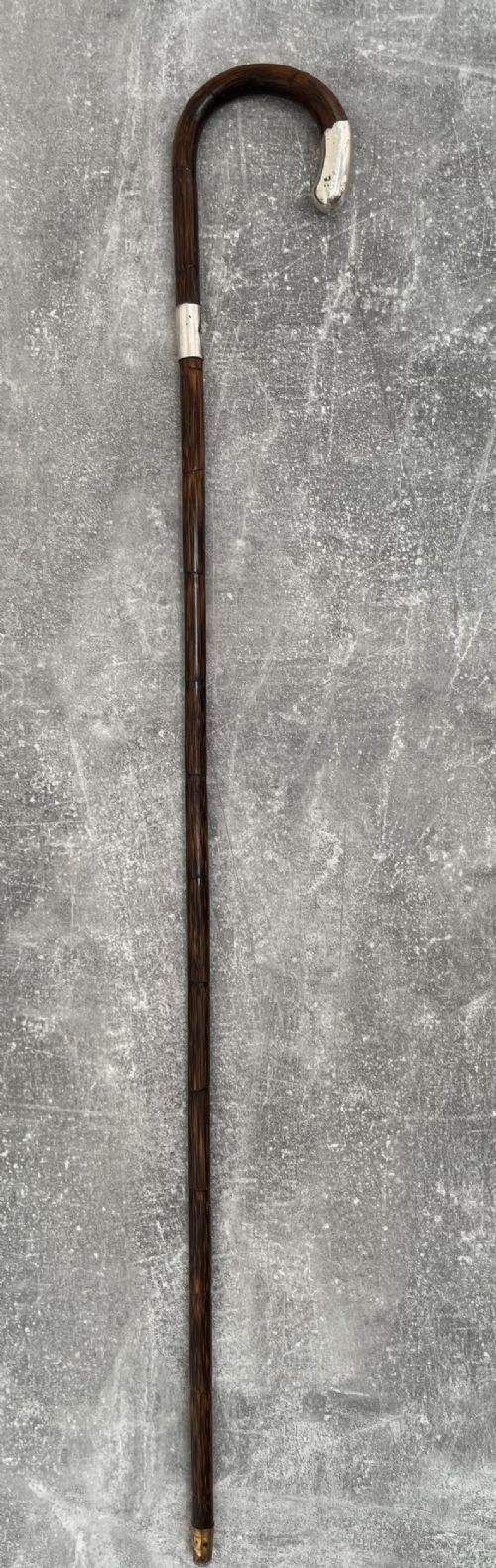
Makers fashioned the shafts from natural timbers including cherrywood, hazel wood, chestnut, palmwood, and hardwood, often steaming and bending the upper portion to form the distinct crook handle. Natural canes like malacca and bamboo provided lightweight yet resilient bodies to house the internal steel blades safely.
Blades were typically forged from steel, with prominent examples bearing the marks of makers such as Wilkinson or Toledo. Artisans finished the construction by fitting brass, silver, or gold collars around the throat where the handle meets the shaft to secure the join and prevent splitting.
Crook Handle Sword Stick Retail Price Guide 2026
Typical asking prices for crook handle sword stick among the pieces listed under this phrase on Sellingantiques today, from the lower quarter to the upper quarter. They describe what is for sale here now, not the wider market.
Distinctions in Quality
The standard of a crook handle sword stick depends largely on the quality of its materials and the reputation of its blade maker. Pieces fitted with named blades from Wilkinson or Toledo, or bearing maker marks from Brigg, represent the higher tiers of production.
Workmanship in the mounts and handle attachment also dictates quality. Solid silver or gold collars, finely turned horn handles, and precisely fitted shafts that conceal the blade seamlessly separate standard civilian items from superior military or commissioned pieces.
Brigg·Wilkinson·Toledo
The Crook Handle Sword Stick Glossary
- Crook handle
- A curved grip at the top of a walking stick shaped to hook over the arm or hand. This design provides a secure hold for daily walking support.
- Collar
- A metal band encircling the top of the shaft where the handle joins. Collars are frequently made of brass, silver, or gold and sometimes bear hallmarks or maker inscriptions.
- Toledo blade
- A steel blade originating from Toledo, known for historical sword-making traditions. These blades appear frequently in nineteenth and twentieth-century walking sticks.
- Wilkinson blade
- A steel blade produced by the renowned British sword-maker Wilkinson. Their presence indicates a higher grade of manufacture.
- Partridge wood
- A dense tropical timber characterised by distinctive partridge-feather patterning. It provides a sturdy and decorative shaft for walking aids.
Crook Handle Sword Stick: Frequently Asked Questions
What is a crook handle sword stick?
A crook handle sword stick is a traditional walking cane featuring a curved handle and a concealed steel blade housed inside the shaft.
Gentlemen carried them for support and personal protection during the Victorian and Edwardian periods.
How do I identify the date of a sword stick?
Dating relies on stylistic clues, materials, and any hallmarked silver collars present on the piece. Victorian and Edwardian examples often display distinct timber choices and blade inscriptions.
Comparing the construction methods to dated historical pieces helps narrow down the decade of manufacture.
Who made these walking sticks?
Specialist makers and umbrella or cane houses produced these items, sometimes incorporating blades from established sword smithies like Wilkinson.
Retailers such as Brigg retailed high-end versions fitted with precious metal collars.
Were sword sticks used by the military?
Military officers frequently carried walking sticks that doubled as concealed weapons, particularly during the late nineteenth century.
These pieces often featured specific regimental association or robust steel blades suited for service use.
How should I store a sword stick?
Store the piece upright in a dry environment away from direct sunlight to protect the natural timber shaft and metal collar.
Keeping the internal blade lightly oiled prevents corrosion inside the wooden scabbard.