
Edwardian Walking Cane
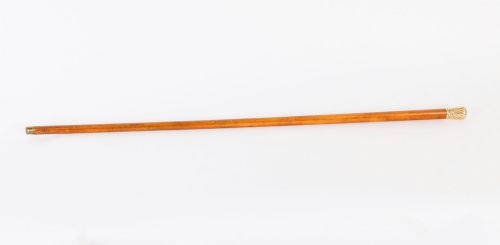
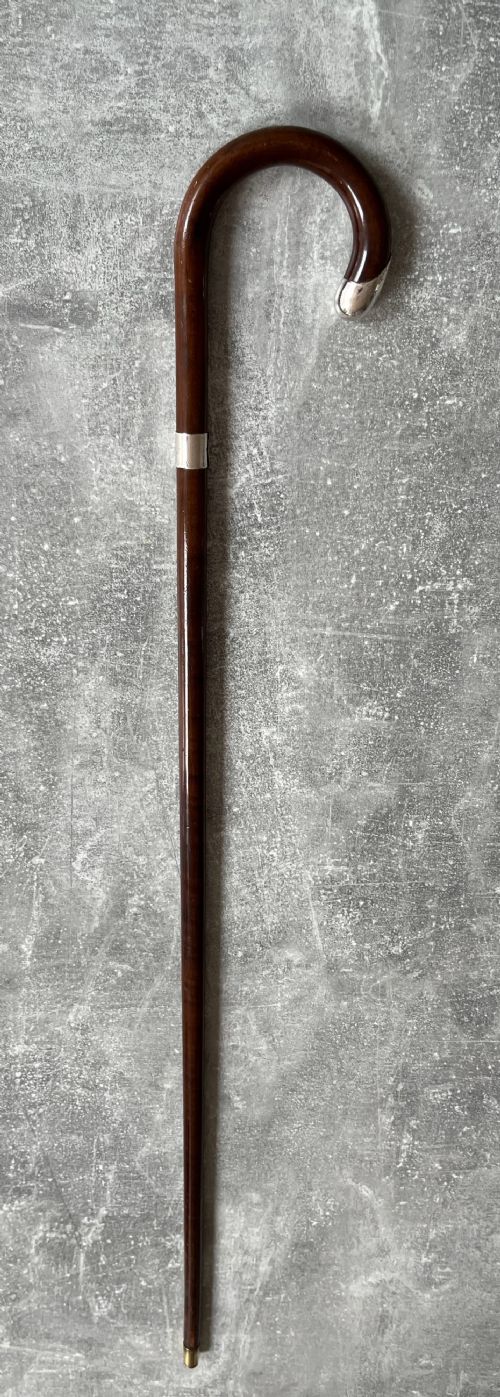
These edwardian walking cane examples combine functional support with distinctive metal and timber mounts, offering a glimpse into early twentieth-century gentlemanly accessories.
Understanding the Edwardian Walking Cane
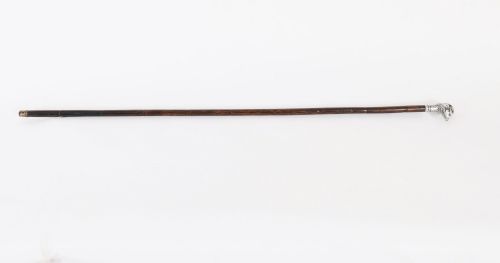
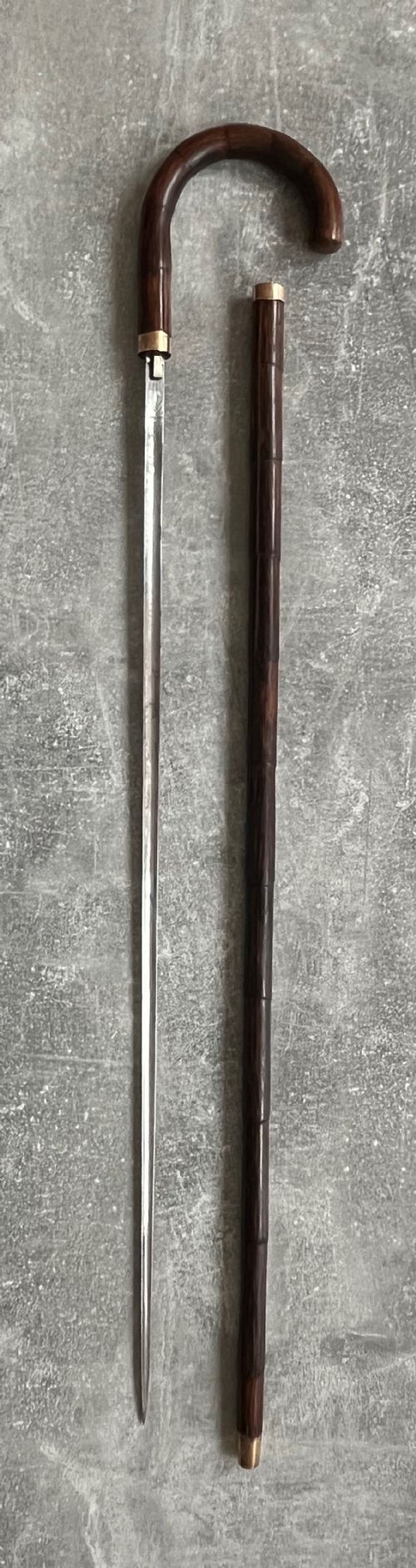
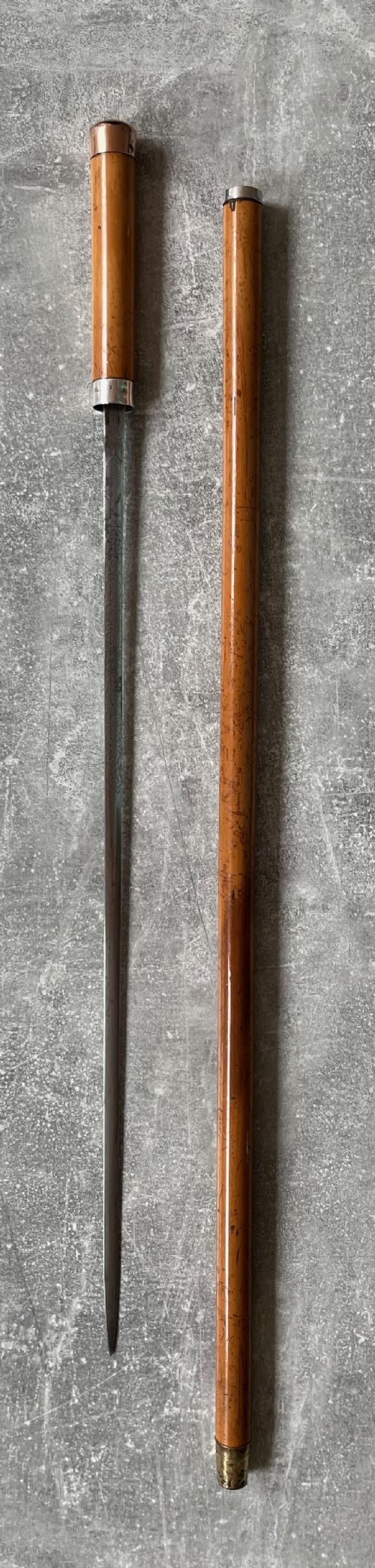
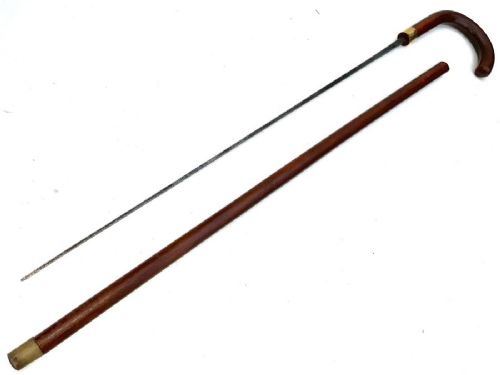
An edwardian walking cane serves as both a practical walking aid and a traditional gentleman's accessory from the early twentieth century. Buyers seeking these pieces encounter a variety of forms, ranging from standard support sticks to specialised sword sticks and gadget canes.
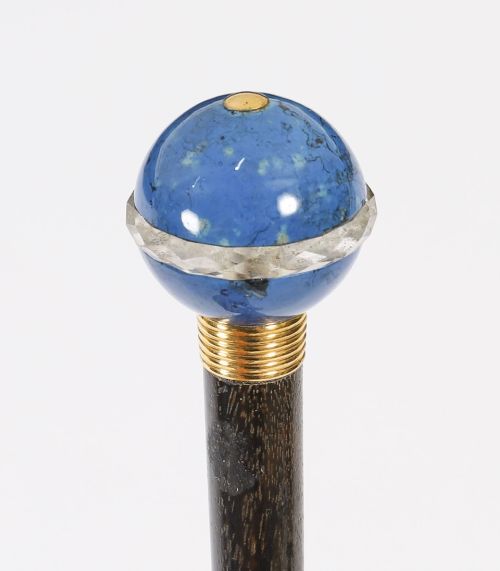
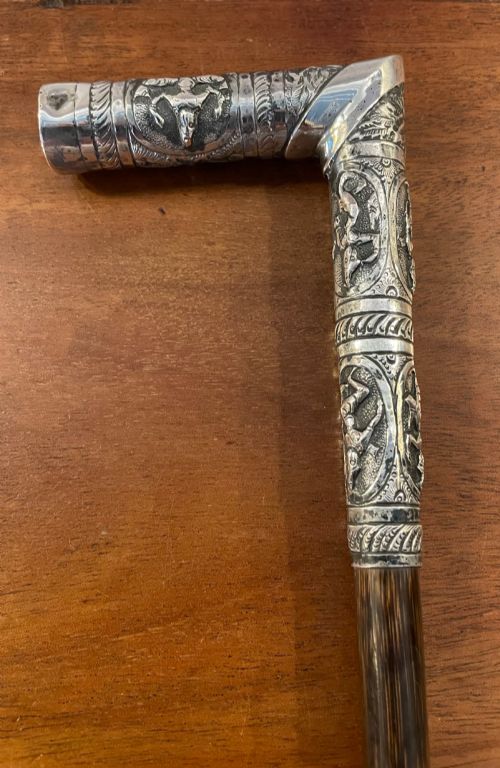
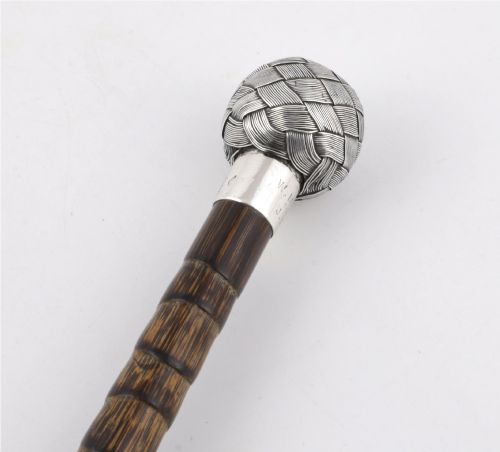
The selection includes pieces constructed from natural timbers such as bamboo, partridge wood, malacca, ebony, and coromandel, often fitted with metal or sterling silver mounts. Many incorporate decorative pommels, wire knots, or carved horn details reflecting the tastes of the period.
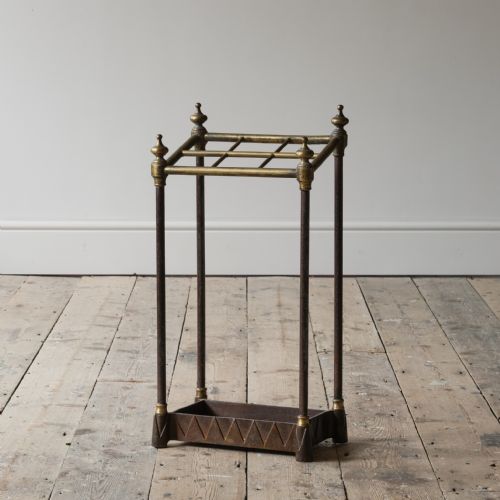
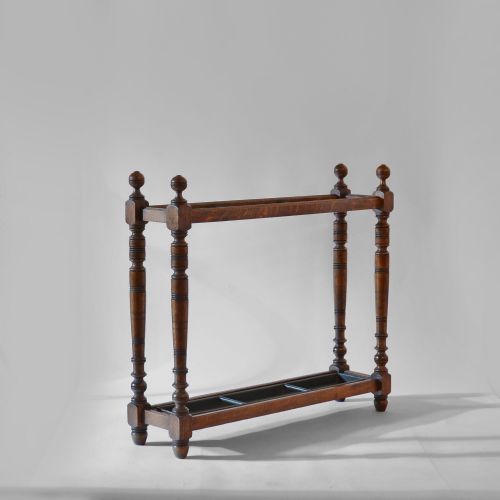
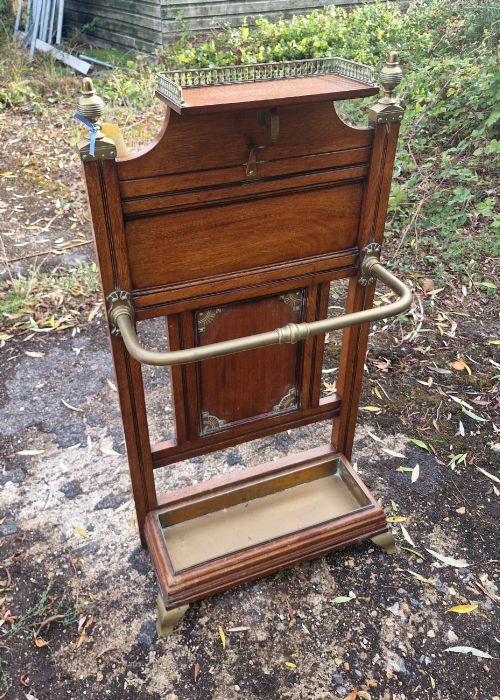
While most examples date from the Edwardian era around 1900 to 1910, occasional variants appear from slightly later decades. The primary forms seen here concentrate on gentlemanly walking sticks and specialised canes rather than umbrella stands or furniture racks.
Materials and Construction
Maker construction relies on selecting dense hardwoods and flexible plant stems such as bamboo and malacca, sometimes housing hidden steel blades for sword sticks. Timbers like partridge wood, ebony, and coromandel provide durable shafts capable of withstanding daily use.
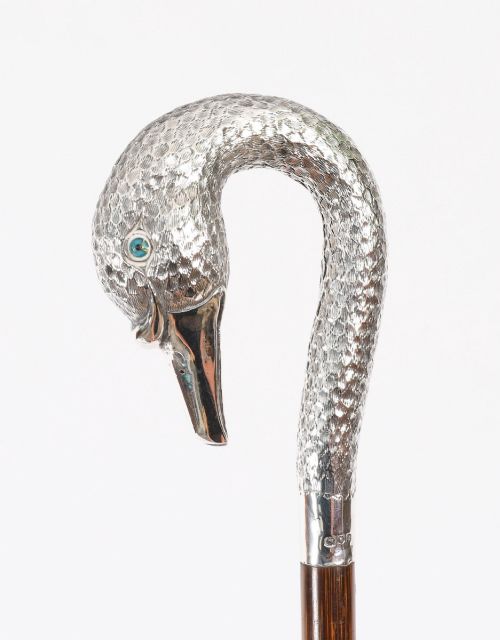
Metalwork forms an integral part of the manufacturing process, utilising sterling silver, silver plate, brass, and ormolu for handles, collars, and pommels. Hallmarks stamped into the silver components frequently record the assay office and year of production in London.
Retail Price Guide 2026
Typical UK retail prices for edwardian walking cane, calculated from the Sellingantiques database of over a million retail prices indexed since 2003. This retail price guide relies exclusively on Sellingantiques data; no external sources or auction records are used, so the figures do not describe the wider market.
Listings feature woods including hardwood, bamboo, partridge wood, coromandel, ebony, and malacca, alongside sterling silver and steel components.
Judging Quality and Distinction
Quality rests upon the choice of timber and the solidity of the silver or metal mountings rather than simple decoration. Heavy sterling silver pommels and detailed hand-carved horn handles demonstrate superior workshop output compared to plain plated alternatives.
The integration of concealed elements, such as functional sword blades or mechanical gadget compartments, elevates the standard of a piece. Precision in the fit of the shaft to the handle distinguishes well-executed specimens from utilitarian items.
The Edwardian Walking Cane Glossary
- Pommel
- The rounded handle or knob at the top of a cane designed for a comfortable grip. These can be plain, engraved, or formed from carved horn and sterling silver.
- Malacca
- A slender, durable rattan cane imported from Southeast Asia, prized for its mottled brown surface and flexibility. It serves as a traditional shaft material for fine walking sticks.
- Sword stick
- A cane featuring a concealed steel blade housed securely within the wooden shaft. This dual-purpose design functioned as a subtle defensive weapon.
- Sterling silver
- An alloy of silver containing 92.5 percent pure silver and 7.5 percent other metals, typically copper. London hallmarks on these mounts indicate the assay year.
Frequently Asked Questions
What is an edwardian walking cane?
An edwardian walking cane is a traditional support stick or gentleman's accessory manufactured around the start of the twentieth century. These items typically feature wooden shafts paired with silver, brass, or carved handles.
Many examples incorporate distinctive materials such as bamboo, malacca, or partridge wood. Some pieces also function as concealed sword sticks or gadget canes.
How do I identify an Edwardian cane?
Identification relies on examining the materials, hallmarks, and overall stylistic characteristics typical of the period around 1900 to 1910. Sterling silver mounts often bear London assay office hallmarks with specific date letters.
Timbers like coromandel, ebony, and partridge wood point towards traditional period manufacture. Comparing the construction methods to known examples helps confirm the era.
Were all walking canes used for support?
While many served a practical purpose as walking aids, numerous canes functioned primarily as status symbols or fashion accessories for gentlemen. Specialised variants also included hidden blades or mechanical compartments.
These functional distinctions mean some pieces were designed more for presentation and daily carriage than heavy physical support.
How should I care for a wooden cane?
Care involves keeping wooden shafts and metal mounts away from excessive moisture and direct heat sources. Gentle cleaning with appropriate soft cloths preserves the finish of both the timber and the silver.
Regular handling naturally maintains the condition of the wood oils without requiring heavy chemical treatments or polishes.