
Victorian Sword Stick
A victorian sword stick combines a gentleman's walking cane with a concealed steel blade, offering discretion alongside period craftsmanship.
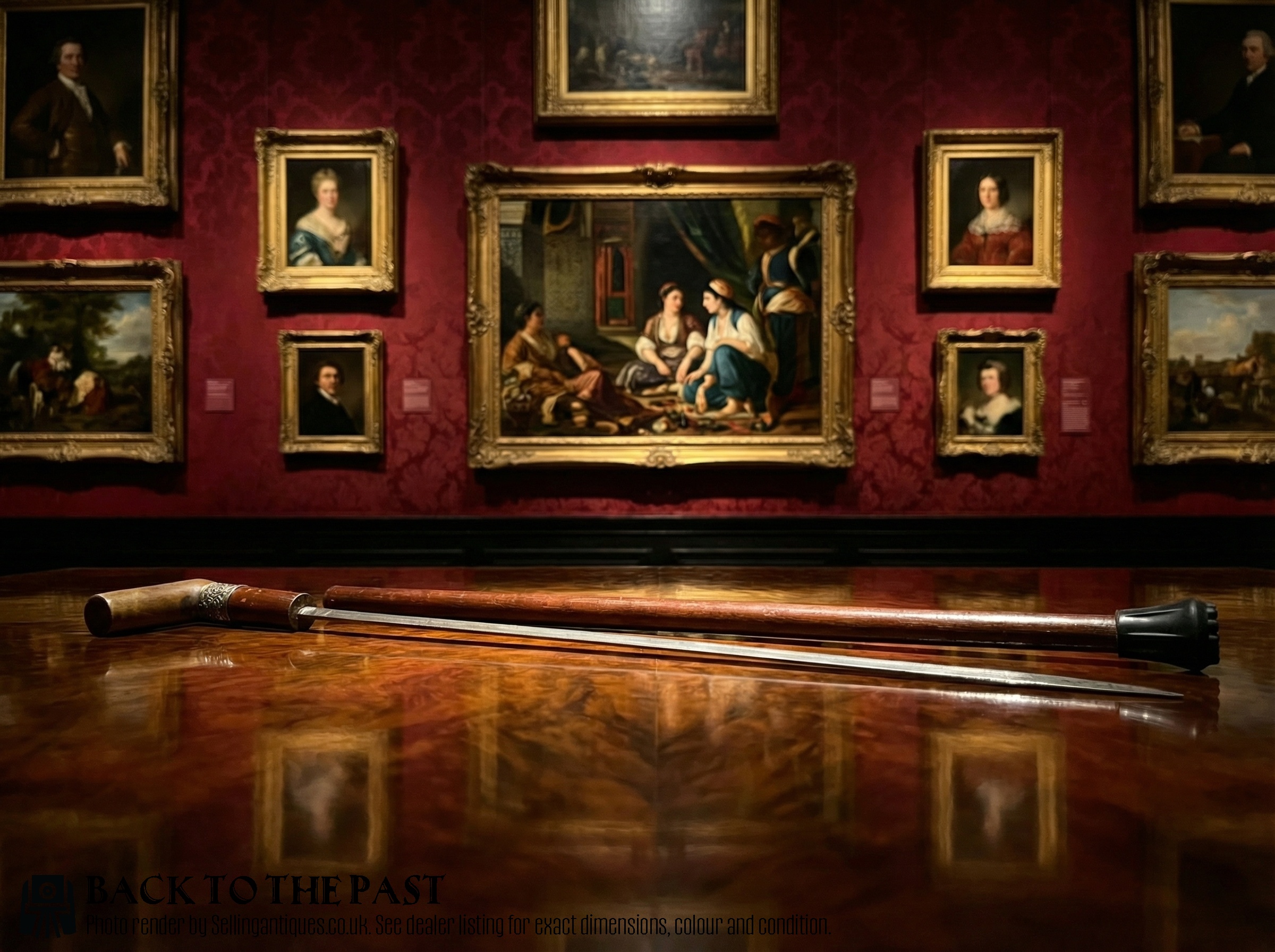
Victorian Sword Stick
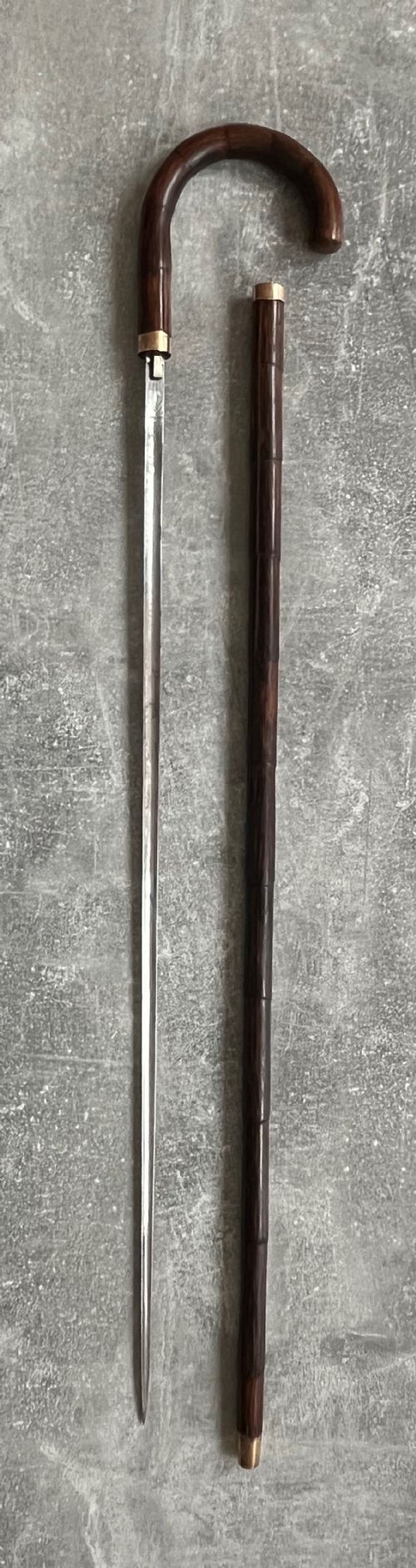
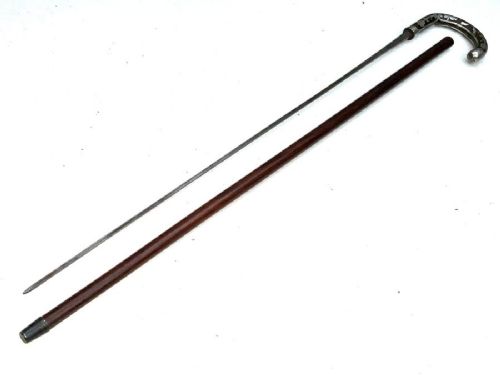
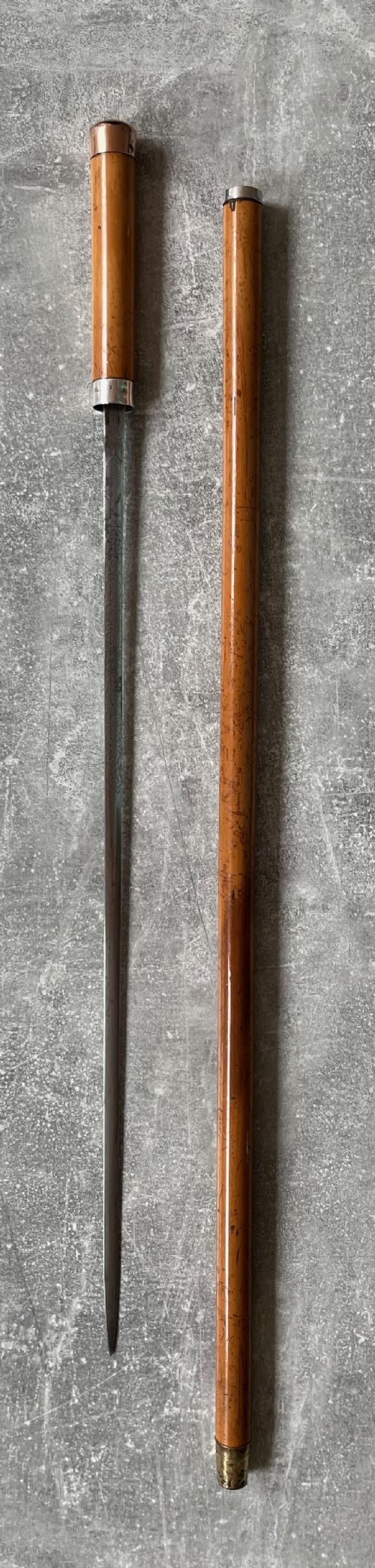
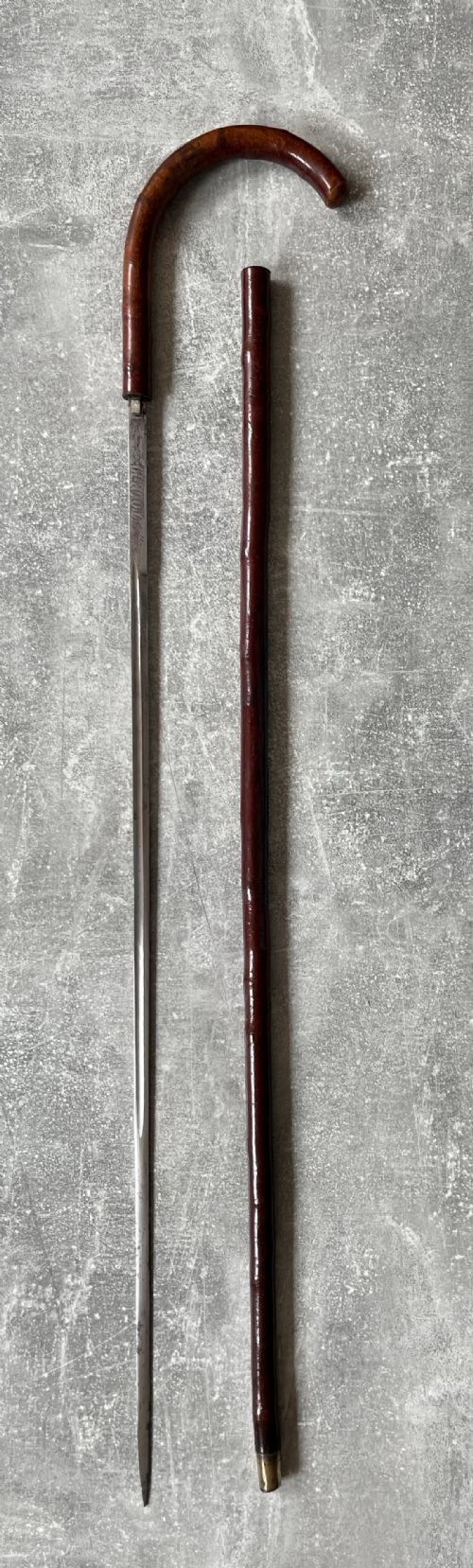
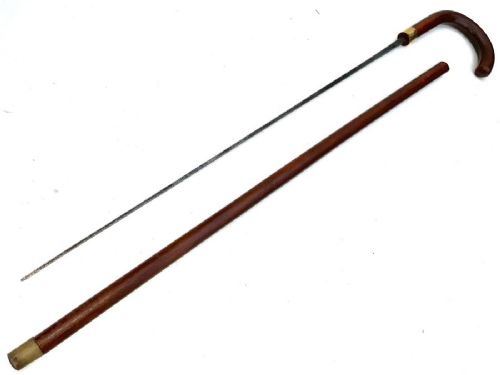
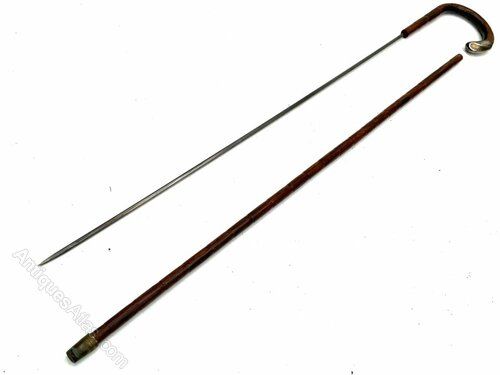
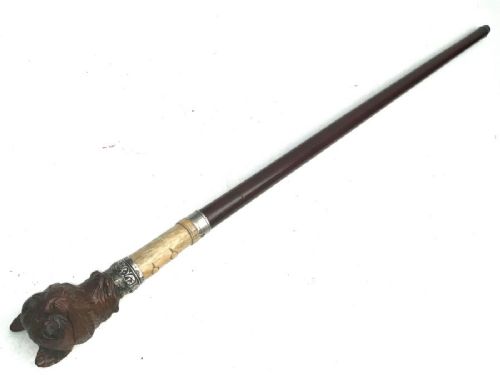
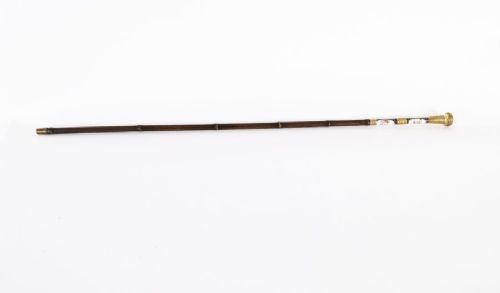
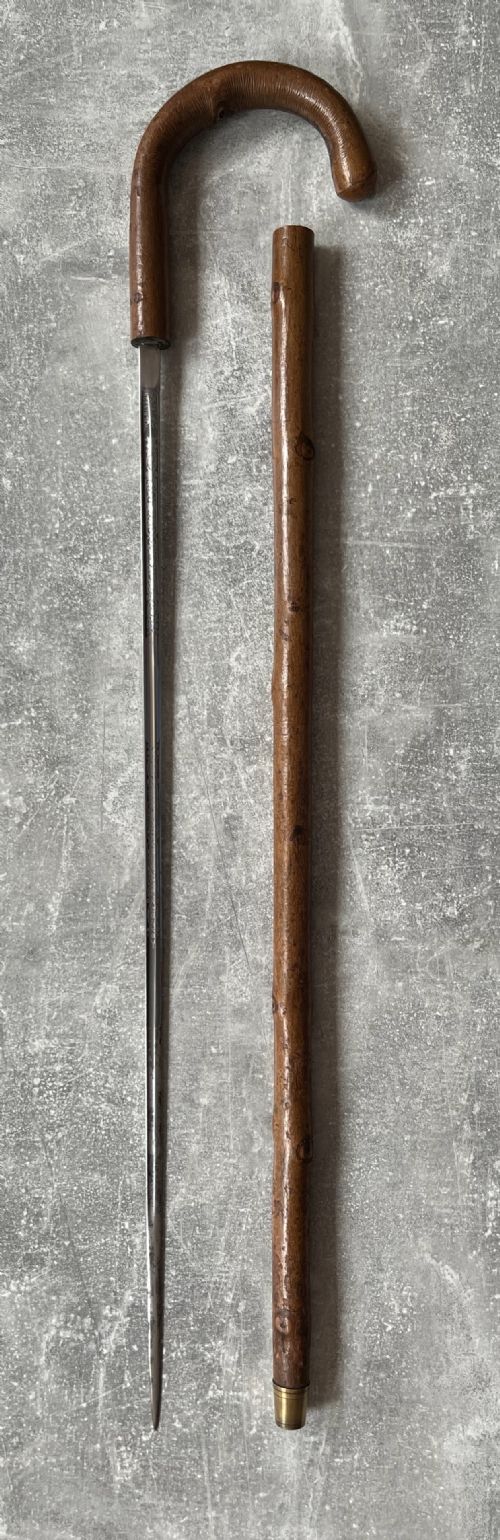
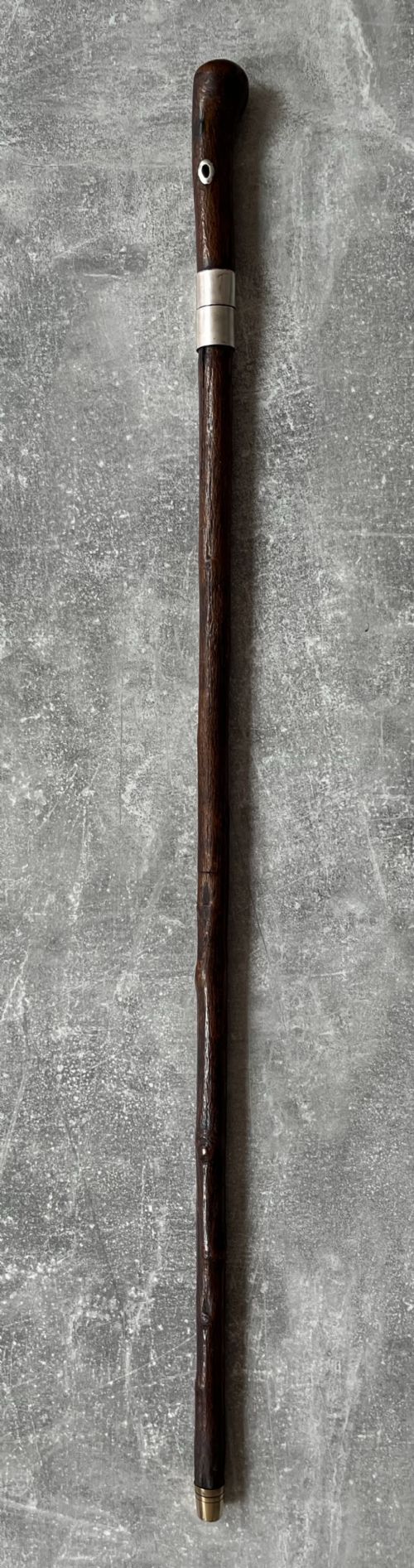
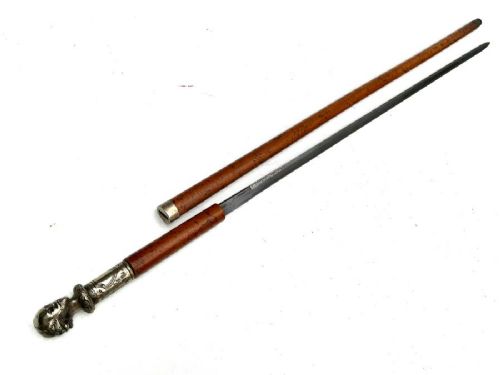
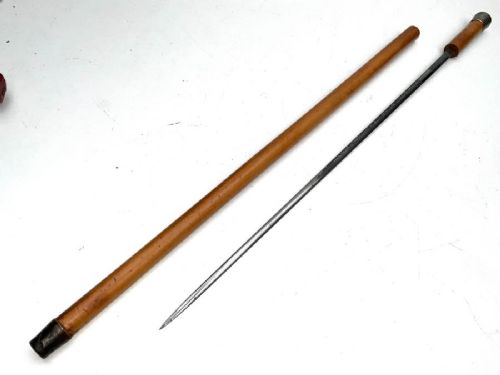
A victorian sword stick takes the outward appearance of a daily walking cane while housing a hidden steel blade inside the shaft. You will frequently encounter examples fashioned from malacca cane, bamboo, partridge wood, hazel, and ebonised timber.
The pieces on this page span the nineteenth century into the Edwardian era, incorporating French styles, military officer issues, and masonic designs alongside standard gentleman's accessories. Handles vary from simple crooks and horn grips to porcelain knobs and novelty shapes.
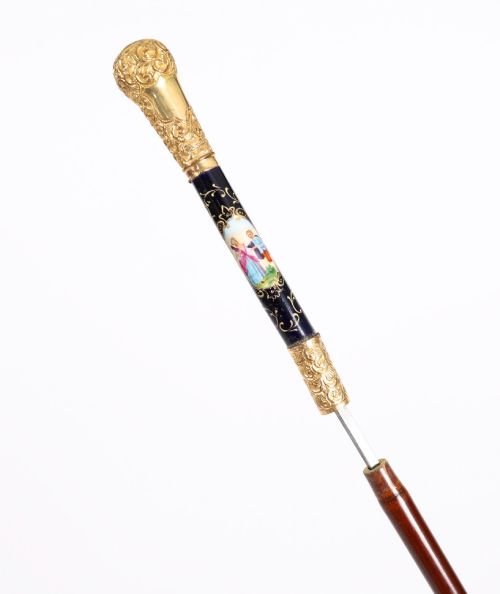
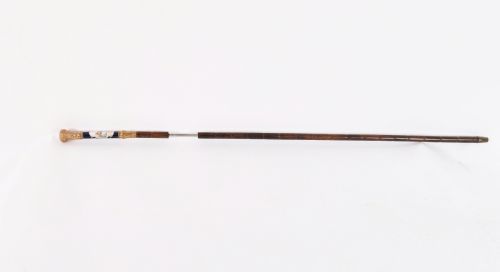
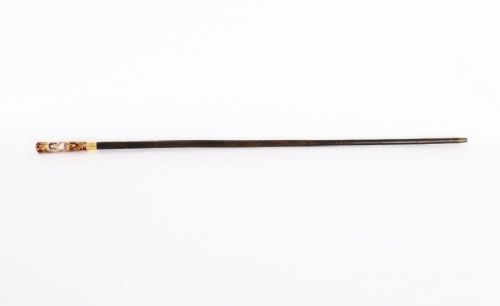
Makers such as Brigg, Wilkinson, and Howell of London appear in the record, alongside French works featuring gold-plated sevres porcelain. Collectors also find specialised variants like doctor's sticks and Irish blackthorn versions.
Materials and Technique
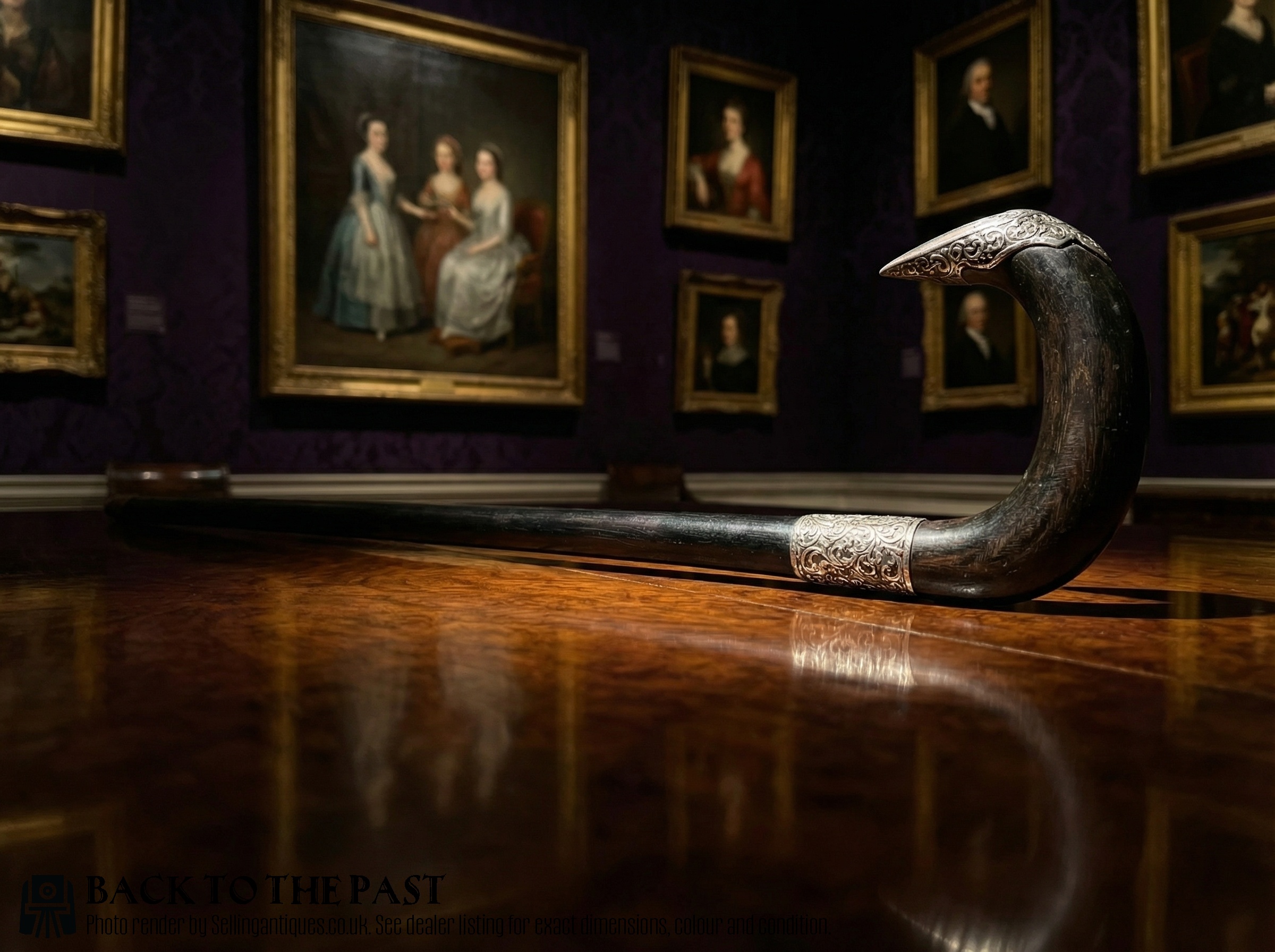
Makers utilised sturdy natural timbers and canes like malacca, rosewood, cherrywood, and hazel to form the exterior housing for the concealed steel blades. Metal components such as silver collars, brass mounts, and gold plate reinforce the shafts and secure the handle joints.
Blades were forged from steel, frequently marked as Toledo steel or produced by makers like Wilkinson, and secured with mechanisms including button releases. Handles incorporate horn, bone, porcelain, and carved root wood, often finished with silver embossing or jewelled details.
Victorian Sword Stick Retail Price Guide 2026
Typical asking prices for victorian sword stick among the pieces listed under this phrase on Sellingantiques today, from the lower quarter to the upper quarter. They describe what is for sale here now, not the wider market.
Listings feature items dated across the nineteenth and early twentieth centuries, spanning the Victorian and Edwardian periods.
Distinctions in Execution
Quality rests upon the integrity of the hidden mechanism, the snugness of the shaft closure, and the caliber of the forged steel blade. A tight fit when closed and a clean release distinguish superior pieces from utilitarian items.
Artistry in the handle and mounts elevates certain examples, particularly those bearing named maker signatures, fine silver work, or hand-painted porcelain panels. The balance of the cane during carriage also reflects the original maker's intent and skill.
Brigg·Wilkinson·Howell of London
The Victorian Sword Stick Glossary
- Toledo blade
- A steel blade originating from or styled after the historic weapon-making traditions of Toledo, Spain. These blades are often etched with decorative patterns.
- Malacca cane
- A resilient, mottled rattan imported from Southeast Asia and prized for walking stick shafts. It provides both flexibility and strength.
- Knop
- A rounded knob or handle at the top of a walking stick. They are carved from horn, bone, or wood, or mounted in silver.
- Swagger stick
- A short, light cane traditionally carried by military officers. In this context, some double as concealed sword sticks.
- Ebonised
- Wood treated to imitate ebony through staining or painting. This finish creates a dark, uniform appearance on the walking stick shaft.
Victorian Sword Stick: Frequently Asked Questions
How do you release the hidden blade?
Most examples utilise a simple button release mechanism set into the collar or just beneath the handle. Pressing this catch disengages the internal locking point so the blade slides smoothly from the wooden shaft.
Owners should handle the release with care to preserve the original spring mechanism and prevent wear on the internal throat of the cane.
What materials are used for the shafts?
Shafts are primarily constructed from natural timbers and canes, including malacca, partridge wood, bamboo, hazel, ebony, and rosewood. These materials were selected for their straight grain and durability under daily use.
Mounts made from silver, brass, and gold plate often reinforce the point where the handle meets the shaft.
Are these sticks associated with the military?
A significant portion of surviving examples relate to military officers, often described as swagger sticks or military officer walking sticks. These frequently feature specialised regimental details, masonic symbols, or robust Toledo steel blades.
Civilian variants were equally common, ranging from standard gentleman's accessories to specialised doctor's sticks.
How are french examples different?
French pieces from the nineteenth century frequently incorporate decorative elements such as gold plating and Sevres porcelain handles. These items prioritize ornate presentation alongside the concealed blade.
They reflect the taste of continental fashion in the period, contrasting with the more utilitarian British military styles.