


Silver Collar Walking Cane
A silver collar walking cane combines practical support with the understated elegance of Victorian and Edwardian craftsmanship.
Silver Collar Walking Cane
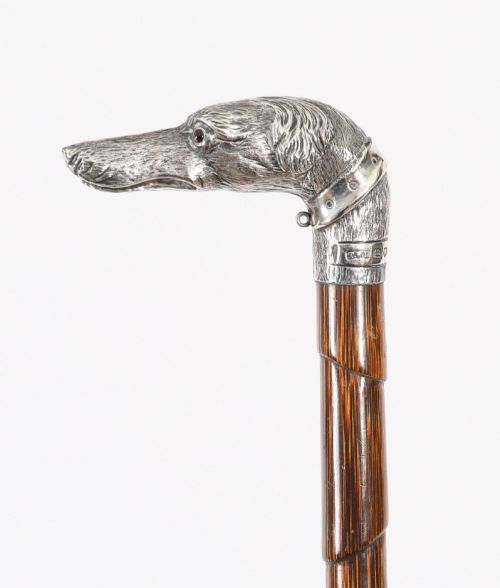
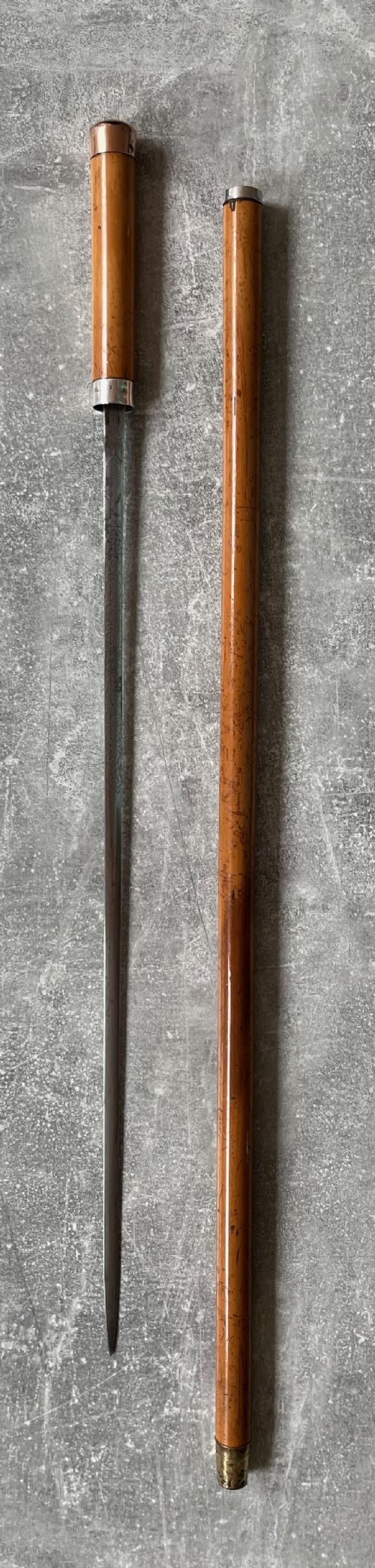
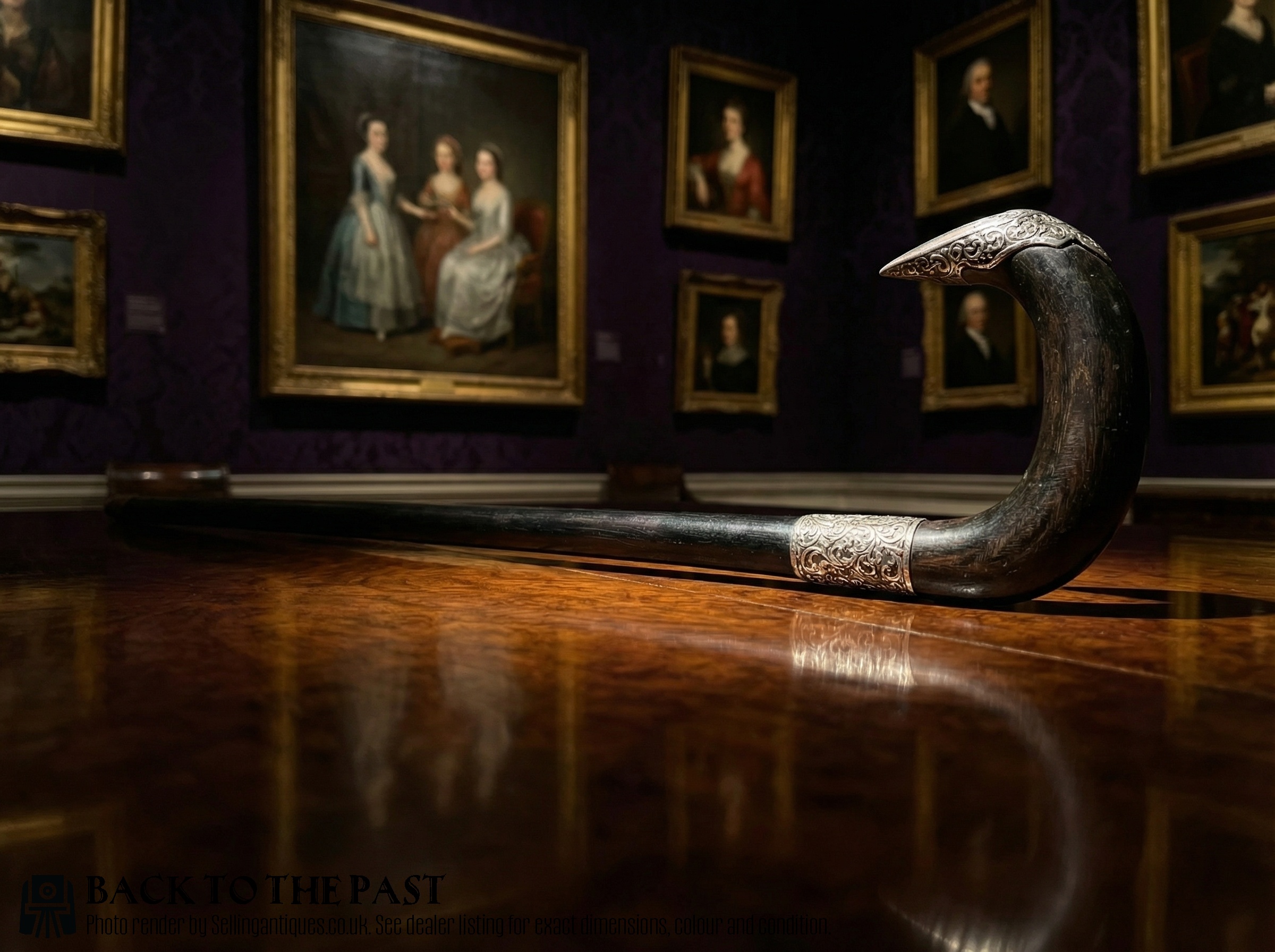
A silver collar walking cane is a traditional gentleman's accessory featuring a decorative metal band joining the handle to the shaft. These pieces range from simple everyday supports to intricate gadget sticks containing concealed blades, snuff boxes or corkscrews.
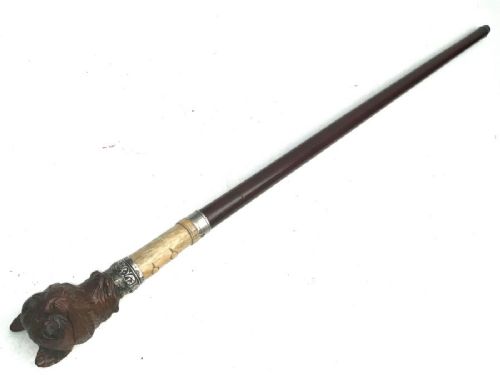
The pieces appearing here span the nineteenth and early twentieth centuries, encompassing Victorian, Edwardian and Art Deco periods. Handles take diverse forms including animal heads, carved horn, bone, wood and novelty motifs.
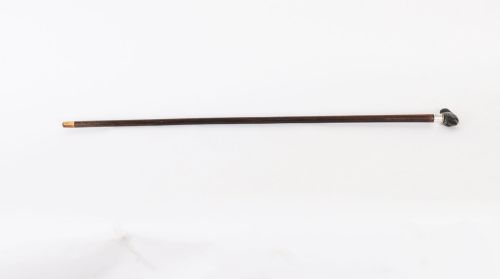
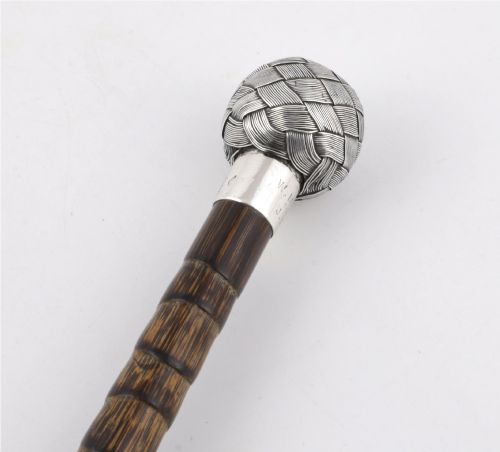
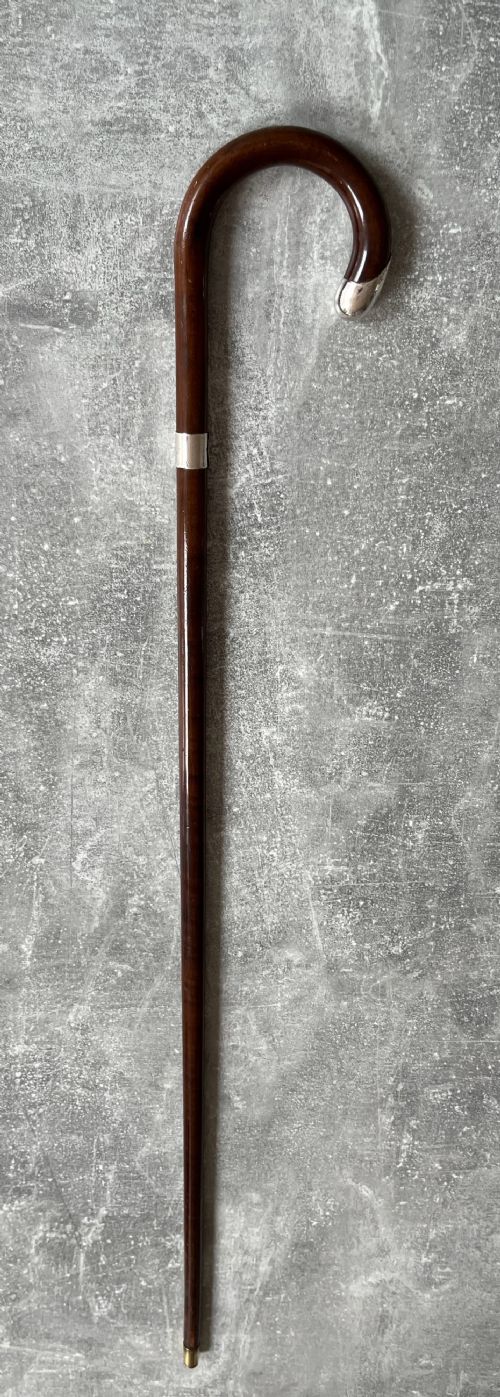
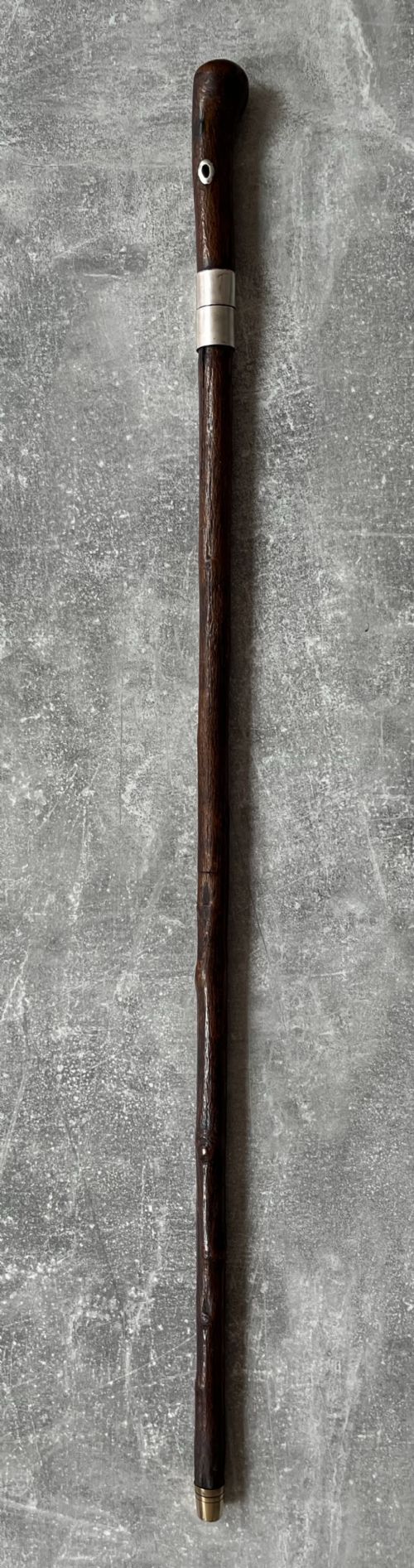
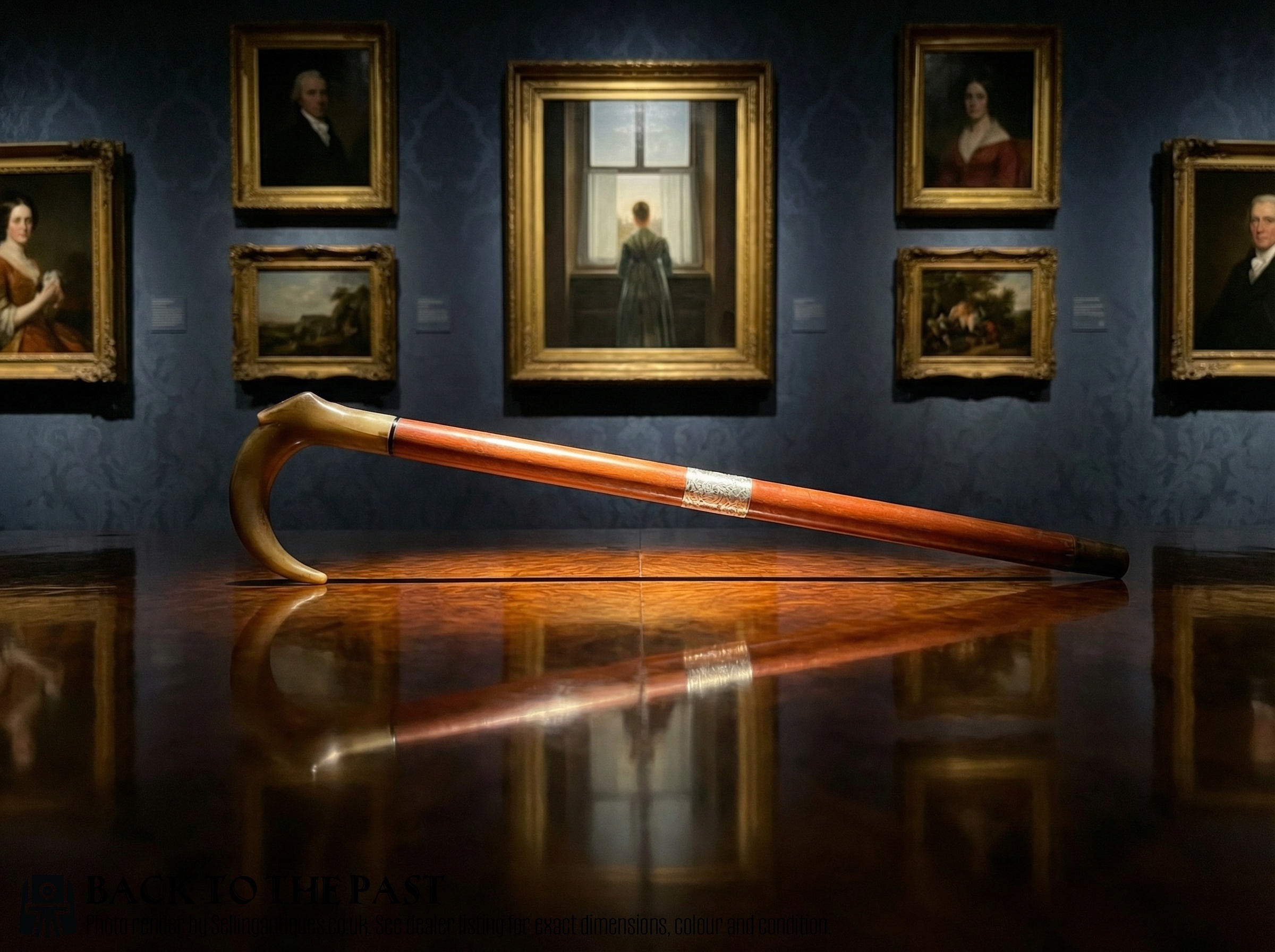
The most common examples on this page pair a natural wood or malacca cane shaft with a distinct silver collar beneath a carved or plain handle. Many feature maker or hallmarking details pointing to English or continental origins.
Distinctions in Quality
Quality rests upon the execution of the handle carving and the integration of the silver collar to the shaft. Masterpieces display finely detailed animal heads or crisp engraving on the metal mount rather than cast repetition.
The choice of shaft material and the inclusion of concealed mechanisms such as Wilkinson blades or snuff compartments elevate certain pieces above standard walking supports.
Silver Collar Walking Cane Retail Price Guide 2026
Typical asking prices for silver collar walking cane among the pieces listed under this phrase on Sellingantiques today, from the lower quarter to the upper quarter. They describe what is for sale here now, not the wider market.
Period origins span from the early nineteenth century through the Victorian and Edwardian eras into the Art Deco period.
Henry Borlase Stevens·Wilkinson
The Silver Collar Walking Cane Glossary
- Silver collar
- A metal band encircling the top of the shaft just below the handle. This mount often secures the handle to the cane and frequently carries hallmarks or initials.
- Malacca cane
- A resilient stem derived from the rattan palm, prized for its mottled brown finish and flexibility. It serves as a favored shaft material for better walking sticks.
- Sword stick
- A walking cane fitted with a concealed blade locked inside the shaft. These pieces often feature release mechanisms hidden within the collar or handle.
- Knop
- A rounded knob or spherical handle fitted to the top of a cane. This form provides a comfortable grip for the user's palm.
- Ebonised
- Wood treated with a dark stain or finish to imitate the appearance of ebony. This technique offers a uniform black surface on standard timber shafts.
Silver Collar Walking Cane: Frequently Asked Questions
What is a silver collar walking cane?
A silver collar walking cane is a traditional support stick featuring a metal band that joins the handle to the wooden or malacca shaft. These accessories were widely carried by gentlemen during the Victorian and Edwardian eras.
Many examples include decorative handles shaped like animal heads or incorporate hidden compartments such as blades and snuff boxes.
How do I date a walking cane?
Dating relies heavily on silver hallmarks found on the collar, which record the assay office and year of manufacture. Stylistic details such as Art Deco geometric lines or Victorian carving motifs also help determine the period.
Shaft materials and construction methods further narrow down the decade of origin.
Were all sword sticks used as weapons?
Sword sticks served primarily as fashionable accessories for gentlemen navigating city streets or colonial outposts. The concealed blades offered a measure of personal defence rather than military utility.
Some specialised pieces also relate to Masonic traditions or outdoor pursuits.
How should I care for a vintage cane?
Preserve wooden and malacca shafts by keeping them away from extreme temperature changes and direct heat sources. Treat the timber occasionally with suitable wax to maintain the finish.
Clean silver collars gently with a soft cloth to avoid damaging engraved details or hallmarks.