


Silver Mounted Cane
These silver mounted cane pieces combine sturdy wooden shafts with decorative metal tops, offering both practical support and distinct period style.
Silver Mounted Cane
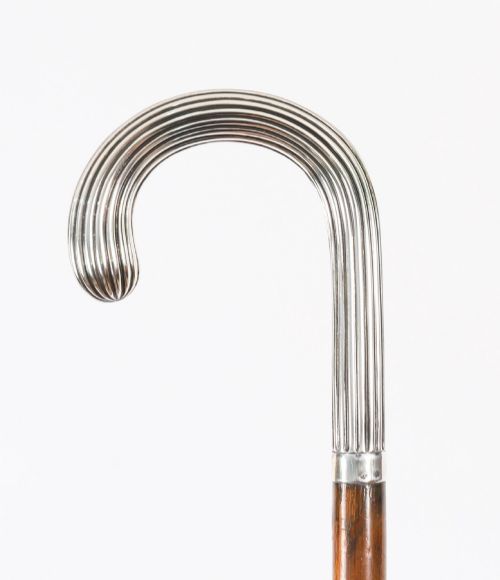
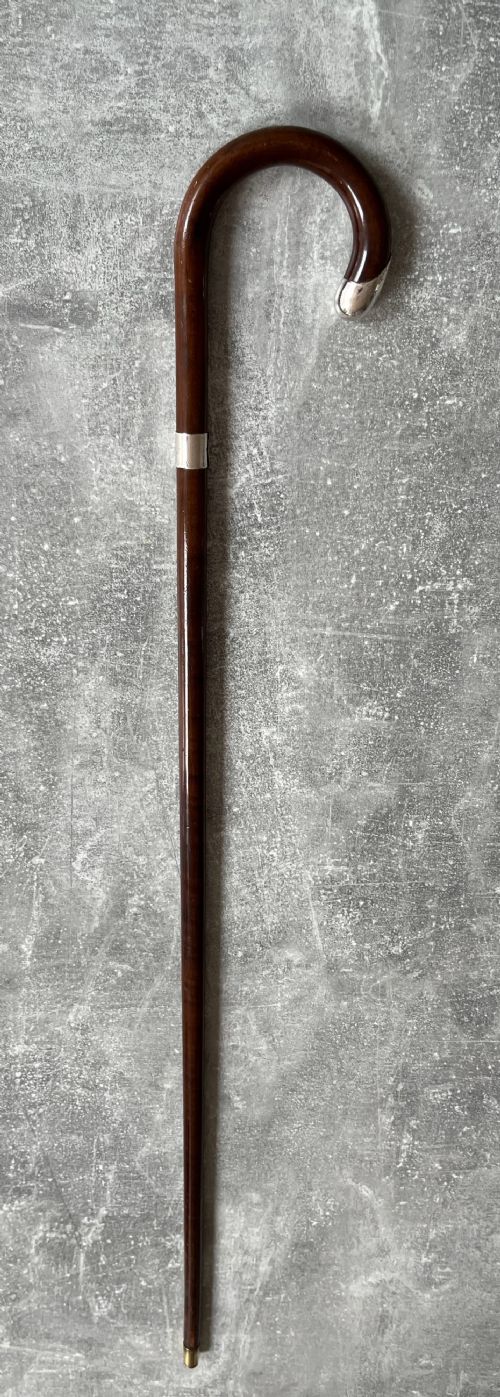
A silver mounted cane serves as a traditional walking accessory, appearing across the nineteenth century and into the Edwardian and Art Deco periods. These items combine a functional shaft with a metal handle or collar, ranging from simple gentleman styles to novelty designs.
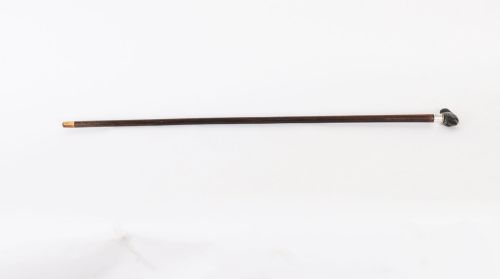
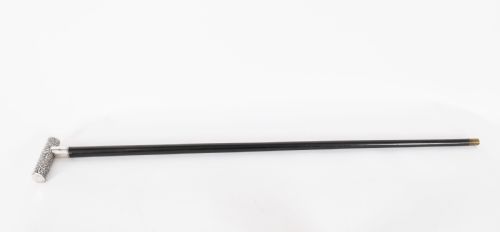
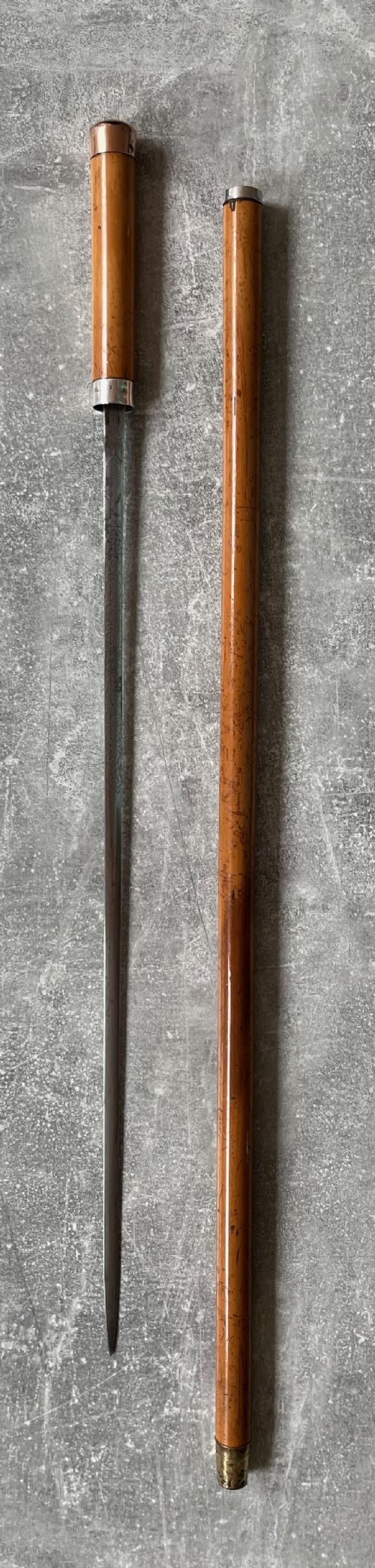
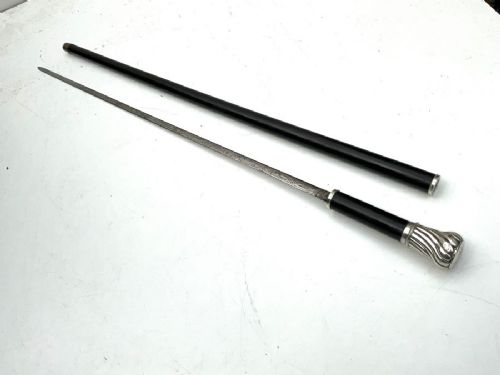
The pieces on this page include standard walking sticks alongside specialised forms such as sword sticks, riding crops, and gadget canes with snuff box handles. Materials span from ebonized wood and malacca to horn and palm wood, paired with silver mounts.
Victorian and Edwardian examples dominate the selection, showing both British and Continental origins alongside Chinese export pieces featuring prunus blossom handles. Buyers find various configurations, from crook handles to animal forms like parrots and hares.
How they were made
Craftsmen built these items using natural hardwoods, ebonized wood, and palm wood for shafts, often incorporating leather or root ball elements. These shafts provide the structural strength required for daily support or concealment of hidden blades.
Metalworking techniques shape the silver tops, collars, and mounts, which frequently feature decorative motifs or maker hallmarks. Steel blades from makers like Wilkinson appear inside specific sword stick versions, secured by fitted silver collars.
Silver Mounted Cane Retail Price Guide 2026
Typical asking prices for silver mounted cane among the pieces listed under this phrase on Sellingantiques today, from the lower quarter to the upper quarter. They describe what is for sale here now, not the wider market.
Certain canes double as hidden stashes or weaponry, proving that Victorian gentlemen took their secret agent fantasies very seriously indeed.
What varies in quality
Quality depends on the complexity of the handle design and the integrity of the materials, separating standard utility items from elaborate novelty or weapon pieces. Finer examples feature sculpted animal forms, detailed floral motifs, or integrated mechanisms like snuff boxes.
The execution of the silver mounts and the balance of the shaft determine the overall standard of the piece. Superior construction ensures that wooden shafts and metal mounts remain firmly joined through regular use.
The Silver Mounted Cane Glossary
- Sword stick
- A walking cane concealing a functional steel blade within its wooden shaft. These items often feature secure locking mechanisms and metal collars.
- Gadget cane
- A walking stick that incorporates a hidden function, such as a snuff box handle or other utilitarian compartment. These pieces reflect period ingenuity.
- Malacca
- A type of rattan stem utilised for walking stick shafts due to its flexibility and strength. It typically displays a mottled brown surface.
- Ebonized wood
- Timber treated to resemble ebony through a dark staining process. This material provides a uniform black finish on walking stick shafts.
- Prunus blossom
- A decorative floral motif depicting plum blossoms, frequently seen on Chinese export silver handles. This design reflects traditional East Asian ornamentation.
Silver Mounted Cane: Frequently Asked Questions
How do I date a silver mounted cane?
Dating relies on stylistic clues, material choices, and any assay marks present on the silver mounts. Victorian and Edwardian examples often display distinct design characteristics associated with their respective decades.
Changes in handle shapes, such as Art Deco geometric forms or earlier naturalistic animal carvings, help establish the period of origin alongside the specific type of wood used for the shaft.
Were all sword sticks used as weapons?
Many sword sticks served primarily as self-defense tools for gentlemen navigating city streets during the nineteenth and early twentieth centuries. The inclusion of high-quality steel blades from makers like Wilkinson indicates genuine utility.
Other examples functioned as gentlemanly accessories or novelty items, where the concealed blade was secondary to the status of carrying a sophisticated cane.
How should I maintain a wooden shaft?
Wooden and ebonized shafts require gentle cleaning with a soft cloth to remove dust and preserve the finish. Avoid excessive moisture to prevent warping or damage to the underlying timber.
Conditioning the wood occasionally helps maintain its natural lustre without altering the historical patina developed over decades of handling.
What is the purpose of silver collars?
Silver collars often reinforce the joint between the wooden shaft and the handle where stress concentrates during use. They also provide a decorative transition point on the cane.
These metal bands frequently bear hallmarks or engraved decoration, adding ornamental value while ensuring the structural integrity of the piece remains sound.