
Dark Wood Walking Stick
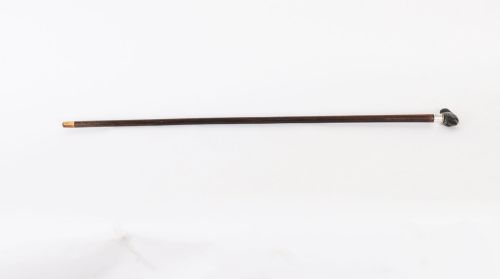
A dark wood walking stick carries the steady weight of nineteenth and early twentieth century gentlemanly life.
Dark Wood Walking Stick
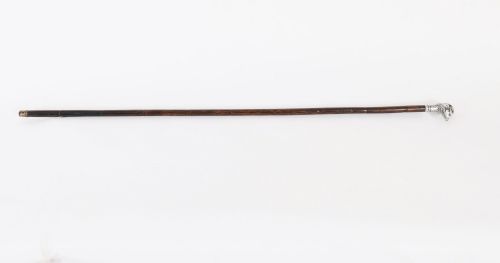
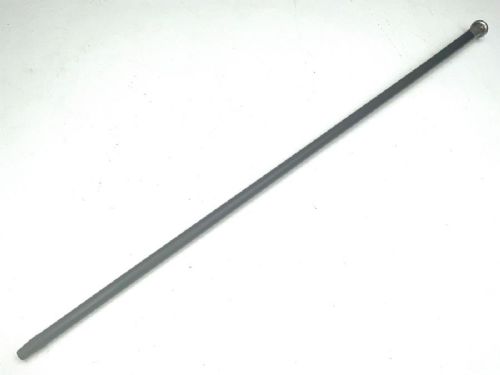
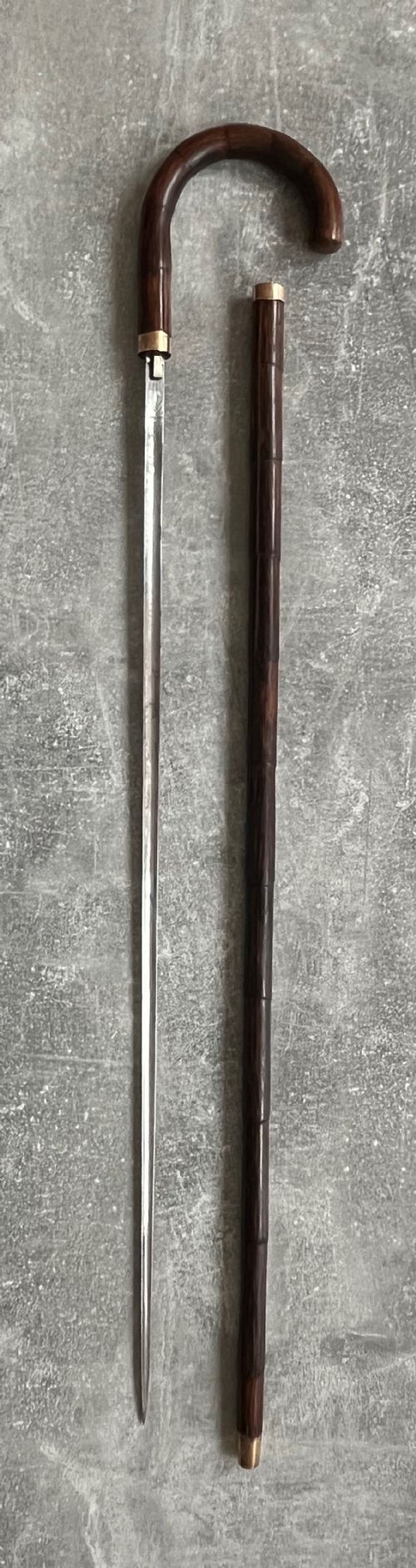
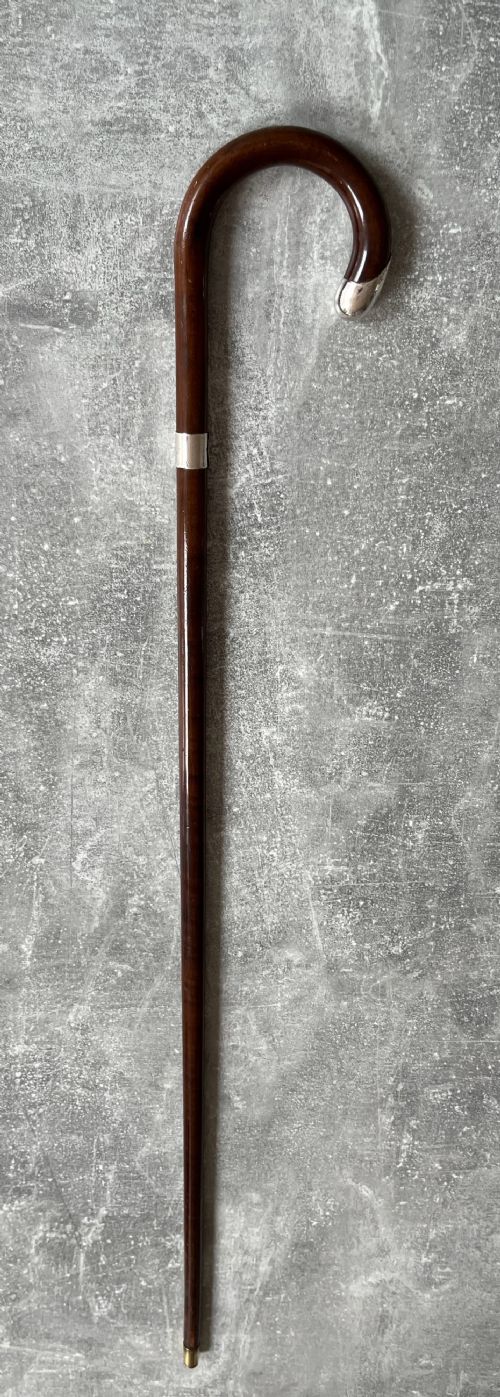
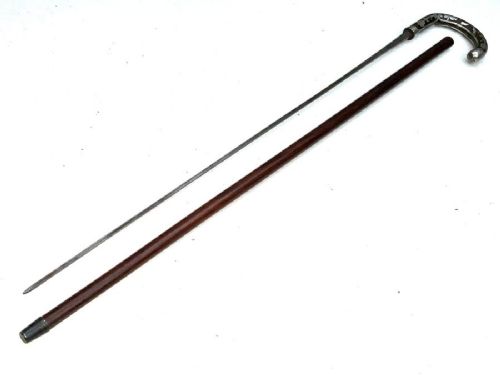
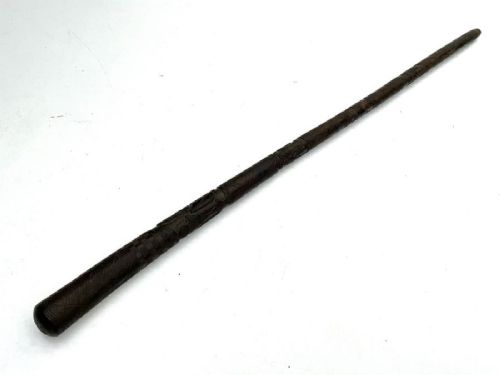
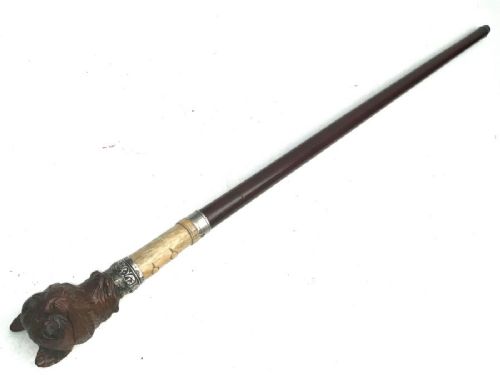
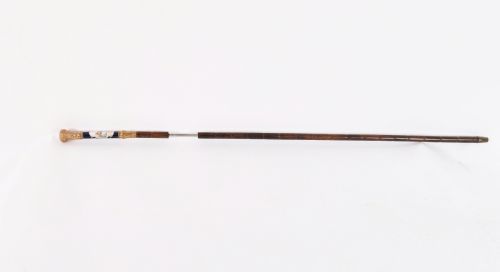
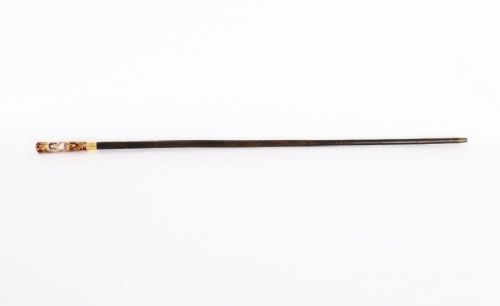
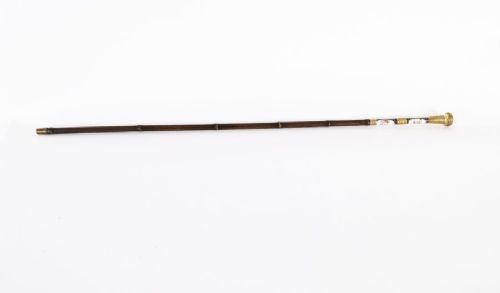
A dark wood walking stick is a supportive accessory or concealed blade dating primarily from the Victorian, Edwardian, and Art Deco eras. Buyers searching for a dark wood walking stick encounter items ranging from simple timber shafts to complex gadget sticks equipped with hidden swords, snuff boxes, or nutcrackers.
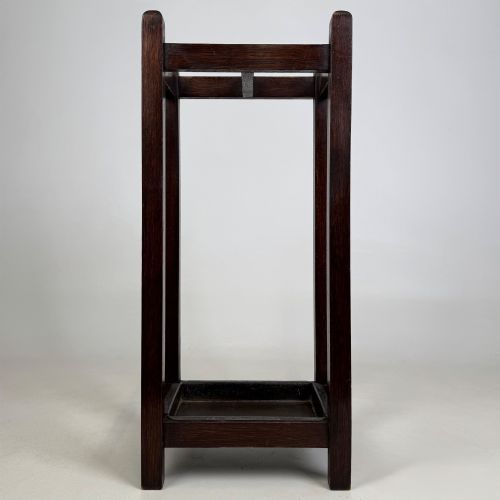
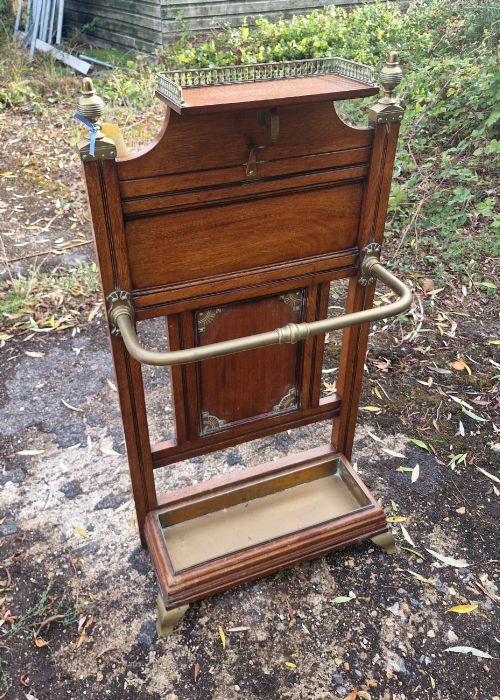
The majority of these pieces originate from British and French workshops of the late nineteenth and early twentieth centuries. Alongside functional walking canes, the selection frequently incorporates companion oak and mahogany hall stands designed to hold them.
Materials and Technique
Shafts rely on dense hardwoods such as oak, mahogany, hazel, partridge wood, elm, and blackthorn, often paired with mounts of silver, brass, steel, and horn. Metal blades forged in Toledo or fitted with concealed mechanisms integrate smoothly into timber bodies.
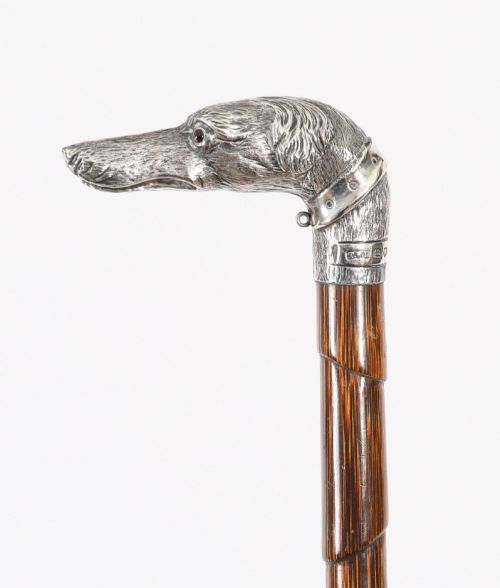
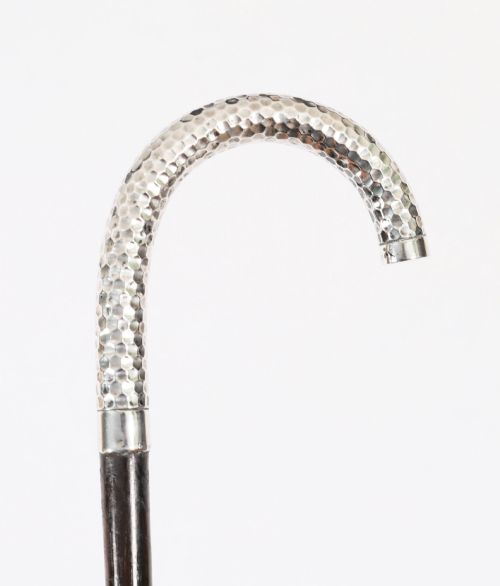
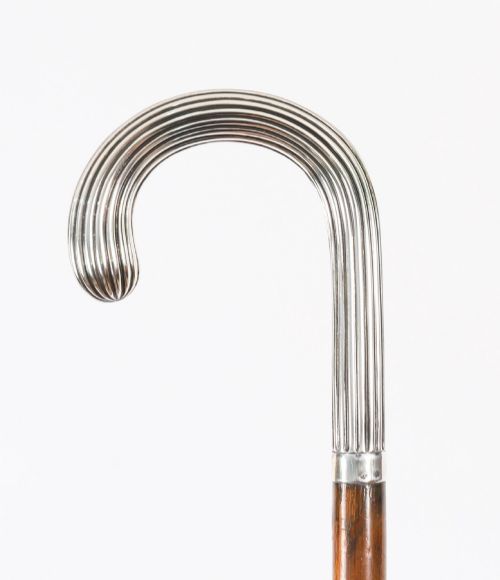
Handles display meticulous hand-carving or porcelain work, utilising materials like Sevres porcelain, gold plating, and polished horn. Silver collars and engraved mounts secure the joints between the handle and the wooden shaft.
Dark Wood Walking Stick Retail Price Guide 2026
Typical asking prices for dark wood walking stick among the pieces listed under this phrase on Sellingantiques today, from the lower quarter to the upper quarter. They describe what is for sale here now, not the wider market.
Listings feature items spanning the 1870s through the Art Deco period, constructed from hardwoods, silver, and horn.
Craftsmanship and Distinction
Quality rests in the precision of the handle carving and the structural integrity of the concealed mechanism where present. Animal heads shaped as greyhounds, ducks, parrots, and pheasants show varying degrees of sculptural detail in silver or porcelain.
The sophistication of integrated elements, such as working snuff boxes or functional sword blades with clear maker origins, separates standard everyday timber from high-status gentlemanly items.
The Dark Wood Walking Stick Glossary
- Bokken
- A Japanese wooden sword traditionally utilised for martial arts training.
- Knobkerrie
- A traditional African wooden throwing club featuring a rounded heavy head.
- Silver mount
- A decorative or reinforcing collar of silver fitted around the upper shaft or handle junction.
- Gadget cane
- A walking stick housing a concealed functional tool, weapon, or compartment.
- Bergere
- A woven cane panel frequently utilised in the construction of country house stick stands.
Dark Wood Walking Stick: Frequently Asked Questions
What is a dark wood walking stick?
A dark wood walking stick is a historical gentleman's accessory fashioned from dense timber such as oak, mahogany, or partridge wood.
Many examples incorporate silver handles, horn grips, or concealed steel sword blades dating from the nineteenth and early twentieth centuries.
How were sword sticks used?
Sword sticks functioned primarily as daily walking supports that provided discreet personal defence through a concealed internal steel blade.
Owners accessed the blade by releasing a locking mechanism hidden beneath the handle or silver collar.
How do I display a stick stand?
Stick stands in oak, mahogany, or barley twist designs suit hallways and entranceways as practical furniture.
They accommodate multiple walking sticks and umbrellas while keeping the wooden shafts upright and stable.
How do I identify Victorian pieces?
Victorian pieces typically display nineteenth-century hallmarks, specific silver mounts, or traditional wood finishes associated with the period.
Stylistic markers such as carved animal head handles and Hazel or Blackthorn timber further indicate late nineteenth-century manufacture.